
Table of Contents
- A New Challenge for Trump’s Presidency
- The 25th Amendment and Its Role in U.S. Politics
- Raskin’s Bill and Its Impact on Trump’s Presidency
- The Role of Vice President JD Vance in the Process
- The Commission’s Role: A Medical Examination of Trump
- Trump’s Threats Against Iran: A Catalyst for the 25th Amendment Bill
- Bipartisan Support for the Bill: A Divided Congress
- Potential Implications of Removing Trump From Office
- The Future of Trump’s Presidency: Legal and Political Consequences
- A Nation at a Crossroads
A New Challenge for Trump’s Presidency
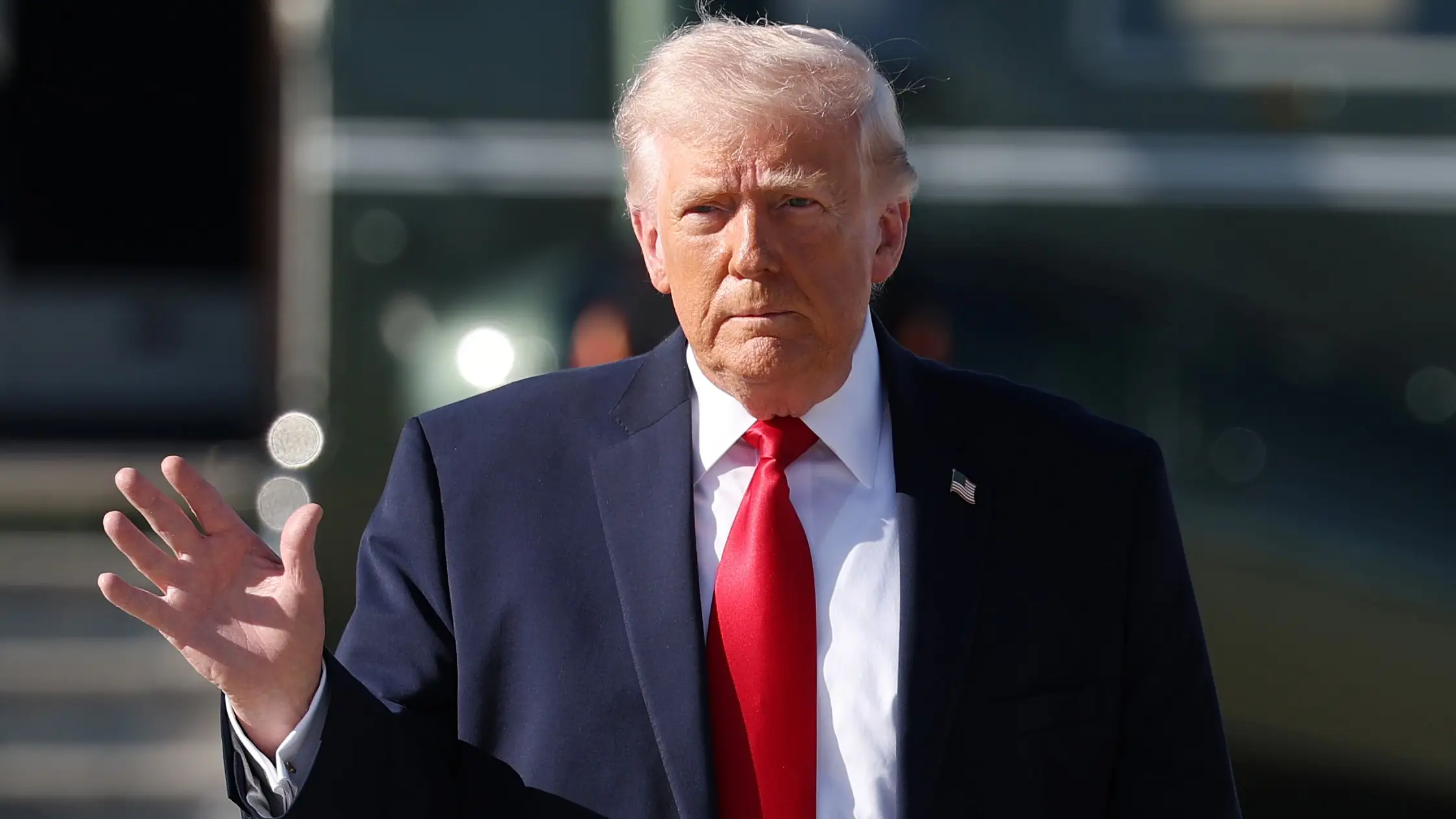
In a dramatic development, House Democrats have filed a bill aimed at invoking the 25th Amendment to remove President Donald Trump from office. The decision comes amidst escalating tensions between the United States and Iran, with critics increasingly questioning Trump’s fitness to lead. This unprecedented move marks a pivotal moment in U.S. politics, highlighting the growing concerns surrounding the president’s ability to meet the demands of his office, especially as his comments about Iran spark further alarm. This article delves into the key issues at play and the potential consequences of this bold political maneuver.
The 25th Amendment and Its Role in U.S. Politics
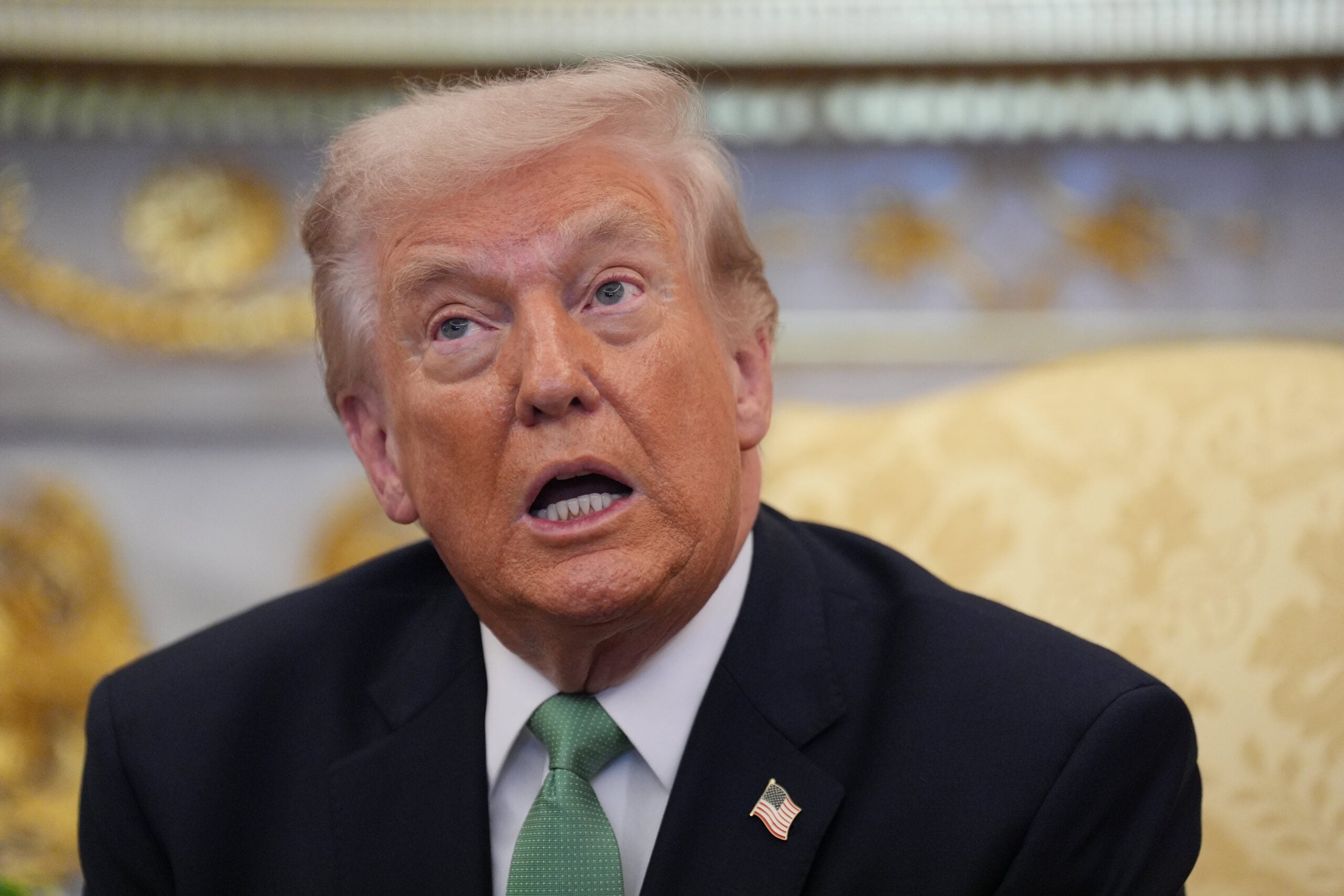
The 25th Amendment, ratified in 1967, was designed to address the issue of presidential disability, both temporary and permanent. While the amendment primarily focuses on presidential succession and the incapacity of the president, it also outlines a process for removing a president who is deemed unfit to fulfill their duties. Under Section 4 of the amendment, a president can be removed if the vice president and a majority of the Cabinet deem him or her unable to perform the responsibilities of the office.
The current bill, introduced by House Democrat Jamie Raskin, aims to form a commission that will assess President Trump’s fitness for office. This move has been sparked by a combination of concerns regarding Trump’s handling of the ongoing conflict with Iran and his increasingly erratic behavior, according to his critics. The growing sense of urgency among House Democrats has placed the 25th Amendment squarely in the spotlight as a potential means of addressing a president whose leadership is seen as unstable by many.
Raskin’s Bill and Its Impact on Trump’s Presidency
Jamie Raskin, a senior Democrat from Maryland, has been at the forefront of this legislative push. The 10-page bill, introduced on April 15, 2026, seeks to create a commission that would be empowered to work with Vice President JD Vance and the Cabinet to examine Trump’s mental and physical ability to carry out his presidential duties. Raskin argued that public trust in Trump’s leadership had reached an all-time low, particularly as his recent rhetoric about Iran raised concerns about his decision-making capacity.
In his statement, Raskin emphasized the importance of fulfilling Congress’s responsibility to protect national security and ensure that the president is fit to lead. “We are at a dangerous precipice,” Raskin stated, noting that Trump’s threats against Iran and his disregard for Congressional war powers have left the nation vulnerable. His remarks underscore the sense of urgency that has driven this unprecedented move.
The Role of Vice President JD Vance in the Process
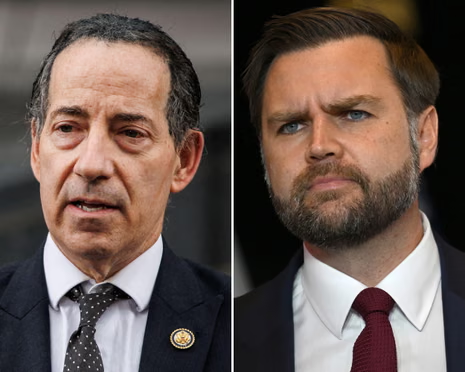
One of the critical aspects of the bill is its inclusion of Vice President JD Vance, who would play a key role in the 25th Amendment process. Under the bill, Vance would work with the commission to assess Trump’s mental and physical fitness. The vice president, a staunch ally of Trump, is now being called upon to work alongside the Cabinet to evaluate whether the president is capable of performing his duties.
This marks a pivotal moment in the Trump administration, as the vice president’s involvement could signal a shift in political dynamics. Although Vance has been a loyal supporter of Trump, this development puts him in a difficult position. If the commission finds Trump unfit, Vance would be tasked with taking over the presidency, which could lead to a major shift in the direction of the country.
The Commission’s Role: A Medical Examination of Trump
As outlined in the bill, the commission would be tasked with conducting a medical examination of President Trump to determine whether he is physically or mentally unfit to remain in office. This is a key component of the bill, as it provides a formal process for assessing the president’s ability to carry out his duties. The commission will consist of 16 members, including psychiatrists and physicians, who will examine Trump’s health and determine whether he is capable of fulfilling his role.
This aspect of the bill has drawn significant attention, especially in light of recent statements by Trump regarding the conflict in Iran. Critics have pointed to his inflammatory rhetoric as evidence of his unstable behavior. The commission’s findings could provide the legal and medical basis for invoking the 25th Amendment, effectively removing Trump from office if he is deemed unfit.
Trump’s Threats Against Iran: A Catalyst for the 25th Amendment Bill
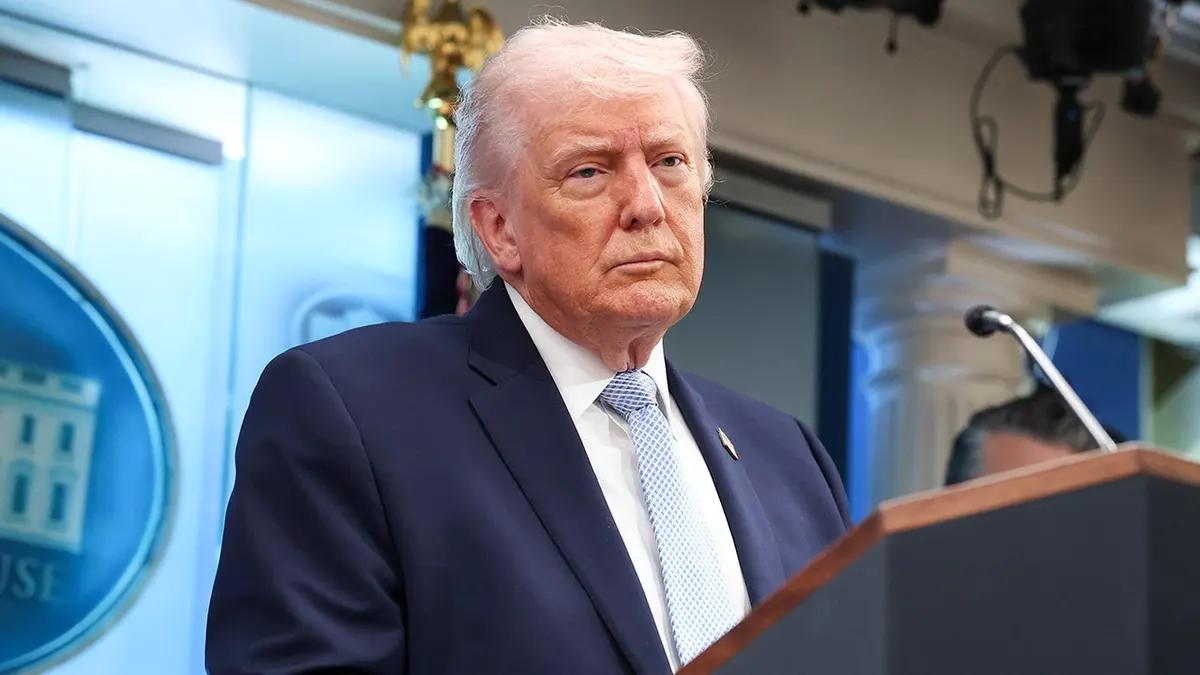
The bill’s introduction is closely tied to Trump’s recent comments regarding the ongoing conflict with Iran. In a series of controversial remarks, Trump threatened to destroy an entire civilization in response to Iran’s actions in the Middle East. This statement, widely criticized as reckless, has raised alarms about Trump’s judgment and his ability to handle sensitive national security issues.
Many believe that these statements, combined with Trump’s erratic behavior in recent months, have undermined his credibility and raised concerns about his fitness to lead. The 25th Amendment bill reflects the growing unease within Congress, as lawmakers seek to protect the nation from what they perceive as an increasingly dangerous president.
Bipartisan Support for the Bill: A Divided Congress
While the bill is primarily driven by House Democrats, it has garnered some support from across the aisle. Republican lawmakers, including former CIA Director John Brennan, have also expressed concerns about Trump’s ability to lead. Brennan, who has been vocal in his criticism of the president, has suggested that the 25th Amendment was created with leaders like Trump in mind. His comments reflect a growing bipartisan recognition that Trump’s presidency may be doing more harm than good, especially in terms of national security.
However, support for the bill is not unanimous. Many Republicans remain loyal to Trump, believing that the president’s actions in the Middle East are justified and that his leadership should not be questioned. This division has created a contentious atmosphere in Congress, as lawmakers debate the merits of invoking the 25th Amendment.
Potential Implications of Removing Trump From Office

If the bill passes and Trump is removed from office under the 25th Amendment, the implications for U.S. politics would be profound. The country would face the unprecedented situation of having a president removed for reasons other than impeachment. This could set a dangerous precedent for future presidents and create instability in the political system.
Moreover, the removal of Trump could spark a bitter political battle, with his supporters viewing it as a partisan attack. Such a move could further polarize the nation, deepening the divide between Trump’s base and his critics. The aftermath of such a decision would likely have long-lasting effects on the political landscape, especially in the context of the 2026 midterm elections.
The Future of Trump’s Presidency: Legal and Political Consequences
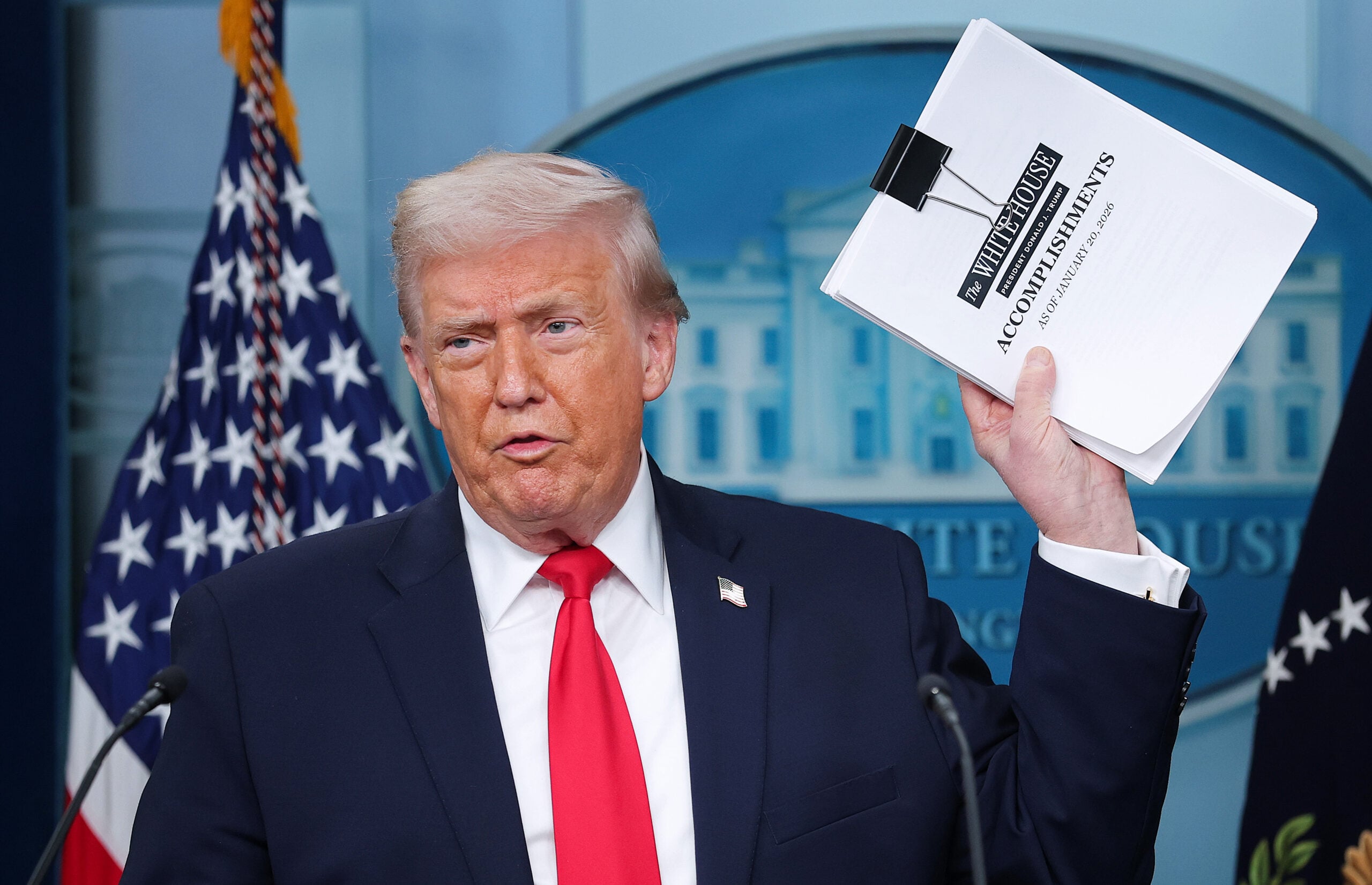
The legal and political ramifications of the 25th Amendment bill are still unfolding. If the commission concludes that Trump is unfit for office, the president’s legal team would likely mount a fierce defense, challenging the bill and the findings of the commission. This could lead to a lengthy legal battle, with both sides accusing each other of overreach.
On the political front, Trump’s removal could galvanize his supporters, who view the move as an attempt by the political establishment to undermine the will of the people. A strong backlash from Trump’s base could make it difficult for any future political leader to navigate the delicate balance of power between the presidency and Congress.
A Nation at a Crossroads
The introduction of the 25th Amendment bill to remove Donald Trump marks a critical moment in U.S. history. With national security concerns at the forefront and mounting evidence of the president’s unstable behavior, House Democrats are pushing for a change in leadership. However, the process is far from straightforward, and the bill’s passage could have far-reaching consequences for U.S. politics.
Whether the 25th Amendment is invoked or not, this challenge to Trump’s presidency highlights the deep divisions within the country and the growing concerns about the direction of American leadership. As the debate continues, one thing is clear: the stakes have never been higher.