
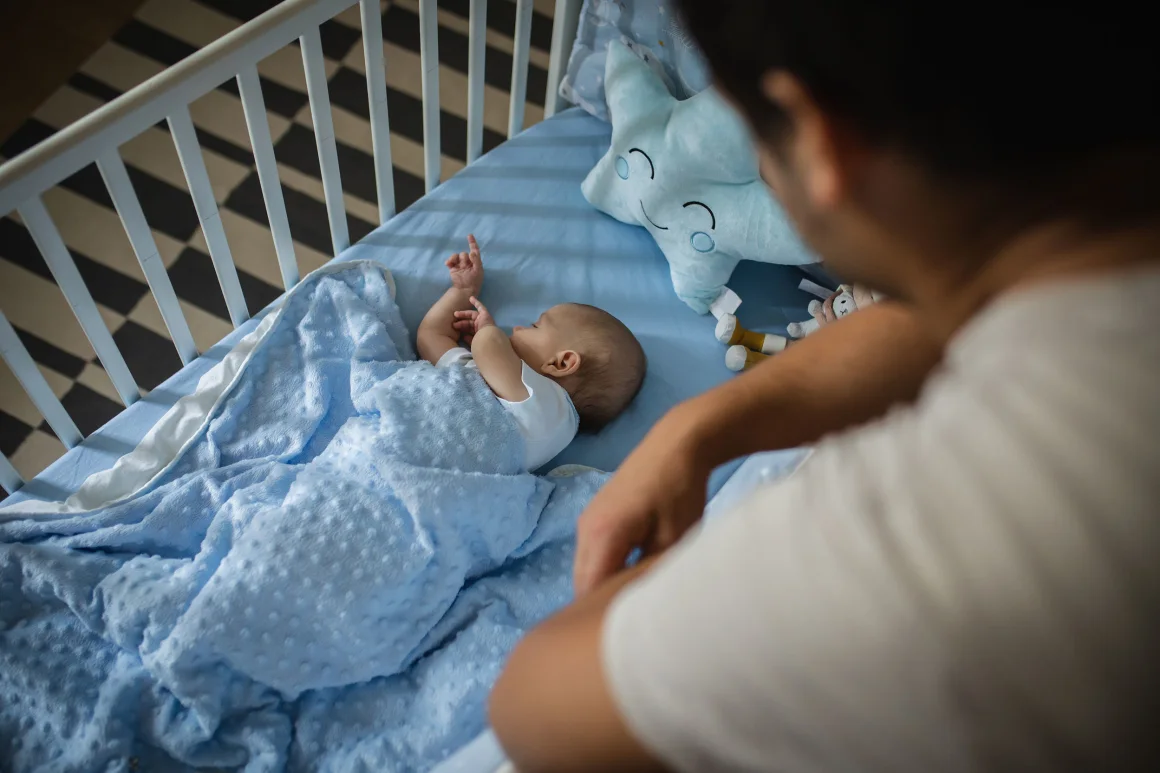
Imagine rocking your newborn to sleep every night, believing their crib is the safest place in the world — only to discover that the mattress beneath them may be releasing toxic chemicals linked to hormone disruption, cancer, and long‑term developmental issues.
This is not a scare‑tactic headline. It’s the reality emerging from recent research and consumer health investigations that have shaken parents, pediatricians, and child safety advocates alike.
Tiny babies spend up to 16–18 hours a day sleeping, especially during their first year. This means they are breathing, touching, and resting on these mattresses for an overwhelming amount of time — far more than we ever considered.
And if those mattresses off‑gas harmful chemicals…
what does that mean for our children’s health?
Let’s unpack this troubling discovery — how it was uncovered, what chemicals are involved, the potential long‑term effects, and what every caregiver should do to protect their child.
Table of Contents
- How a Routine Crib Mattress Became a Health Concern
- Hormone Disruption: Why It Matters for Growing Babies
- Cancer Risk: What Research Is Starting to Reveal
- Developmental Issues: Emerging Evidence of Subtle But Serious Risks
- Why Are These Chemicals Still Used in Baby Products?
- How to Spot a Safer Mattress: What Experts Recommend
- Parental Voices: Real Families Speak Out
- The Broader Picture: Toxic Chemicals in Everyday Life
- What Regulators and Advocates Are Calling For
- What This Means for the Home: Healthy Sleep and Healthy Growth
- The First Step: Awareness Leads to Action
How a Routine Crib Mattress Became a Health Concern
It started with a group of concerned scientists who began testing baby products for chemical safety.
Parents often think of mattresses as innocuous — just foam wrapped in fabric. But that mattress may contain:
- Flame retardants
- Formaldehyde
- Volatile organic compounds (VOCs)
- Phthalates
- Antimicrobial chemicals
These substances are commonly used to meet flammability standards, prevent mold, and enhance durability. But what researchers discovered was disturbing: many of these chemicals can off‑gas — meaning they release into the air — inside closed nurseries where infants are sleeping for hours every day.
Infants are especially vulnerable because:
• Their lungs and immune systems are still developing
• They breathe faster than adults
• They spend more time close to possible chemical sources
And unlike adults, babies can’t tell us when something hurts.
o when early studies began linking certain chemicals in crib mattresses to serious health issues, parents and health experts took note — and so should you.
Hormone Disruption: Why It Matters for Growing Babies
One of the most troubling findings from recent research is the connection between certain mattress chemicals and endocrine disruption — interference with hormone systems.
Hormones are chemical messengers that control everything from:
- Metabolism
- Growth and development
- Nervous system signaling
- Reproductive system development
When chemicals mimic or block hormones, even at low levels, it can interfere with critical developmental processes.
Baby mattresses can release:
- Phthalates — linked to reproductive toxicity
- BPA (Bisphenol A) — linked to abnormal hormone signaling
- Flame retardants that disrupt thyroid hormone function
These chemicals don’t just disappear. They accumulate in dust and are absorbed through:
- Inhalation
- Skin contact
- Hand‑to‑mouth behavior
And because infants spend so much time in close contact with mattresses, the cumulative exposure becomes significant.
Ask yourself:
If your baby were exposed to chemicals that could influence their hormone development at a critical stage of life, wouldn’t you want to know?
Cancer Risk: What Research Is Starting to Reveal
The idea that a crib mattress — a place meant for rest and safety — could contribute to cancer risk is unsettling.
But here’s what recent studies suggest:
Certain flame retardants and VOCs have been classified as possible carcinogens — substances capable of causing cancer in humans or animals after prolonged exposure. When these chemicals are used in products that are close to the breathing zone of infants, the long‑term risk can’t be ignored.
Examples include:
- Polyurethane foams that release benzene and toluene when heated
- Older flame retardants like PBDEs, linked to cancer in animal studies
- Certain VOCs found in plasticizers
Even trace exposure over months and years can potentially increase risk. And because infants have less developed detoxification systems, the impact of toxic exposure can be magnified.
This doesn’t mean every baby with a crib mattress will develop cancer — but it does mean that any unnecessary exposure to harmful chemicals should be taken seriously, especially when safer alternatives exist.
Developmental Issues: Emerging Evidence of Subtle But Serious Risks
Long before cancer or hormone disorders might appear, the more immediate concern for many parents is developmental outcomes.
In recent years, scientists have found correlations between exposure to certain chemicals and:
- Lower IQ scores
- Delayed motor development
- Behavioral issues
- Autism spectrum correlations
- Attention deficit disorders
While studies are ongoing, the patterns are consistent enough to raise red flags.
Babies absorb chemicals differently than adults. Their small bodies and rapidly developing brains mean:
• A tiny chemical dose can have bigger effects
• Exposures at critical developmental windows can alter future health
• Effects may not show up until years later
And because sleep is foundational for brain development, using a mattress that compromises air quality becomes a real concern for parents.
Have you ever wondered what environmental factors could shape your child’s development that no one ever told you about?
his is one of them.
Why Are These Chemicals Still Used in Baby Products?
A fair question many readers ask is:
“If these chemicals are harmful, why are they even allowed in baby mattresses?”
And the answer lies in a mix of outdated safety standards, industry lobbying, and slow regulatory response.
Many mattresses meet old fire safety standards that require chemical flame retardants. These regulations were made decades ago when other materials were more flammable. But research shows:
💡 Mattresses with chemical flame retardants do not significantly reduce fires when compared to safer materials like wool or naturally flame‑resistant fibers.
Yet the law hasn’t caught up.
Additionally:
- Chemical manufacturers lobby to delay tighter regulations
- Certifications like “safe” or “non‑toxic” aren’t standardized
- Some companies rely on misleading marketing claims
- Government agencies often move slowly on safety standards
In short: the regulatory system hasn’t kept pace with scientific findings — and consumers are often caught in the gap.
How to Spot a Safer Mattress: What Experts Recommend
If you’re a parent or soon‑to‑be parent, this information can feel overwhelming. But there are practical steps you can take right now to protect your baby.
🔎 Look for SAFER certification labels
Not all labels are equal — prioritize:
- GREENGUARD Gold
- OEKO‑TEX Standard 100
- Global Organic Textile Standard (GOTS)
- Made Safe®
These certifications limit or exclude many toxic chemicals.
🛏 Choose natural or organic materials
Cotton, wool, and natural latex are good alternatives. They are:
- Less likely to off‑gas
- Naturally fire‑resistant (wool, especially)
- Biodegradable and eco‑friendly
📉 Avoid mattresses with heavy foams or plastic covers
These materials are the most likely to release VOCs and plasticizers.
🧼 Wash all bedding before use
Reducing dust and contaminants helps lower chemical exposure.
🪟 Make the nursery well‑ventilated
Fresh air exchange can reduce indoor pollutants over time.
The good news?
You don’t have to wait for regulators to act to protect your child. Knowledge and smart choices today can make a big difference.
Parental Voices: Real Families Speak Out
Across social media and parenting forums, concerned parents are sharing their stories:
💬 “I had no idea our baby’s mattress could be harmful until I read the research. I went organic immediately.”
💬 “I thought all baby products were tested for safety — turns out that’s not true.”
💬 “We replaced our crib mattress and now feel so much better about our nursery.”
These personal anecdotes show one thing clearly:
Parents care deeply — and they want transparency.
When families learn that products meant for comfort may carry hidden risks, it causes understandable alarm.
Some are even calling for:
- Stricter labeling laws
- Independent third‑party testing
- Retailer responsibility for product safety education
- Policy reform to remove harmful chemicals from all children’s products
And that’s where the story gets bigger than individual families — it becomes a national health conversation.
The Broader Picture: Toxic Chemicals in Everyday Life
If baby mattresses can pose risks due to toxic chemicals, it’s worth asking:
💡 What other everyday products might be quietly harming our children?
The reality is, many household products contain chemicals with known or suspected health risks, including:
- Furniture with flame retardants
- Plastic toys with phthalates
- Flooring or paint with VOCs
- Cleaning products with harmful solvents
- Baby bottles or cups with BPA
This is why organizations like the Environmental Working Group (EWG) and consumer safety advocates emphasize:
The most vulnerable — infants and young children — should have the strongest protections.
After all, the sleep environment is where babies spend most of their early months. It should be a sanctuary, not a source of invisible chemical exposure.
What Regulators and Advocates Are Calling For
In response to mounting evidence, some lawmakers and health advocates are pushing for:
📌 Stricter federal regulations on chemical use in children’s products
This would include tough limits on flame retardants, plasticizers, and VOC‑emitting materials.
📌 Mandatory third‑party safety testing before products hit shelves
Not just voluntary certifications — legal requirements.
📌 Clear labeling that makes chemical content transparent to consumers
No vague terms like “chemical‑treated” without explanation.
📌 Updated flammability standards that favor safer materials
Wool or naturally flame‑resistant textiles would replace chemical treatments.
Parents aren’t just waiting for change — many are demanding it.
And as more research emerges, the pressure is only going to grow.
What This Means for the Home: Healthy Sleep and Healthy Growth
Your child’s mattress isn’t just bedding — it’s their sleep environment, their first sanctuary, and the foundation for healthy development.
Consider this:
⭐ Babies spend more time in their crib than they do at the dinner table.
⭐ Early development is shaped by environmental exposures.
⭐ Long sleep hours mean long chemical exposure if mattresses off‑gas toxins.
So when we talk about health and home safety, this isn’t a fringe issue — it’s central to every parent’s well‑being checklist.
The First Step: Awareness Leads to Action
If this article has made you think — even for a moment — pause to reflect:
If you knew something in your child’s room could quietly affect their hormones, brain development, or cancer risk decades from now — wouldn’t you at least take action today?
That’s the core of this story:
Not panic.
Not fear.
But informed, empowered parenting.
Removing hidden risks from your home doesn’t mean perfection — it means prioritizing what matters.
And nothing matters more than the health of your child.