
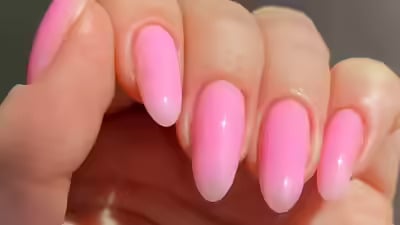
Long, beautifully manicured nails are often seen as a sign of elegance and sophistication. But what if these same nails, which many take so much pride in, could be harboring hidden health risks? What if they could contribute to the spread of bacteria, including fecal bacteria, while you’re enjoying a meal?
It’s not a thought many of us have considered, but studies show that long fingernails can, indeed, pose health risks — especially in the context of food handling and hygiene. While most people are aware of basic food safety practices like washing hands before meals, they may overlook the fact that their nails could be a breeding ground for harmful germs and bacteria.
In this article, we will explore how long fingernails contribute to the spread of fecal bacteria, the potential health risks involved, and what you can do to maintain hygiene while still rocking those fabulous nails.
Table of Contents
- The Science Behind Long Nails and Bacteria
- How Long Nails Spread Fecal Bacteria During Meals
- Health Risks: What Can Happen When Bacteria Spreads During Meals?
- Why Long Nails Pose a Greater Risk for Children
- How to Maintain Proper Nail Hygiene: Protecting Yourself and Others
- The Bigger Picture: Hygiene and Food Safety in the Modern World
The Science Behind Long Nails and Bacteria
You might be wondering, how can something as innocent as long nails lead to the spread of harmful bacteria? The key lies in the way nails — especially long ones — interact with the environment.
The Anatomy of Your Nails: A Hidden Haven for Bacteria
Our nails are made up of keratin, a protein that can trap moisture, dirt, and particles from the environment. When nails grow long, the crevices under the nail become more pronounced, creating tiny pockets where bacteria can thrive. These bacteria can be transferred to food, utensils, or other surfaces during everyday activities like eating, cooking, or simply touching objects.
Long nails are particularly problematic for a few reasons:
- Increased Surface Area: The longer your nails, the larger the area where bacteria can hide. This makes it difficult to clean effectively, especially under the nail where bacteria can grow undisturbed.
- Dirt Trapping: Long nails often collect dirt, oils, and debris, which, when not cleaned properly, can harbor bacteria.
- Bacterial Growth: When bacteria come into contact with moisture or warm environments (like a food prep area or while eating), they can multiply quickly.
Research shows that even fecal bacteria — often from poor hygiene practices or contact with contaminated surfaces — can be transferred from your nails to your food, potentially leading to illness.
How Long Nails Spread Fecal Bacteria During Meals
It’s a hard truth: fecal bacteria can be transferred from your nails to the food you eat. But how does this happen?
The Role of Contaminated Hands in Food Safety
When you wash your hands before a meal, you’re ensuring that the majority of bacteria are washed away from your skin. However, if you have long nails, the germs are not as easily removed, even after thorough handwashing.
Studies have shown that fecal contamination, such as bacteria from E. coli or Salmonella, can linger under fingernails even after handwashing. These bacteria can come from contaminated surfaces, using the restroom, or handling raw food products like meat. When you touch your food, utensils, or meal preparation surfaces, the bacteria transferred from your nails can contaminate everything in your path.
What’s more, research has shown that fecal matter is often present in the environment — and is even transferred through improper hand hygiene, like not washing hands after using the restroom or handling dirty objects. Long nails, in this context, become a reservoir for these bacteria.
Health Risks: What Can Happen When Bacteria Spreads During Meals?
The consequences of spreading fecal bacteria through meals can be severe. Contaminated food can cause a range of illnesses, from mild gastrointestinal discomfort to severe food poisoning. The bacteria found on long nails can lead to:
1. Gastrointestinal Issues
When fecal bacteria enter the digestive system, they can cause a range of gastrointestinal problems. Salmonella, for example, can lead to symptoms like:
- Diarrhea
- Vomiting
- Fever
- Abdominal cramps
Other bacteria, such as E. coli, can cause severe infections that require medical intervention.
2. Food Poisoning
One of the most common consequences of ingesting bacteria from long nails is food poisoning. Food poisoning occurs when harmful microorganisms, including bacteria, viruses, or parasites, are ingested. Symptoms include:
- Nausea
- Vomiting
- Diarrhea
- Stomach cramps
In some cases, food poisoning can be severe and lead to dehydration or kidney failure, particularly in vulnerable populations like children, the elderly, or those with weakened immune systems.
3. Spread of Infectious Diseases
If fecal bacteria from your nails contaminate shared surfaces or food, they can quickly spread to others. This is particularly concerning in environments like restaurants, homes, or social gatherings, where multiple people are eating or touching shared surfaces.
Why Long Nails Pose a Greater Risk for Children
While long nails pose a risk to adults, the dangers are amplified for children. Babies and toddlers are particularly vulnerable to infections because their immune systems are still developing.
Children tend to put their hands, and therefore potentially contaminated nails, into their mouths more frequently. This hand-to-mouth behavior dramatically increases the likelihood of ingesting bacteria that could lead to illness.
Moreover, children are more susceptible to infections and illnesses in general, and exposure to harmful bacteria from nails can result in severe consequences, including:
- Dehydration due to diarrhea
- Growth and developmental issues
- Increased risk of hospitalization
Parents should be particularly cautious about the cleanliness of their children’s surroundings, ensuring that toys, high chairs, and food preparation areas are free from contamination.
How to Maintain Proper Nail Hygiene: Protecting Yourself and Others
So, how can you continue to enjoy long nails while minimizing the risks? Here are some tips for maintaining proper nail hygiene and keeping both yourself and others safe:
1. Clean Nails Regularly
Long nails require extra care. After washing your hands, be sure to clean under your nails thoroughly, using a nail brush or a cotton swab. This will help dislodge any dirt, debris, or bacteria that could be hiding.
2. Avoid Touching Food Directly
Whenever possible, avoid touching food directly with your nails. Instead, use utensils like tongs or forks to handle food. This minimizes the direct contact between your nails and the food.
3. Trim Your Nails Regularly
If you have long nails, regular trimming is crucial. Keeping your nails at a manageable length not only reduces the risk of contamination but also makes it easier to maintain cleanliness.
4. Wash Hands Frequently
While it’s important to wash your hands before eating, you should also wash them frequently throughout the day. This will help prevent bacteria from transferring to your food, especially after touching potentially contaminated surfaces.
5. Use Nail Covers or Gloves When Handling Food
If you must handle food directly, wearing disposable gloves or nail covers can act as an added layer of protection. This is especially important in professional food handling or when preparing food for others.
The Bigger Picture: Hygiene and Food Safety in the Modern World
While long nails and bacteria transfer may seem like a niche concern, the reality is that hygiene plays a crucial role in preventing foodborne illnesses. In today’s fast-paced world, many of us don’t always stop to think about the finer details of cleanliness, like how our nails may contribute to food contamination.
By understanding the connection between long nails and food safety, we can adopt better habits and practices to protect ourselves and those around us from potentially harmful diseases.
As consumers, we must prioritize awareness when it comes to both personal hygiene and the broader implications for public health. Whether you’re at home, in a restaurant, or handling food for others, a little extra care can go a long way in ensuring a safe and healthy eating environment.