
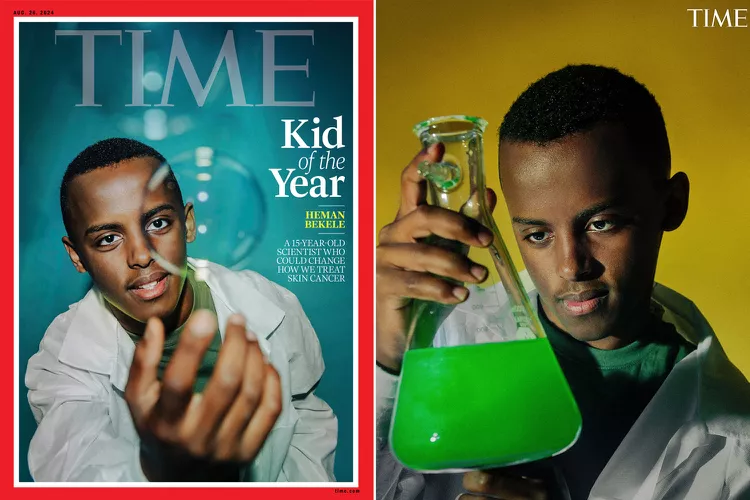
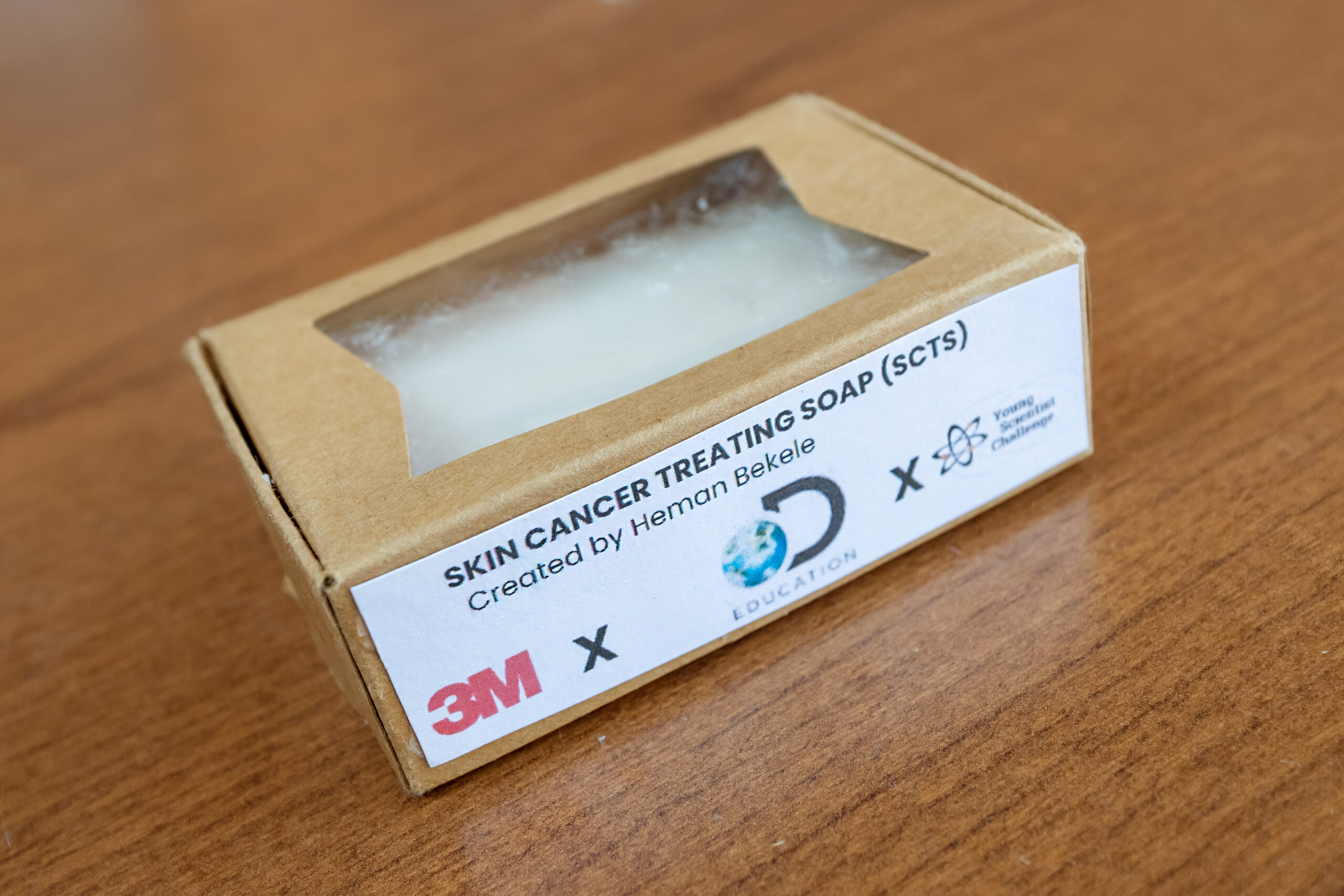
The announcement came quietly at first, but its implications rippled far beyond the ceremony itself. A young innovator, still years away from adulthood, had been honored not for athletic achievement or viral fame, but for a scientific invention aimed at one of humanity’s most persistent threats: cancer. The idea was disarmingly simple yet profoundly ambitious. A bar of soap, used in an everyday routine, designed to help detect disease earlier — when treatment has the greatest chance of success.
What made the story remarkable was not only the invention, but the path that led to it. This was not a project born in a corporate laboratory or funded by vast research institutions. It emerged from curiosity, grief, and an insistence that science should serve people before it impresses them.
Table of Contents
- The journey began with a personal question that refused to fade.
- The science behind the soap rests on a growing understanding of biomarkers.
- Simplicity became the invention’s greatest strength.
- Recognition from TIME elevated the invention from idea to global conversation.
- The broader implications extend well beyond cancer detection.
- Skepticism remains, as it should in science.
- Education played a critical role in turning curiosity into creation.
- The emotional core of the story resonates as strongly as the science.
- The future of the invention remains open, but its influence is already clear.
- What this moment reveals about the next generation of innovators.
- In the end, the soap symbolizes something larger than its function.
The journey began with a personal question that refused to fade.
For many scientists, research questions arise from academic curiosity. For this young innovator, the motivation was deeply personal. Cancer had touched their life in ways that textbooks never could. Watching loved ones struggle through late diagnoses sparked a realization that felt both unsettling and motivating: early detection saves lives, yet access to screening remains uneven, expensive, and often intimidating.
Instead of accepting this as an unchangeable reality, the young scientist asked a question that adults rarely revisit with enough seriousness. Why does detection have to be so complicated? Why must it rely on expensive machines, invasive procedures, or hospital visits that many people delay out of fear or cost?
From that question came a bold idea. If cancer leaves biochemical traces in the body, could those traces be detected through something as routine as washing your hands?
The science behind the soap rests on a growing understanding of biomarkers.
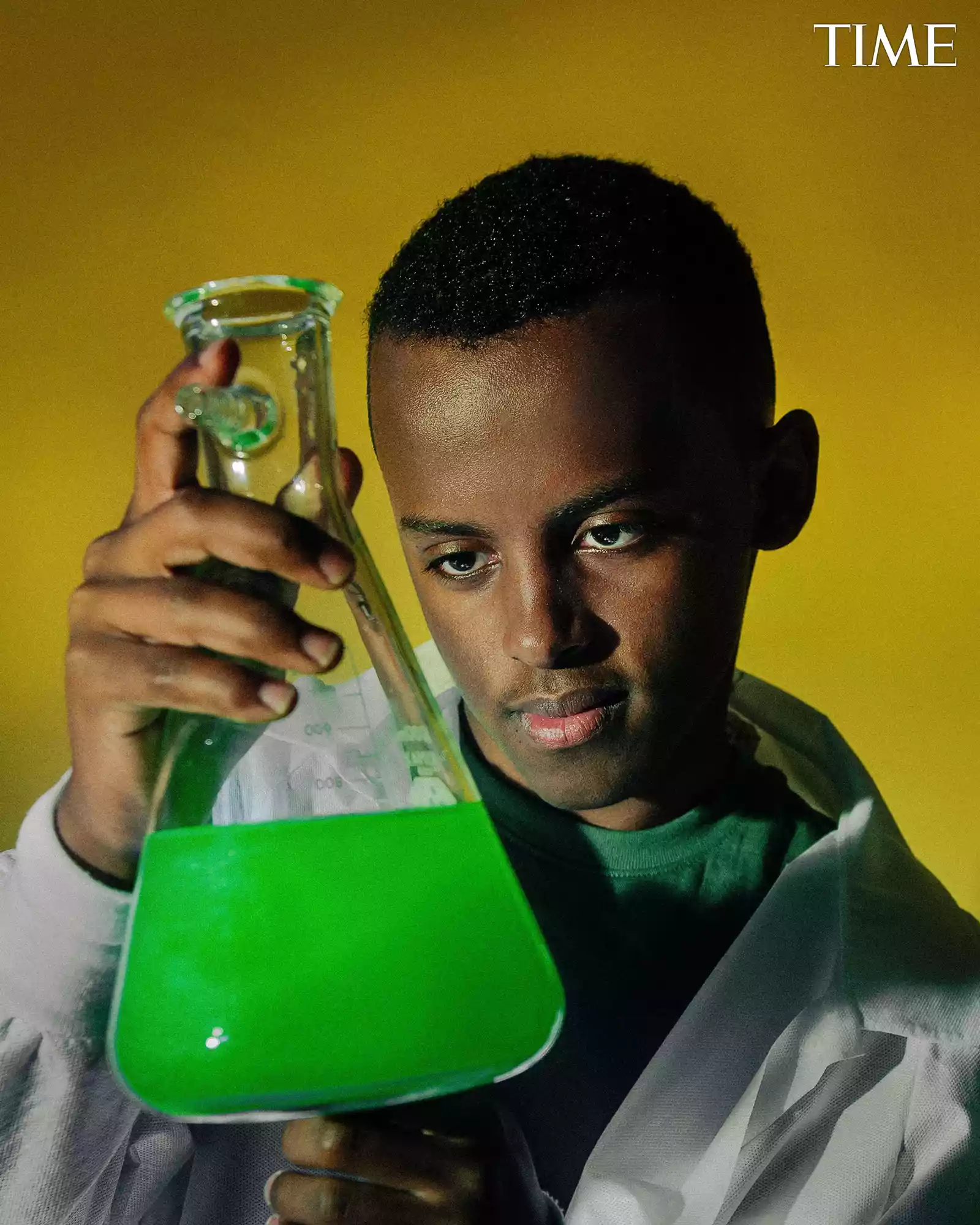
Modern cancer research has increasingly focused on biomarkers — measurable indicators that signal changes in the body long before symptoms appear. Certain cancers release specific proteins, enzymes, or chemical compounds that can be detected through advanced testing. The challenge lies not in their existence, but in making detection accessible.
The soap concept builds on this principle. Designed to react to particular molecular changes associated with cancer, the soap changes color when it comes into contact with certain biomarkers. The reaction is visible, immediate, and does not require specialized equipment.
Scientists have long known that skin, sweat, and oils carry biological information. What this invention does is translate that information into a form anyone can observe. It does not diagnose cancer. Instead, it serves as an early warning system, signaling when further medical testing might be necessary.
Simplicity became the invention’s greatest strength.
One of the most striking aspects of the soap is how ordinary it appears. There are no flashing lights or digital displays. It looks like something you might find in a bathroom anywhere in the world. That design choice was intentional.
The young inventor understood that the most effective health tools are the ones people actually use. Handwashing is one of the most consistent daily behaviors across cultures, ages, and income levels. By embedding detection into a familiar routine, the invention reduces fear and removes barriers.
Experts in public health have long emphasized that early intervention depends as much on behavior as technology. This soap bridges that gap, meeting people where they already are rather than asking them to change habits.
Recognition from TIME elevated the invention from idea to global conversation.
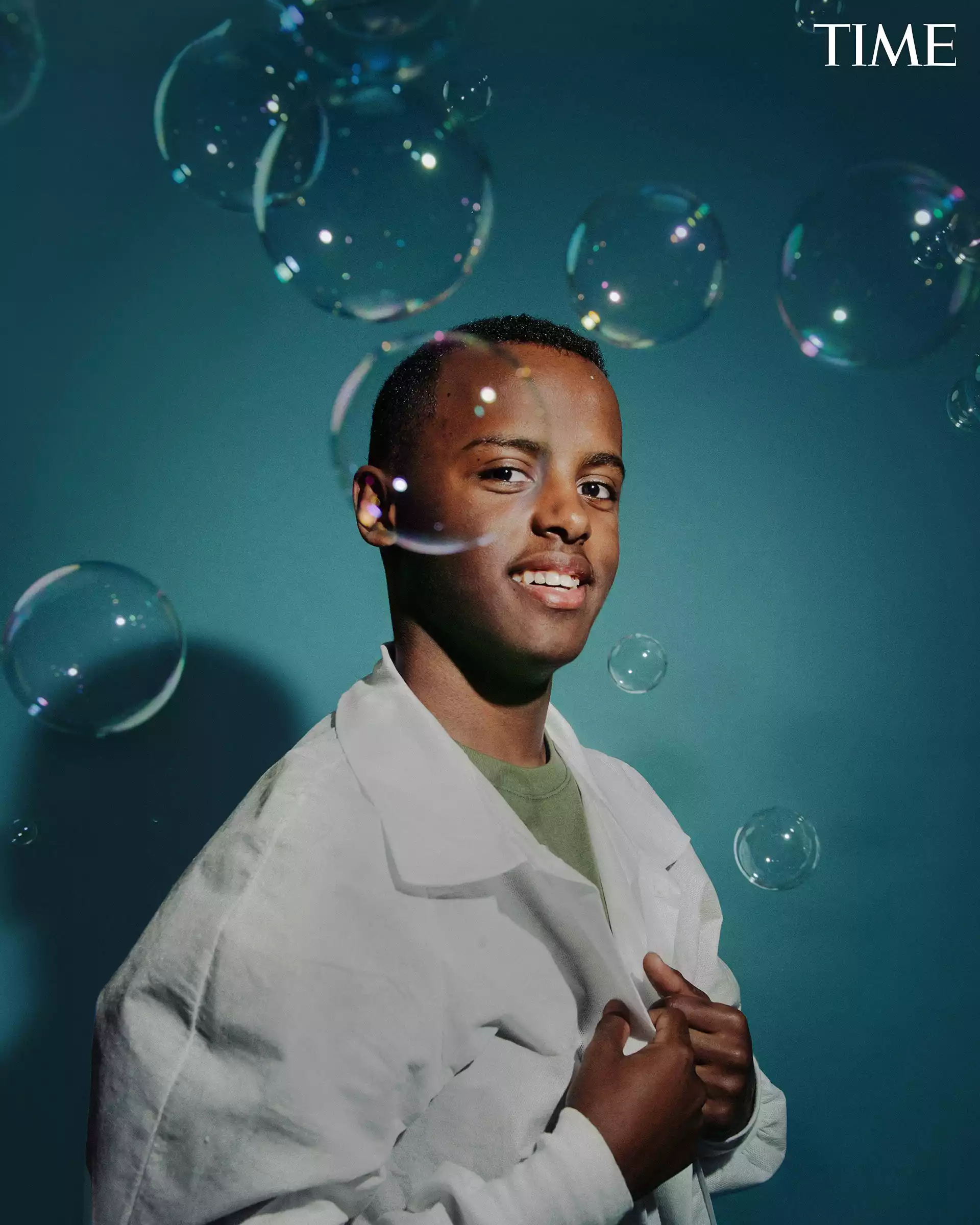
Being named TIME Kid of the Year is not simply an award; it is a platform. Past recipients have gone on to influence education, activism, and technology. In this case, the recognition brought global attention to a scientific idea that might otherwise have remained confined to science fairs and research competitions.
TIME’s editors cited not only the technical ingenuity of the soap but the clarity of its purpose. It addressed a universal problem with empathy and imagination. The invention did not promise miracles or instant cures. Instead, it offered something far more realistic and powerful: earlier awareness.
In doing so, it reframed how society views young innovators. This was not a child mimicking adult science, but a thinker identifying a gap adults had grown accustomed to overlooking.
The broader implications extend well beyond cancer detection.
While the soap was designed with cancer biomarkers in mind, its underlying approach could influence future health technologies. Researchers have already begun exploring similar detection methods for infectious diseases, hormonal imbalances, and metabolic disorders.
The idea that everyday products could serve as passive health monitors opens new possibilities. Instead of relying solely on hospitals as points of diagnosis, health awareness could become decentralized. This shift could be especially transformative in underserved regions where access to medical facilities is limited.
Public health experts note that tools like this do not replace doctors. They empower patients. Early signals prompt earlier conversations, reducing the likelihood that diseases go unnoticed until advanced stages.
Skepticism remains, as it should in science.
Medical professionals emphasize that the soap is not a diagnostic device. False positives, environmental factors, and individual variability must be carefully studied. Rigorous testing, clinical trials, and regulatory review are essential before widespread use.
The young inventor has acknowledged these challenges openly. Rather than overselling the concept, they frame it as a starting point — a proof of possibility. This humility has earned respect from researchers who recognize that innovation thrives when curiosity is paired with responsibility.
Scientific breakthroughs often begin as imperfect ideas. What matters is whether they open new paths for exploration.
Education played a critical role in turning curiosity into creation.
Behind the invention lies access to learning resources, mentors, and encouragement. Science education programs, competitions, and supportive adults provided the framework needed to transform an idea into a working prototype.
This highlights a broader truth. Talent exists everywhere, but opportunity does not. When young minds are given tools to explore real-world problems, innovation follows. The soap is not only a scientific achievement but a testament to what happens when education values creativity over memorization.
Educators see this as evidence that science should be taught not merely as a collection of facts, but as a way of thinking — one that invites students to solve problems that matter to them personally.
The emotional core of the story resonates as strongly as the science.
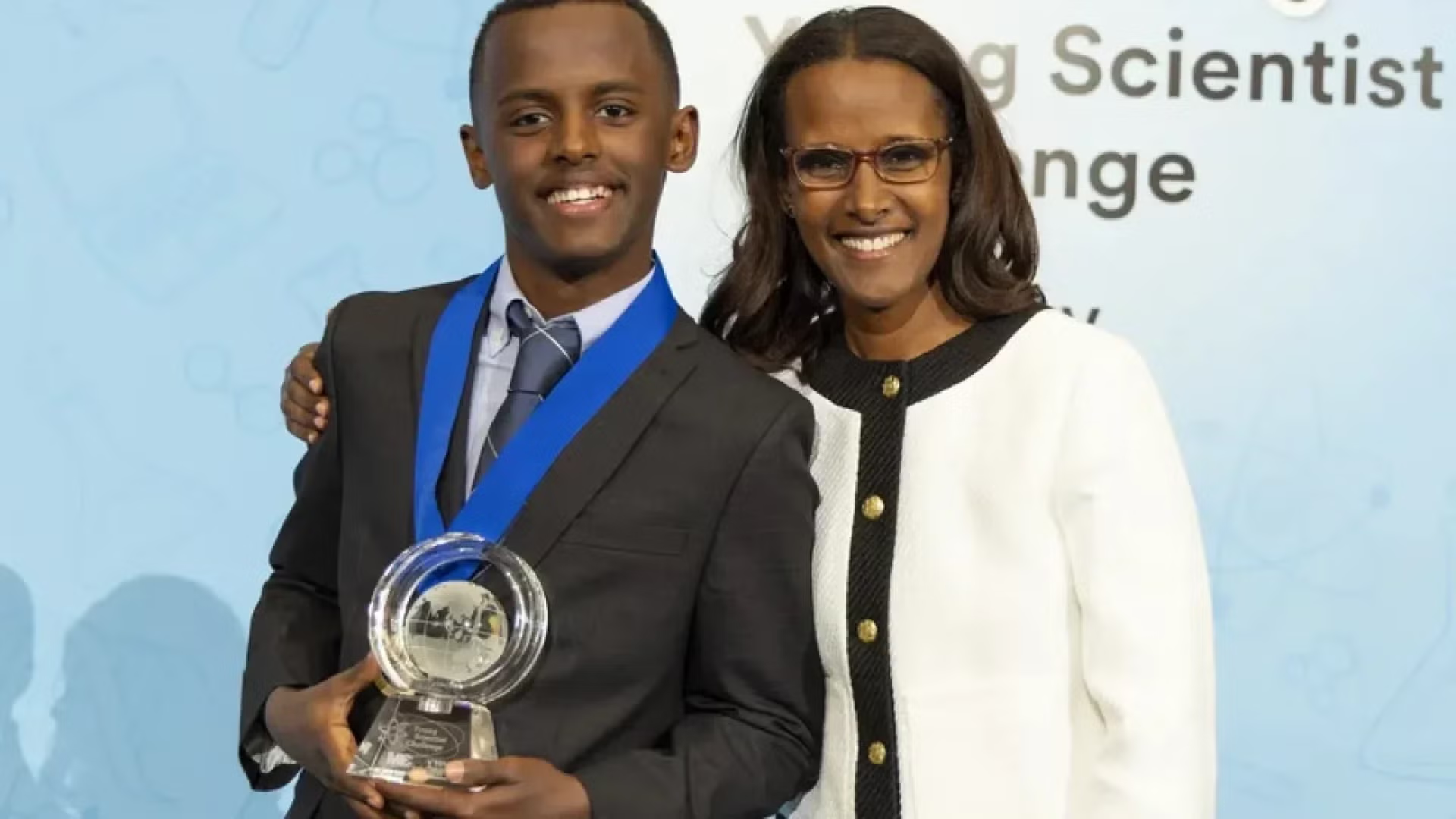
What sets this invention apart is not just its potential impact, but the empathy behind it. The motivation was not prestige or competition, but a desire to prevent others from experiencing loss.
That emotional grounding gives the work authenticity. It reminds audiences that science is not detached from human experience. The best innovations often arise from moments of vulnerability, when someone decides that pain should lead to progress rather than resignation.
TIME’s recognition captured this narrative, presenting a story that feels both hopeful and grounded in reality.
The future of the invention remains open, but its influence is already clear.
Whether or not this specific soap becomes widely available, it has already shifted conversations about early detection and accessibility. Researchers are paying closer attention to noninvasive screening methods. Educators are pointing to the story as an example of youth-driven innovation. Parents and students see proof that age does not limit impact.
In a world often overwhelmed by technological complexity, the invention stands out for its restraint. It does not aim to replace existing systems, but to complement them quietly and effectively.
What this moment reveals about the next generation of innovators.
The recognition of a young scientist by TIME reflects a broader change in how society values problem-solving. Today’s youth are growing up amid global challenges that demand creativity, empathy, and interdisciplinary thinking.
Rather than waiting for permission, many are already engaging with real issues. They see technology not as an abstract field, but as a tool for addressing human needs. This shift could redefine the future of science itself.
Innovation no longer belongs exclusively to laboratories or institutions. It belongs to anyone willing to ask better questions.
In the end, the soap symbolizes something larger than its function.
It represents the idea that solutions do not have to be intimidating to be powerful. That progress can emerge from ordinary routines. That intelligence, when guided by compassion, can reshape possibilities.
TIME Kid of the Year is a title, but the true achievement lies in changing how people think about prevention, access, and who gets to participate in scientific discovery.