
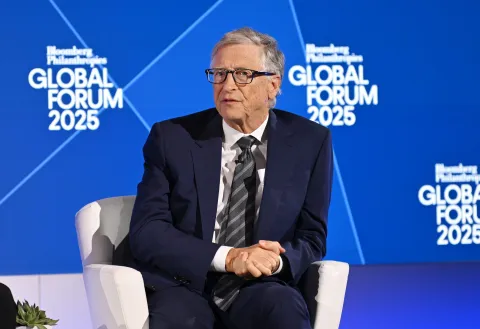
When Bill Gates speaks about global risk, the world tends to listen. Over decades, the Microsoft co-founder has built a reputation not only as a technology pioneer, but as a long-term thinker focused on humanity’s biggest vulnerabilities—from pandemics to climate change. This time, his warning centers on artificial intelligence, a technology often celebrated for its promise, but increasingly feared for its darker possibilities.
Gates has cautioned that advanced AI systems could dramatically lower the barriers for bad actors, making threats like bioterrorism more accessible than ever before. What once required the resources of a nation-state, he suggests, may soon be within reach of individuals or small groups armed with powerful AI tools. The concern is not science fiction. It is rooted in the accelerating pace of AI capability and the way knowledge itself is becoming easier to generate, refine, and misuse.
This warning arrives at a moment when AI is moving faster than regulation, faster than education, and in some cases, faster than our collective ability to understand its implications. What follows is not a rejection of AI’s benefits, but a deeper exploration of why its risks demand serious attention now—not later.
Table of Contents
- Why Bill Gates Believes AI Has Changed the Risk Equation
- The Dual Nature of AI in Biotechnology
- Why Bioterrorism Is a Unique and Frightening Risk
- Lowering Barriers, Expanding Risk
- The Regulatory Gap and Global Coordination Problem
- Why This Is Not an Anti-AI Argument
- Lessons from Past Technological Revolutions
- What Safeguards Might Look Like
- The Ethical Question Beneath the Technology
- Public Awareness and the Role of Conversation
- What This Warning Means for the Future
- A Moment That Demands Attention, Not Panic
Why Bill Gates Believes AI Has Changed the Risk Equation
At the heart of Gates’ concern is a simple but unsettling idea: AI doesn’t just automate tasks, it amplifies human capability. In the hands of responsible researchers, that amplification can accelerate medical breakthroughs and disease prevention. In the hands of malicious actors, it can magnify harm.
Historically, creating biological weapons required advanced laboratories, specialized expertise, and years of research. AI threatens to erode those barriers by making complex biological processes easier to understand and simulate. Language models trained on scientific literature can summarize research, suggest experimental approaches, and help users navigate technical problems with unprecedented speed.
Gates has emphasized that this shift doesn’t mean bioterrorism is inevitable. But it does mean the threshold for attempting it may drop significantly, creating a risk landscape unlike anything the world has faced before.
The Dual Nature of AI in Biotechnology
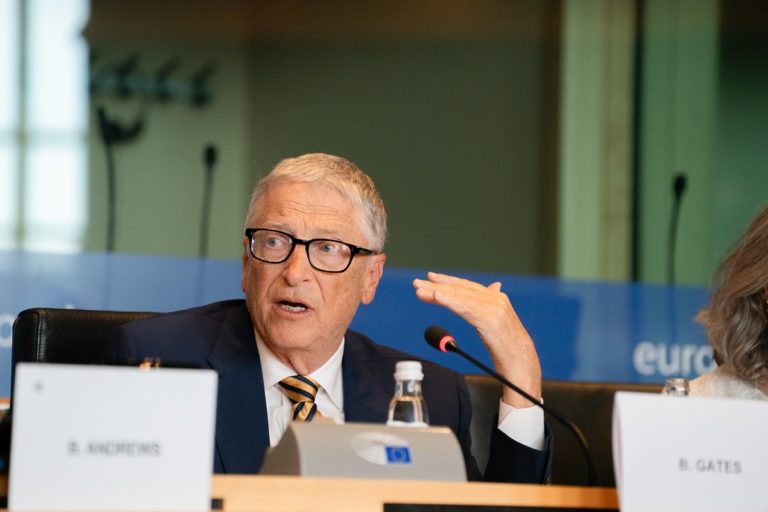
Artificial intelligence has already proven transformative in biology. It has helped researchers model protein structures, accelerate vaccine development, and analyze massive datasets that would overwhelm human teams. During health crises, these capabilities can save lives.
The same tools, however, can theoretically be repurposed. AI systems that explain how viruses function can also explain how they might be altered. Algorithms designed to optimize chemical reactions could be misused to explore harmful compounds. The technology itself is neutral; the intent behind its use is what determines its impact.
This dual-use dilemma is not unique to AI, but AI intensifies it by scaling expertise. Where once knowledge was gated by years of education, AI can compress learning curves dramatically.
Why Bioterrorism Is a Unique and Frightening Risk
Unlike conventional weapons, biological threats are invisible, slow-moving, and difficult to trace. An outbreak may not immediately appear intentional, delaying response and increasing damage. Gates has long argued that the world is underprepared for pandemics, a view reinforced by recent global experience.
AI’s potential role in this space raises concerns because it could assist in designing pathogens that are harder to detect or control. Even without malicious intent, accidental misuse could have devastating consequences if safeguards are insufficient.
What makes this threat particularly alarming is not just its lethality, but its unpredictability. A single incident could cascade into global disruption, overwhelming healthcare systems and eroding public trust.
Lowering Barriers, Expanding Risk
One of Gates’ central points is that AI democratizes capability. This democratization is often praised when it empowers small teams and individuals to innovate. But it also means fewer obstacles for those with harmful intentions.
In the past, biological expertise was concentrated in institutions with oversight and accountability. AI changes that distribution by making advanced knowledge more accessible. While most users will never seek to cause harm, the small fraction who do could wield outsized influence.
This is not about panic, Gates stresses, but about realism. Ignoring the possibility does not reduce the risk—it increases it.
The Regulatory Gap and Global Coordination Problem
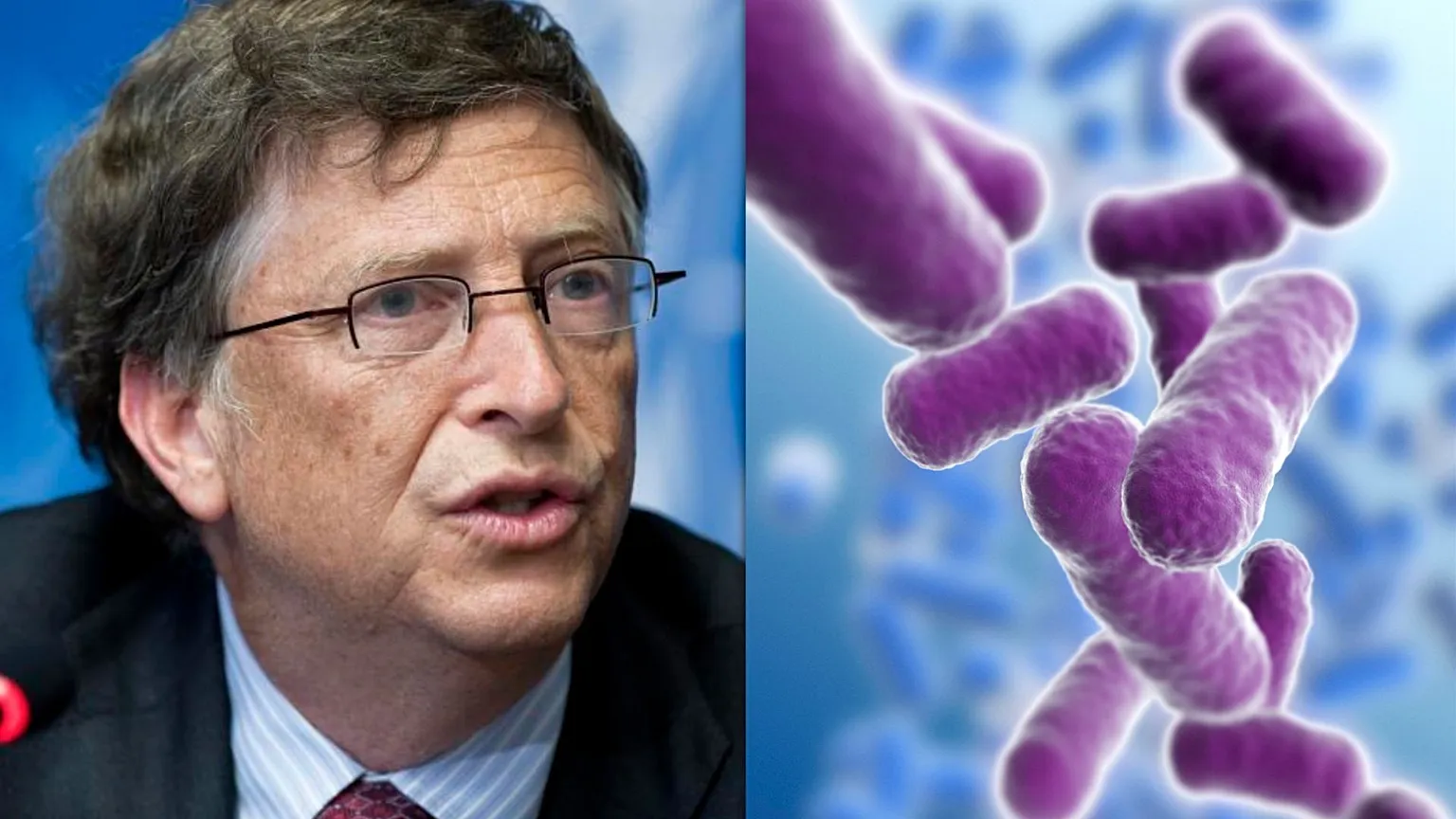
A recurring challenge in AI governance is speed. Technology evolves rapidly, while laws and international agreements move slowly. Gates has warned that without proactive frameworks, society will remain reactive, responding only after harm occurs.
Biological risks are inherently global. A pathogen does not respect borders, and neither does digital knowledge. This makes unilateral regulation insufficient. Gates argues for international cooperation, shared standards, and early-warning systems that treat AI-enabled bio-risk as a collective responsibility.
Without coordination, gaps will remain—gaps that bad actors could exploit.
Why This Is Not an Anti-AI Argument
Despite the seriousness of his warning, Gates remains a strong advocate for AI’s positive potential. He has repeatedly highlighted its role in improving healthcare, education, and productivity, particularly in underserved regions.
The concern is not AI itself, but unmanaged AI. Gates draws a distinction between fear-driven rejection and responsible stewardship. Just as society learned to regulate nuclear technology without abandoning energy production, he believes AI can be governed without halting innovation.
The challenge lies in balancing openness with safety—a balance that becomes harder as models grow more powerful.
Lessons from Past Technological Revolutions
History offers sobering parallels. Every major technological leap—from industrial machinery to the internet—has produced both progress and harm. Often, safeguards lag behind adoption, leading to periods of instability.
AI may compress that cycle. Its ability to self-improve, adapt, and operate at scale accelerates both its benefits and its risks. Gates’ warning can be seen as an attempt to shorten the lag between innovation and responsibility.
Ignoring lessons from the past, he suggests, would be a costly mistake.
What Safeguards Might Look Like
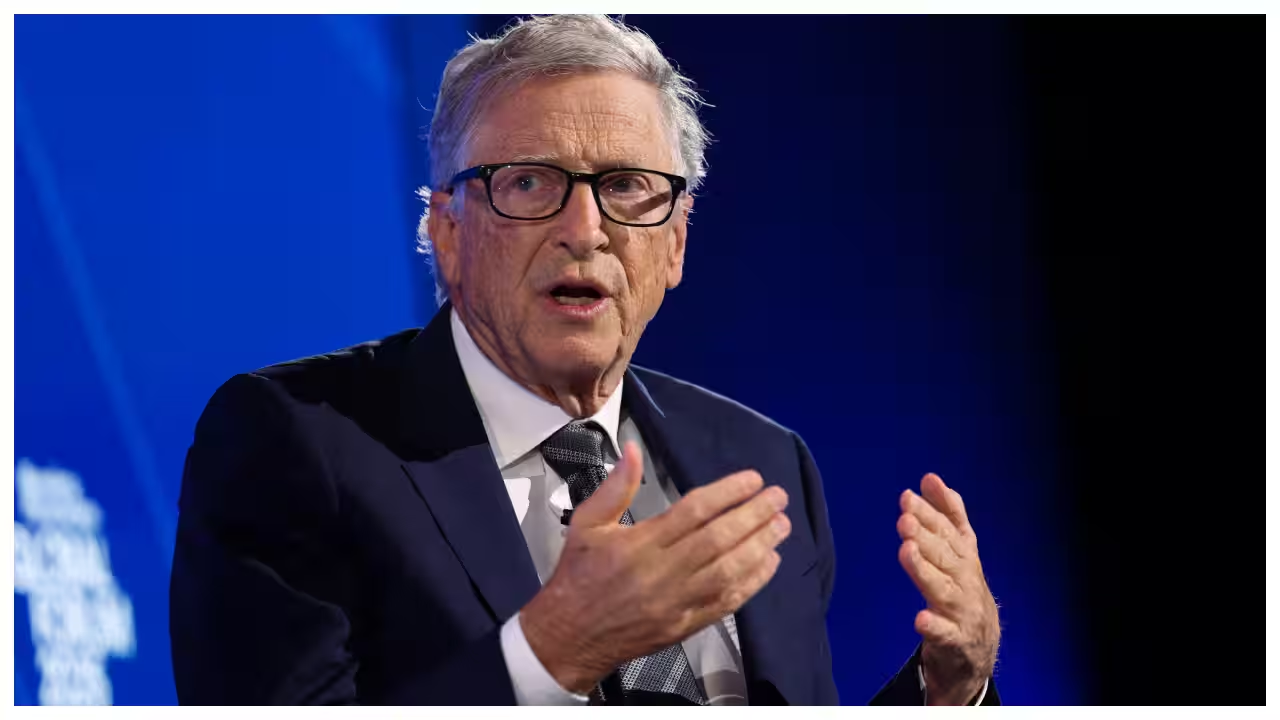
Experts point to several possible mitigation strategies: restricted access to sensitive biological information, monitoring of AI outputs related to high-risk domains, and stronger collaboration between tech companies and public health authorities.
Gates has emphasized that no single solution will suffice. Technical safeguards must be paired with education, ethical standards, and rapid-response infrastructure. Transparency and accountability will be critical, particularly as AI systems become more autonomous.
Importantly, safeguards must evolve alongside the technology, not trail behind it.
The Ethical Question Beneath the Technology
Beyond regulation lies a deeper ethical issue: how much power should any tool place in individual hands? AI challenges traditional assumptions about expertise, authority, and responsibility.
Gates’ warning implicitly asks whether society is prepared for a world where knowledge itself can be weaponized at scale. The answer, he suggests, is not yet.
This is not just a technical debate, but a moral one—about trust, responsibility, and collective action.
Public Awareness and the Role of Conversation
One reason Gates speaks openly about these risks is to encourage informed discussion. Silence, he believes, breeds complacency. Public understanding can shape policy priorities and encourage responsible development.
AI risk discussions often swing between hype and dismissal. Gates’ approach aims for a middle ground—acknowledging extraordinary promise while confronting uncomfortable realities.
The goal is not fear, but preparedness.
What This Warning Means for the Future
If Gates is right, the future of AI will depend not just on engineers, but on policymakers, educators, and global institutions. Decisions made today could determine whether AI becomes a net force for resilience or vulnerability.
Bioterrorism may represent the most extreme risk, but it is also the clearest illustration of AI’s power to reshape threat landscapes. How society responds will set precedents for handling other emerging dangers.
The window for proactive action is narrowing, but it has not yet closed.
A Moment That Demands Attention, Not Panic
Bill Gates’ warning is not a prediction of doom, but a call to maturity. Artificial intelligence is no longer a distant experiment; it is an infrastructure technology shaping how knowledge flows and decisions are made.
With that power comes responsibility. Whether the world rises to meet it will determine not just the future of AI, but the resilience of global systems that depend on trust, cooperation, and foresight.