

When reports surfaced alleging that the United States had deployed a sonic weapon against Venezuelan troops, the reaction was immediate and intense. The claim, shared publicly by political figures and echoed across international media, suggested not just a covert military tactic, but a possible glimpse into a new and unsettling era of warfare. While U.S. officials have strongly denied the accusation, the mere suggestion has ignited debate far beyond the borders of Venezuela.
At stake is more than a single incident. The allegation touches on fears that advanced, invisible weapons—once the domain of speculation—may already be shaping conflicts in ways the public barely understands. Sonic or directed-energy weapons, if proven to have been used, would represent a shift in how force is applied, concealed, and justified.
What follows is not merely an examination of one claim, but an exploration of why such accusations resonate so deeply, what sonic weapons are believed to be capable of, and how modern conflict is evolving faster than international norms can keep up.
Table of Contents
- The Claim That Sparked Global Attention
- What Are Sonic Weapons and Why Do They Alarm People?
- Why Venezuela Became the Focus of the Allegation
- Historical Precedents That Feed Suspicion
- The Science Behind the Speculation
- Information Warfare and the Role of Narrative
- Why Denials Don’t Always End the Debate
- International Law and the Gray Zone of New Weapons
- Public Fear and the Power of the Unknown
- The Broader Context of Modern Warfare
- Why Evidence Matters More Than Ever
- What This Allegation Signals About the Future
- A Moment That Demands Caution, Not Panic
The Claim That Sparked Global Attention
The controversy began when reports alleged that Venezuelan troops experienced sudden physical distress during confrontations, symptoms described as disorientation, nausea, and intense discomfort—effects some have associated with sonic or directed-energy weapons. Political figures amplified these claims, asserting that the United States had tested or deployed such technology during operations linked to Venezuela.
Supporters of the allegation argue that the symptoms align with known effects of certain acoustic or microwave-based systems. Critics counter that these descriptions are vague, unverified, and easily attributed to other causes, including environmental stress or misinformation.
The U.S. government has categorically denied using any sonic weapon against Venezuelan forces, calling the claims unfounded and politically motivated. Yet denial alone has not quieted speculation.
What Are Sonic Weapons and Why Do They Alarm People?
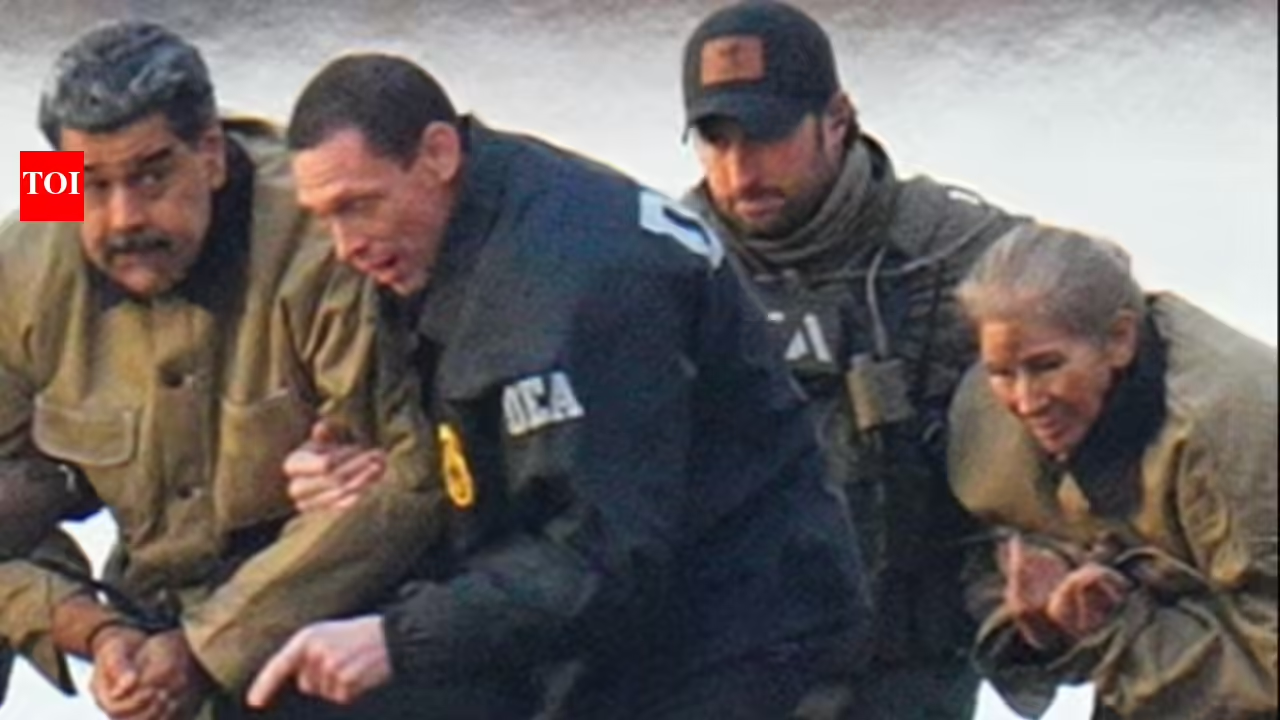
Sonic weapons, often grouped under the broader category of directed-energy weapons, are designed to use sound waves or electromagnetic energy to incapacitate rather than kill. Some systems, such as long-range acoustic devices, are known to exist and are used primarily for crowd control or maritime defense.
What alarms critics is not the existence of these technologies, but the secrecy surrounding their capabilities. Unlike conventional weapons, sonic systems can operate invisibly, leaving little physical evidence. Their effects may be temporary or long-lasting, and attribution can be difficult.
This ambiguity fuels fear. If harm occurs without visible cause, accountability becomes harder to establish, opening the door to denial and escalation.
Why Venezuela Became the Focus of the Allegation
Venezuela has long been a flashpoint in geopolitical tensions involving the United States. Economic sanctions, political pressure, and allegations of covert interference have shaped relations for years. Against this backdrop, claims of experimental weapon use find fertile ground.
For Venezuelan officials and allies, the accusation reinforces narratives of foreign aggression. For critics of the Venezuelan government, it raises concerns about disinformation being used to deflect internal issues.
The claim’s power lies not only in its content, but in its timing—emerging amid heightened global anxiety about advanced weapons and unconventional warfare.
Historical Precedents That Feed Suspicion
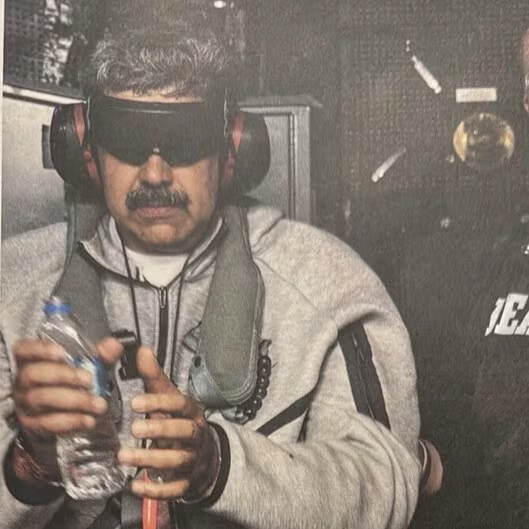
Public concern over sonic weapons is not new. Past incidents involving unexplained illnesses among diplomats and intelligence personnel have already primed audiences to believe such technologies could exist and be misused.
Those earlier cases, often debated and never conclusively explained, created a lingering sense that something unseen may be at work in modern conflicts. Each new allegation taps into that unresolved tension.
Even without definitive proof, history has shown that perception alone can influence international relations.
The Science Behind the Speculation
Experts note that while acoustic and microwave technologies can cause discomfort, reliably weaponizing them at a distance—especially in open environments—poses significant technical challenges. Energy disperses, conditions vary, and precise targeting is difficult.
This scientific skepticism underpins many rebuttals of the claim. Critics argue that the described effects lack specificity and that no credible evidence has been presented to confirm deployment.
Yet science also evolves. Technologies once deemed impractical have become routine within decades. That uncertainty keeps the debate alive.
Information Warfare and the Role of Narrative
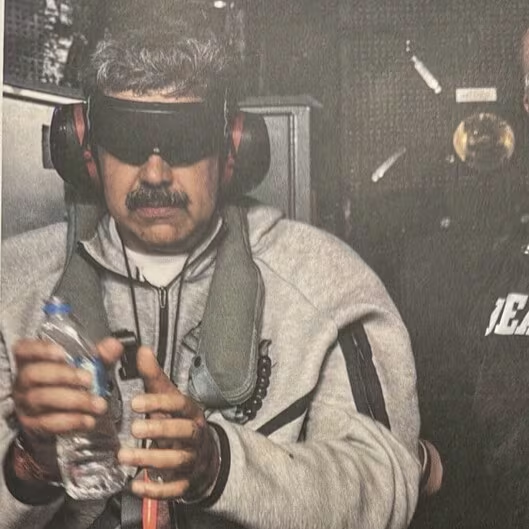
Modern conflicts are fought not only with weapons, but with stories. Allegations of exotic weapon use can shape public opinion, influence allies, and pressure adversaries without a single shot being fired.
Analysts suggest that even false claims can achieve strategic goals by sowing doubt and mistrust. In this sense, the sonic weapon allegation may function as much as a psychological tool as a factual assertion.
Understanding this dynamic is essential when evaluating such reports.
Why Denials Don’t Always End the Debate
Official denials, while necessary, rarely satisfy critics who distrust institutions. In an age of leaked documents and historical deception, skepticism runs deep.
For many observers, the absence of transparency fuels suspicion. Without independent verification, competing narratives coexist, each reinforced by its own sources and biases.
This environment makes it increasingly difficult to establish shared truths.
International Law and the Gray Zone of New Weapons
If sonic weapons were ever proven to be used offensively, international law would face difficult questions. Existing frameworks were built around kinetic weapons—guns, bombs, missiles—not invisible energy systems.
Legal scholars warn that emerging technologies risk outpacing regulation, creating gray zones where accountability is unclear. Even the allegation of misuse highlights the urgency of updating norms before crises escalate.
The Venezuelan claim, regardless of its accuracy, underscores this regulatory gap.
Public Fear and the Power of the Unknown
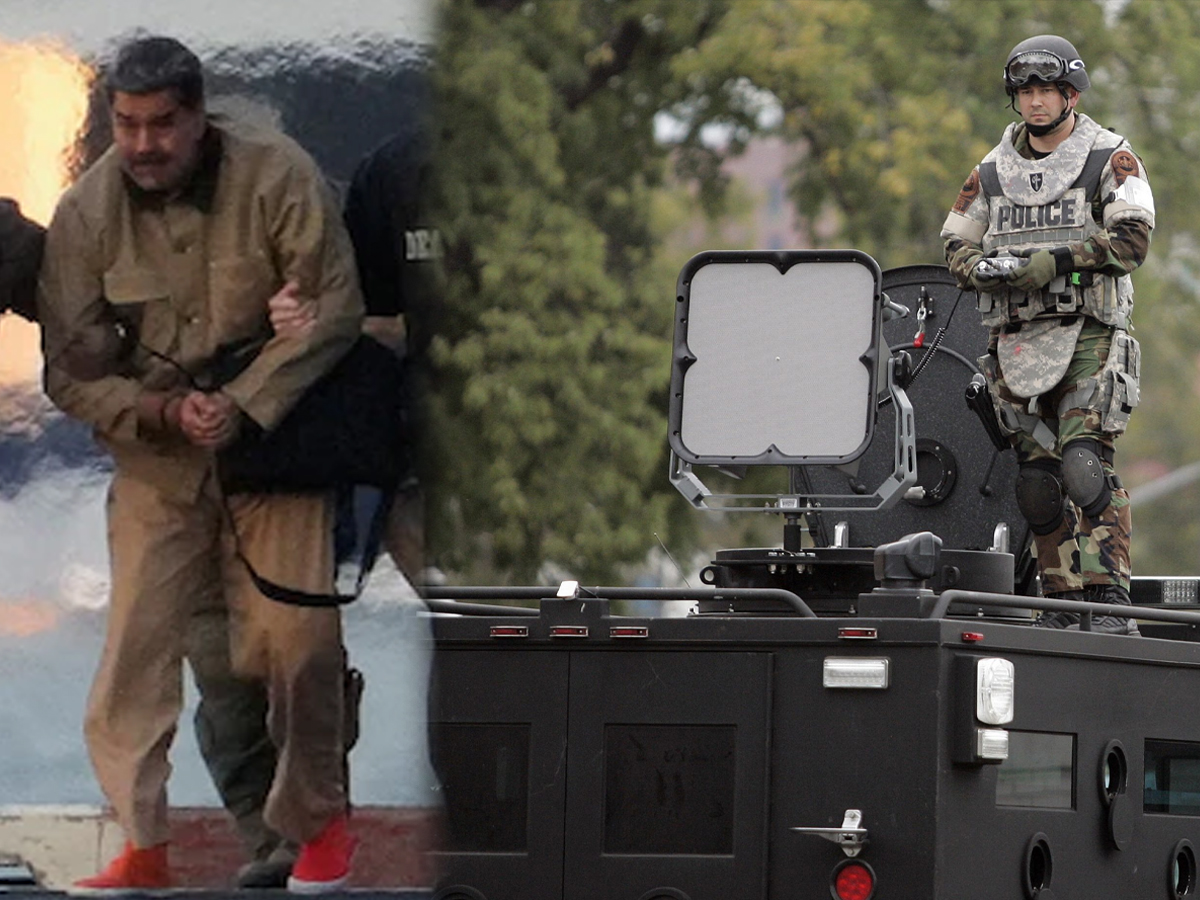
What unsettles people most about sonic weapon allegations is not just potential harm, but uncertainty. Invisible threats challenge deeply held assumptions about safety and control.
When people cannot see or hear danger, imagination fills the gap. This emotional response amplifies the impact of such stories, spreading fear faster than facts can catch up.
In this way, the narrative itself becomes a force multiplier.
The Broader Context of Modern Warfare
Military strategy increasingly emphasizes non-kinetic tools—cyber operations, electronic warfare, and psychological tactics. Sonic weapon claims fit within this broader shift away from overt force.
Whether or not the allegation is true, it reflects how warfare is evolving: quieter, more ambiguous, and harder to attribute.
This evolution complicates deterrence and raises the risk of miscalculation.
Why Evidence Matters More Than Ever
In a world saturated with information, evidence remains the dividing line between accountability and chaos. Independent investigations, transparent reporting, and scientific rigor are essential to prevent escalation based on rumor.
So far, no publicly available proof has substantiated the claim against the United States. That absence does not automatically disprove it—but it does place the burden of credibility squarely on those making the accusation.
Without evidence, the claim remains a warning, not a verdict.
What This Allegation Signals About the Future
The sonic weapon controversy reveals how easily modern anxieties can converge into explosive narratives. Advanced technology, geopolitical rivalry, and public mistrust form a volatile mix.
As new weapons emerge—real or imagined—society will need stronger mechanisms to verify claims and hold actors accountable. Otherwise, perception may become as destabilizing as reality.
The challenge is not only technological, but institutional.
A Moment That Demands Caution, Not Panic
Claims of sonic weapon use should be taken seriously—but not uncritically. History teaches that fear can escalate conflicts as surely as weapons themselves.
The Venezuelan allegation serves as a reminder that the future of warfare may be shaped as much by information as by force. How governments, media, and the public respond will influence whether suspicion leads to dialogue—or disaster.