
Table of Contents
- When a Color Became Part of a Life-Saving Strategy
- Japan’s Suicide Crisis and the Challenge of Prevention
- The Psychological Science Behind Blue Light
- How Blue Lights Were Introduced on Train Platforms
- What the Data Revealed After Installation
- The Power of a Cognitive Pause
- Reducing Sensory Overload in Urban Spaces
- Cultural Context and Silent Support
- Expanding the Idea Beyond Train Stations
- What This Quiet Intervention Means for the Future
When a Color Became Part of a Life-Saving Strategy
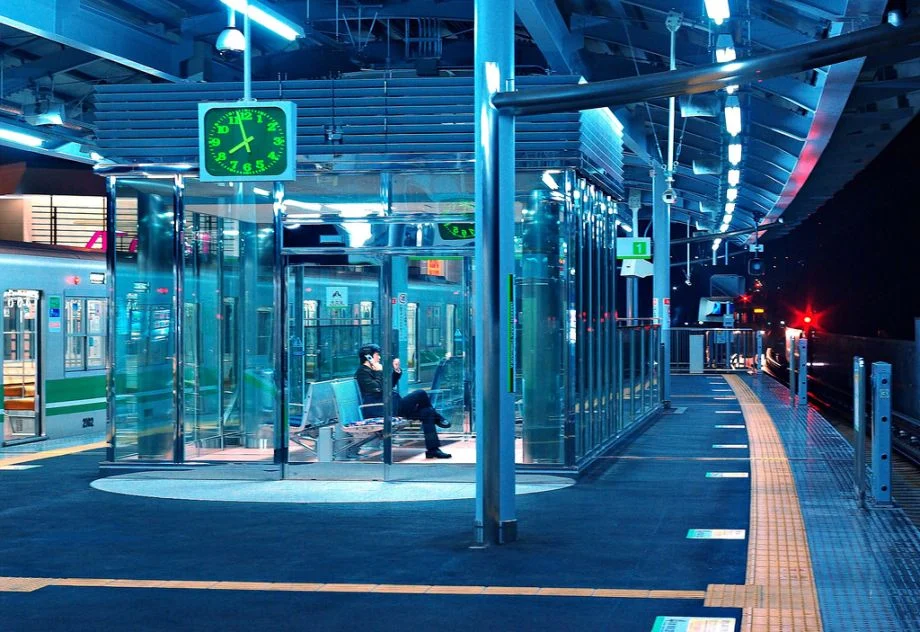
When commuters arrive at train platforms across Tokyo late at night, few realize that the lighting above them is part of a carefully considered mental health intervention. The soft blue glow that illuminates the ends of many platforms blends seamlessly into the city’s transit system, almost invisible in its ordinariness. Yet this subtle design choice emerged from a pressing national concern: Japan’s long-standing struggle with suicide, particularly in urban railway environments where moments of crisis can turn fatal in seconds.
For decades, train platforms have been among the most common locations for suicide attempts in Japan. These incidents affect not only the individuals involved but also train drivers, passengers, station staff, and entire transit networks. Delays cascade through cities, while psychological trauma lingers long after the trains resume service. As officials searched for solutions, they began to consider whether the environment itself could intervene before tragedy occurs.
Japan’s Suicide Crisis and the Challenge of Prevention
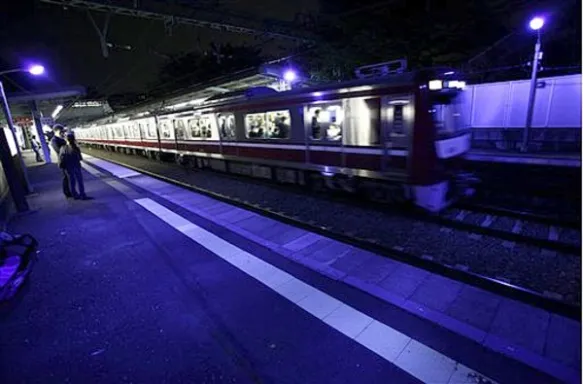
Japan’s suicide rate has fluctuated over the years, shaped by economic downturns, work culture pressures, aging demographics, and social isolation. Despite public awareness campaigns and expanded mental health resources, suicide prevention has remained a complex challenge. Many individuals experience distress silently, avoiding visible requests for help due to stigma or fear of burdening others.
Train stations, especially late at night, concentrate many of these pressures into a single space. Fatigue, loneliness, and overwhelming thoughts converge in environments designed primarily for efficiency rather than emotional safety. Traditional preventive measures such as warning signs or emergency hotlines often fail to reach individuals during moments of acute distress, when rational thought narrows and impulses dominate.
The Psychological Science Behind Blue Light
The decision to introduce blue lighting was grounded in research from environmental and color psychology. Blue light has consistently been associated with calming effects on the human nervous system. Studies suggest that blue tones can reduce heart rate, lower blood pressure, and create a sensation of calmness and mental clarity.
Unlike harsh white or yellow lighting, which can heighten alertness and stress, blue light produces a softer visual field. In high-stress environments, this subtle shift may reduce emotional arousal just enough to interrupt harmful thought patterns. The intervention does not attempt to confront despair directly; instead, it aims to gently reshape the emotional tone of the space.
How Blue Lights Were Introduced on Train Platforms
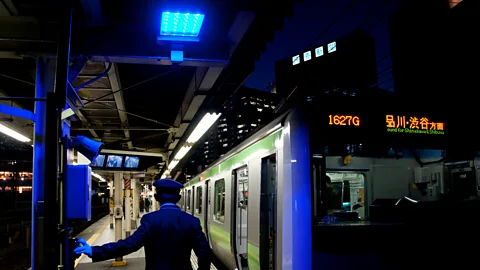
Japanese railway companies began installing blue LED lights at the ends of platforms in the late 2000s, particularly at stations with a history of suicide incidents. The lights were deliberately understated, avoiding the appearance of warnings or emergency signals. Their placement was strategic, focusing on areas where individuals might be most vulnerable.
Rather than advertising the purpose of the lights, operators allowed them to exist quietly as part of the station’s infrastructure. This design choice ensured that commuters would not feel surveilled or judged. The goal was not to force awareness, but to allow the environment itself to provide a subtle emotional buffer.
What the Data Revealed After Installation
As researchers examined suicide rates before and after the installation of blue lights, a striking pattern emerged. Stations equipped with blue lighting experienced a significant reduction in suicide incidents, with some reporting declines of up to 80 percent. While results varied by location, the overall trend suggested that the intervention was more than coincidental.
Although blue lighting was implemented alongside other measures, the consistency of the reduction across multiple sites drew international attention. The findings suggested that environmental changes, even simple ones, could influence decision-making during moments of crisis.
The Power of a Cognitive Pause
One of the most widely accepted explanations for the effectiveness of blue lights is the concept of a cognitive pause. Suicidal behavior is often impulsive, driven by intense emotional distress rather than long-term intent. Blue lighting may slow cognitive processing just enough to disrupt this momentum.
That moment of hesitation can be critical. It may allow intrusive thoughts to lose urgency, enabling individuals to step back, move away from danger, or wait until the emotional surge subsides. The intervention does not remove pain, but it may prevent irreversible action during a fleeting moment of crisis.
Reducing Sensory Overload in Urban Spaces
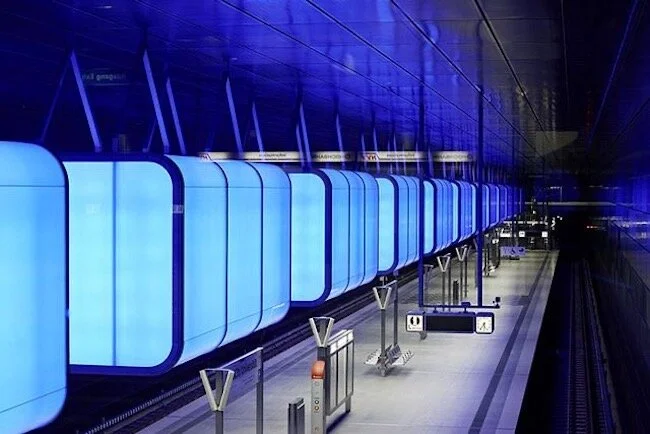
Modern train stations are designed for speed and efficiency, often filled with bright lights, loud announcements, and constant movement. For individuals already overwhelmed, this sensory overload can amplify distress. Blue lighting softens the visual environment, making the space feel calmer and less aggressive.
By reducing sensory stress, blue lights may lower emotional intensity without requiring conscious engagement. The individual does not need to interpret a message or make a decision to seek help; the environment itself becomes less triggering.
Cultural Context and Silent Support
Japan’s cultural landscape plays a significant role in the success of this approach. In a society where openly discussing mental health struggles can be difficult, indirect support may be more effective than explicit interventions. Blue lights do not single anyone out or demand vulnerability. They offer calm without confrontation.
This silent form of support aligns with a broader philosophy of designing systems that care for individuals discreetly. It respects privacy while still offering protection, allowing people to experience relief without feeling exposed.
Expanding the Idea Beyond Train Stations
The success of blue lighting on train platforms has prompted broader discussions about the role of environmental design in mental health. Urban planners and public health experts have begun exploring how lighting, layout, and atmosphere influence emotional well-being in other spaces such as hospitals, schools, workplaces, and public housing.
While blue lighting alone is not a universal solution, it demonstrates how thoughtful design can complement traditional mental health strategies. Prevention does not always require direct intervention; sometimes it begins with creating environments that reduce harm before it arises.
What This Quiet Intervention Means for the Future
Japan’s blue train lights offer a powerful lesson in prevention through compassion. They remind us that small, almost invisible changes can have profound effects on human behavior. Most commuters will never know that the light above them has saved lives, yet its impact continues quietly, night after night.
As cities around the world confront growing mental health challenges, the question is no longer whether environment matters, but whether societies are willing to design spaces with emotional well-being in mind. Japan’s experience suggests that even the gentlest interventions can help people choose life—often without ever realizing why.