
Table of Contents
- Changing the Landscape of School Lunches
- A Pilot Program Making a Difference
- West Virginia’s Whole Ingredient Revolution
- D.C. Schools and the Farm-to-School Movement
- A Nationwide Focus on Improving School Lunches
- Government Support and Future Initiatives
- The Impact of Healthier School Meals
- Looking to the Future
- Conclusion
Changing the Landscape of School Lunches
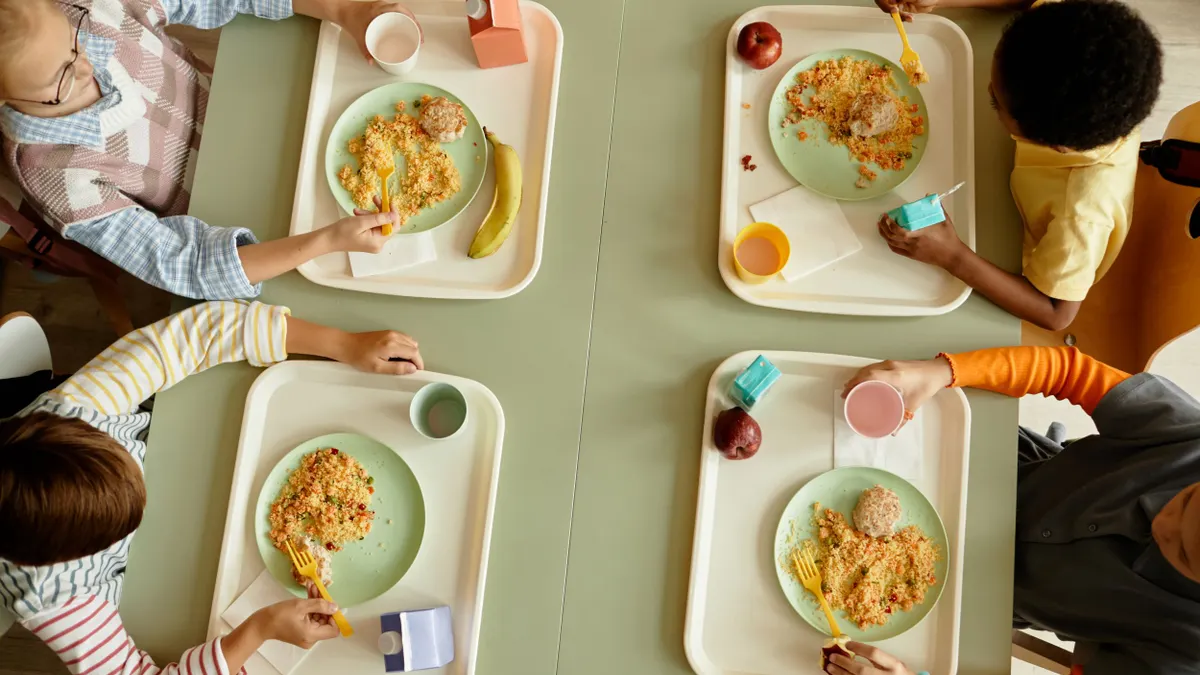
The initiative to reduce processed foods in public school cafeterias comes as part of a broader national movement aimed at tackling childhood obesity and promoting healthier lifestyles. With increasing awareness of the long-term effects of poor dietary habits, many schools are making substantial changes in their approach to school meals. Gone are the days of greasy fast-food-style meals served on styrofoam trays. Instead, schools are focusing on local, fresh produce and whole foods, often sourced directly from farms or community gardens.
In schools across the country, including Illinois, West Virginia, and Washington D.C., fresh fruits and vegetables have started to replace the typical processed options. This shift is not just about improving nutrition but also about engaging students in the process of healthy eating and fostering a culture of sustainability.
A Pilot Program Making a Difference

One of the most notable examples of this trend is a pilot program in Alton, Illinois, where students are introduced to a different fruit or vegetable each day. Thanks to a grant from the Produce for Better Health Foundation, this program gives elementary school students the opportunity to sample fresh produce in its whole, unprocessed state. The results have been nothing short of remarkable: students have shown reduced consumption of high-fat and high-calorie foods, increased intake of fruits and vegetables, better attention spans, fewer discipline issues, and fewer visits to the school nurse.
This simple yet effective initiative has garnered attention nationwide for its success in making healthy eating more accessible to young students. By introducing children to a variety of fruits and vegetables, the program aims to break the cycle of unhealthy eating and provide kids with the tools to make better food choices for life.
West Virginia’s Whole Ingredient Revolution
Similarly, in West Virginia, school districts are overhauling their cafeteria menus to focus on fresh, whole ingredients. This shift was partly inspired by celebrity chef Jamie Oliver’s visit to Huntington in 2009, where he introduced local school staff to healthier menu planning. With support from a local hospital and state programs, the district has worked to provide more nutritious meals by replacing processed ingredients with fresh, locally sourced options.
West Virginia’s efforts have been praised for not only improving the quality of school lunches but also for increasing students’ engagement with their food. The goal is to create a more mindful and intentional approach to eating, one that emphasizes the importance of local agriculture and sustainable practices.
D.C. Schools and the Farm-to-School Movement
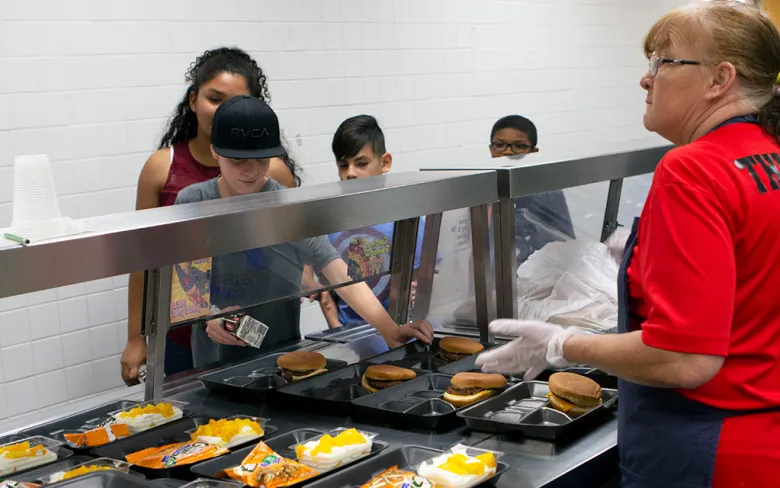
Washington D.C. has also embraced the farm-to-school movement, with 12 elementary schools participating in a program that serves fresh produce grown within 100 miles of the city. This initiative allows students to experience the benefits of eating locally grown food while also supporting regional farmers. D.C. students are now eating fresh fruits and vegetables two to three times a week during the fall and spring and at least once a week in the winter.
By offering fresh, local produce, D.C. schools aim to instill healthy eating habits in their students while also promoting sustainability. This model demonstrates the potential for urban areas to integrate local food systems into public school meal programs, benefiting both students and the community at large.
A Nationwide Focus on Improving School Lunches
The trend toward eliminating processed foods and increasing the presence of fresh, local produce in school cafeterias is not limited to a few isolated programs. Across the United States, there is growing recognition of the need to improve school lunches. The focus is not only on nutrition but also on the broader implications of food choices on student health and academic performance.
With rising rates of childhood obesity and related health issues, the need for reform in school cafeterias is more urgent than ever. Experts have long argued that the quality of food served in schools has a direct impact on student well-being, behavior, and academic success. In response, policymakers and school districts are rethinking the traditional cafeteria model and striving to make nutritious meals more accessible to all students.
Government Support and Future Initiatives

The federal government is also stepping up to support healthier school meal initiatives. In 2010, President Obama and First Lady Michelle Obama launched the Healthy, Hunger-Free Kids Act, which aimed to improve the nutritional quality of school meals. This act included provisions to increase the amount of fruits and vegetables served in school cafeterias and set stricter standards for calories, fat, and sodium content in school meals.
Additionally, the Child Nutrition Act, which reauthorizes federal funding for school meal programs, has become a focal point for lawmakers seeking to improve the quality of food served to children. In 2010, the act allocated millions of dollars to help schools purchase salad bars and upgrade cafeteria equipment to accommodate fresh food preparation.
These efforts have sparked significant changes in how schools approach meal planning, with many schools now prioritizing fresh, whole ingredients over processed foods. The growing emphasis on nutritious school meals is a positive step toward ensuring that all students have access to healthy food options that support their learning and development.
The Impact of Healthier School Meals
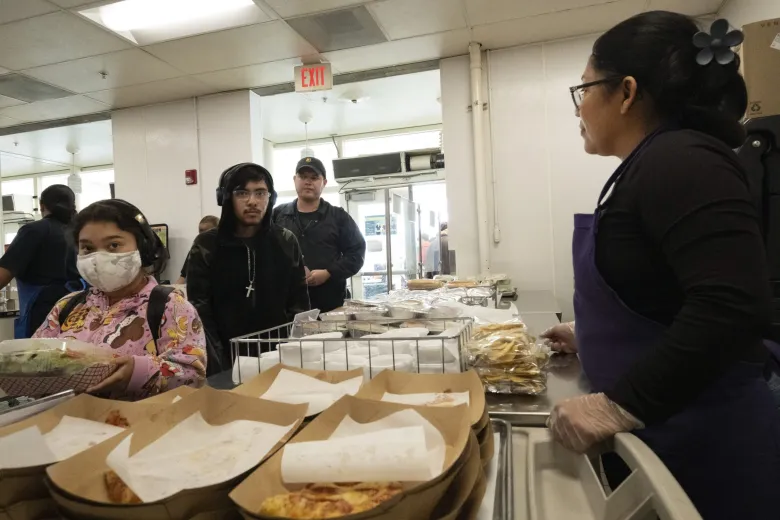
The impact of eliminating processed foods and introducing fresh, whole foods in public schools goes far beyond nutrition. Studies have shown that children who eat healthier meals perform better academically, exhibit improved behavior, and experience fewer health issues. With better food choices, students are more likely to stay focused in class, maintain energy levels throughout the day, and develop healthier eating habits that will benefit them throughout their lives.
Furthermore, these initiatives are helping to raise awareness about the importance of nutrition in schools and fostering a broader cultural shift toward healthier eating habits. As students learn about where their food comes from and how it affects their bodies, they are empowered to make better choices not only at school but also at home.
Looking to the Future
The trend toward eliminating processed foods in public schools is still in its early stages, but it holds tremendous potential for creating lasting change. As more schools adopt healthier menus and involve students in the process of food selection, there is hope that these changes will continue to spread across the country. With the support of educators, parents, and policymakers, the vision of healthier, more sustainable school cafeterias is becoming a reality.
As we move forward, it is clear that the future of school meals lies in fresh, whole foods. The shift away from processed foods is not just about improving nutrition; it’s about giving students the tools they need to make informed choices about their health and well-being for years to come.
Conclusion
The push to eliminate processed foods in public school cafeterias represents a vital step forward in ensuring that all students have access to the nutritious meals they need to thrive. Through initiatives like the ones in Illinois, West Virginia, and Washington D.C., schools are leading the way in fostering healthier eating habits and promoting a culture of sustainability. As these trends continue to grow, there is hope that all students will one day have access to fresh, locally sourced meals that support both their health and their future.