
Table of Contents
Trump’s Greenland Proposal: A History of Controversy
The idea of the United States purchasing Greenland was first floated by President Trump during his tenure, sparking immediate controversy both domestically and abroad. Trump’s interest in acquiring Greenland was based largely on its strategic location and natural resources. The idea of buying the island, which is an autonomous territory of Denmark, was initially dismissed as a joke by some, but Trump’s repeated comments about the purchase raised eyebrows and led to a public diplomatic incident.
In 2019, Trump confirmed his interest in Greenland, suggesting that its natural resources and location would make it a valuable asset for the United States. However, the idea was met with strong resistance from both Denmark and Greenland’s leadership, leading to a diplomatic crisis when Trump’s administration attempted to broker the deal. The incident ended with Trump canceling a planned state visit to Denmark, further deepening tensions between the United States and its NATO ally.
Despite the backlash, Trump’s interest in Greenland did not subside, and rumors of a possible military invasion have been circulating. While the idea of an invasion is seen as extreme, some of Trump’s statements and actions have led Republicans to fear that his ambitions may once again push him into dangerous territory.
The GOP’s Growing Concerns
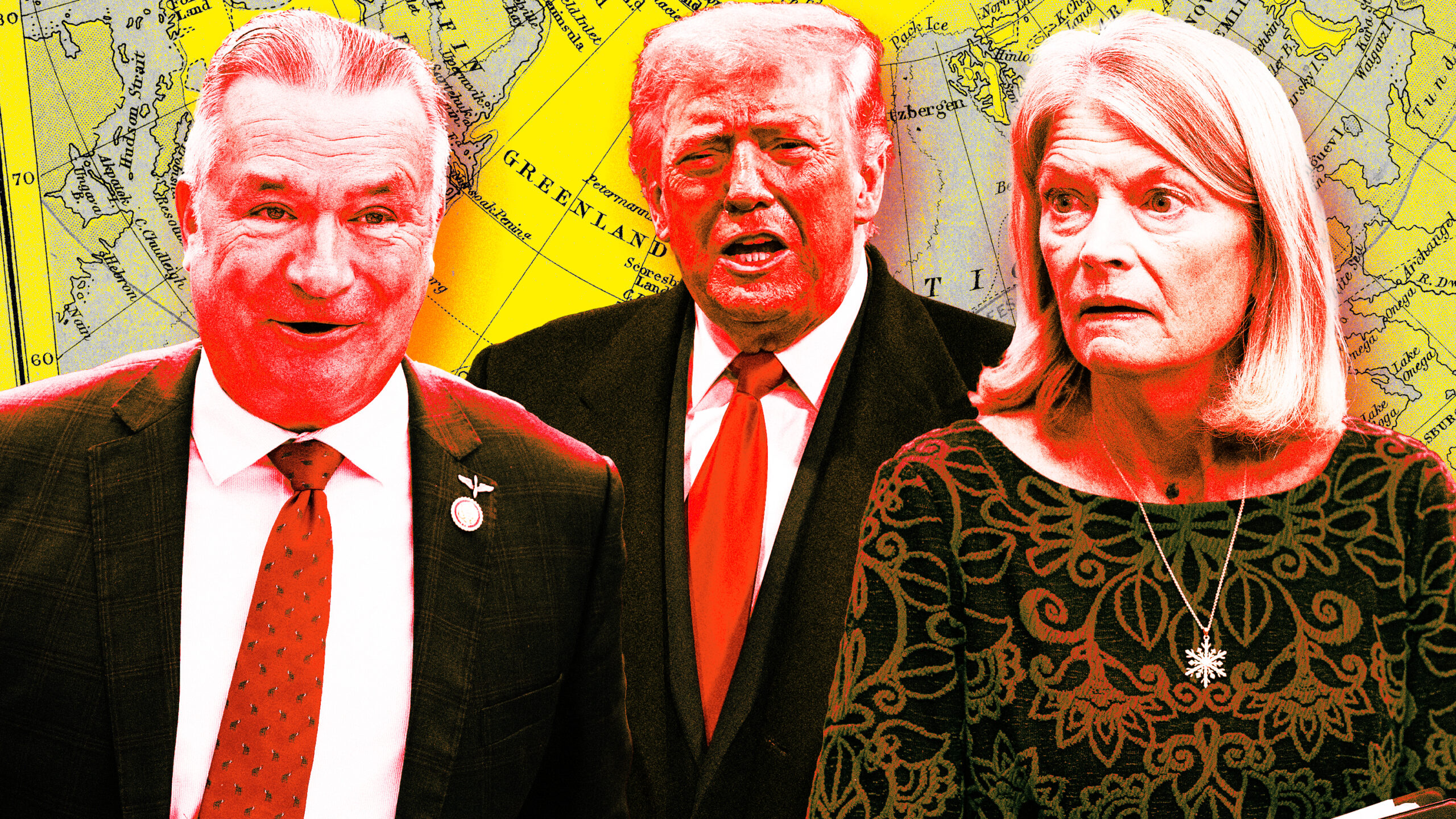
Senior Republicans, particularly those who have long supported Trump’s foreign policy agenda, are now expressing concerns about the long-term implications of his interest in Greenland. They fear that any attempt to militarily intervene in the region would have disastrous consequences for both the United States and Trump’s presidency.
Senator Mitch McConnell and other high-ranking Republicans have reportedly warned Trump privately that such a move could effectively end his presidency. According to insiders, the GOP leadership is deeply concerned about the possibility of escalating tensions with Denmark and other European nations, which could result in a significant loss of international credibility for the United States. Republican leaders are also worried about the political fallout of such a move, fearing it could alienate moderate voters and lead to an international backlash that would harm the GOP’s chances in future elections.
The threat of an invasion of Greenland is seen by many as a reflection of Trump’s unpredictable approach to international relations. His desire to assert American power and influence, while often popular with his base, has raised alarms about his long-term political strategy. For many Republicans, the idea of a military intervention in Greenland is seen as an overreach that would irrevocably damage Trump’s political future and the Republican Party’s reputation.
Global Reactions: NATO and Denmark’s Response
The global response to Trump’s Greenland ambitions has been swift and critical. Denmark, which has jurisdiction over Greenland, rejected the idea of a U.S. purchase outright, with Prime Minister Mette Frederiksen calling it “absurd.” Denmark’s strong stance against the proposal led to a rare diplomatic standoff with the United States, with Trump canceling his state visit to Denmark in response to the public rebuke.
NATO officials have also expressed concerns about the potential fallout from Trump’s provocative rhetoric and actions. The alliance, which has historically relied on cooperation between Western powers, could face deep fractures if the U.S. were to act unilaterally in Greenland. The European Union, too, has shown unease, with officials warning that any military aggression in the Arctic could destabilize the region and lead to geopolitical tensions with Russia and other Arctic nations.
As Trump continues to make waves with his foreign policy, his unorthodox approach to diplomacy has left many allies questioning the reliability of the United States as a partner. For Republicans, the prospect of a military invasion of Greenland is a point of contention, with some fearing that it could lead to a broader breakdown in transatlantic relations and isolate the U.S. on the world stage.
Republican Leaders Push Back

Amidst these concerns, many Republican leaders are pushing for a return to a more traditional conservative foreign policy that prioritizes diplomacy and multilateralism over unilateral action. These Republicans argue that Trump’s reckless approach to international relations could jeopardize the long-term interests of the United States and its allies.
Senator Lindsey Graham, a long-time ally of Trump, has urged the president to reconsider his aggressive rhetoric and focus on strengthening America’s relationships with its NATO partners. Graham, along with other senior Republicans, has emphasized the need for a balanced approach to foreign policy that upholds American values while maintaining strong alliances in Europe and the broader global community.
The growing divide within the GOP reflects a broader shift in the party’s approach to foreign policy, with many Republicans now advocating for a more measured and pragmatic approach. These leaders argue that Trump’s confrontational style could backfire, weakening the United States’ position in global affairs and damaging the credibility of the Republican Party.
Public Opinion
Public opinion on Trump’s foreign policy has been divided, with many Americans expressing concern over his erratic approach to international relations. While Trump’s supporters tend to applaud his “America First” rhetoric, critics argue that his impulsive decisions could have dangerous consequences for national security and global stability.
A recent poll indicated that a majority of Americans oppose the idea of a military invasion of Greenland, with many seeing it as an unnecessary and reckless move. The poll also revealed that a significant portion of Trump’s former supporters, particularly those in key swing states, are now questioning his ability to handle international crises.
This shift in public opinion is a major concern for Republicans, who are gearing up for the 2024 election. With a growing number of voters expressing doubts about Trump’s leadership, the party faces a difficult decision about whether to continue supporting his presidency or pivot toward a more moderate candidate who can unite the party and appeal to a broader electorate.
The Risk of Isolation
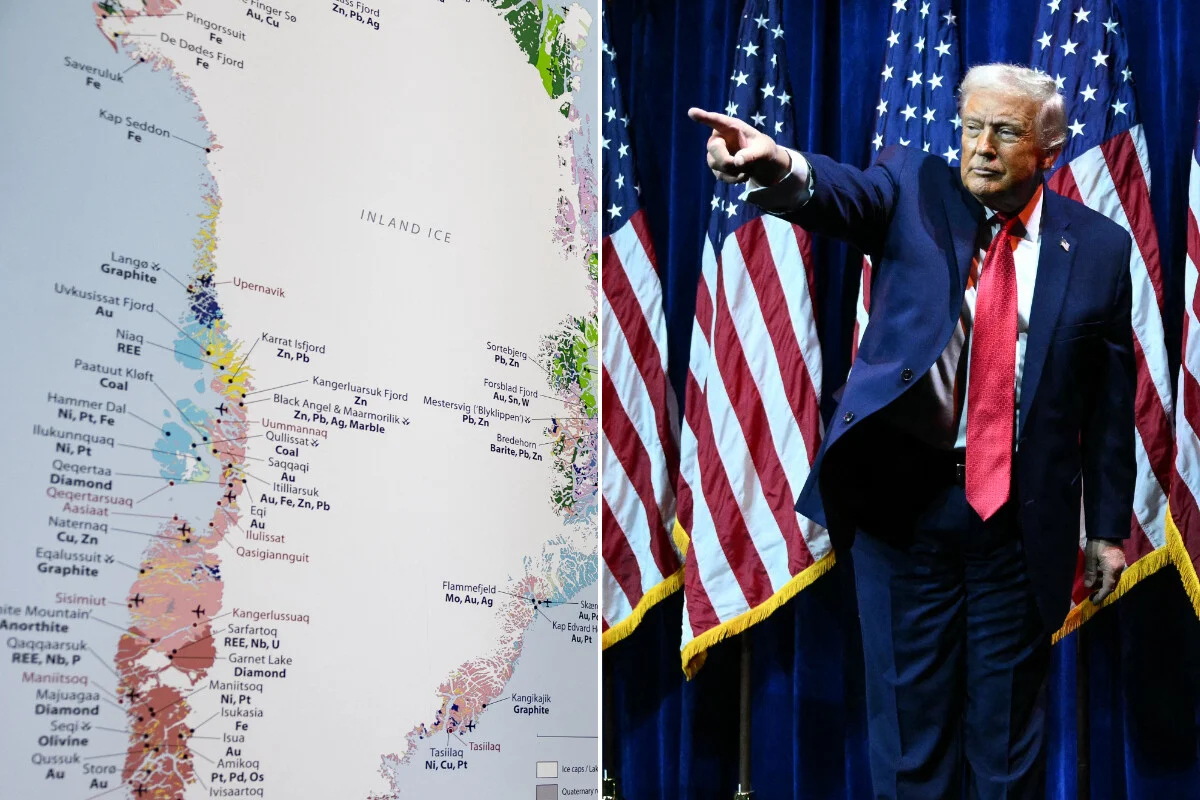
Trump’s rhetoric about Greenland is part of a larger pattern of isolationist foreign policy that has defined much of his tenure. The “America First” doctrine, while popular with many of his supporters, has led to strained relationships with key allies and a perception that the United States is retreating from its role as a global leader.
For Republicans, the challenge is to navigate this complex political landscape. While Trump’s base remains loyal, his foreign policy decisions have raised questions about America’s future in the global order. Senior Republicans are now facing the difficult task of balancing the desires of Trump’s supporters with the broader geopolitical realities of the 21st century.
Conclusion
As the debate over Trump’s potential Greenland gambit continues, the stakes have never been higher. Senior Republicans are warning that any move to invade Greenland could spell the end of Trump’s presidency, both in terms of his political future and the United States’ global standing. The fallout from such an aggressive move could isolate the U.S. from its allies and alienate a significant portion of the electorate.
For the GOP, the decision to support Trump’s foreign policy or move in a different direction will have profound consequences for the future of the party. With the 2024 election looming, the Republican Party must grapple with the legacy of Trump’s presidency and determine whether it can move beyond his divisive rhetoric or remain anchored to his brand of nationalism.