
Table of Contents
The Growing China-Iran Military Cooperation
The unconfirmed reports of the 16 Chinese military cargo aircraft landing in Iran on January 18, 2026, have been widely discussed in defense circles. Aviation experts noted that the aircraft appeared to operate with heightened secrecy, with several planes reportedly turning off their transponders as they approached Iranian airspace. Such actions are typical of covert military operations, sparking speculation that the cargo flights were carrying military supplies rather than civilian or humanitarian aid.
This alleged airlift coincides with ongoing unrest in Iran and heightened security restrictions. Some experts have suggested that China’s increasing involvement could be aimed at fortifying Iran’s military capabilities in the face of escalating tensions with Israel. The growing military and strategic partnership between Beijing and Tehran is becoming a central point of concern for Western powers, especially in light of Iran’s expanding nuclear ambitions.
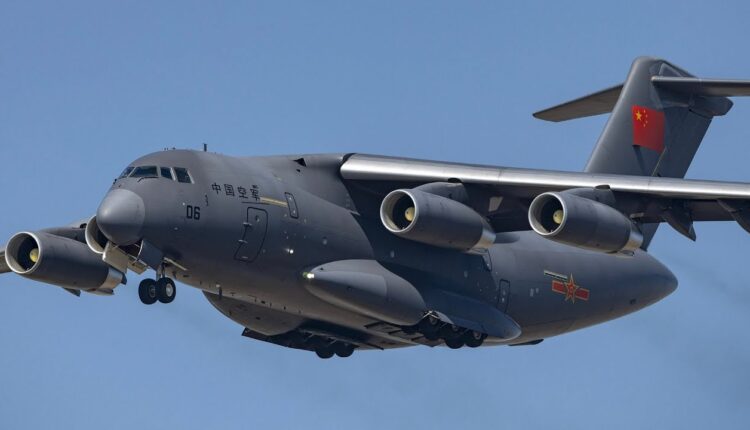
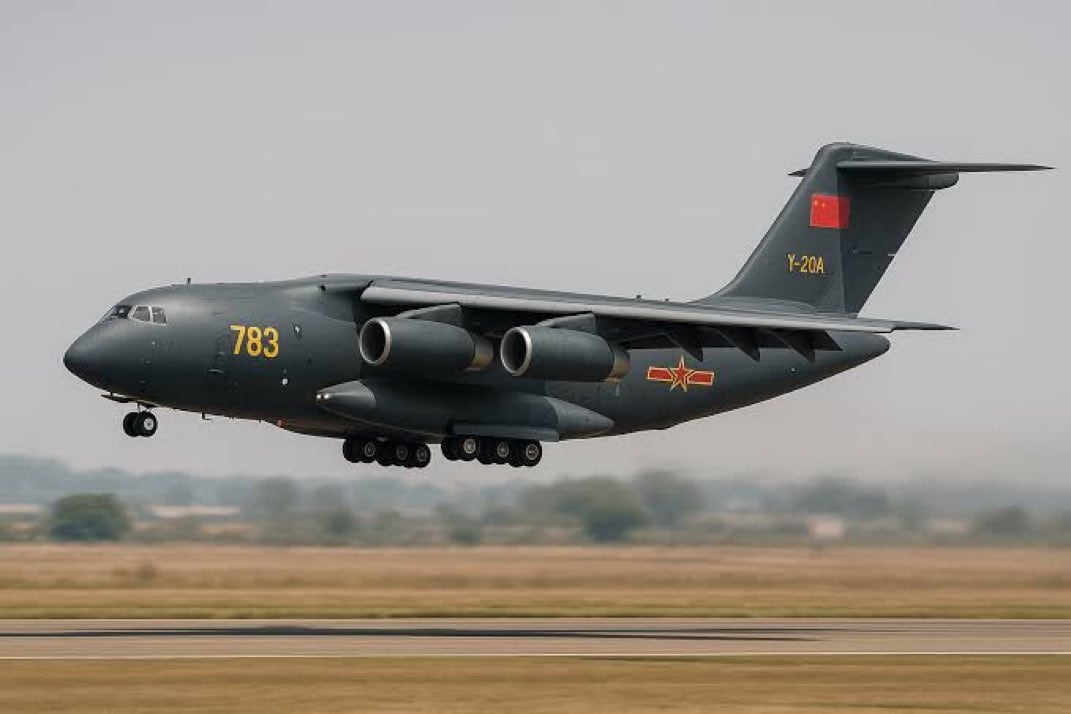
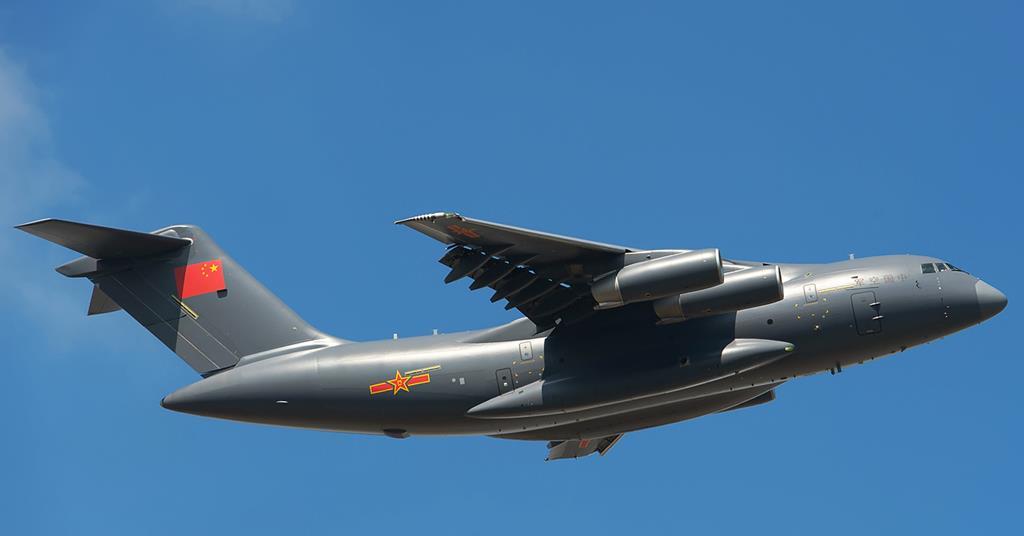
The involvement of China’s Y-20 military cargo aircraft—often seen as a symbol of China’s growing military logistics capabilities—further complicates the situation. With a payload capacity of 66 tons and the ability to cover vast distances without refueling, the Y-20 represents China’s ability to project military power far beyond its borders, marking a shift from regional power to a key global logistics player.
Israel’s Strategic Messaging
In response to the escalating reports of Chinese involvement, Israeli Prime Minister Benjamin Netanyahu issued a stark warning to Iran, stating, “If Iran makes a mistake and attacks us, we will respond with a force Iran has never experienced.” This statement underscores Israel’s concern over any external support that could bolster Iran’s military capabilities and limit Israel’s ability to operate freely in the region.
For Israel, any attempt to strengthen Iran’s defenses, especially through external support from a major power like China, is seen as a direct challenge to its security and freedom of military action. The possibility of China supplying advanced air defense systems, radar technology, and other military assets to Iran would complicate Israel’s strategic calculus, particularly in its ability to conduct airstrikes on Iranian targets or prevent the further proliferation of advanced weaponry in the region.
China’s Growing Military Influence
At the heart of the growing concern surrounding China’s actions in the region is the Y-20 strategic airlift aircraft. Known for its impressive range and heavy-lift capabilities, the Y-20 is a potent tool for projecting Chinese military power across vast distances. Reports of the Y-20’s involvement in the alleged airlift underscore Beijing’s ambition to expand its military logistics footprint beyond East Asia and into the Middle East.
With its ability to carry large payloads over long distances, the Y-20 can transport high-value military assets, such as advanced missile defense systems and electronic warfare equipment. The rapid deployment of such systems would dramatically enhance Iran’s defensive capabilities, providing it with a significant deterrent against Israeli airstrikes and potential U.S. intervention.
Analysts suggest that the timing of the airlift, coupled with China’s growing military footprint, could indicate a shift from opportunistic support to a more structured and strategic partnership between Beijing and Tehran. This move would mark a qualitative shift in China’s foreign policy, signaling that it is willing to challenge the U.S. and its allies in new theaters of conflict.
The Broader Implications
The strategic significance of China’s involvement in Iran cannot be overstated. Beijing’s growing alliance with Tehran is part of a broader geopolitical shift in the Middle East, where traditional power structures are being challenged by new alignments. The Russia-China-Iran bloc is emerging as a counter-hegemonic force, challenging the dominance of Western powers in the region and presenting a united front against U.S. influence.
This emerging alignment could have far-reaching consequences, not just for Iran and Israel, but for the entire Middle East. As China seeks to increase its influence through strategic partnerships and military logistics, it is positioning itself as a major player in the region’s security dynamics. This shift in alliances could lead to a more multipolar Middle East, where new powers like China and Russia play a significant role in shaping regional outcomes.
For Israel, the prospect of a strengthened Iran with Chinese support is a major concern. With the possibility of advanced Chinese-supplied weaponry bolstering Iran’s defenses, Israel may need to reconsider its military strategies and alliances in the region. The growing China-Iran military relationship is forcing Israel to adapt its defense posture, with the potential for increased tensions and a new era of military competition in the region.
The Information War: Disinformation and Strategic Signaling
In addition to the military and geopolitical implications, the reports surrounding the alleged airlift highlight the role of information warfare in modern conflicts. The lack of verifiable evidence and the use of open-source intelligence (OSINT) to track military movements reflect the growing role of information in shaping global perceptions and strategic decisions.
The strategic ambiguity surrounding the Chinese airlift could itself be a powerful tool for coercion. By creating uncertainty about the scale and nature of the operation, China and Iran can force adversaries to adjust their military planning based on worst-case scenarios. This use of ambiguity is a key component of modern geopolitical strategy, where the mere perception of a threat can be as impactful as the threat itself.
What Was Delivered? Strategic Military Assets and Electronic Warfare
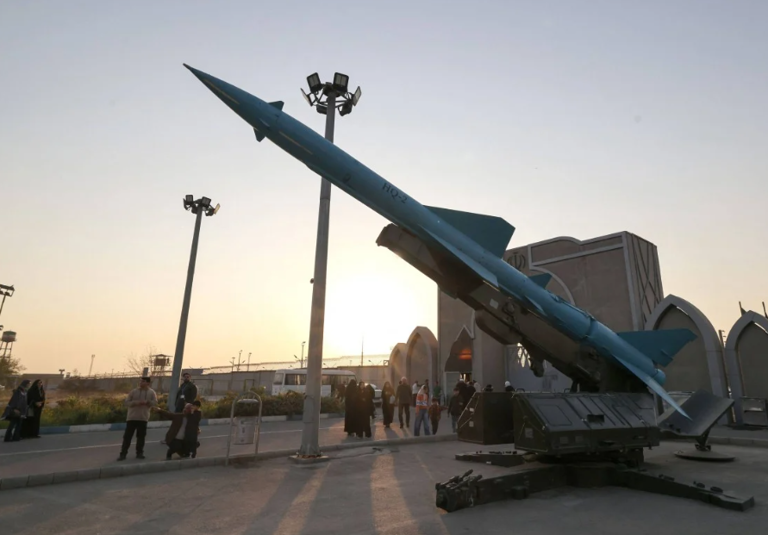
If the airlift reports are confirmed, the delivery of advanced military equipment would likely focus on bolstering Iran’s defensive capabilities. Analysts suggest that the cargo could include long-range surface-to-air missile systems, radar equipment, and electronic warfare tools—critical components for Iran’s ability to defend against Israeli and U.S. airstrikes.
China’s role in supplying these systems underscores its commitment to supporting Iran’s defense, despite international sanctions and pressure from Western powers. By enhancing Iran’s military capabilities, China is not only strengthening its ally in the region but also signaling its ability to project power and influence far beyond its borders.
The strategic implications of such deliveries extend well beyond Iran’s borders. The weapons and systems provided could shift the balance of power in the region, forcing Israel to rethink its defense strategies and potentially alter its operational timelines in the face of a more robust Iranian military.
Conclusion
The reports of 16 Chinese military cargo aircraft landing in Iran represent a significant escalation in the Middle Eastern geopolitical landscape. If verified, this airlift signals a qualitative shift in China’s role in the region, with the potential to reshape the dynamics of the Iran-Israel conflict. For Israel, the implications are clear: any strengthening of Iran’s defenses with Chinese support is a direct challenge to its strategic freedom in the region.
The growing China-Iran alliance is one of the most significant geopolitical developments in recent years, and its impact will be felt not only in the Middle East but also in global security calculations. As China continues to expand its military influence, the world will be watching closely to see how this new power dynamic unfolds.