

Table of Contents
Is Aluminum Foil Toxic?
When we think of everyday kitchen items, aluminum foil is probably one of the first to come to mind. Its versatility in wrapping food, lining baking sheets, and even grilling vegetables makes it an essential household tool. However, what if this seemingly harmless kitchen companion posed hidden health risks? Recent studies have raised concerns over the potential toxicity of aluminum foil. So, is aluminum foil toxic, and should you be concerned about using it in your cooking?
In this article, we’ll dive into the science behind aluminum foil’s potential health risks and the possible toxic effects of its use. From its interaction with food to the aluminum particles that could seep into your meal, we explore the issues you need to know. Let’s break down what you should understand about aluminum foil toxicity and how you can make safer choices.
The Chemistry of Aluminum Foil
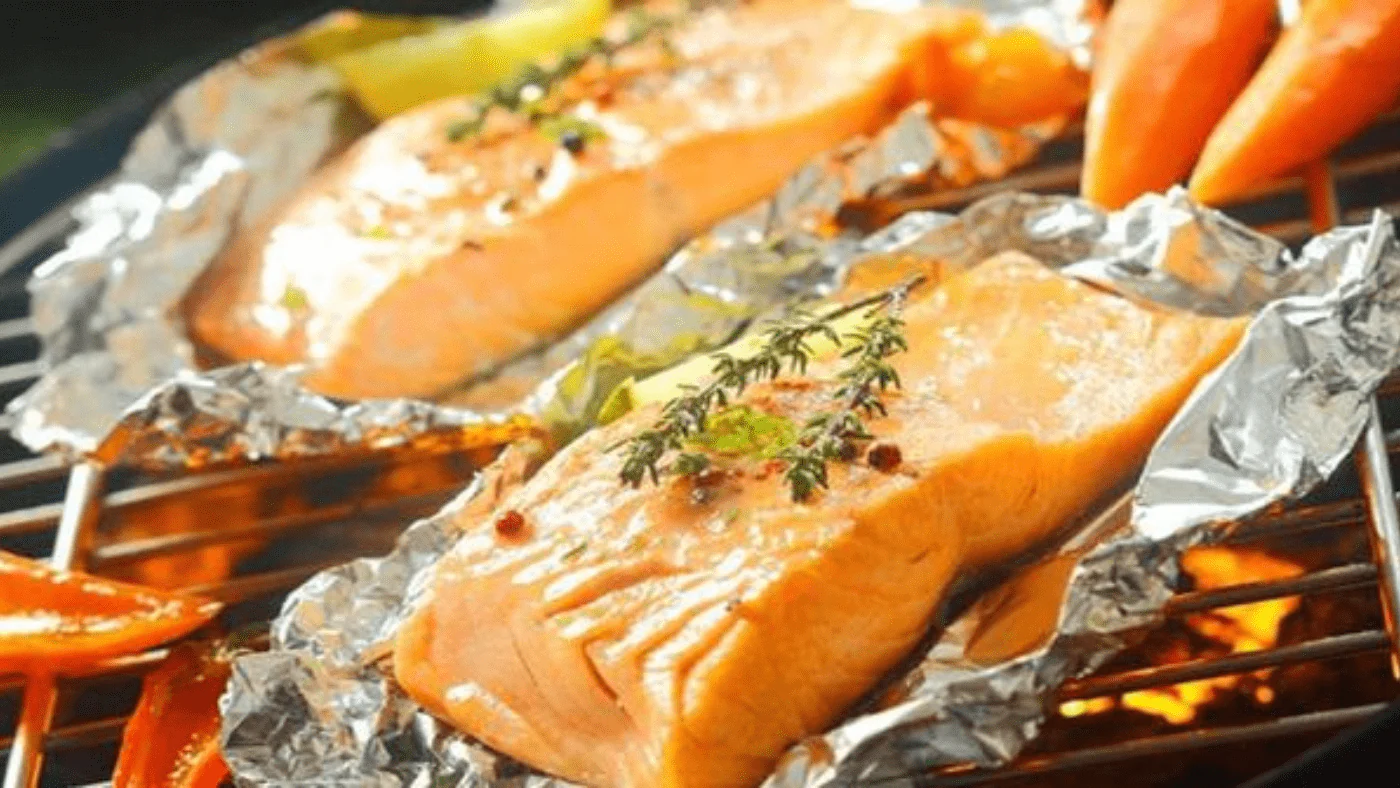
Aluminum foil is made from thin sheets of aluminum metal, a material known for its lightness and ability to conduct heat. While this makes it ideal for food storage and cooking, there’s an important question: what happens when aluminum foil is exposed to high heat?
When aluminum foil comes into contact with acidic or spicy foods and is heated, there’s a possibility of the aluminum reacting with these substances. The heat causes a chemical reaction, leading to the leaching of aluminum particles into your food. This process may increase the risk of aluminum accumulation in your body. Though small amounts of aluminum ingestion might not be harmful for most people, long-term exposure has been linked to various health concerns.
The Risk of Aluminum in Our Bodies
Aluminum is a naturally occurring element found in soil, water, and food. However, the body does not need aluminum, and it doesn’t metabolize the metal. When it enters the body, it accumulates in various tissues, potentially causing harm over time. Research suggests that high levels of aluminum in the body could be toxic, leading to neurological issues, kidney problems, and even contributing to conditions like Alzheimer’s disease. But how much aluminum can actually come from aluminum foil?
While the amount of aluminum that leaches into food from foil is minimal, studies suggest that frequent use—especially with acidic or salty foods—could increase the risk of exposure. This raises concerns about cumulative exposure over time. For those who use aluminum foil regularly in their cooking, the potential risks may warrant reconsideration.
The Link Between Aluminum and Neurodegenerative Diseases
One of the most alarming concerns surrounding aluminum exposure is its potential link to neurological disorders. Research has suggested a connection between high levels of aluminum in the brain and diseases like Alzheimer’s and Parkinson’s. While the exact cause of these diseases remains uncertain, the role of heavy metals like aluminum in their progression has been a topic of increasing interest.
Several studies have demonstrated that aluminum can accumulate in brain tissues, leading to damage to the blood-brain barrier, which could impair cognitive function. Though the exact correlation between aluminum foil use and neurodegenerative diseases is not definitive, it’s important to consider the potential long-term effects of frequent exposure.
Understanding the Toxicity of Aluminum
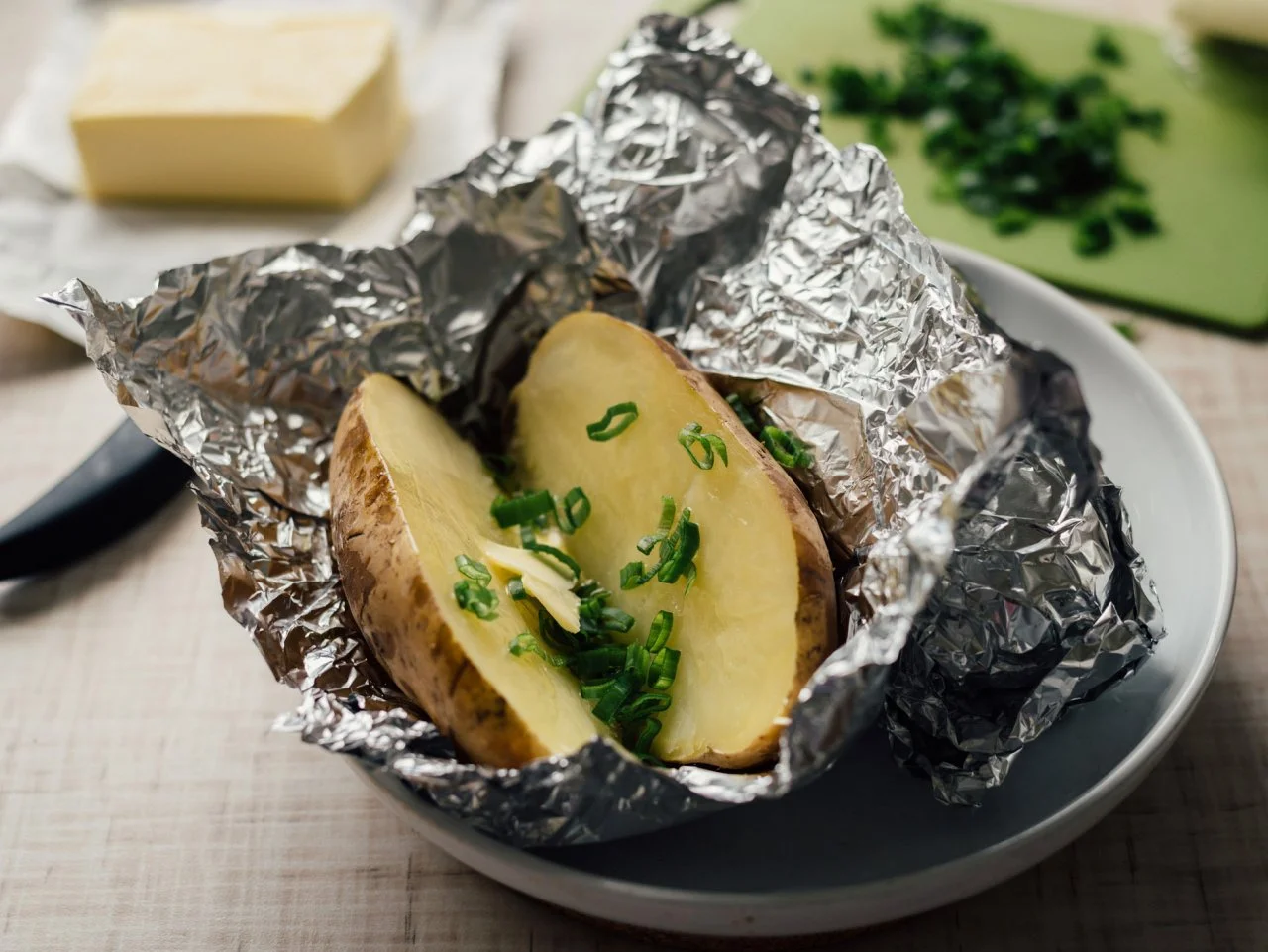
There’s no shortage of conflicting information when it comes to aluminum’s toxicity. Some claim that aluminum foil is perfectly safe and that the body can handle small amounts of aluminum. Others believe that even minimal exposure could have harmful effects on health. Let’s clear up some of the confusion:
Myth 1: Aluminum foil is completely safe for cooking.
While aluminum foil is safe for everyday use in moderation, repeated exposure to high heat, especially with acidic or salty foods, can cause it to break down and leach aluminum into your food. This increases the risk of toxicity.
Fact 1: The amount of aluminum leached into food is small, but the long-term effects can add up.
While a single meal cooked with aluminum foil might not cause significant harm, it’s the cumulative exposure over time that is most concerning.
Myth 2: Aluminum foil only poses a risk if ingested in large quantities.
Though consuming large amounts of aluminum foil is dangerous, even small amounts of aluminum exposure can build up in your body over time, potentially leading to health issues.
Are There Safer Alternatives to Aluminum Foil?
Given the potential risks, many people are looking for safer alternatives to aluminum foil in their kitchens. Fortunately, there are several options available that do not carry the same toxicity concerns. Let’s take a look at some popular alternatives:
- Parchment Paper:
Parchment paper is an excellent alternative to aluminum foil. It’s non-toxic, safe for cooking, and doesn’t leach harmful substances into your food. It’s ideal for baking, roasting, and even steaming. - Beeswax Wraps:
For food storage, beeswax wraps are a sustainable and safe alternative to aluminum foil. They’re reusable, biodegradable, and don’t contain any harmful chemicals. Beeswax wraps are a great option for wrapping fruits, vegetables, and sandwiches. - Glass Containers:
For storing leftovers, glass containers with airtight lids are an excellent alternative. They keep food fresh without the risk of chemical leaching and are microwave-safe. - Stainless Steel:
Stainless steel pans and cooking sheets are durable, easy to clean, and non-toxic. They don’t react with acidic foods, making them a safe choice for cooking.
How to Minimize Aluminum Exposure in Your Daily Life
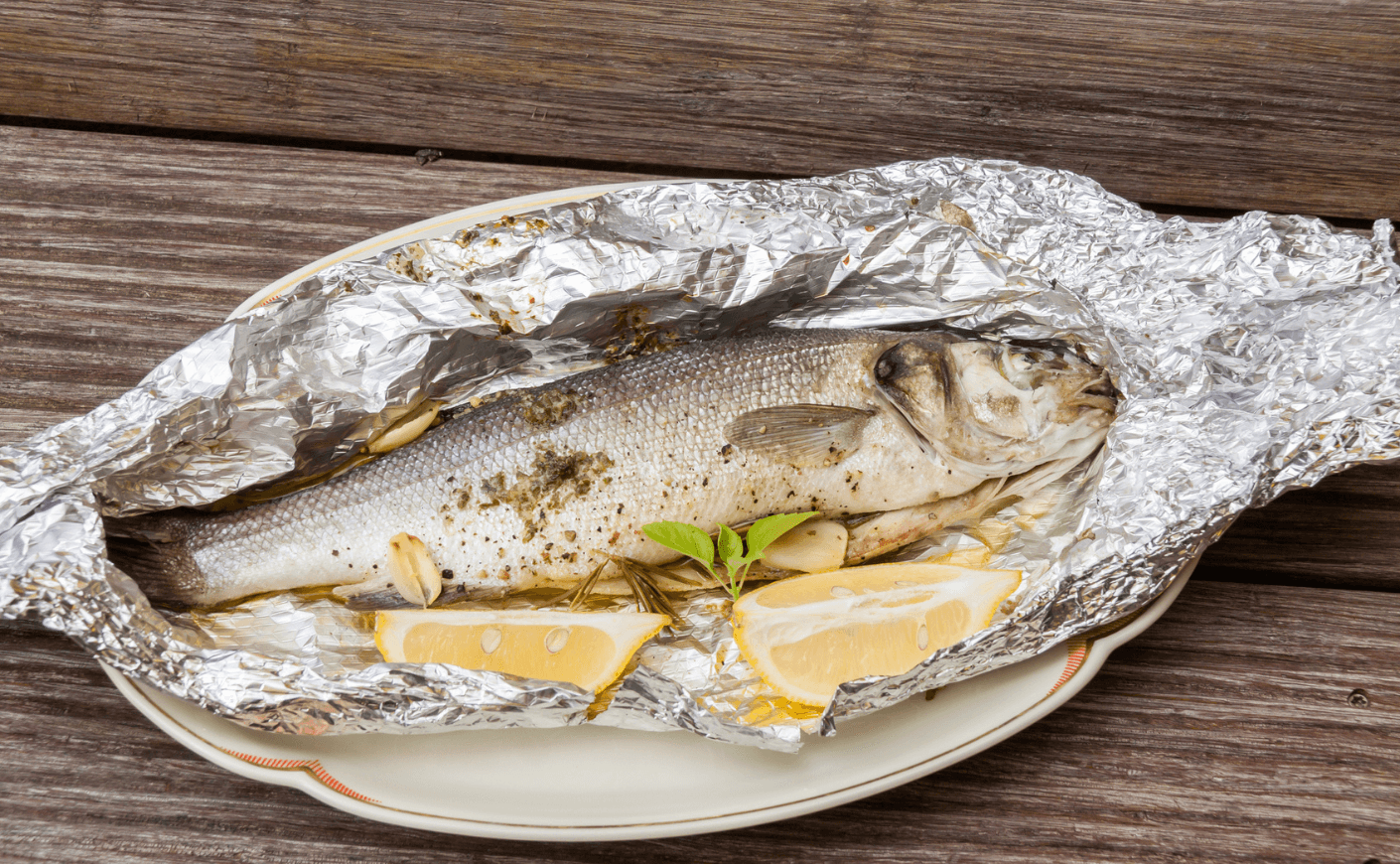
If you’re concerned about aluminum foil and want to reduce your exposure, here are some practical tips you can follow:
- Limit the use of aluminum foil for cooking: If possible, avoid wrapping acidic or salty foods in aluminum foil when cooking. Opt for alternatives like parchment paper or use glass cookware.
- Don’t use aluminum foil in the microwave: Always avoid using aluminum foil in the microwave, as it can cause sparks and fires.
- Store food in non-aluminum containers: For storing leftovers, switch to non-aluminum containers, such as glass or stainless steel, to reduce the risk of exposure.
- Use aluminum foil for minimal purposes: If you do use aluminum foil, try to limit its use to non-heated tasks, such as lining countertops or covering food in the refrigerator.
Conclusion
While aluminum foil is a useful kitchen tool, it’s essential to be aware of the potential health risks associated with its use, especially when exposed to high heat or acidic foods. Though more research is needed to fully understand the long-term effects of aluminum exposure, it’s wise to take precautions by limiting its use in cooking and exploring safer alternatives.
If you use aluminum foil frequently, consider switching to non-toxic alternatives like parchment paper, glass containers, or beeswax wraps to reduce your exposure. By being mindful of how you use aluminum foil, you can ensure that your kitchen practices are both safe and healthy.