
Table of Contents
A Revolutionary Leap in Personal Protection
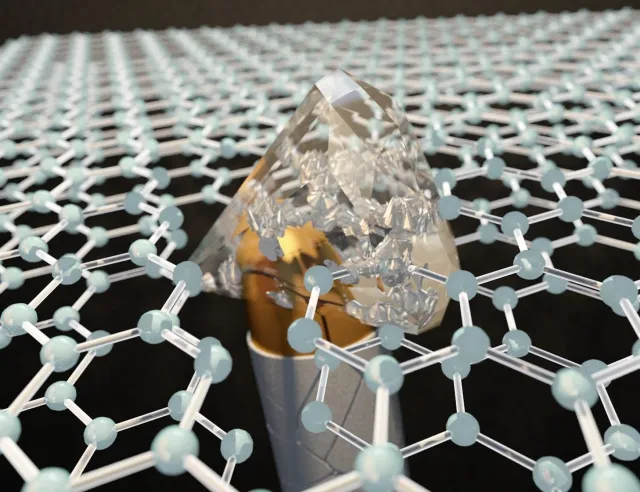
When news broke that scientists had developed Diamene, a new form of smart armor, the defense and safety industries took notice. Unlike traditional armor materials, Diamene is not only stronger than steel but is also incredibly light and flexible. This groundbreaking material has the potential to revolutionize how we think about personal protection. From soldiers to civilians, Diamene promises to offer enhanced safety without the heavy burdens of conventional armor. What follows is an exploration of Diamene’s unique properties, its applications, and the immense potential it holds for the future of protection.
The Creation of Diamene
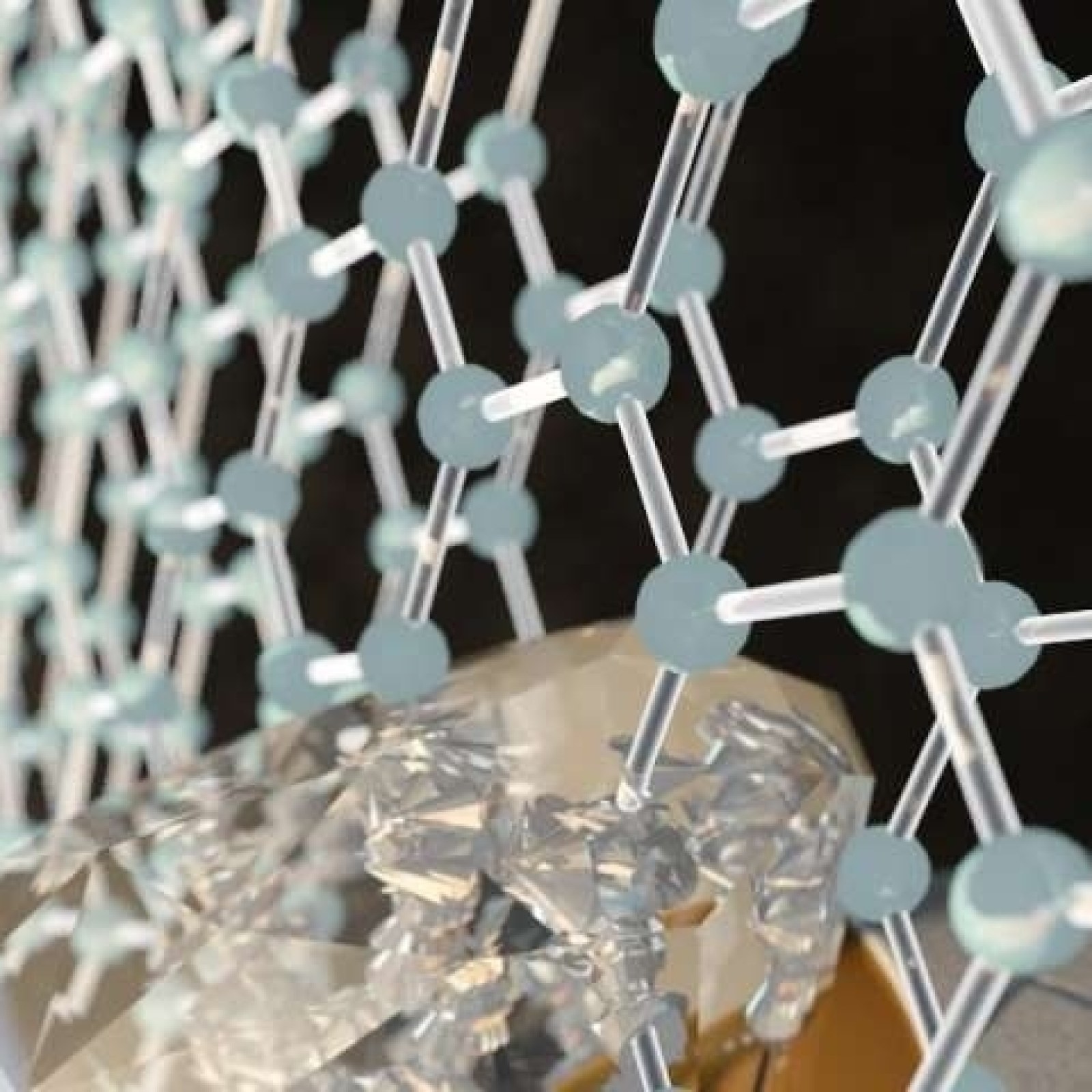
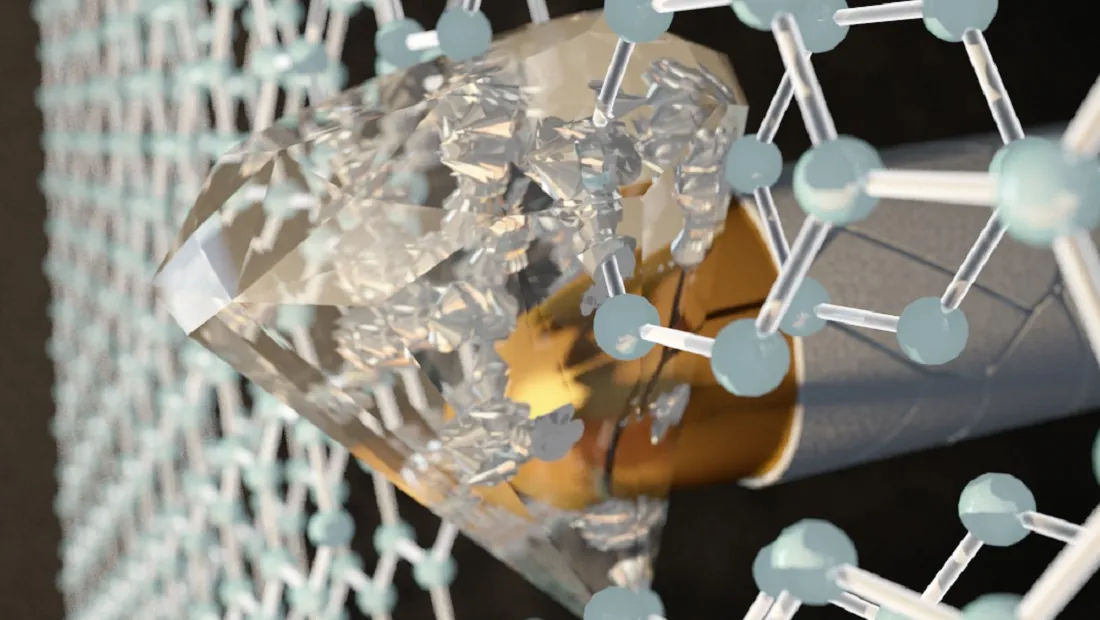
Diamene is a newly discovered material made from a single layer of carbon atoms, arranged in a lattice structure that is incredibly strong and highly resistant to impact. This structure is similar to graphene, but Diamene is designed to be more durable, flexible, and capable of withstanding extreme forces. Scientists have been working on perfecting the properties of this material for several years, and their efforts have culminated in a breakthrough that could change the future of defense, technology, and safety.
What sets Diamene apart from other materials is its combination of strength, lightness, and flexibility. Traditional armor, such as Kevlar or steel, can offer high levels of protection but often at the cost of mobility or comfort. Diamene, however, is incredibly thin and lightweight, offering the same (or even better) protection while maintaining a level of flexibility that allows wearers to move freely.
How Diamene Works
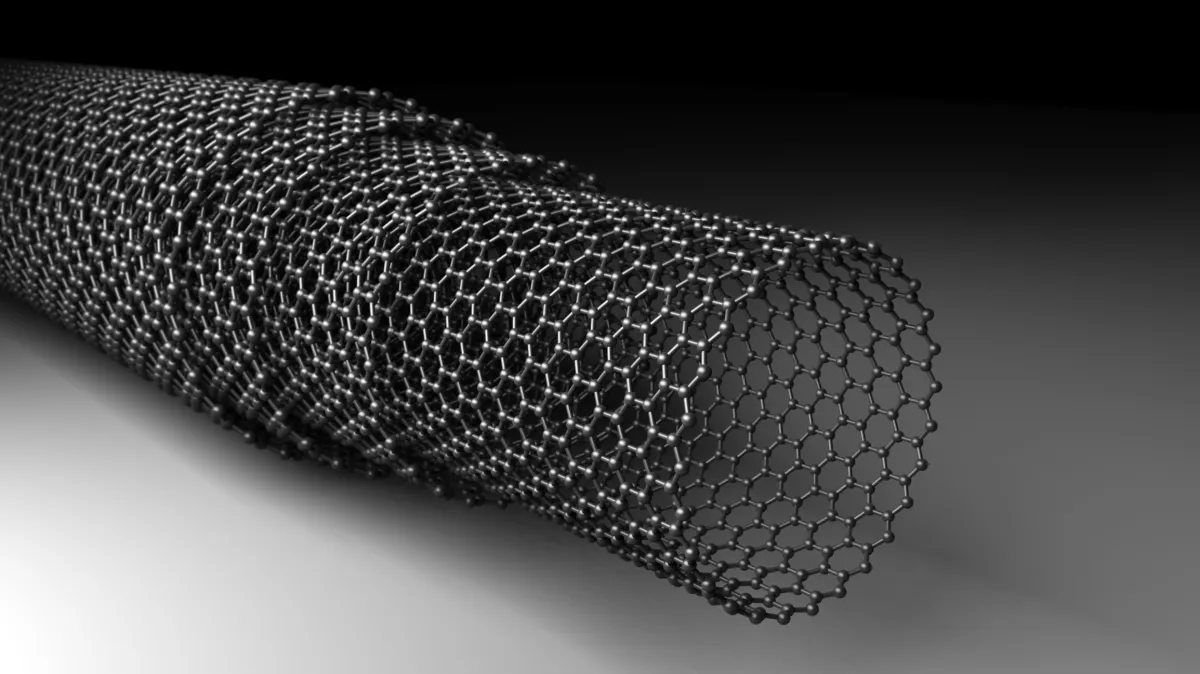
Diamene’s unique properties stem from its molecular structure. Just like graphene, Diamene is made from carbon atoms arranged in a hexagonal lattice, but with additional modifications that make it more resilient and adaptable. When subjected to impact, Diamene can absorb and dissipate energy more efficiently than traditional materials, making it ideal for use in armor.
One of the most remarkable features of Diamene is its ability to self-repair. This characteristic is due to the material’s inherent flexibility and its ability to re-align its molecular structure after being deformed. This makes Diamene a promising candidate for armor that can maintain its integrity over time, even after repeated exposure to high-impact forces.
Additionally, Diamene is incredibly resistant to heat and pressure, adding to its versatility as a protective material. Whether in combat, industrial settings, or disaster response scenarios, Diamene offers unparalleled protection in conditions where traditional materials would fail.
Applications of Diamene
Diamene’s applications go far beyond military armor. While the material was originally developed with defense in mind, its potential uses extend into many other industries, including construction, automotive, and even wearable technology.
Military and Law Enforcement
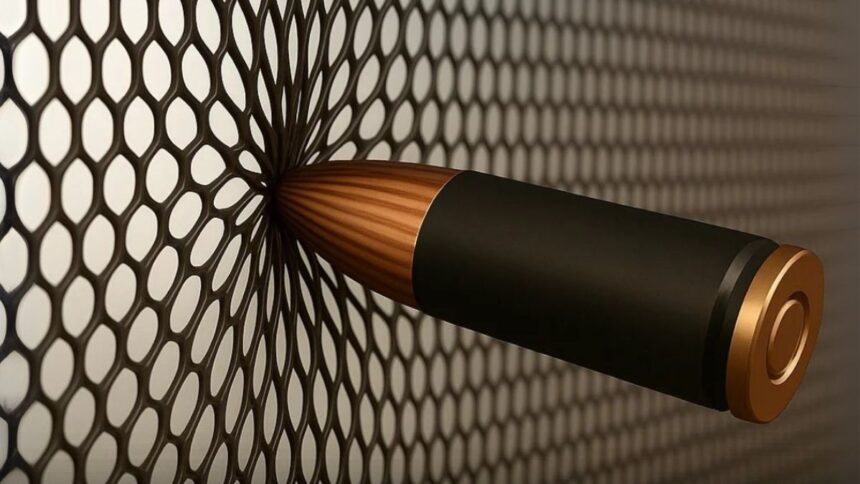
The most obvious application of Diamene is in military and law enforcement gear. With its superior strength-to-weight ratio, Diamene could replace traditional bulletproof vests, helmets, and shields, offering protection without compromising mobility. Soldiers and officers could wear this lightweight armor for extended periods without the fatigue that comes with traditional gear.
Additionally, Diamene could be used in vehicles, aircraft, and drones to enhance their defense capabilities. Its durability could provide enhanced protection against explosive devices and projectiles, potentially saving lives in combat situations.
Civilian Use and Consumer Products
Beyond defense, Diamene holds promise for everyday use. It could be used in body armor for security personnel, extreme sports enthusiasts, or even in personal protective gear for vulnerable individuals. Its lightweight nature and flexibility make it ideal for products such as clothing, backpacks, or accessories that offer a high level of protection while remaining comfortable and unobtrusive.
Diamene could also find applications in the automotive industry. Car manufacturers could use the material to create lighter and stronger vehicle frames, offering better protection in the event of an accident without adding unnecessary weight. Additionally, Diamene’s resistance to heat could make it an excellent material for high-performance vehicles, aircraft, and spacecraft.
The Environmental Impact
In addition to its superior protective capabilities, Diamene is also a more sustainable alternative to traditional materials. Many of the materials currently used in armor, such as steel and plastic composites, are not easily recyclable and can contribute to environmental waste. Diamene, however, can be produced with minimal environmental impact and can be recycled more easily than traditional armor materials.
Moreover, Diamene’s potential applications in other industries, such as construction and automotive manufacturing, could also help reduce environmental damage. Lighter materials like Diamene can lead to more energy-efficient vehicles and structures, reducing the carbon footprint of industries that rely on heavy materials like steel and concrete.
By providing a sustainable alternative to conventional materials, Diamene could play a significant role in reducing the environmental impact of industries while still providing the protection that people need.
The Challenges
While Diamene’s potential is undeniable, there are still challenges to overcome before it can be widely adopted. One of the main hurdles is the cost of production. Creating Diamene involves complex processes and requires specialized equipment, making it more expensive than traditional materials. Scaling up production to meet the demand for military-grade armor, consumer products, and other applications will require significant investment and innovation.
Another challenge is ensuring the material’s long-term durability and performance. While Diamene has shown impressive properties in laboratory tests, real-world conditions can often present unforeseen challenges. Scientists and engineers will need to conduct extensive testing to ensure that Diamene can maintain its protective qualities under a variety of extreme conditions.
Despite these challenges, the potential benefits of Diamene make it a promising material that could ultimately transform multiple industries.
The Future of Diamene
As research continues, Diamene’s potential applications will only expand. Scientists are working on improving the manufacturing process to make Diamene more affordable and accessible. Once production becomes more cost-effective, it is likely that Diamene will see widespread use in military and civilian applications alike.
Furthermore, advancements in nanotechnology and materials science could make Diamene even more efficient, possibly enhancing its self-healing abilities, flexibility, and strength. As the material continues to evolve, it could even be integrated into new forms of wearable technology, such as smart clothing or exoskeletons, offering enhanced protection while allowing wearers to maintain full mobility.
Conclusion
Diamene represents a groundbreaking shift in the field of personal protection and materials science. With its superior strength, flexibility, and self-repairing abilities, Diamene could become the go-to material for everything from military armor to consumer goods. Its environmental benefits further add to its appeal, making it a sustainable alternative to traditional materials.
Though challenges remain in scaling production and ensuring long-term durability, Diamene’s potential to revolutionize the way we approach safety and protection is undeniable. As technology advances, Diamene may soon be the standard for protective gear across industries, providing better protection for individuals, while also contributing to a more sustainable future.