
Table of Contents
- What Are the Epstein Files and Why They Were Released
- How Jay‑Z and Pusha T Appear in the New Documents
- What FBI Intake Reports Are and How They Should Be Interpreted
- Public Reaction and Online Speculation
- Other High‑Profile Names in the Epstein Files
- Why Transparency Matters and the Risks of Misinterpretation
- Legal and Ethical Implications for Those Named
- Conclusion
What Are the Epstein Files and Why They Were Released
The Epstein files are a comprehensive collection of documents, images and videos related to the criminal activities and social networks of Jeffrey Epstein, the financier and convicted sex offender whose crimes included sex trafficking of minors. In 2025 the United States Congress passed the Epstein Files Transparency Act, requiring the Department of Justice to release millions of pages of documents that had been sealed in connection with Epstein’s legal cases and investigations. On January 30, 2026, the DOJ complied by releasing over 3.5 million pages of material, including 2,000 videos and roughly 180,000 images. These files include a mix of court filings, investigative reports, hotline tips, email correspondences, photos and other records collected over years of legal proceedings.
Unlike earlier partial public disclosures, which were often redacted heavily and limited in scope, this release represents one of the most expansive public disclosures of material ever tied to a high‑profile criminal case, and its breadth has generated intense attention and confusion. The files vary widely in their context and reliability, and experts have emphasized that not every document in the release should be seen as verified evidence of crimes or wrongdoing.
How Jay‑Z and Pusha T Appear in the New Documents
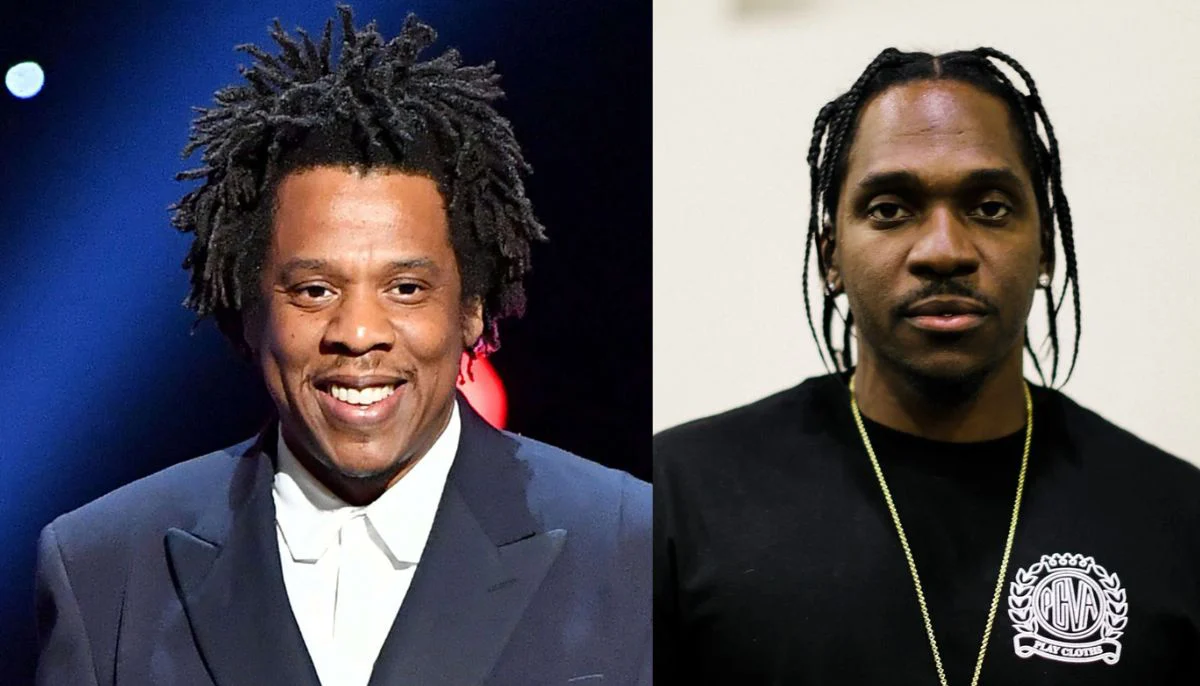
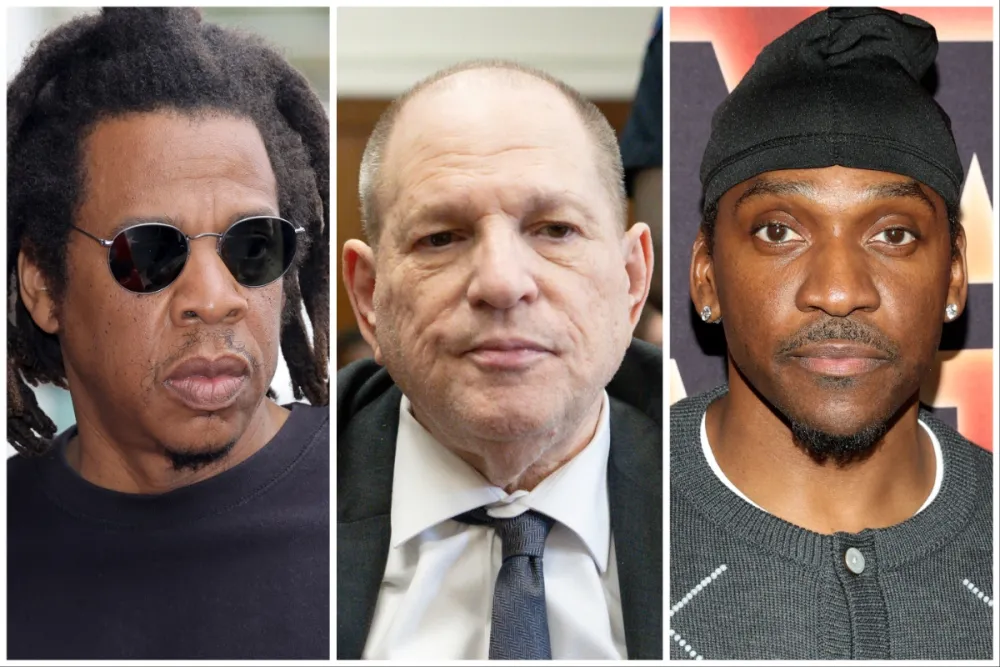
Among the vast sea of material now publicly available are entries from FBI “crisis intake” reports lodged in 2019, created when members of the public called a hotline to provide information about Epstein’s activities. In one of these intake forms, an anonymous caller made a series of allegations and, within that complaint, mentioned the names of rapper Jay‑Z (Shawn Carter), fellow rapper Pusha T (Terrence LeVarr Thornton), and producer Harvey Weinstein.
The anonymous report alleged that at various times the caller believed she had been drugged and that individuals identified as “handlers” were involved in manipulating her experiences. In that narrative the caller described waking up in a situation where Weinstein and Jay‑Z were present, and later referenced Pusha T in a separate incident. It is important to note that these mentions originate from the intake report itself and do not derive from Epstein’s personal journals, flight logs, proven sightings, or law enforcement investigations that culminated in charges.
Crucially, authorities and experts stress that inclusion of names in such files, especially in raw intake reports from public tips, does not mean those individuals were formally investigated, charged or implicated in any documented wrongdoing related to Epstein’s crimes. It also does not imply guilt or that law enforcement found any substantiated evidence against the named parties.
What FBI Intake Reports Are and How They Should Be Interpreted
FBI intake reports are preliminary logs generated when a member of the public contacts the bureau with a tip, allegation, or personal account of potential criminal activity. These reports are recorded and archived for reference and potential follow‑up but do not in themselves indicate verification or prosecution. The appearance of a name or description in such an intake report means only that someone at one time chose to associate that name with a particular incident or narrative — it does not mean the defendant was interviewed, monitored, charged, or verified to have committed any crime.
In the context of the Epstein files, many names appear for a wide variety of reasons, ranging from casual contacts or photographic evidence of public events to unsubstantiated allegations submitted by third parties. Legal experts emphasize that raw materials like intake reports are very early steps in law enforcement documentation, and many never result in further investigation. They are logged chiefly to preserve information and are not vetted the way formal investigative reports are.
Public Reaction and Online Speculation

The release of the Epstein files has reignited widespread public fascination and intense online speculation. Social media platforms, blogs and video outlets quickly amplified the names of celebrities found in the new documents, fueling debate, outrage and conspiracy theories. Some online commentators took the mentions as evidence of secret involvement or complicity, while others cautioned against jumping to conclusions without verified evidence.
The viral nature of the conversation has also led to notable incidents among other public figures. Some entertainers have weighed in on the discussion, either defending those named or criticizing how the files are being interpreted, and various claims and accusations are circulating online that do not have grounding in the released documents.
Experts in media literacy and law enforcement caution that the speed at which speculative narratives spread often outpaces efforts to provide context. They note that the mere presence of a name in a large cache of documents compiled for transparency is not equivalent to evidence of wrongdoing or official legal action.
Other High‑Profile Names in the Epstein Files

Jay‑Z and Pusha T are not the only famous names mentioned in the newly released materials. Previous and parallel document dumps have included records referencing a wide array of public figures from politics, entertainment and business. These include former leaders, tech executives, artists and royalty, all of whom appear in various ways that range from personal contacts to depicted social engagements or in some cases hotline reports. Prominent mentions reported in the files include individuals like Prince Andrew, former U.S. Presidents and celebrated cultural icons in contexts that vary widely in relevance and credibility.
Importantly, in all these instances, documented public figures deny involvement in any of Epstein’s crimes, and inclusion of their names in documents — whether court exhibits, photographs or intake reports — does not equate to evidence of criminal conduct.
Why Transparency Matters and the Risks of Misinterpretation

The Epstein Files Transparency Act was designed to shed light on one of the most notorious criminal cases of recent decades, whose implications touched power structures in finance, politics, and social elites. By making the bulk of related documents public, Congress and the Department of Justice aimed to increase accountability and give victims and journalists access to information that had previously been sealed.
At the same time, the release highlights challenges tied to transparency itself. Vast amounts of information that have not been vetted or contextualized can be misinterpreted or misused, especially when they involve high‑profile names. Without careful context, unverified allegations and raw intake reports can be mistaken for substantiated evidence, leading to reputational harm and misinformation. Observers emphasize that understanding the provenance of each document and its legal weight is essential to responsible reporting and interpretation.
Legal and Ethical Implications for Those Named
For individuals mentioned in these reports, the legal landscape is clear: absence of charges means absence of legal accusation. Inclusion of a name in an archived tip does not lead to prosecution, nor does it provide a foundation for civil liability. Legal analysts note that defamation protections exist precisely to prevent unverified material from being taken as definitive proof of misconduct. Any continuation of anonymous allegations in the public sphere must be treated with caution and a clear distinction between legal evidence and uncorroborated claims.
From an ethical standpoint, the broader public discussion has exposed tensions between transparency in government documentation and the potential for reputational harm caused by misinterpretation. Communities and advocates for survivors of abuse alike stress the importance of not discounting victim testimonies while also upholding principles of due process and careful evaluation of evidence.
Conclusion
The latest release of Jeffrey Epstein’s files by the United States Department of Justice has undoubtedly provided a wealth of material that journalists, historians, and the public can examine. Mentions of Jay‑Z, Pusha T and others in unverified FBI intake reports have sparked intense attention and wide ranging debate online. However, context matters: the presence of a name in a preliminary document does not indicate guilt, investigation, or criminal association. Understanding what these documents are, how they were generated, and what they do — and do not — prove is essential to interpreting the ongoing revelations responsibly. As public scrutiny continues, separating verified information from speculation remains crucial in navigating one of the most widely discussed transparency efforts in recent legal history.