
Table of Contents
- The Epstein Files Transparency Act and Why the Release Matters
- What “Mentioned Thousands of Times” Really Means
- Trump’s Historical Relationship With Epstein
- What Other High‑Profile Names Appear in the Files
- Public Reaction and Political Fallout
- Legal and Ethical Considerations Around Unverified Mentions
- Conclusion
The Epstein Files Transparency Act and Why the Release Matters
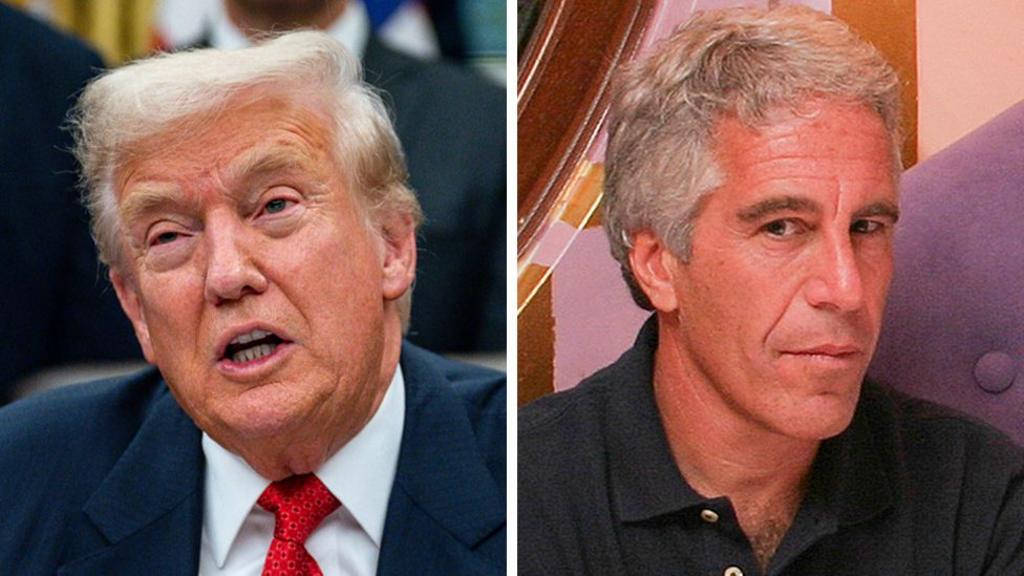
The so‑called Epstein Files Transparency Act was passed by Congress in late 2025 and signed into law by Donald Trump. The law required the Department of Justice to publish records relating to the investigations of convicted sex offender Jeffrey Epstein and his network of associates within a defined time frame. This mandate followed years of public pressure after Epstein’s arrest and death in 2019, during which critics alleged that some files were withheld or heavily redacted.
In response, the Justice Department released over three million pages of material, including an archive that Justice officials describe as the bulk of the documents prepared for publication. The files include tens of thousands of pages of correspondence, FBI intake reports, interview summaries, emails, internal notes, as well as thousands of videos and images collected throughout multiple probes tied to Epstein’s activities and legal cases.
The size and scope of this release are significant because it potentially offers researchers, journalists and ordinary citizens unprecedented insight into Epstein’s operations, his social networks and the reach of his associations. At the same time, the documents raise complex questions about how mentions of individuals in preliminary notes, public tips or unverified contexts should be interpreted—especially when those mentions involve politically significant figures.
What “Mentioned Thousands of Times” Really Means

One of the most striking reports about the latest Epstein file release is the assertion that Donald Trump’s name appears thousands of times across the documents. However, context is critical: many of these mentions stem from media clippings, FBI intake reports, second‑hand allegations submitted by anonymous sources, or other unverified references that were logged by federal agencies during the course of long‑running investigations.
For example, intake reports logged by the FBI often record allegations or recollections from members of the public about Epstein’s activities or possible connections. These reports are not evidence of criminal conduct, nor do they represent investigative conclusions. They are simply preliminary records that police and federal agencies keep on file as part of broader investigative processes.
In some instances, the documents include references to Trump in press reports or correspondence regarding past social interactions between him and Epstein in the 1990s and early 2000s. While Trump publicly acknowledged knowing Epstein and in earlier years described him as a friend, he has repeatedly denied any knowledge of criminal wrongdoing tied to Epstein’s sex trafficking activities.
The Justice Department itself has cautioned that many of the allegations or mentions in the files are “unverified or false,” and that the presence of a name does not imply wrongdoing or criminal responsibility. Deputy Attorney General Todd Blanche has stated that the department’s review concluded that the files do not provide a basis for new criminal charges tied to the released material.
Trump’s Historical Relationship With Epstein
The Epstein files add new context to what was previously known about Donald Trump’s relationship with Jeffrey Epstein. Documents from earlier releases detailed that Trump flew on Epstein’s private jet multiple times in the 1990s and had socialized with Epstein in elite circles before their friendship reportedly ended. These past interactions were noted by prosecutors in their collection of evidence and referenced by media outlets covering Epstein’s network of contacts.
Trump has consistently denied any inappropriate behavior or involvement in Epstein’s criminal activities. During political debates and social media posts, he labeled efforts to publicize the files as politically motivated and, at times, called them a hoax engineered by his opponents. This narrative reflects broader partisan disputes about responsibility, transparency and the interpretation of the released records.
Critics of Trump’s initial handling of the release process argued that the Justice Department, under his administration, was slow to comply with the Transparency Act and may have withheld more incendiary material. Trump eventually signed the law under pressure from both parties, even as he continued to downplay the significance of the material for his own reputation.
What Other High‑Profile Names Appear in the Files
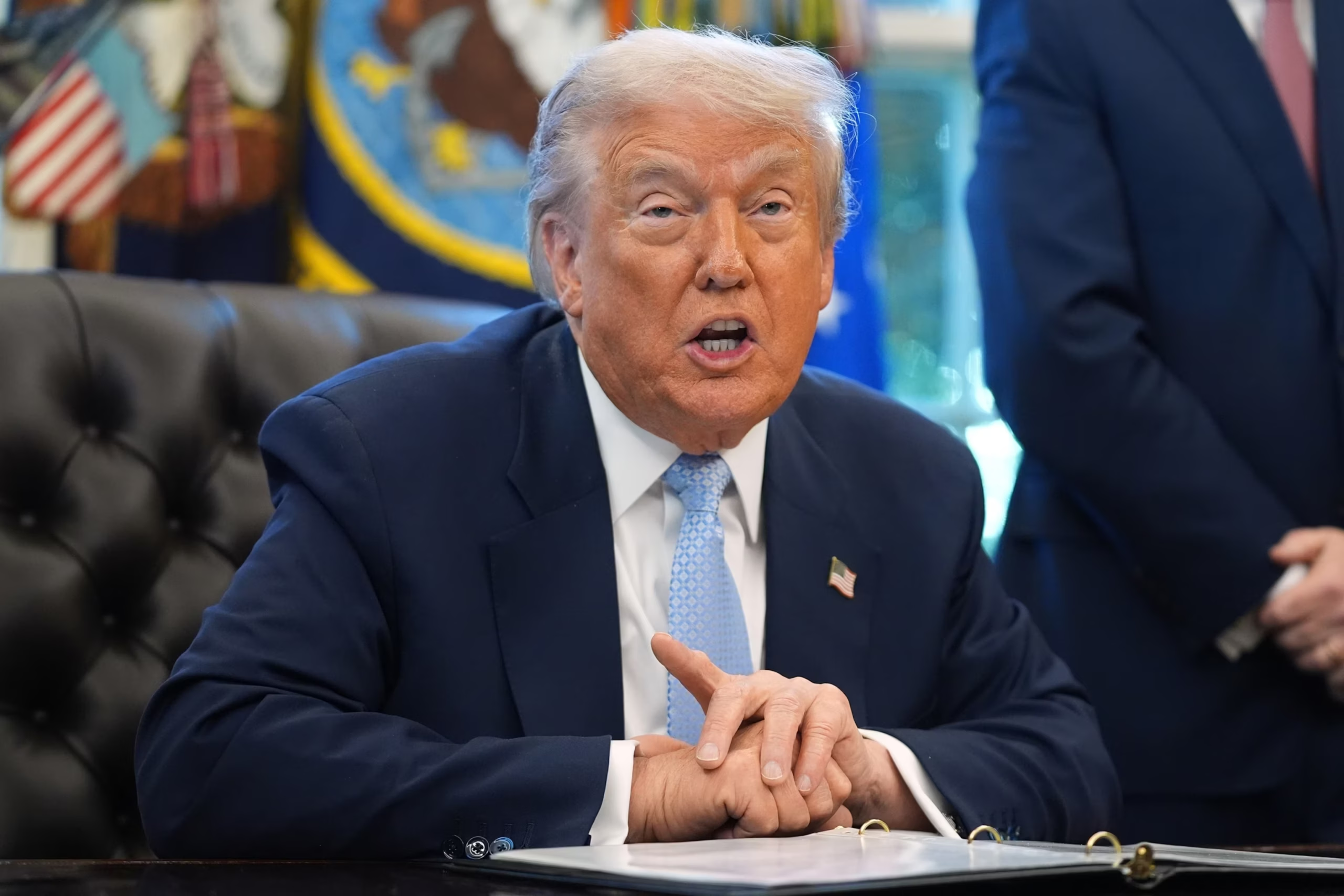
Alongside Trump’s repeated mentions, the Epstein files include references to a wide array of other influential figures from politics, entertainment and business. These include former British prince Andrew, tech entrepreneurs like Elon Musk, billionaire philanthropist Bill Gates, and various global elites who appear in correspondence, photographs or emails.
Many of these references are unverified and appear in contexts ranging from casual interactions to third‑party rumors logged through FBI tips. For example, files include alleged emails about invitations or travel plans, as well as anecdotal statements about meetings or gatherings involving Epstein and some named individuals.
It is crucial to note that inclusion in these documents does not equate to evidence of criminal complicity. Multiple high‑profile figures have publicly denied any wrongdoing or inappropriate involvement with Epstein in connection with their names appearing in the files.
Public Reaction and Political Fallout

The release of the Epstein files mentioning Trump thousands of times has sparked a potent mixture of reactions. Online commentary has ranged from those asserting that the files confirm long‑standing suspicions about powerful men’s involvement in Epstein’s world to others who emphasize that the files do not provide verified evidence of criminal misconduct. This spectrum of public interpretation reflects broader tensions in modern information environments, where raw data releases can be misread as definitive proof of allegations.
Politically, some Democratic lawmakers have criticized the redaction process and pace of release, arguing that the department has withheld significant portions of the documents that could provide deeper insight into Epstein’s connections. House Minority Leader Chuck Schumer and other critics have demanded more transparency about what remains hidden and why.
At the same time, defenders of the release emphasize that making these records public—despite the controversy surrounding them—is a historical step toward accountability and transparency. Supporters argue that broad public access empowers independent researchers, journalists and survivor advocates to contextualize Epstein’s network without government gatekeeping.
Legal and Ethical Considerations Around Unverified Mentions
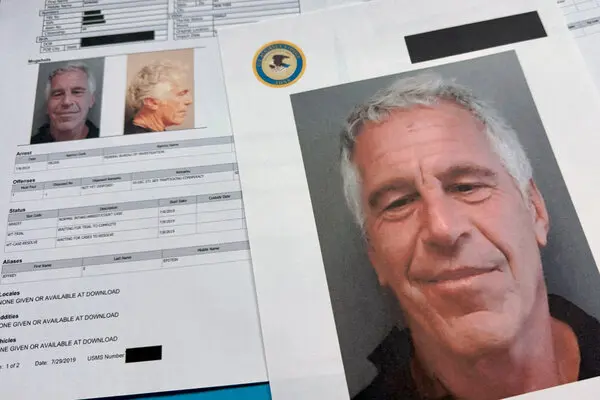
The sheer volume of documents and the presence of high‑profile names like Trump in unverified or preliminary records raise important questions about how the public should interpret such information. Legal experts warn against equating mention frequency with evidentiary value. FBI intake reports, media references and other early investigatory materials are quintessentially not legal proof of wrongdoing—they are records to inform potential future inquiries, but many such leads never result in substantiated investigations.
The ethical implications are also significant. Publishing raw allegations or uncontextualized mentions of individuals without clear verification can damage reputations and spread misinformation. Many advocates for Epstein victims stress the importance of balancing transparency with accuracy and care for both survivors and those whose names appear without substantiated ties to criminal acts.
Conclusion
The latest release of the Jeffrey Epstein files, with thousands of mentions of Donald Trump and other prominent figures, represents a landmark moment in public access to government investigative material. While the sheer volume of documents invites intense scrutiny and speculation, interpreting these mentions responsibly requires distinguishing between unverified references and established facts. As public discourse continues around the files, separating sensationalized narrative from credible evidence remains paramount. This release is unlikely to be the final chapter in how society grapples with Epstein’s legacy, but it has undeniably reshaped the conversation about transparency, power and the responsibilities of government in making complex historical material accessible to the public.