
Table of Contents
What Happened
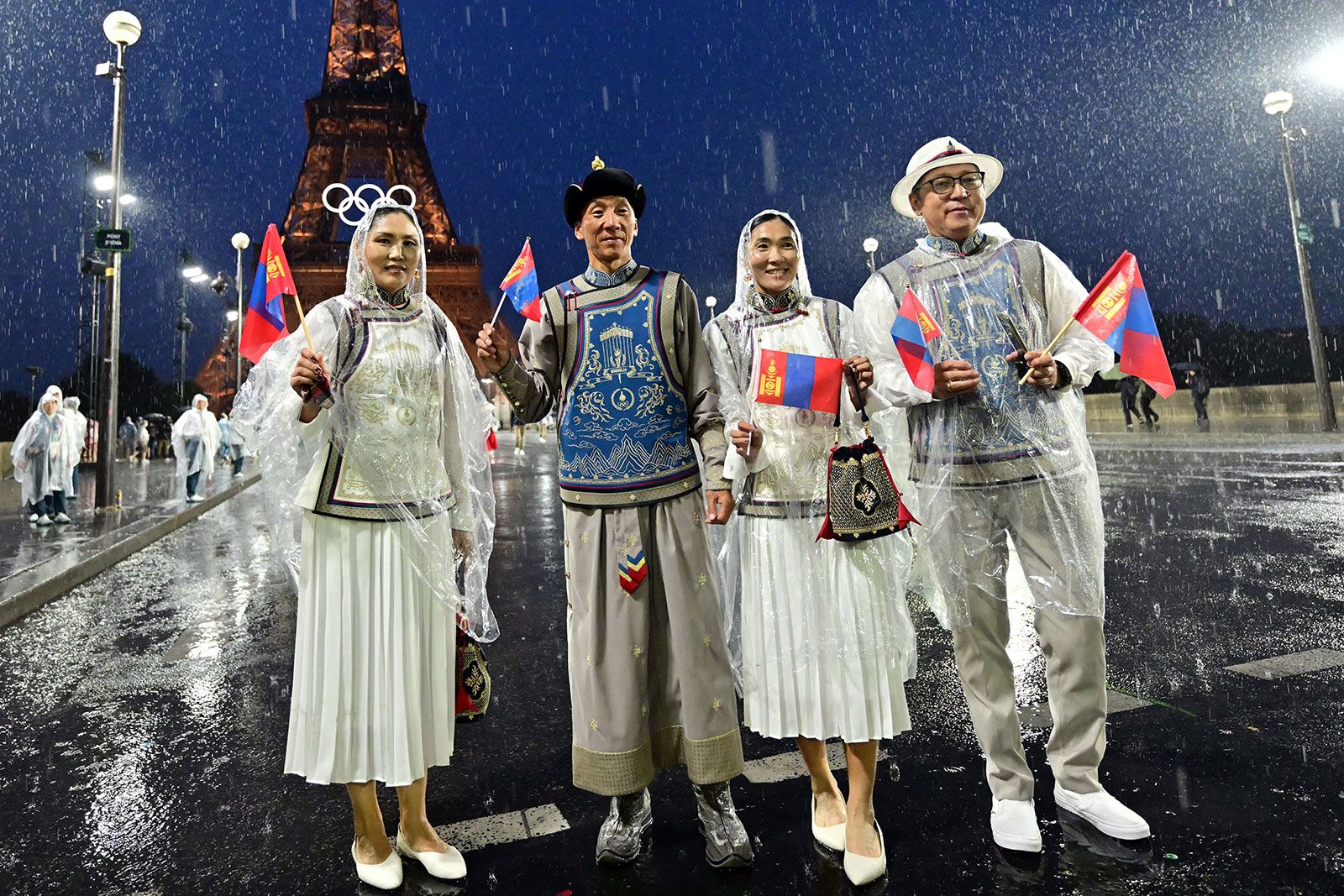
Mongolia’s national Olympic team will be dressed in uniforms for the 2026 Winter Olympics that are not only stylish but also scientifically designed to withstand extreme cold. The uniforms were developed in collaboration with designers who carefully studied the traditional clothing worn by Mongolian nomads, known for their ability to protect against freezing temperatures and brutal winds. The result is a fashion-forward and functional design that combines modern sportswear materials with time-honored Mongolian techniques, ensuring athletes stay warm while still maintaining flexibility and mobility.
The Olympic uniforms reveal a deep connection to Mongolia’s national identity. With elements like traditional robes and materials influenced by Mongolian fur, the design pays homage to the country’s heritage while embracing cutting-edge technologies like moisture-wicking fabrics and heat-retention materials. The unveiling of these uniforms has sparked interest around the globe, as they serve as a visual representation of Mongolia’s distinct cultural identity and the challenges athletes face in extreme environments.
Why It Matters
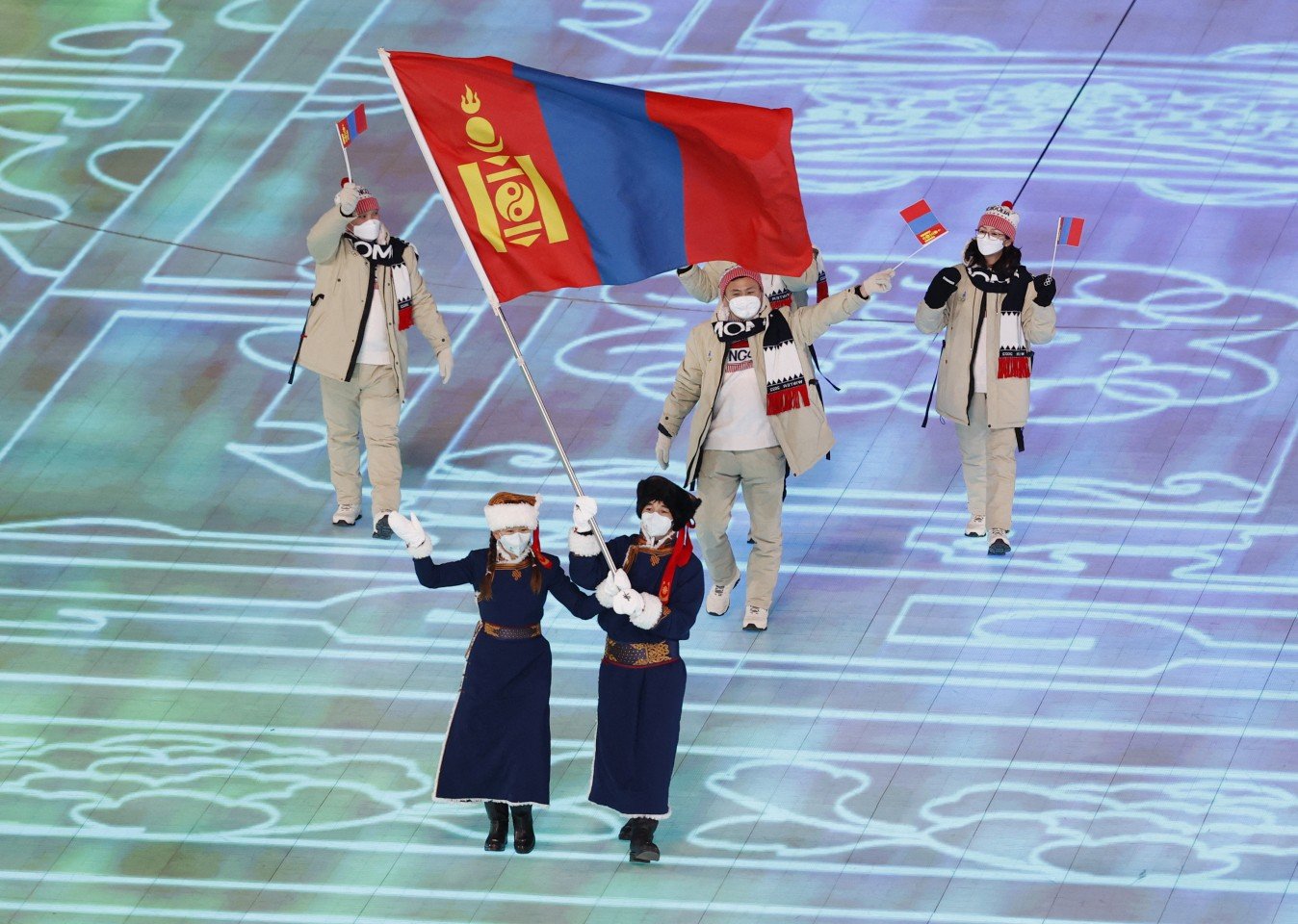
What makes these uniforms so significant is not just the fashion but the merging of cultural history with technological performance. Mongolia is no stranger to harsh climates; with winters that can plummet to -40°C, the country’s people have learned to survive in some of the most extreme cold in the world. For the athletes, these uniforms are not just a practical necessity; they embody Mongolia’s strength and resilience. As the country prepares to showcase its best at the Winter Olympics, these uniforms will act as a symbol of endurance and cultural pride.
The global sports community has been watching closely as fashion and technology collide. As other nations develop their own high-performance Olympic uniforms, Mongolia’s design stands out because it honors the past while embracing the future. This innovative blend of tradition and innovation speaks to the ongoing trend of cultural expression in sportswear design. It challenges conventional thinking about how performance clothing should look and feel, making a bold statement about what it means to be an athlete in a globalized world.
The Design Process
The process behind Mongolia’s Olympic uniforms is a testament to the country’s commitment to preserving its cultural roots while adapting to modern needs. The design team worked closely with local artisans who have decades of experience crafting the traditional garments that shield Mongolian nomads from the biting cold. These garments, known as “deel,” are typically made from thick wool and fur, materials that have proven effective for survival in Mongolia’s freezing winters. By incorporating these time-tested materials into the Olympic uniforms, the team created a piece of apparel that is both historically significant and technically sophisticated.
In addition to the use of traditional materials, the design team employed the latest in sportswear technology to ensure the uniforms would provide optimal performance. This includes advanced fabrics that retain heat, wick away sweat, and allow for maximum movement during intense physical exertion. The combination of these elements — traditional warmth and modern performance — makes the uniforms suitable for the extreme cold conditions of the Winter Olympics, where athletes are not only tested physically but must also contend with the freezing temperatures of the host city.
The Significance of Cultural Representation in Sports Fashion
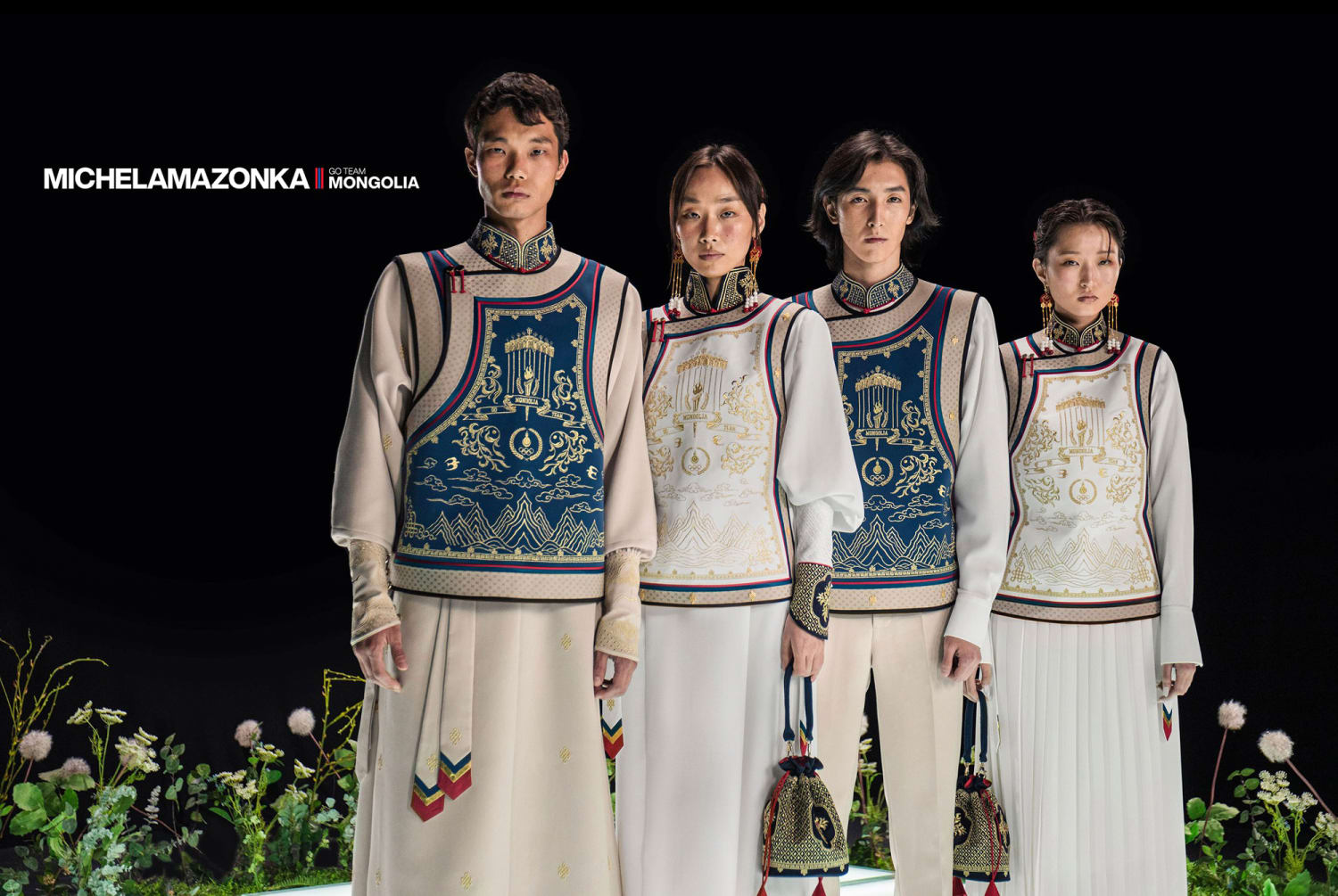
Mongolia’s decision to embrace its cultural heritage in the design of its Olympic uniforms is part of a larger trend in sports fashion, where nations are looking to incorporate elements of their history and identity into their athletic wear. The global sportswear market has seen a surge in national pride, with countries like Japan, Italy, and Canada all introducing uniforms that reflect their cultural values and history. Mongolia’s Olympic uniforms stand as an example of how fashion can be a powerful tool for cultural expression, allowing athletes to represent their countries on the world stage while staying true to their roots.
The Olympics, as a global platform, provide an opportunity for countries to showcase their national identity through various means, including clothing. For Mongolia, this uniform represents not just a functional necessity but also a statement of pride. It allows athletes to carry their culture with them as they compete, an aspect that becomes even more important in an era where global visibility is key.
The Global Impact
The design of Mongolia’s Winter Olympic uniforms has captured the imagination of people around the world. The blend of cultural significance and cutting-edge technology challenges traditional notions of sportswear design and opens up new possibilities for future Olympic fashion. As athletes from Mongolia prepare to take to the global stage, they will do so draped in a uniform that represents the country’s rich history and its forward-thinking approach to technology and design.
In an era where sports and fashion are increasingly intertwined, Mongolia’s uniform serves as a perfect example of how these two worlds can come together to tell a story. The visual representation of Mongolia’s past and present is both striking and meaningful, making these uniforms more than just functional clothing — they are a message to the world about Mongolia’s resilience, its cultural pride, and its commitment to excellence on the global stage.
What This Means for Future Olympic Uniforms
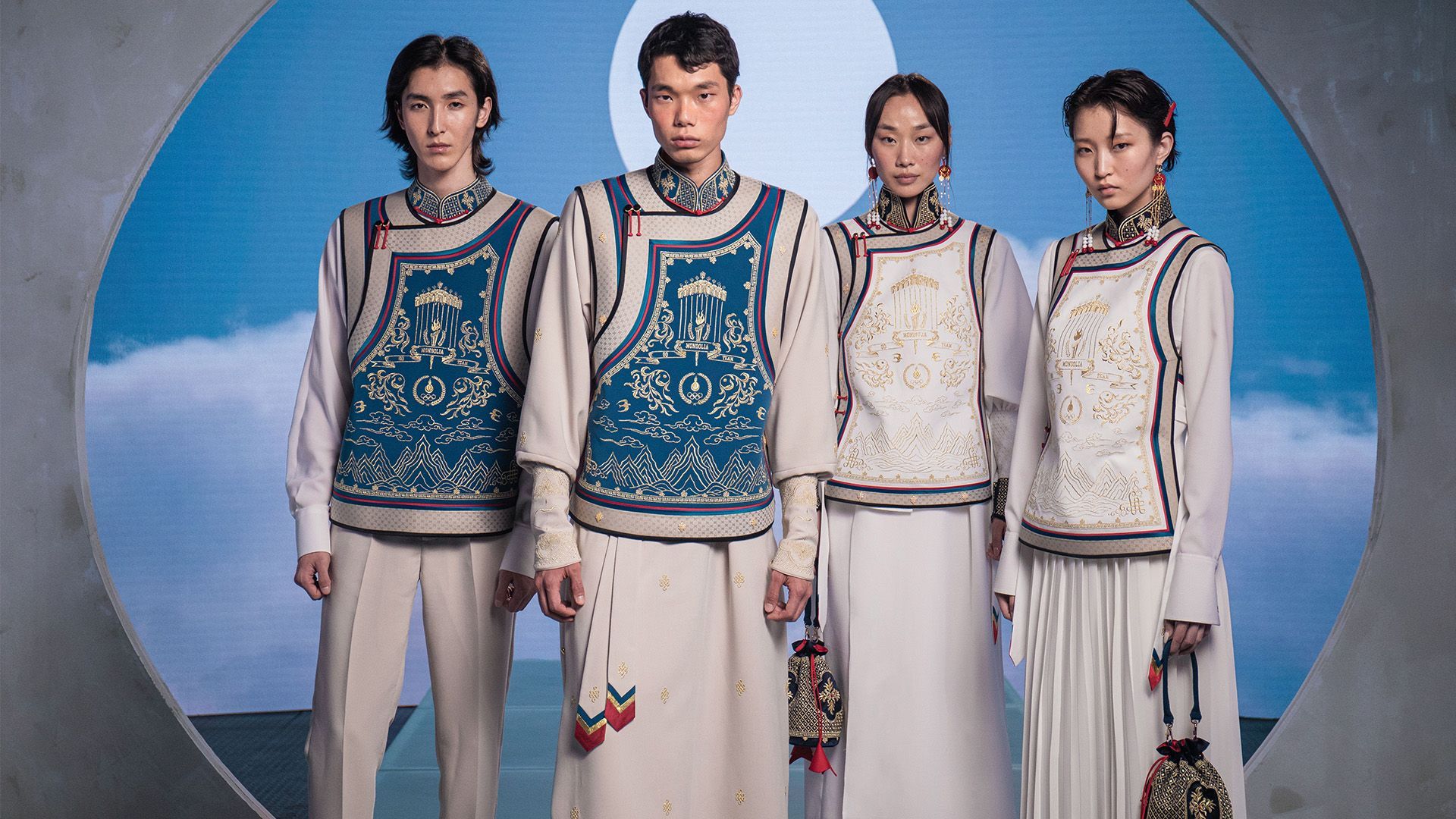
Mongolia’s Olympic uniforms are not only a reflection of the country’s harsh climate but also a harbinger of future trends in sports fashion. As more countries look to showcase their identity through their Olympic gear, we may see a shift toward more culturally reflective, performance-driven designs. The fusion of traditional craftsmanship with modern performance fabrics has the potential to change the way we think about Olympic uniforms and sportswear in general.
This evolution in Olympic design speaks to a larger trend in global fashion, where sustainability, performance, and cultural representation are becoming central to the creation of athletic wear. Just as athletes have become powerful symbols of their countries, their uniforms will continue to evolve, telling stories not only about their physical prowess but also about the cultures and histories they represent.
Conclusion
Mongolia’s Winter Olympics 2026 uniforms have captured the essence of the country’s heritage while pushing the boundaries of modern sportswear technology. By honoring tradition and embracing innovation, Mongolia has set a new standard for how countries can design Olympic uniforms that reflect their national identity and heritage. As the Winter Olympics draw nearer, these uniforms will undoubtedly become a symbol of Mongolia’s resilience and strength, resonating with audiences worldwide.
Looking to the future, the success of Mongolia’s uniforms may inspire other countries to rethink the design of their own Olympic apparel. As the lines between sports, fashion, and culture continue to blur, the Olympic stage will remain a powerful platform for nations to showcase their identity in new and meaningful ways. For Mongolia, the 2026 Winter Olympics are not just a chance to compete but an opportunity to tell the world its story through the uniforms its athletes will wear.