
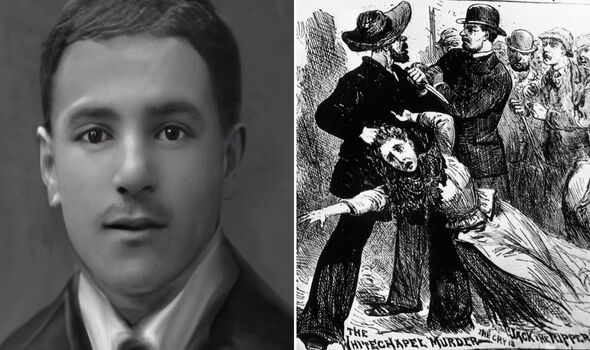
Table of Contents
What Happened
In a major revelation, researchers have identified Jack the Ripper using DNA evidence, a method previously unavailable during the time of the notorious killings. The Ripper, who terrorized the Whitechapel district of London in 1888, was never apprehended, and his identity remained a subject of intense debate for over 130 years. However, recent advancements in forensic science, particularly DNA analysis, have led to a breakthrough.
According to the researcher behind the identification, the DNA match was made using samples from one of the victim’s shawls. The shawl, which had been in private hands for over a century, was tested for DNA traces linked to both the victim and a suspect. The DNA, extracted and analyzed using modern technology, revealed a match to a man named Aaron Kosminski, a Polish immigrant who had long been considered a prime suspect but never officially linked to the crimes.
Why It Matters
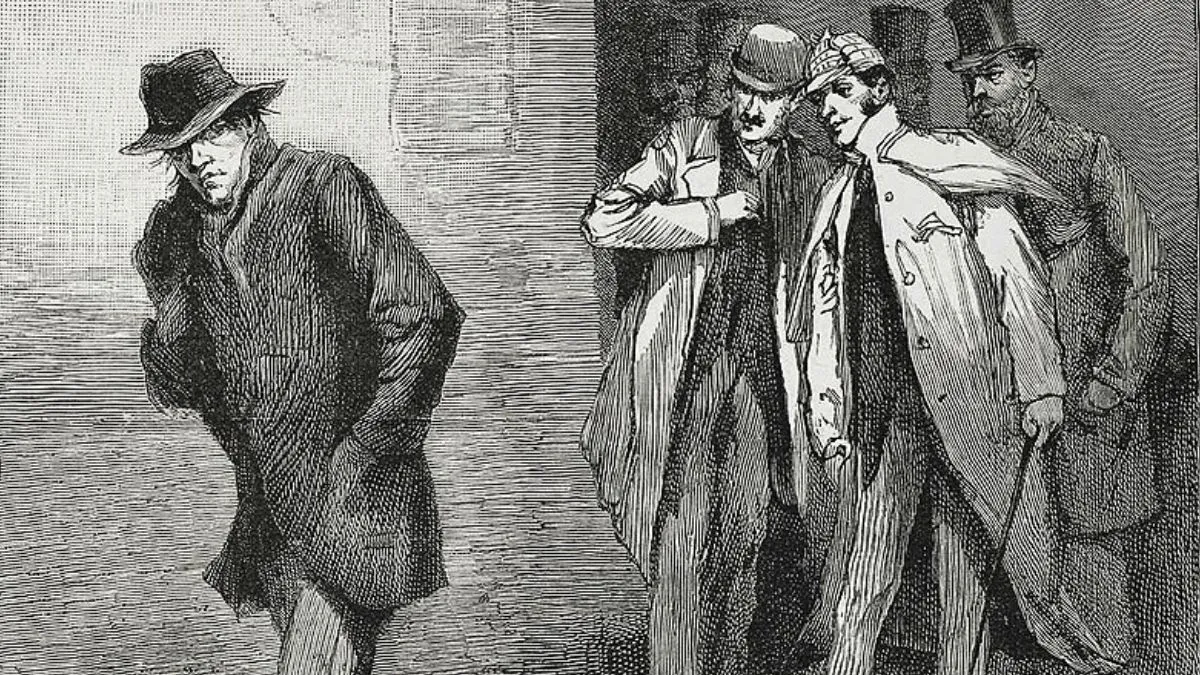
The identification of Jack the Ripper using DNA analysis represents a monumental leap forward in forensic science and the pursuit of justice. While the Ripper’s crimes left an indelible mark on history, the fact that his identity was never definitively confirmed kept the mystery alive for generations. This recent discovery could finally provide closure for the victims’ families and the public, allowing for a clearer understanding of the crimes that occurred over 130 years ago.
From a scientific standpoint, this case demonstrates the incredible potential of DNA evidence in solving cold cases and bringing resolution to unsolved mysteries. Forensic science has long been a powerful tool for law enforcement, but this case underscores its growing ability to make breakthroughs in even the most challenging and ancient investigations.
The Role of DNA in Solving Cold Cases
The use of DNA analysis to solve cold cases has become increasingly common in recent years, with several high-profile cases finally being solved after decades of uncertainty. Cold cases, including those from as far back as the 19th century, have benefited from advances in DNA technology, allowing for the identification of long-dead suspects and the exoneration of wrongfully accused individuals.
Jack the Ripper’s case was particularly challenging due to the lack of physical evidence and the fact that forensic science was not available during the time of the killings. However, DNA analysis has allowed modern investigators to revisit old evidence in ways that were never before possible. The shawl recovered from the crime scene was thought to be a mere relic of the past, but thanks to modern technology, it became the key to solving one of the most notorious mysteries in criminal history.
Aaron Kosminski

The identification of Aaron Kosminski as Jack the Ripper may seem like a revelation to some, but his name had been a topic of speculation for many years. Kosminski, a Polish immigrant who lived in London at the time of the murders, was a prime suspect in the original investigations. He was reportedly known for his violent tendencies and had a history of mental illness, making him a strong candidate for the crimes.
However, Kosminski was never officially charged with the murders, and there was no conclusive evidence linking him to the killings. Some investigators believed that he was too mentally unstable to have committed the crimes, while others suggested that there was insufficient evidence to charge him. The discovery of DNA linking Kosminski to the crimes, therefore, marks a significant development in the case, providing a final answer to a long-standing question.
The DNA Evidence
The DNA evidence used to identify Jack the Ripper came from a shawl that was believed to have been left at the scene of one of the murders. The shawl, which had been passed down through generations, was subjected to extensive DNA analysis by a team of researchers. Forensic scientists were able to extract and amplify DNA from the fabric, which was then compared to DNA samples obtained from living descendants of both the victim and the suspected murderer, Aaron Kosminski.
The results of the analysis showed a match between the DNA from the shawl and that of Kosminski, providing strong evidence that he was indeed the murderer. The breakthrough is particularly significant because the evidence was extracted from a piece of clothing that had been stored for over a century, demonstrating the power of modern technology in solving crimes from the distant past.
The Significance of the Discovery for Forensic Science
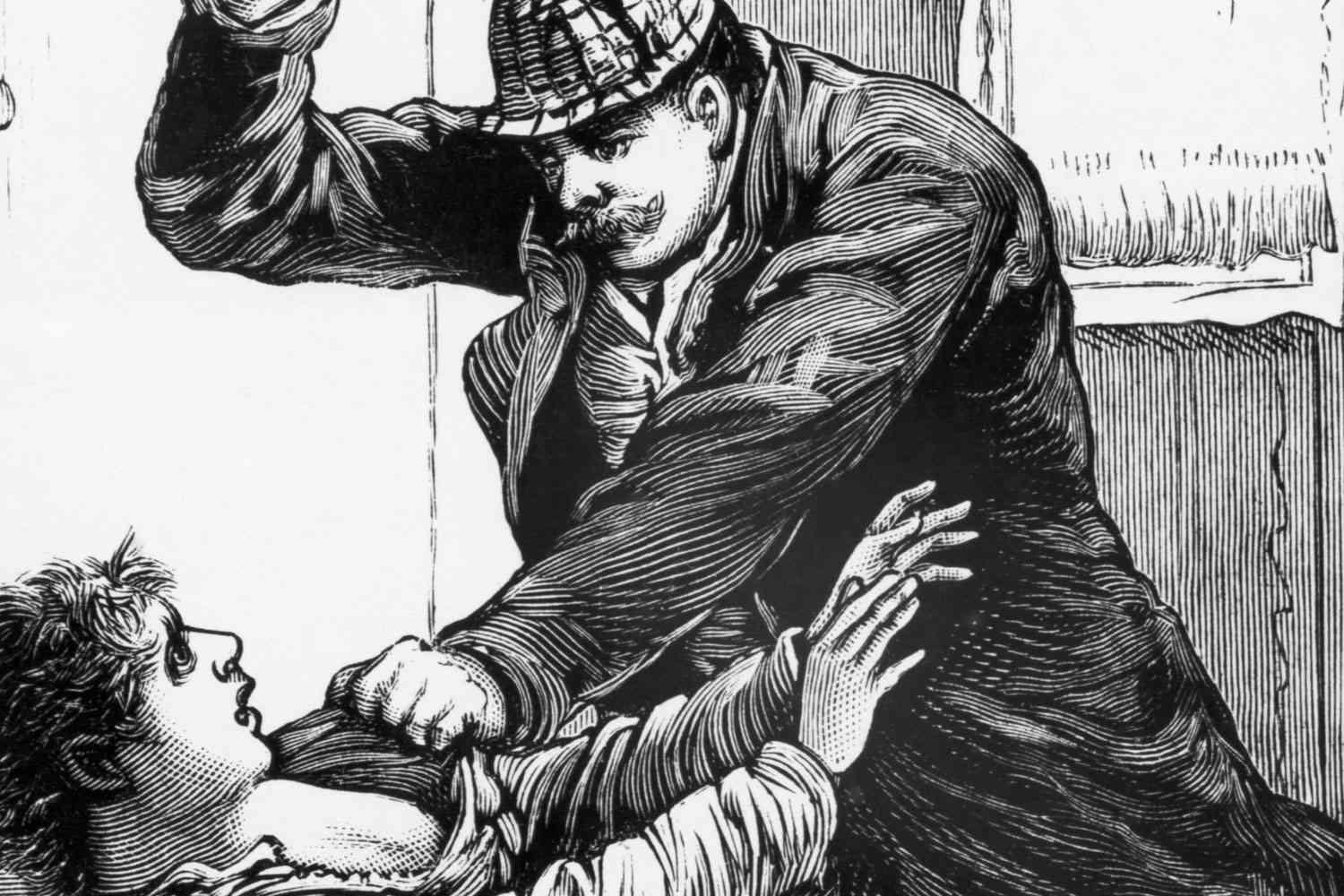
The identification of Jack the Ripper through DNA analysis is a testament to the incredible advancements that have been made in forensic science. DNA analysis has become an invaluable tool in criminal investigations, allowing law enforcement to solve cases that were once thought to be unsolvable. This case also highlights the importance of maintaining evidence from historical cases, as new technology can offer fresh insights into long-forgotten mysteries.
Forensic scientists will likely continue to use similar methods to solve other cold cases, and the Jack the Ripper case may serve as a benchmark for future investigations. The ability to match DNA from historical samples with modern databases has the potential to revolutionize how cold cases are solved, bringing justice to those who have been waiting for answers for decades, or even centuries.
Ethical Questions
While the identification of Jack the Ripper using DNA is a groundbreaking achievement, it also raises important ethical questions. The use of DNA evidence to solve historical crimes raises concerns about privacy and the potential misuse of genetic information. In the case of Jack the Ripper, the identification of a long-dead criminal has no immediate legal consequences, but in other cases, the discovery of DNA evidence may lead to the conviction of living individuals or the reopening of old investigations.
As DNA analysis continues to play a larger role in solving crimes, it will be important for lawmakers and law enforcement agencies to consider the ethical implications of using genetic evidence. Balancing the need for justice with concerns about privacy and consent will be an ongoing challenge in the field of forensic science.
Conclusion
The identification of Jack the Ripper through DNA analysis has not only solved one of history’s most infamous criminal mysteries but has also opened the door for similar breakthroughs in the future. As forensic science continues to evolve, the potential for solving cold cases, both old and new, will only increase. The Jack the Ripper case is a reminder that even the most enigmatic and unsettling crimes can eventually be unraveled with the right tools and determination.
Forensic science will continue to play an increasingly vital role in bringing justice to victims and their families, whether through the identification of long-dead criminals or the resolution of cases that have haunted communities for generations. The closure of the Jack the Ripper case marks a significant milestone in the history of forensic science, but it also serves as a reminder that the pursuit of justice is an ongoing process that requires constant innovation and vigilance.