
Table of Contents
- The History of the Transgender Ban
- The Impact of the Ban on Transgender Service Members
- How Many Transgender Service Members Are There Today?
- Challenges Facing Transgender Service Members
- The Legal Landscape and Challenges to the Policy
- The Future of Transgender Service Members in the Military
- The Role of Activism and Advocacy
- Conclusion
The History of the Transgender Ban
The transgender ban in the U.S. military has a tumultuous history. Under the Obama administration, the Pentagon lifted the ban on transgender service members, allowing them to serve openly for the first time. However, in 2017, President Trump announced a ban on transgender individuals serving in any capacity, citing concerns over military readiness and costs associated with gender transition surgeries. This decision faced backlash from both lawmakers and activists, leading to legal challenges that eventually resulted in a mixed patchwork of policies.
Under President Biden’s administration, the ban was officially reversed in 2021, allowing transgender people to serve openly once again. Despite the policy reversal, the question of how many transgender individuals remain in active service or have been impacted by these policies persists.
The Impact of the Ban on Transgender Service Members
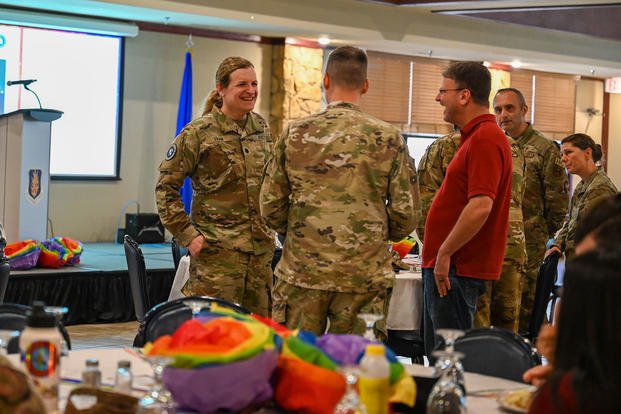
The ban had far-reaching effects on transgender service members, both those currently serving and those aspiring to join the military. Thousands of transgender individuals were serving in the military prior to the announcement of the ban, many of whom were forced to hide their identities for fear of being discharged. For those who had already transitioned or were in the process of transitioning, the ban created a hostile environment that limited their opportunities and affected their mental health.
Additionally, many individuals who had already enlisted in the military or were considering joining were dissuaded from pursuing a career in the armed forces due to the uncertainty created by the ban. This led to a significant reduction in transgender enlistment numbers, particularly as transgender individuals faced public uncertainty about their status and rights in the military.
How Many Transgender Service Members Are There Today?
Since the reversal of the transgender ban, accurate numbers on the current number of transgender service members have been difficult to obtain. However, estimates suggest that around 15,000 transgender individuals are currently serving in the U.S. military. This number includes those who were already serving when the ban was in effect and those who have enlisted after the policy reversal.
While the number of transgender service members is still relatively small compared to the overall number of active-duty personnel, it represents a significant step toward inclusivity and diversity within the armed forces. The numbers reflect the persistence of transgender individuals who are dedicated to serving their country, despite the challenges they face.
Challenges Facing Transgender Service Members
Transgender individuals in the military still face numerous challenges despite the policy changes. While they are now allowed to serve openly, they continue to experience discrimination, harassment, and difficulty accessing gender-affirming care. Many transgender service members still report difficulties with the acceptance of their identities, particularly among more conservative military units or leadership.
Additionally, the issue of gender-affirming care remains a key concern. The military provides some coverage for transition-related health care, but access to these services is inconsistent, and bureaucratic obstacles often make it difficult for service members to get the care they need. This can lead to mental and physical health issues, as transgender individuals may face significant barriers to getting the necessary medical treatment.
The Legal Landscape and Challenges to the Policy
While the Biden administration’s reversal of the transgender ban marked a major victory for transgender service members, legal challenges continue to arise in various states and within the military itself. Some members of Congress and military officials have opposed the policy, arguing that transgender individuals should not be allowed to serve due to concerns about readiness and unit cohesion.
Moreover, several states have passed laws that restrict the rights of transgender individuals, including those in the military, making it a contentious and ongoing issue in U.S. politics. The legal battles over transgender rights in the military will likely continue to shape policy and determine the future of transgender individuals in the armed forces.
The Future of Transgender Service Members in the Military
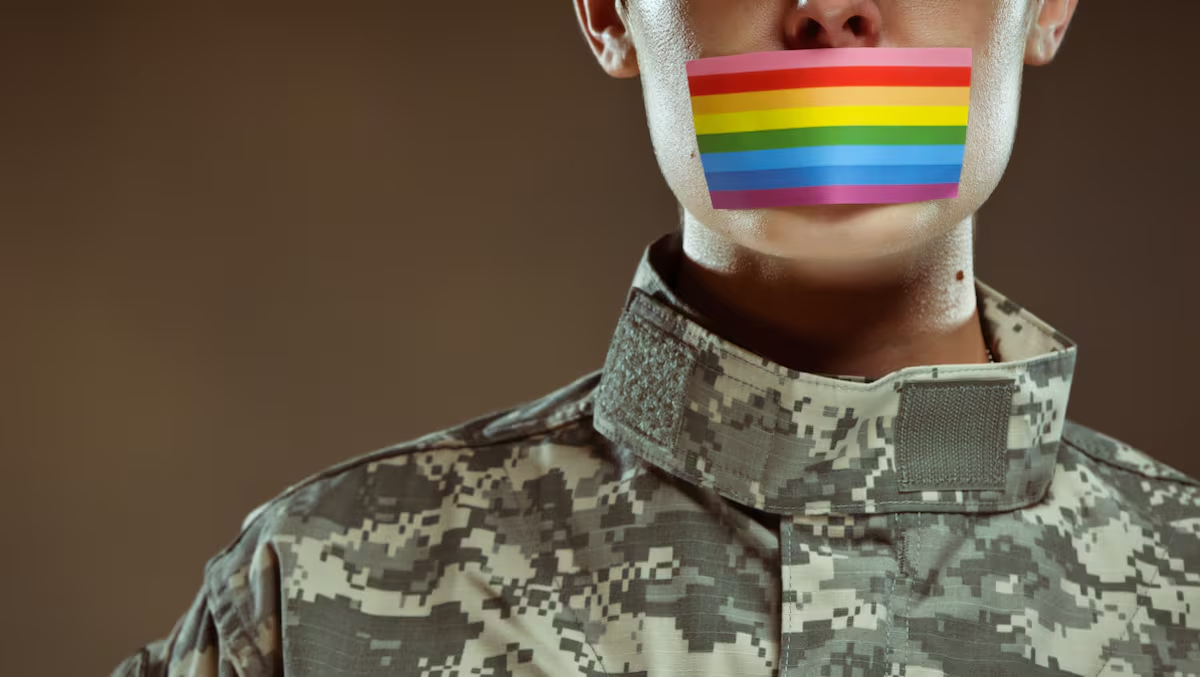
As we look ahead, the future of transgender individuals in the U.S. military remains uncertain. While the reversal of the ban was a significant step forward, much work remains to be done to ensure full equality and acceptance for transgender service members. The military’s ability to offer gender-affirming care and foster a welcoming, inclusive environment will determine how successful the integration of transgender service members truly is.
Furthermore, ongoing education and training for military personnel about gender identity and the experiences of transgender individuals will be crucial in reducing stigma and ensuring that all service members can serve with dignity and respect.
The Role of Activism and Advocacy
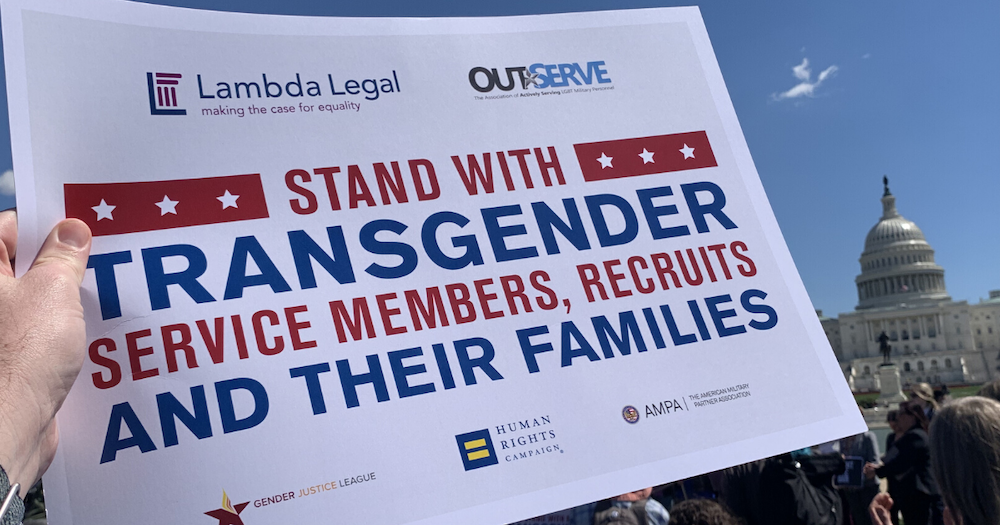
Activists and advocacy groups continue to play a vital role in supporting transgender service members and pushing for further reforms within the military. Organizations like the Human Rights Campaign (HRC) and the American Civil Liberties Union (ACLU) are actively involved in fighting for the rights of transgender individuals, not just in the military, but across all areas of society.
These organizations work to raise awareness of the challenges transgender individuals face, provide legal support for those who face discrimination, and advocate for comprehensive policy changes that promote equality and inclusivity.
Conclusion
The question of how many transgender individuals are currently serving in the U.S. military may not have a definitive answer, but the fact that transgender people are now allowed to serve openly is a significant step in the fight for equality. The challenges they face, however, are far from over. The U.S. military’s ability to fully integrate and support transgender service members will be key in ensuring that all individuals, regardless of gender identity, are able to serve their country with honor and respect. While the road ahead is uncertain, the determination of transgender service members to serve their country speaks volumes about their resilience and commitment to equality.