

Table of Contents
- The Challenge of Treating Kidney Stones
- The Role of Soft Robots in Kidney Stone Treatment
- How the Soft Robots Work
- Advantages of Soft Robots in Medical Procedures
- The Potential Impact on Kidney Stone Treatment
- Challenges and Future Developments
- The Role of University of Waterloo in Advancing Medical Robotics
- The Future of Soft Robotics in Medicine
- A New Era in Kidney Stone Treatment and Medical Robotics
The Challenge of Treating Kidney Stones
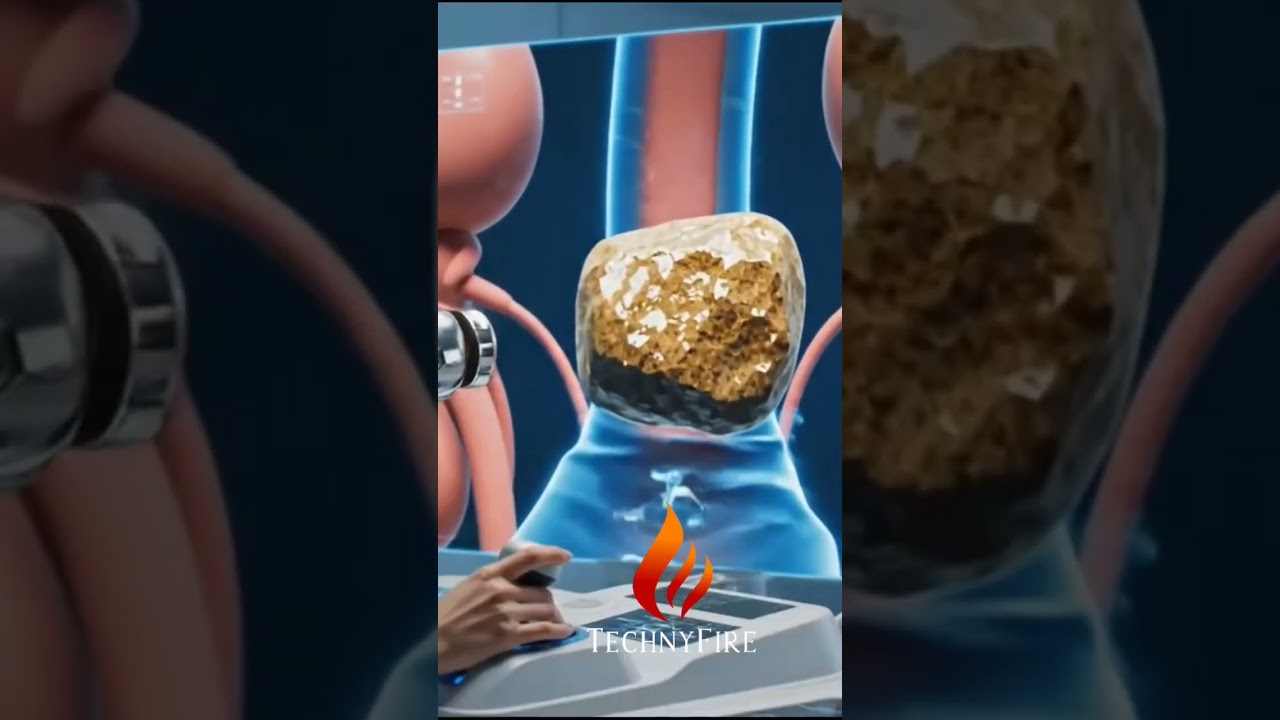
Kidney stones are hard deposits made of minerals and salts that form in the kidneys and can obstruct the urinary tract. These stones vary in size, and while some may pass through the urinary system on their own, others can cause excruciating pain and require medical intervention. Treatment options typically involve either the use of sound waves to break the stones into smaller pieces or surgical procedures to remove them.
While effective, these traditional treatments often come with drawbacks. Non-invasive methods, like shock wave lithotripsy, can cause discomfort and require repeated sessions, while surgical interventions carry risks such as infection, bleeding, and long recovery times. These limitations have driven the search for alternative, less invasive solutions, and that is where the development of soft robotics comes into play.
The Role of Soft Robots in Kidney Stone Treatment

The breakthrough achieved by researchers at the University of Waterloo centers around the development of soft robots that can navigate inside the human body. Unlike rigid, mechanical robots, soft robots are made of flexible materials that allow them to bend, twist, and move in ways that traditional robots cannot. This flexibility makes them ideal for delicate procedures, such as navigating through the urinary tract to locate and treat kidney stones.
These soft robots are designed to be inserted into the body via minimally invasive methods, offering a potentially safer and less painful alternative to traditional surgery. Once inside the body, the robots can be controlled remotely, allowing doctors to precisely target kidney stones without making large incisions or causing unnecessary damage to surrounding tissues.
How the Soft Robots Work
The soft robots developed by Waterloo researchers are engineered to work with remarkable precision. Using advanced control systems and flexible materials, the robots are able to move through the body with ease, even in tight spaces like the ureter, the tube that connects the kidneys to the bladder.
The robots are equipped with small, specialized tools designed to interact with kidney stones. For instance, they can use high-frequency sound waves or lasers to break the stones down into smaller, more manageable pieces, which can then be naturally passed out of the body or removed with ease. The flexibility of these robots allows them to adapt to the complex anatomy of the urinary tract, navigating around curves and obstacles to reach the stones.
Additionally, the robots are guided by real-time imaging systems, such as ultrasound or CT scans, which provide doctors with continuous feedback on the robot’s position and the condition of the stones. This level of precision and control allows for a more targeted treatment approach, minimizing the risk of complications and reducing the time required for the procedure.
Advantages of Soft Robots in Medical Procedures
The use of soft robots in medical procedures offers several distinct advantages over traditional methods. One of the primary benefits is the ability to perform procedures with minimal invasiveness. Unlike conventional surgeries that require large incisions, soft robots can be inserted through small openings, reducing the risk of infection and minimizing the trauma to surrounding tissues.
Furthermore, soft robots are highly adaptable. Their flexibility allows them to maneuver through tight and complicated spaces in the body, making them ideal for procedures that involve navigating the urinary tract or other delicate areas. This adaptability also means that the robots can be used for a wide range of medical applications, from kidney stone removal to other minimally invasive surgeries.
Another key advantage is the potential for increased precision and control. Soft robots can be remotely controlled with a high degree of accuracy, allowing doctors to target problem areas with minimal error. This precision can lead to faster recovery times, fewer complications, and better overall outcomes for patients.
The Potential Impact on Kidney Stone Treatment
The development of soft robots for kidney stone treatment has the potential to significantly improve the way these conditions are managed. By offering a more non-invasive alternative to traditional methods, soft robots could reduce the need for invasive surgeries, making treatment more accessible and less stressful for patients.
Additionally, the increased precision of these robots could lead to better outcomes in terms of stone removal, minimizing the risk of damage to surrounding tissues and improving the efficiency of the procedure. With soft robots, it may also be possible to treat kidney stones in a single session, whereas traditional methods often require multiple appointments or interventions.
This new approach could also help address some of the limitations of current treatments, such as the need for general anesthesia, which can pose risks for elderly or otherwise vulnerable patients. By making the procedure less invasive, soft robots could allow for treatment with local anesthesia or even sedation, further reducing the risks associated with kidney stone removal.
Challenges and Future Developments
While the potential benefits of soft robots in kidney stone treatment are clear, there are still several challenges to overcome. One of the primary hurdles is the development of robots that are both flexible enough to navigate the complex anatomy of the urinary tract and strong enough to perform tasks such as stone fragmentation. The materials used to create these robots must also be durable, biocompatible, and capable of withstanding the harsh conditions of the human body.
Additionally, while the technology is promising, it still requires extensive testing and refinement before it can be widely implemented in clinical settings. Researchers must ensure that the robots can be safely used in a variety of patients and situations, and that they can be easily controlled by medical professionals with minimal training.
Looking ahead, the future of soft robotics in medicine is incredibly promising. As researchers continue to refine these technologies, it is likely that they will become increasingly sophisticated, opening up new possibilities for a wide range of medical treatments. In addition to kidney stones, soft robots could be used for procedures such as tumor removal, organ repair, and even delicate surgeries in pediatric patients.
The Role of University of Waterloo in Advancing Medical Robotics
The University of Waterloo has long been at the forefront of research in robotics and engineering, and this latest development in soft robotics is another example of the university’s commitment to advancing medical technology. By combining expertise in robotics, materials science, and medical applications, the researchers at Waterloo are helping to push the boundaries of what is possible in healthcare.
Through collaborations with medical institutions, hospitals, and other research centers, the university is working to ensure that soft robotics can be safely and effectively integrated into real-world medical practices. Their research is also paving the way for future innovations that could have a profound impact on a wide range of medical conditions.
The Future of Soft Robotics in Medicine
As soft robotics continues to evolve, its applications in medicine will likely expand beyond kidney stones and other current uses. The flexibility and precision of these robots make them ideal candidates for a variety of surgical procedures, including those that involve delicate tissues or hard-to-reach areas in the body.
In the future, soft robots could become a routine part of surgical practices, used for everything from organ transplantation to minimally invasive surgeries for conditions like heart disease or cancer. The potential for reduced recovery times, fewer complications, and better patient outcomes makes soft robotics an exciting area of research for the medical community.
A New Era in Kidney Stone Treatment and Medical Robotics
The development of soft robots for kidney stone treatment represents a significant leap forward in medical technology. By combining precision, flexibility, and minimal invasiveness, soft robots offer a promising alternative to traditional treatments, improving both the patient experience and the overall success of the procedure. As researchers continue to refine and expand this technology, soft robotics has the potential to transform a wide range of medical treatments, marking the beginning of a new era in healthcare. With ongoing research and innovation, the future of soft robotics looks incredibly bright, offering hope for safer, more effective treatments for patients around the world.