

Table of Contents
The Appeal of Hibiscus Plants in Gardens
Hibiscus plants are often prized for their stunning flowers, which come in a variety of colors, including red, pink, white, and yellow. They are commonly found in tropical and subtropical gardens, but hibiscus can also thrive in temperate regions when grown in containers or carefully maintained during colder months.
The plant’s large, colorful blossoms are not only a focal point in gardens, but hibiscus flowers are also valued for their role in attracting pollinators like bees, butterflies, and hummingbirds. This makes hibiscus an important part of many garden ecosystems. Additionally, hibiscus plants have been traditionally used in medicinal teas and remedies in various cultures, adding another layer of appreciation to their presence in the garden.
However, despite their beauty and benefits, hibiscus plants face several challenges that can affect their health and longevity in your garden.
Common Problems Faced by Hibiscus Plants
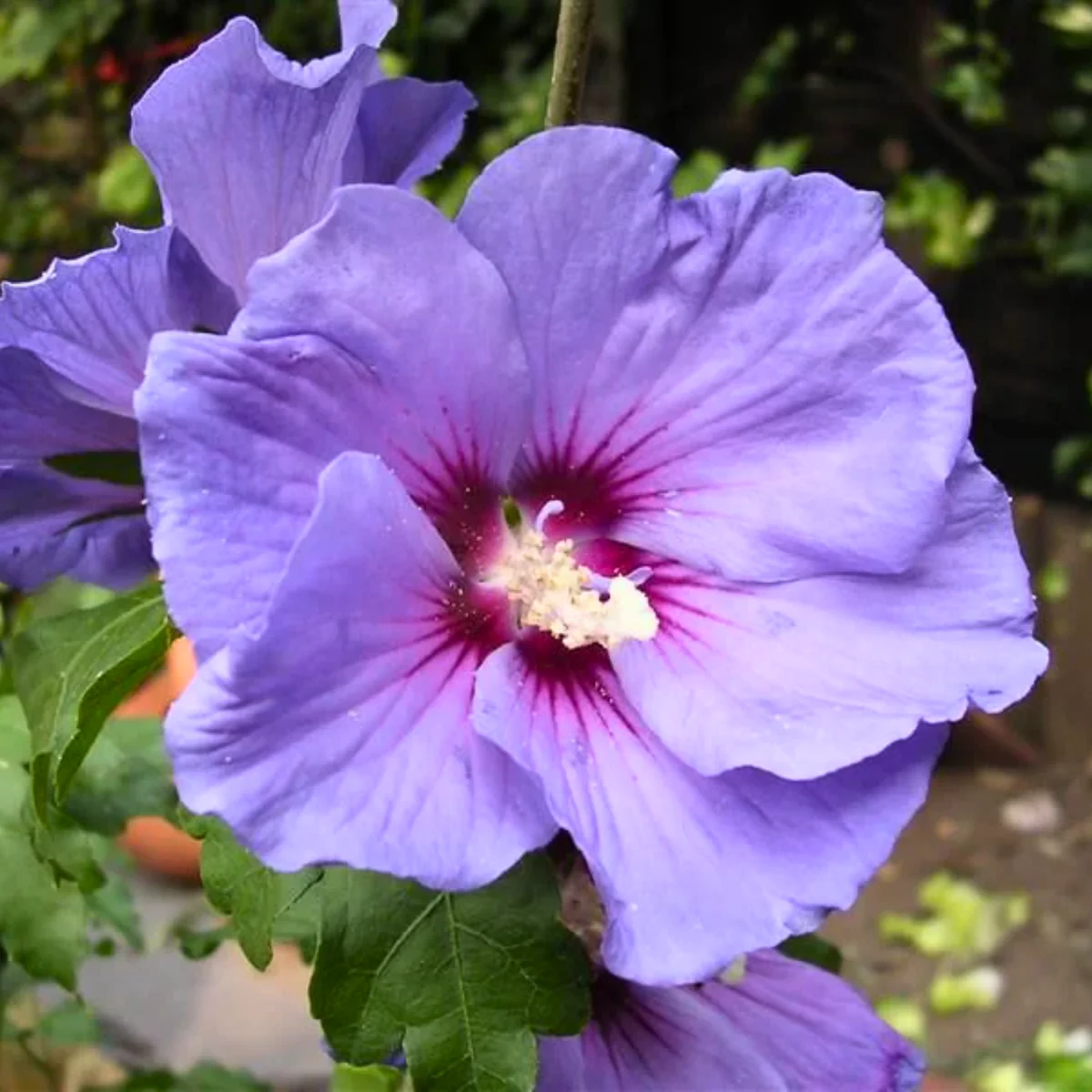
While hibiscus plants can thrive in a variety of climates, they are not immune to common garden issues. Understanding these challenges is key to ensuring your hibiscus plants remain healthy and vibrant.
- Pests and Diseases: Like most garden plants, hibiscus plants are susceptible to pests such as aphids, mealybugs, and spider mites, which can damage the leaves and flowers. Additionally, hibiscus plants can suffer from fungal infections, like rust and leaf spot, which cause the leaves to yellow, brown, or drop prematurely.
- Improper Watering: Hibiscus plants need consistent moisture to thrive, but they also need well-draining soil. Too much water can lead to root rot, while too little can cause the plant to wilt and stress. Balancing watering requirements can be tricky, especially during hot and dry periods.
- Nutrient Deficiency: Hibiscus plants are heavy feeders that require regular fertilization to maintain healthy growth and vibrant flowers. A lack of essential nutrients, particularly potassium and magnesium, can cause hibiscus plants to produce fewer flowers and suffer from yellowing leaves.
- Environmental Stress: Hibiscus plants are sensitive to environmental stressors, such as temperature fluctuations, strong winds, and poor soil conditions. Extreme temperatures, in particular, can cause the plant to lose its leaves or fail to bloom.
- Root-bound Plants: When hibiscus plants are grown in containers and become root-bound, their growth can be stunted, leading to weak and unhealthy plants. Container-grown hibiscus need periodic repotting to allow for root expansion.
Essential Care Tips for Healthy Hibiscus Plants
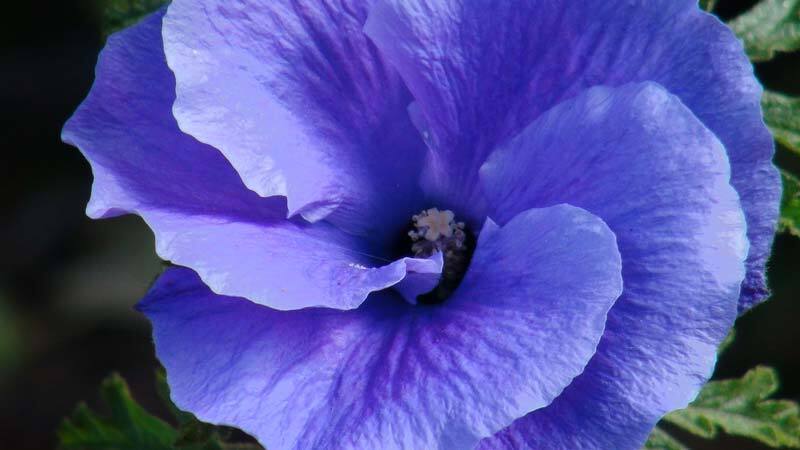
To keep your hibiscus plants thriving and avoid the common pitfalls mentioned above, here are some essential care tips to help you achieve the best possible growth and blooming:
1. Choose the Right Location
Hibiscus plants thrive in full sun, so it’s important to choose a location in your garden where they will receive at least 6-8 hours of direct sunlight each day. However, if you live in a region with extremely hot summers, consider providing some afternoon shade to protect the plant from sunburn.
Hibiscus plants also prefer well-draining soil, so avoid planting them in areas with poor drainage or heavy clay. If you’re planting in containers, ensure that the pots have drainage holes to prevent water from accumulating at the bottom and causing root rot.
2. Watering Wisely
Hibiscus plants require consistent moisture, but they do not like to sit in waterlogged soil. Water your hibiscus deeply, ensuring that the roots are thoroughly hydrated, but make sure the soil is well-draining. During the growing season, water your hibiscus once or twice a week, depending on the weather. Be mindful not to overwater, as this can lead to root rot.
In hot, dry weather, you may need to water your hibiscus more frequently. However, it’s important to avoid watering too often in the winter months, as hibiscus plants go dormant and do not need as much moisture during this time.
3. Fertilize Regularly
Hibiscus plants are heavy feeders, so it’s important to provide them with the necessary nutrients to support their growth. Use a balanced fertilizer with a higher ratio of potassium and magnesium, which are essential for vibrant flowers. You can also use slow-release fertilizers or organic compost to improve the soil’s nutrient content.
Fertilize your hibiscus once a month during the growing season, but avoid fertilizing in the winter when the plant is dormant. Over-fertilizing can lead to nutrient imbalances, so it’s important to follow the instructions on the fertilizer label and avoid excessive application.
4. Prune and Deadhead Regularly
Pruning is an important part of hibiscus care, as it helps maintain the plant’s shape and encourages new growth. Deadheading, or removing spent flowers, can also promote continuous blooming. Use clean, sharp pruning shears to cut back any dead or damaged growth, as well as to shape the plant as needed.
Prune your hibiscus after it has finished blooming, and remove any weak or leggy growth to encourage a fuller, bushier plant. However, be cautious not to prune too much at once, as cutting too much foliage can stress the plant.
5. Protect from Pests and Diseases
Regularly inspect your hibiscus plants for signs of pests, such as aphids, spider mites, or mealybugs. If you notice any pests, remove them by hand or use an insecticidal soap to treat the plant. For fungal infections, apply a fungicide to control the spread of disease and prevent further damage.
Keep your hibiscus plants healthy by maintaining proper watering practices, avoiding overcrowding, and ensuring good airflow around the plant. Healthy plants are less susceptible to pests and diseases, so proper care can prevent many common issues.
Why Hibiscus Plants Can Be Here Today and Gone Tomorrow
Despite all efforts, hibiscus plants can sometimes fail to thrive due to a variety of reasons. A sudden temperature drop, a pest infestation, or inconsistent care can cause even the healthiest-looking hibiscus plants to wither. Additionally, hibiscus plants are sensitive to environmental changes, such as drought, overwatering, and nutrient deficiencies, which can cause them to go dormant or stop blooming altogether.
While hibiscus plants are not the easiest to care for, they reward gardeners with stunning flowers and a sense of accomplishment when properly maintained. By following the essential care tips outlined above, you can ensure that your hibiscus plants remain a vibrant and lasting addition to your garden.
Conclusion
Hibiscus plants bring unmatched beauty and tropical flair to any garden, but they require attention and care to thrive. By choosing the right location, watering wisely, providing proper nutrition, and protecting your plants from pests and diseases, you can enjoy the stunning blooms of hibiscus for years to come.
With the right care, hibiscus plants can flourish, adding vibrant color and beauty to your outdoor space. However, like all garden plants, hibiscus requires consistency and attention to detail. By understanding the common issues that affect hibiscus plants and following the essential care tips provided, you can keep your hibiscus healthy and ensure that it remains an eye-catching feature of your garden.