
Table of Contents
What is Geosmin and How is It Created?
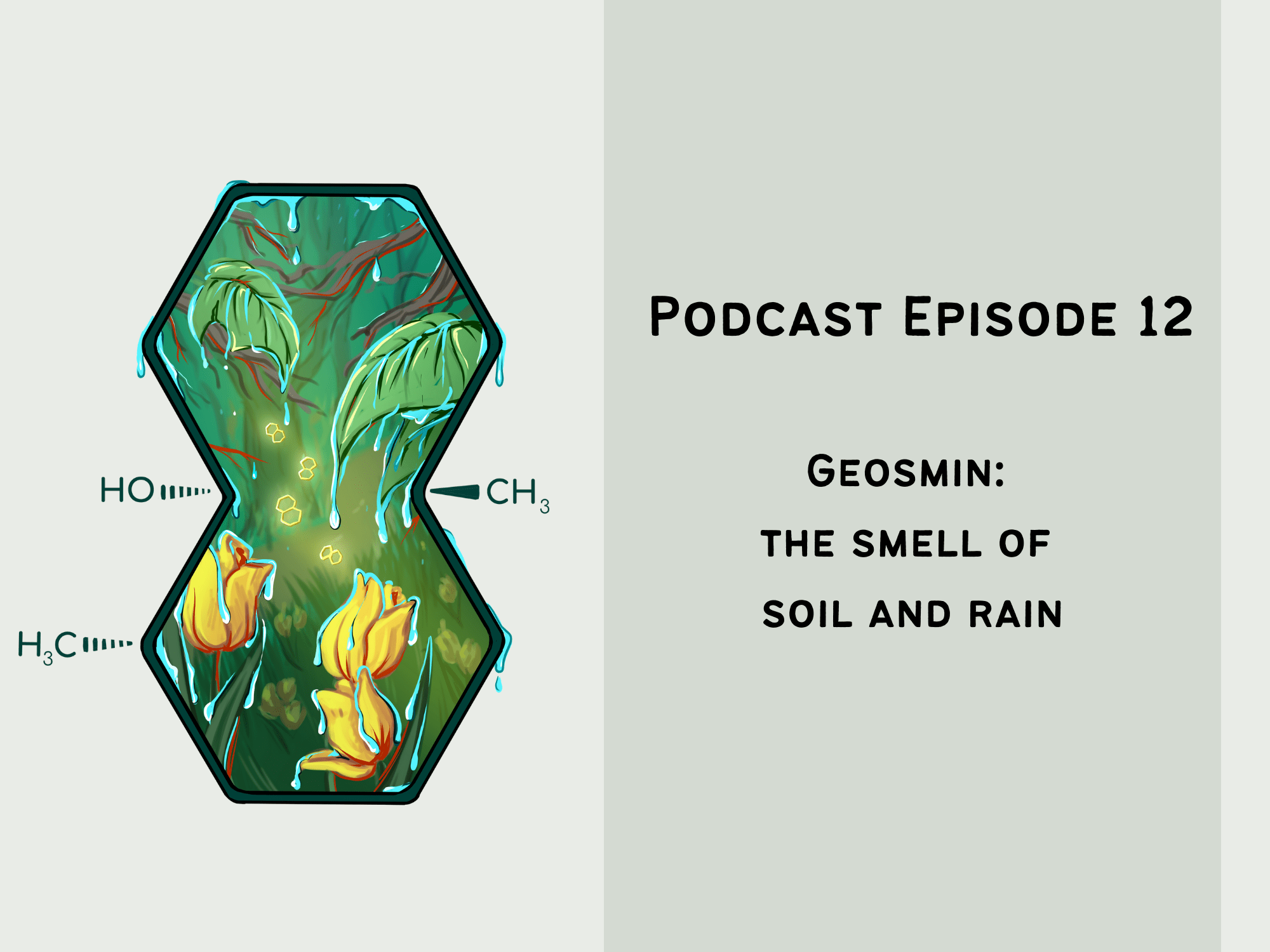
Geosmin is an organic compound with a strong earthy smell that many people associate with rain or freshly turned soil. But its origins are linked to a variety of natural processes, including the decomposition of organic matter in compost. Geosmin is produced by certain microorganisms, particularly bacteria and fungi, that thrive in damp, decaying environments like compost heaps.
As organic matter in compost breaks down, bacteria like Streptomyces release geosmin into the air. This compound is created during the process of microbial metabolism, where these microorganisms digest organic materials such as plant matter, food scraps, and yard waste. The result is not just the decomposition of waste, but the production of this distinctive smell that is often linked to fresh soil and natural growth.
Why Does Geosmin Smell Like Rain?
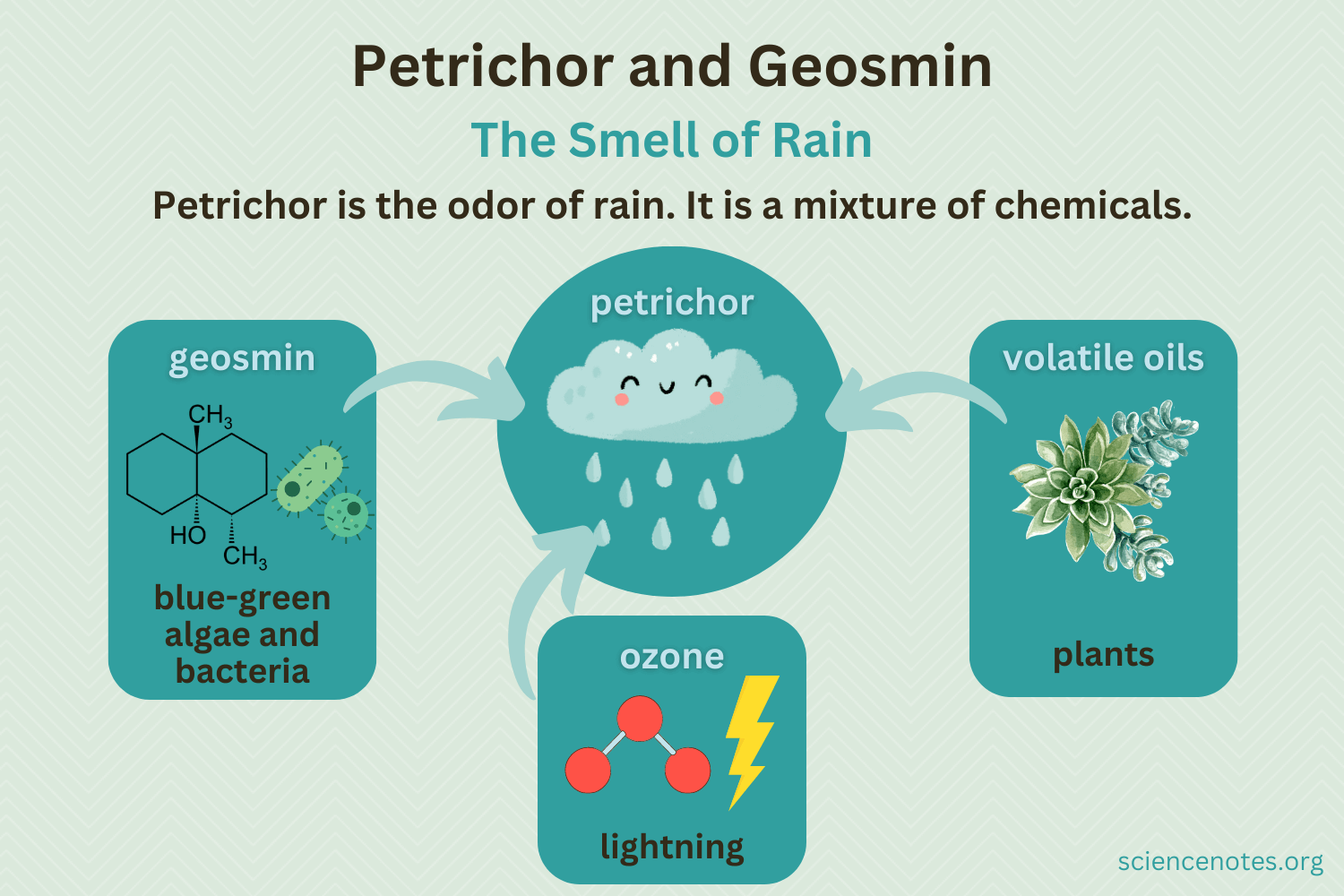
When it rains, the water that falls on the soil or compost heap interacts with geosmin, releasing the compound into the air. This is what leads to the characteristic “earthy” smell that many people recognize after a rainfall. The connection is simple: the presence of moisture allows geosmin to evaporate and become airborne, which is why we often associate the smell with rain.
Interestingly, the human nose is incredibly sensitive to geosmin. We can detect this compound at very low concentrations—around 5 parts per trillion. This heightened sensitivity is likely due to our evolutionary relationship with the natural environment, as the smell of geosmin often signals the presence of fresh, fertile soil that is ideal for planting and growth. It’s no wonder that people find the scent so pleasing; it subconsciously connects us to the earth and the cycle of life.
The Role of Compost in Geosmin Production
Composting is a natural process that transforms organic waste into nutrient-rich soil. During this process, microorganisms break down the waste, and it is at this stage that geosmin is produced. The complex interactions between bacteria, fungi, and organic matter create an environment ripe for geosmin production.
The composting process also involves aerobic (with oxygen) and anaerobic (without oxygen) conditions, both of which contribute to the release of geosmin. In aerobic conditions, oxygen-loving bacteria such as Streptomyces thrive, while in anaerobic conditions, other microorganisms play a role in producing geosmin. This diverse microbial activity is why compost heaps are such a rich source of the earthy smell.
Why is Geosmin Important?
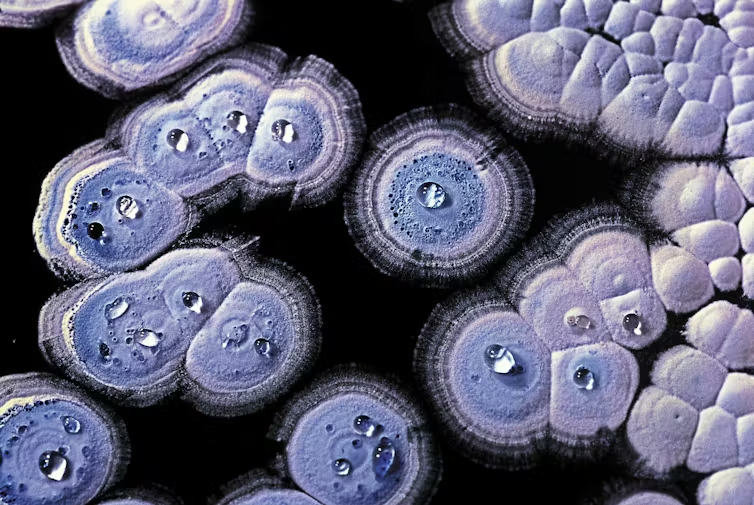
Although geosmin is often associated with composting, rain, and fresh soil, it plays a significant ecological role. Geosmin is produced as part of the decomposition process, which is essential for nutrient cycling in ecosystems. The organic matter that decays in compost provides vital nutrients to the soil, enriching it and making it more fertile. This in turn supports plant growth and enhances the biodiversity of an ecosystem.
Moreover, the presence of geosmin in the environment is not just a sign of decomposition—it’s also a marker of healthy, active microbial life. Compost that is rich in geosmin is an indication that the breakdown of organic matter is occurring efficiently, creating a thriving environment for plants, insects, and other wildlife.
Geosmin’s Connection to Health and Well-being
The smell of geosmin, while beloved by many, may also have a positive effect on human health. Studies have shown that exposure to certain natural scents, such as those found in freshly composted soil, can have a calming and grounding effect on people. This connection to nature, known as “biophilia,” may explain why so many people find the earthy scent of rain or compost so comforting.
Furthermore, the process of composting itself has several benefits. It’s an eco-friendly way to recycle organic waste, reduce landfill usage, and produce valuable compost that can enrich garden soil. In this sense, geosmin is a reminder of the power of nature to recycle and renew itself, while also providing valuable resources for human use.
How Can You Create Geosmin in Your Own Backyard?

If you’re interested in experiencing the smell of geosmin firsthand, you can easily create it by starting your own composting system. Composting at home is simple and requires only a few basic ingredients—food scraps, yard waste, and a little time. As the organic matter breaks down, you’ll begin to notice the earthy scent of geosmin filling the air.
To get started, choose a compost bin or create a compost pile in your backyard. Add a mixture of green materials (such as vegetable scraps) and brown materials (such as dry leaves or cardboard), and turn the compost regularly to ensure proper airflow. Over time, as the compost breaks down and microbial activity increases, you’ll start to smell the familiar earthy aroma that signals the production of geosmin.
The Benefits of Composting and Geosmin Production
Composting provides numerous benefits, not just for the environment, but for your garden as well. The rich, dark compost that results from the process can improve soil structure, retain moisture, and provide essential nutrients to plants. This in turn leads to healthier, more productive gardens.
Additionally, the presence of geosmin in your compost heap is an indication of a healthy, thriving microbial community. As these microorganisms work to break down organic material, they produce geosmin and other compounds that enrich the compost, making it more beneficial for plant growth. This is a clear example of how composting mirrors natural processes that sustain life on Earth.
Conclusion
Geosmin is much more than just a pleasant scent; it is a reminder of the Earth’s natural processes of renewal, decomposition, and growth. From the rain that releases its earthy aroma to the compost pile in your backyard, geosmin plays a crucial role in maintaining the balance of ecosystems. Its connection to the smell of fresh rain makes it a universally recognized fragrance, one that subconsciously connects us to nature.
For gardeners and environmentalists alike, composting is a way to engage with nature’s cycles and contribute to the health of the planet. By understanding the science behind geosmin, we can appreciate not only the pleasant scent but also the powerful processes that make it possible. The next time you smell that earthy aroma after a rainfall or from your compost pile, remember that it’s not just a smell—it’s a sign of nature working to renew and sustain life.