

Table of Contents
A Remarkable Find
On a family outing near the Chesapeake Bay, Emma, a young nature enthusiast, was collecting shells along the shoreline when she made an unexpected discovery. As she sifted through the sand, she noticed something unusual—a large, jagged object partially buried in the mud. Her curiosity led her to pick it up, and that’s when she realized she had found something extraordinary: a megalodon tooth.
The tooth, estimated to be about 5 inches long, immediately caught the attention of her family. Unsure of what she had found, they turned to local experts, who confirmed that Emma’s discovery was, in fact, a megalodon tooth—an ancient relic from a time long past. This rare find has sparked excitement among paleontologists, as megalodon fossils are incredibly scarce, especially in regions like the Chesapeake Bay.
What is the Megalodon?

The megalodon, scientifically known as Carcharocles megalodon, was one of the largest and most powerful predators to ever roam the Earth. Living approximately 23 to 3.6 million years ago, this prehistoric shark was a fearsome hunter, with an estimated length of up to 60 feet. Its teeth, some as large as 7 inches, were designed to tear through the flesh of large prey such as whales and seals.
Megalodons are often considered the ancestors of modern sharks, but they were far larger and more menacing. Despite their extinction, the megalodon continues to captivate imaginations around the world, largely due to its size and predatory prowess. The discovery of such a tooth is not only a fascinating glimpse into the distant past but also a reminder of the creatures that once ruled our oceans.
The Importance of the Find
Emma’s megalodon tooth discovery is remarkable for several reasons. First, the Chesapeake Bay is not typically known for yielding megalodon fossils. While the waters have long been a rich source of marine life, the region is more famous for its abundant shark teeth, mostly from smaller species that lived much later than the megalodon. The discovery of a tooth from such a massive predator adds a new layer to the region’s prehistoric history.
Moreover, the fact that the tooth is believed to be around 15 million years old is significant. This period, during the Miocene epoch, was a time of great diversification in marine life, including the rise of many modern shark species. A tooth from a megalodon provides valuable insights into the ecosystems of the past and the creatures that once dominated them.
Paleontological Significance
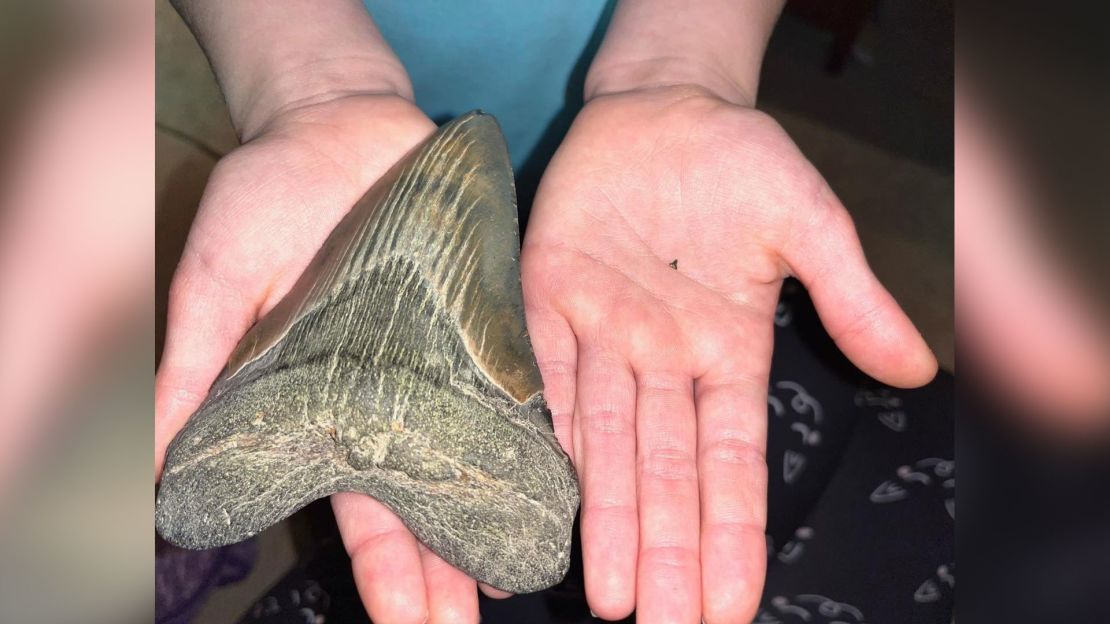
For paleontologists, the discovery of a megalodon tooth in the Chesapeake Bay is a rare event that may provide new data on the distribution and habits of these ancient creatures. Fossilized teeth are often the primary evidence scientists have to study the behavior and characteristics of prehistoric animals, as bones and other soft tissue rarely survive the test of time. This tooth, along with other fossils, could potentially reveal more about the megalodon’s diet, migration patterns, and the environments it inhabited.
The Chesapeake Bay is now a focal point for further exploration. Experts believe that the region could contain more fossils from the megalodon and other ancient species, potentially leading to further discoveries that could deepen our understanding of Earth’s ancient oceans.
Emma’s Moment of Fame
Since her discovery, Emma has become a local celebrity, gaining recognition not only for her rare find but also for her enthusiasm for nature and history. Her story has inspired other young adventurers and budding paleontologists, proving that anyone, no matter their age, can make a difference in the field of science.
Her discovery has also highlighted the importance of environmental awareness and the value of spending time outdoors. As Emma’s family continues to visit the Chesapeake Bay, they remain hopeful that other hidden treasures from Earth’s distant past may still be uncovered. For Emma, this is just the beginning of what promises to be an exciting journey of exploration and discovery.
The Megalodon’s Legacy
The megalodon, despite its extinction millions of years ago, continues to live on in popular culture and scientific study. The discovery of its teeth, particularly ones like Emma’s, allows scientists to piece together the life of a creature that has fascinated humanity for centuries. The mystery of the megalodon’s extinction also continues to spark debates among scientists, as they explore whether environmental changes, competition from other species, or other factors led to the shark’s eventual demise.
Emma’s discovery not only shines a light on the megalodon but also reminds us of the power of curiosity and the wonder of exploration. As new generations take an interest in the mysteries of the Earth’s past, discoveries like Emma’s will continue to enrich our understanding of the natural world.
Implications for the Future
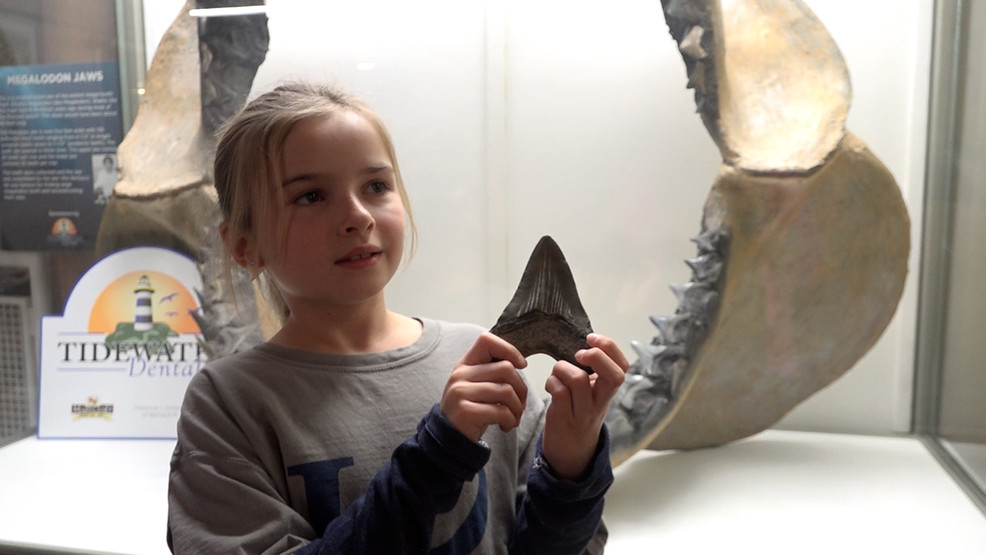
What Emma uncovered is more than just an ancient tooth—it’s a piece of a larger puzzle that scientists are still trying to put together. As more people engage in fossil hunting and the study of ancient creatures, the potential for new discoveries grows. Emma’s experience also encourages others to take a closer look at the world around them, whether they’re walking along the beach or digging in their own backyard.
The future of paleontology lies in the hands of young, passionate explorers like Emma, who are willing to look beyond the ordinary and search for extraordinary answers in the most unexpected places. As more discoveries are made, we will continue to uncover the secrets of Earth’s past, helping to answer questions about how our planet and its creatures have evolved over millions of years.
Conclusion
Emma’s discovery of a 15 million-year-old megalodon tooth in the Chesapeake Bay is a rare and extraordinary event that has captivated the scientific community and the public alike. This remarkable find not only highlights the prehistoric creatures that once roamed our oceans but also underscores the importance of curiosity, exploration, and the pursuit of knowledge. For Emma, this is just the beginning of her journey, and for the rest of us, it serves as a reminder that the wonders of the past are still out there waiting to be discovered.