
Table of Contents
- The Ordinary Walk That Turned Into Crisis
- The Moment The Dog Made A Choice
- Why Guide Dogs Are Trained Differently
- The Bond Between A Guide Dog And Its Owner
- The Immediate Aftermath
- Public Reaction And Emotional Shock
- Can Dogs Understand Sacrifice
- Why This Story Resonates Across Cultures
- The Cost Of Heroism For Animals
- The Recovery And What Came After
- What This Incident Reveals About Trust
- The Broader Meaning Of The Story
- A Redefinition Of Courage
- Closing Reflection
The Ordinary Walk That Turned Into Crisis
The blind man and his guide dog were navigating a familiar route. The dog, trained to assess traffic flow and stop when danger approached, was doing what he had done countless times before. Everything appeared normal.
Then something went wrong.
According to witnesses, a bus approached faster than expected. Whether the driver misjudged the crossing or visibility was compromised remains part of ongoing discussion. What is clear is that the bus was close enough to present immediate danger.
The dog reacted instantly.
The Moment The Dog Made A Choice
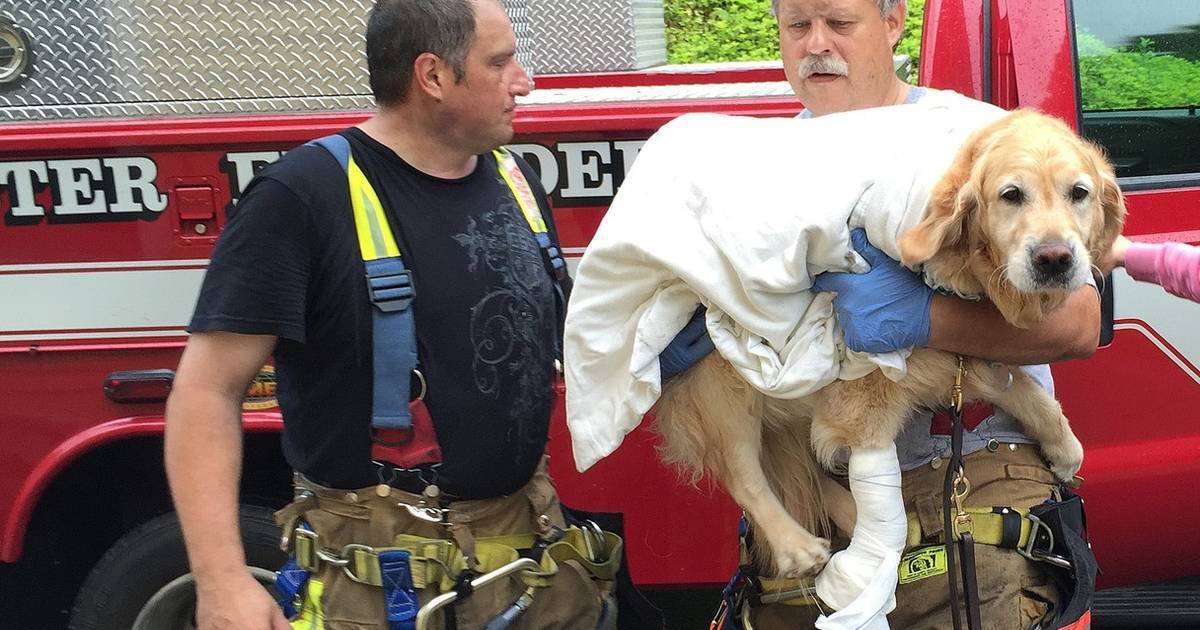
Instead of pulling back or freezing, the guide dog lunged forward, placing his body directly in front of the bus. The impact was unavoidable. Witnesses later described the sound as horrifying.
The dog absorbed the force that would have struck his owner. The man was thrown but survived. The dog lay injured.
That decision was not taught in training manuals. It was not rehearsed. It was instinct born from connection.
Why Guide Dogs Are Trained Differently
Guide dogs are trained to lead, stop, and assess environmental risks. They are not attack dogs or guard dogs. Their primary function is to assist with navigation, not confrontation.
Experts explain that guide dogs are taught something called intelligent disobedience. If an owner gives a command that would place them in danger, the dog must refuse. This ability to override instruction saves lives daily.
What happened here went beyond that principle. The dog did not simply refuse to move forward. He moved into danger himself.
The Bond Between A Guide Dog And Its Owner
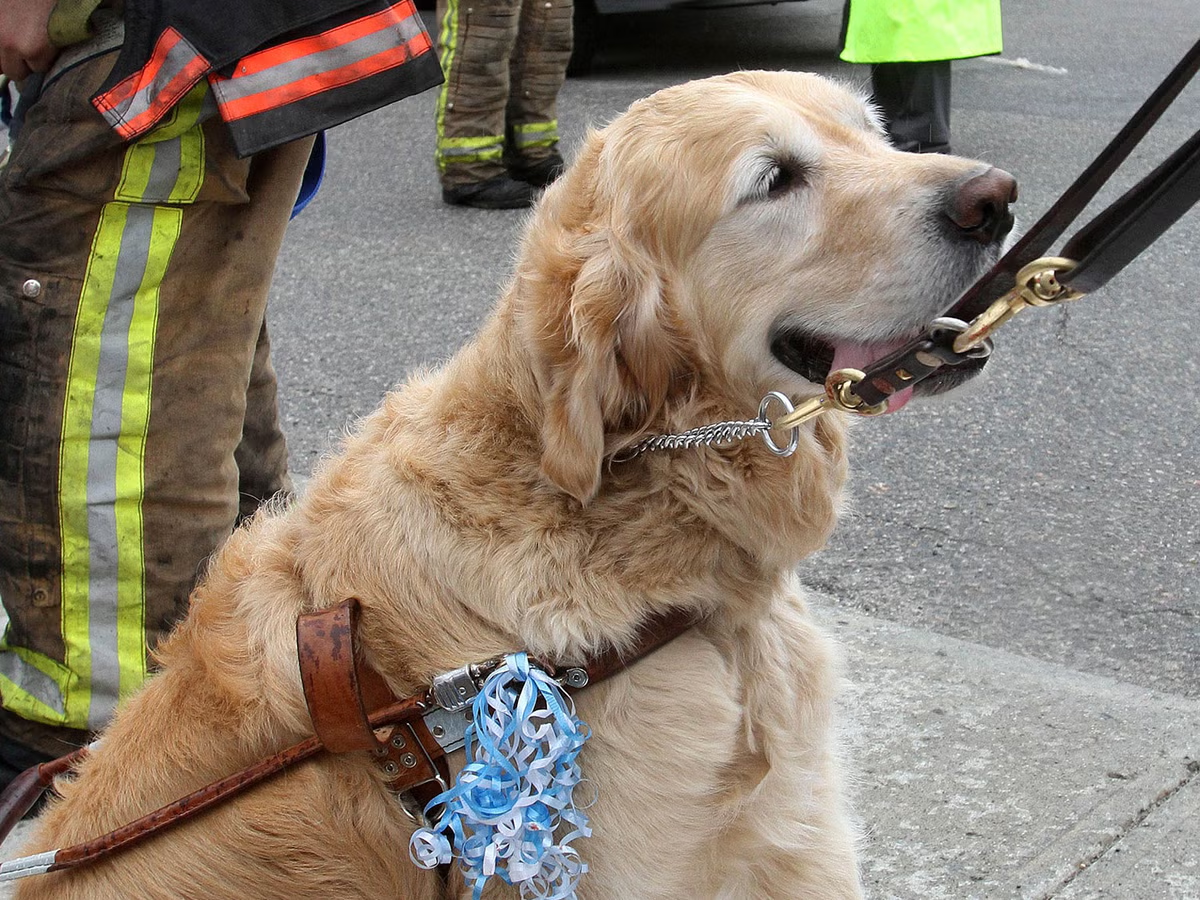
Guide dogs and their handlers form one of the strongest working partnerships known. The dog becomes an extension of the owner’s senses. Trust is absolute.
That trust is built through years of training, daily routines, and emotional attunement. The dog learns the owner’s pace, habits, and vulnerabilities. The owner learns to surrender control.
In moments of crisis, that bond becomes decisive.
The Immediate Aftermath
Emergency responders arrived quickly. The owner, injured but conscious, repeatedly asked about his dog. Witnesses recall his distress overshadowing his own pain.
The dog was rushed to veterinary care in critical condition. The injuries were severe, but survival remained possible.
For many watching, the question was not whether the dog would recover, but how such a sacrifice could exist at all.
Public Reaction And Emotional Shock
When the story spread, reactions poured in from around the world. Many people described crying after reading it. Others expressed awe.
What struck most readers was not just the action, but the intent they perceived behind it. The dog did not run away. He ran forward.
In an era where heroism is often associated with spectacle, this act felt raw and unfiltered.
Can Dogs Understand Sacrifice
Scientists caution against projecting human moral reasoning onto animals. Dogs do not conceptualize sacrifice the way humans do. Yet they do experience attachment, threat assessment, and protective behavior.
Studies show that dogs respond to stress in their owners with heightened alertness. They can detect changes in posture, breathing, and tone. When danger is perceived, some dogs act.
In this case, the guide dog’s training combined with emotional attachment likely produced a rapid protective response.
Why This Story Resonates Across Cultures
This story crossed cultural and linguistic boundaries because it touched something universal. The idea of someone stepping into harm’s way to save another.
People saw in the dog a reflection of the best human instincts. Courage without calculation. Loyalty without hesitation.
That mirror is uncomfortable and inspiring at the same time.
The Cost Of Heroism For Animals
Animal hero stories often end with applause and admiration. But they also raise questions. Animals do not consent to danger. They act out of trust.
This reality places responsibility on humans to protect animals who protect us.
Guide dogs give independence, safety, and dignity to their handlers. They ask only for care and respect in return.
The Recovery And What Came After
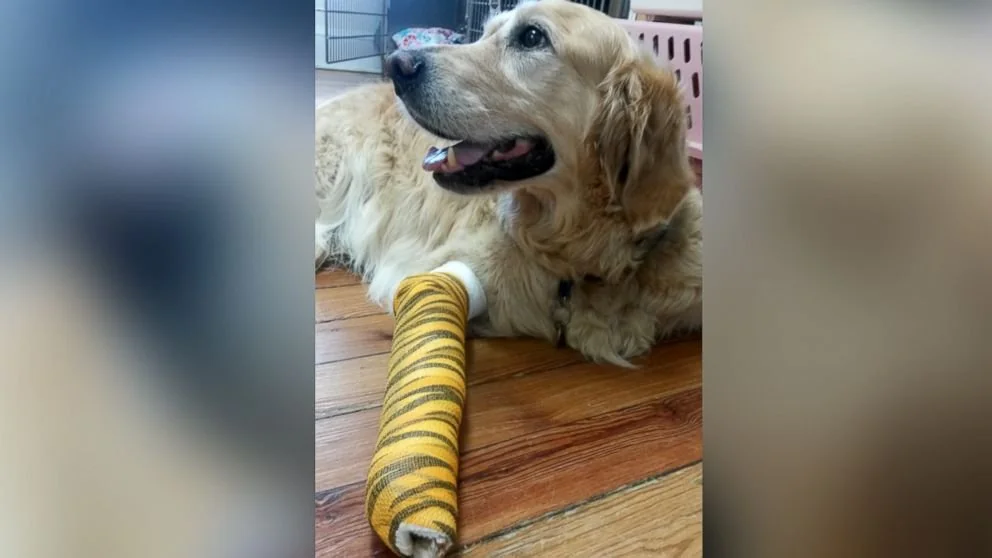
The dog survived after intensive veterinary treatment. Recovery was long and uncertain, but progress came slowly.
For the owner, gratitude was inseparable from guilt. Survivors often struggle with knowing another being was hurt in their place.
That emotional weight is part of the bond. It does not fade easily.
What This Incident Reveals About Trust
Trust is often discussed abstractly. In this story, trust was physical.
The owner trusted the dog with his life every time they crossed a street. The dog trusted the owner to be worth protecting.
That mutual trust created a moment where instinct overtook self preservation.
The Broader Meaning Of The Story
Beyond the individuals involved, this story invites reflection on how society values animals. Not as tools, but as partners.
It challenges the assumption that animals are passive recipients of care. They are active participants in relationships.
When given responsibility, they often rise to it in ways humans do not expect.
A Redefinition Of Courage
Courage is often portrayed as bravery in the face of fear. This dog did not pause to be brave. He acted.
That immediacy is what makes the act so powerful. There was no time for fear.
Just movement.
Closing Reflection
The image of a guide dog leaping in front of a bus to save his blind owner is not easily forgotten. It stays because it asks difficult questions about loyalty, responsibility, and love.
This was not a trained response. It was not rewarded behavior. It was a moment where connection became instinct.
In that instant, the dog did what he had always done. He guided his human away from danger.
Even when it meant stepping directly into it himself.