
Table of Contents
- Pam Bondi’s Role in the Epstein Case
- The Growing Political Tensions Over the Epstein Files
- The Epstein Files: What Bondi’s Testimony Reveals
- The Impact of Epstein’s Death on the Investigation
- What This Means for the Future of Accountability in High-Profile Cases
- The Role of the Media in Shaping Public Perception of the Epstein Case
- What’s Next for the Epstein Investigation?
- Conclusion:
Pam Bondi’s Role in the Epstein Case
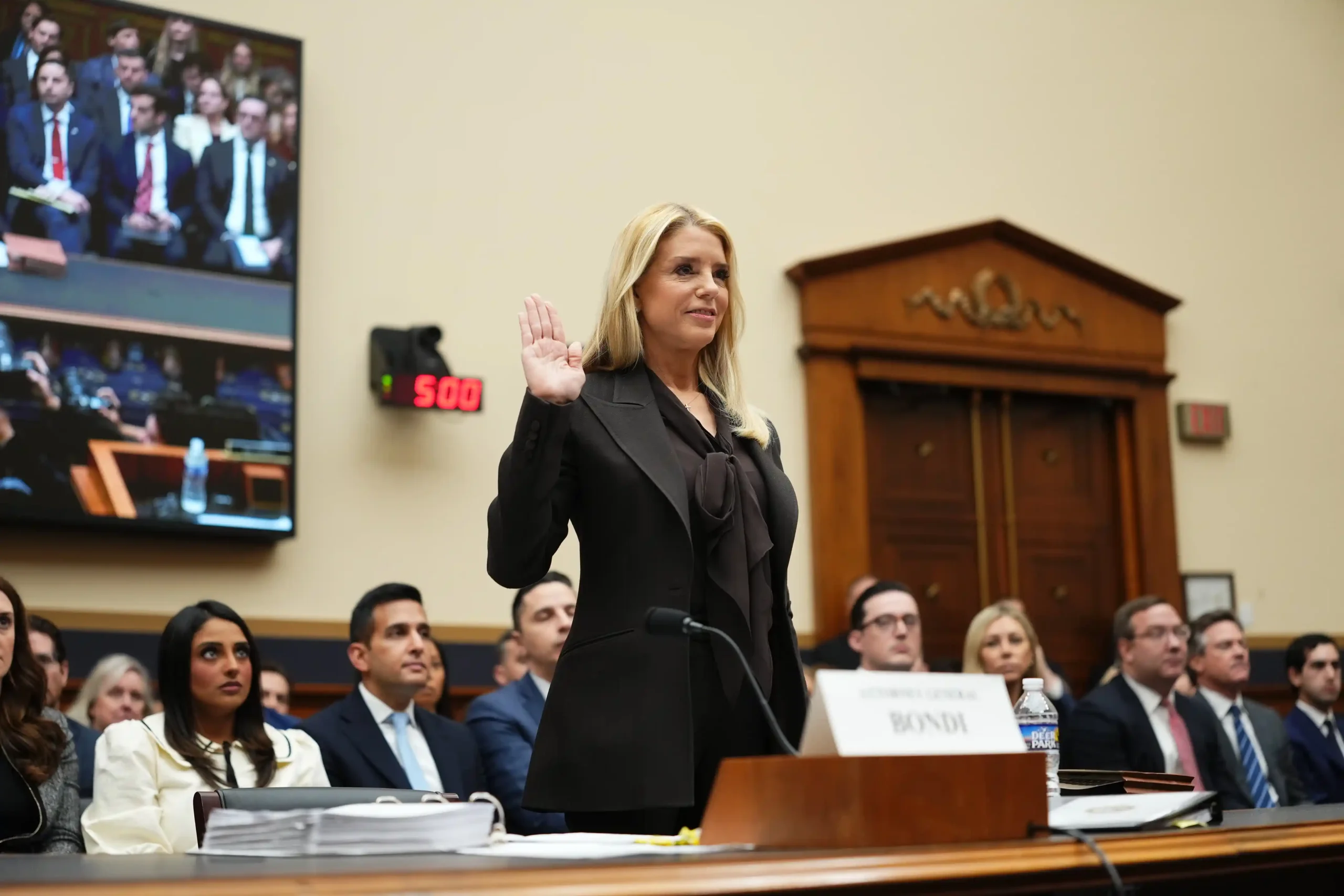
Pam Bondi’s connection to the Epstein case has been a focal point of political controversy since the early days of Epstein’s prosecution. As Florida’s Attorney General, Bondi played a pivotal role in Epstein’s 2008 plea deal, which allowed the financier to serve just 13 months in a county jail despite being accused of serious crimes involving underage girls. Critics argue that this deal was a product of Epstein’s wealth and political connections, and Bondi’s office has faced scrutiny for not pursuing further charges against Epstein at the time.
During her testimony, Bondi defended her actions, claiming that her office operated within the law and that there was little they could have done to alter the outcome of the case. She emphasized that at the time, the law and the available evidence presented serious limitations. However, the leniency of the plea deal has been a major source of public outcry, and Bondi’s testimony has revived discussions about her role in helping Epstein avoid more serious legal consequences.
As the Epstein case has resurfaced in the public eye following his death in 2019, Bondi’s past actions have come under renewed scrutiny. Her involvement in the case continues to haunt her political legacy, and her testimony on the Epstein files could have lasting implications for her career and future prospects.
The Growing Political Tensions Over the Epstein Files
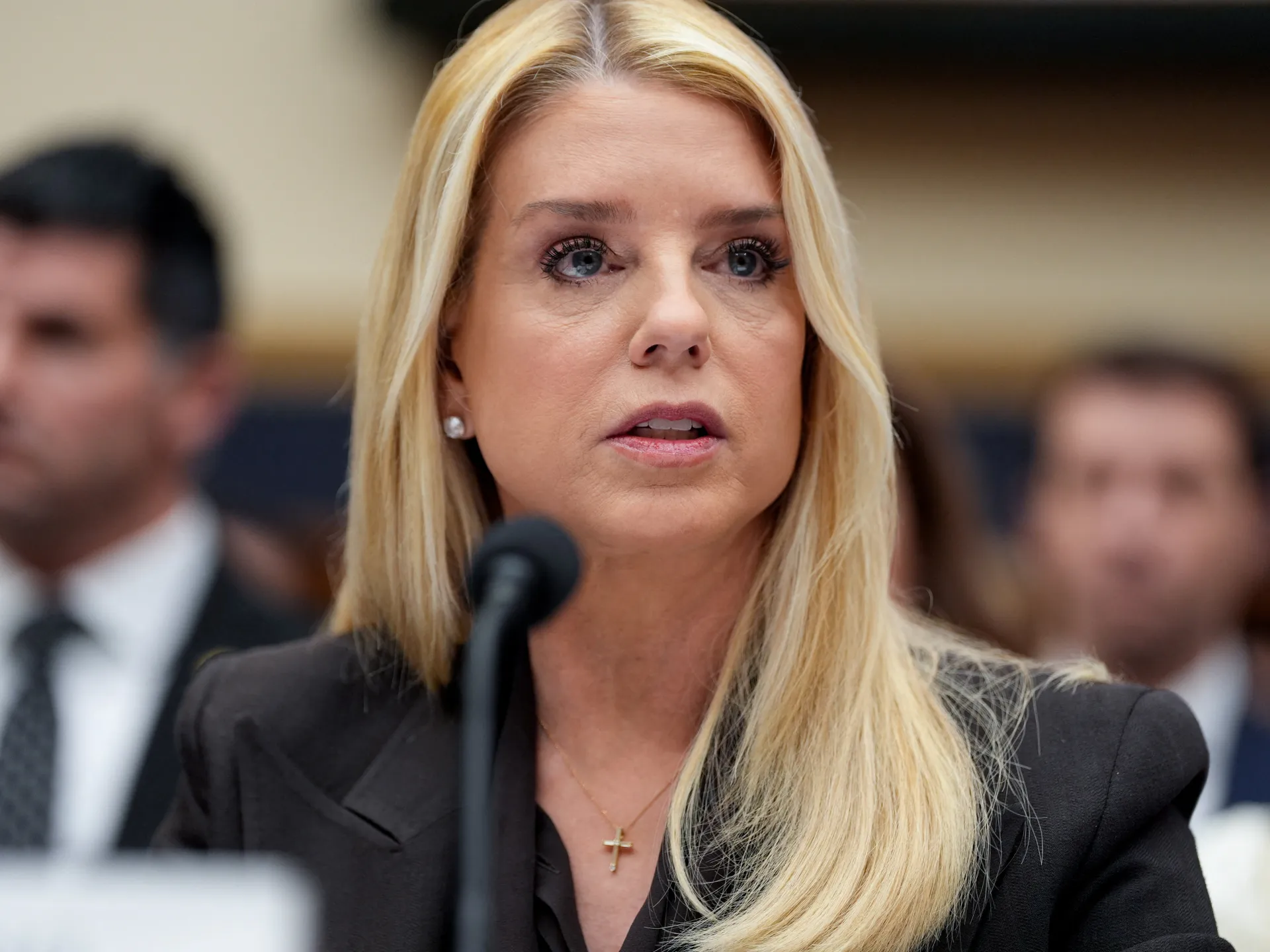
Bondi’s testimony comes at a time of increasing political tension, particularly as Democrats and advocacy groups demand more transparency about the Epstein files. The files contain sensitive information related to Epstein’s extensive network of abuse, and many believe that powerful figures, including politicians and business leaders, may have played a role in facilitating or enabling his crimes. For Democrats, the Epstein case represents a broader fight for accountability, especially when it comes to holding influential individuals accountable for their actions.
Democrats have been calling for the full release of the Epstein files, as well as a comprehensive investigation into the handling of Epstein’s case by authorities, including Bondi’s office. They argue that the public has a right to know the full extent of Epstein’s network, which includes wealthy and powerful figures who may have been involved in or aware of his criminal activities. The push for full disclosure has led to political clashes, with Bondi and others defending their actions, while critics argue that the public has been misled about the true extent of Epstein’s operations.
Bondi’s testimony has become a flashpoint in these political battles, with each side using the case to make broader points about corruption, accountability, and justice. As the investigation continues, the political fallout from the Epstein files is expected to grow, especially as more revelations come to light.
The Epstein Files: What Bondi’s Testimony Reveals
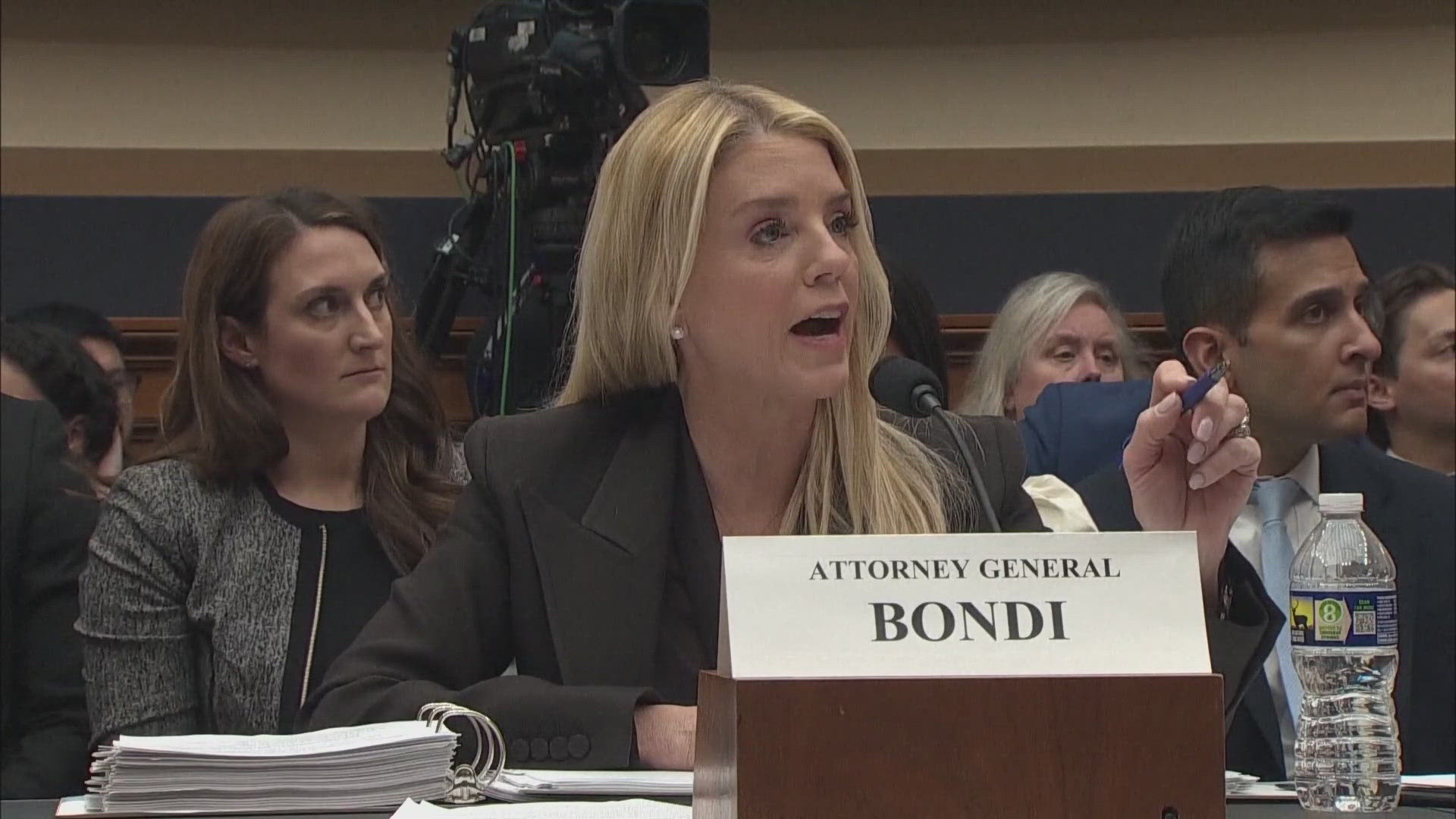
During her testimony, Bondi provided insight into her office’s handling of the Epstein case and her role in the decision to approve the controversial plea deal. She explained that, at the time, Epstein had agreed to cooperate with authorities and that her office was constrained by the legal framework in place. However, critics argue that Epstein’s plea deal was too lenient and that the system failed to hold him accountable for his numerous alleged crimes.
One of the key points of contention during Bondi’s testimony was her involvement in securing the plea deal for Epstein. While Bondi claimed that the deal was the best option given the circumstances, many have pointed to the fact that Epstein continued his criminal behavior even after serving his minimal sentence. Bondi’s testimony highlights the complex nature of prosecuting high-profile cases, particularly when powerful individuals are involved. However, it also underscores the systemic failures that allowed Epstein to evade justice for so long.
For many, Bondi’s testimony serves as a stark reminder of the failures of the justice system and the lengths to which wealthy and influential figures can go to avoid accountability. The Epstein case is a glaring example of how the system can sometimes protect the powerful at the expense of vulnerable victims.
The Impact of Epstein’s Death on the Investigation
The death of Jeffrey Epstein in 2019, which was ruled a suicide by authorities, has added another layer of complexity to the investigation. While many continue to question the circumstances surrounding Epstein’s death, his passing has not halted efforts to hold those responsible for his crimes accountable. The Epstein files contain critical information that could expose more of the individuals who enabled or ignored his criminal behavior, and many are pushing for full transparency to ensure that justice is served.
In the wake of Epstein’s death, many of his survivors have expressed frustration with the lack of progress in the investigation. They argue that the powerful figures in Epstein’s network are still evading accountability and that the death of Epstein should not be an excuse for halting the investigation. Bondi’s testimony and the political fallout surrounding the Epstein files have reignited discussions about how the investigation should proceed and what needs to be done to uncover the full extent of Epstein’s criminal activities.
The impact of Epstein’s death on the investigation has also raised questions about how to handle investigations into high-profile figures who may have used their power and influence to avoid legal consequences. Bondi’s testimony could play a crucial role in answering some of these questions and ensuring that future investigations into similar cases are handled more effectively.
What This Means for the Future of Accountability in High-Profile Cases
The ongoing clash over the Epstein files has broader implications for the future of accountability in high-profile criminal cases. The political battles and public outcry over the Epstein case highlight the difficulties in holding powerful individuals accountable for their actions, particularly when they have the resources to evade justice. The Epstein case has exposed the vulnerabilities in the legal system, where wealthy and influential figures can sometimes escape the consequences of their actions.
As more public figures are implicated in the Epstein case, the question of how to achieve true accountability becomes even more urgent. Bondi’s testimony, while shedding light on her role in the case, also serves as a reminder of the need for systemic reform to ensure that individuals in positions of power are not able to avoid justice through political or financial influence.
The Epstein case may prove to be a turning point in how the justice system handles high-profile criminal investigations. As the investigation continues, it will be important to ensure that the focus remains on justice for the victims, rather than on political maneuvering or the protection of powerful figures.
The Role of the Media in Shaping Public Perception of the Epstein Case

The media has played a pivotal role in shaping public perception of the Epstein case, particularly as it relates to figures like Pam Bondi. The intense media scrutiny surrounding Bondi’s testimony has amplified the political tensions and made the case a focal point for debates about corruption, accountability, and justice. The media’s coverage of the case has not only exposed the failures of the justice system but has also given a voice to the victims, many of whom have long felt ignored by the authorities.
While the media’s role in exposing the Epstein case has been crucial, it has also sparked criticism from those who believe that the coverage is too focused on political figures and not enough on the victims. As the case continues to unfold, it will be important for the media to maintain a balanced approach, ensuring that the victims’ voices are heard and that the investigation remains focused on uncovering the truth.
What’s Next for the Epstein Investigation?
As the Epstein investigation continues, the focus remains on uncovering the full scope of Epstein’s crimes and identifying those who enabled or participated in his activities. Bondi’s testimony is just one piece of the puzzle, but it underscores the broader need for transparency and accountability in the case. As more details emerge, it is crucial that the investigation continues to prioritize the victims and that those responsible are held accountable.
The future of the Epstein case remains uncertain, but the growing public demand for justice and transparency is likely to keep the pressure on law enforcement and political figures alike. As more figures from Epstein’s network are exposed, the hope is that the investigation will lead to greater accountability and ensure that similar cases are handled more effectively in the future.
Conclusion:
The clash between Pam Bondi and the Democrats over the Epstein files reflects the larger struggle for justice and accountability in the Epstein case. Bondi’s testimony has raised important questions about her role in the case and the broader implications for political accountability in high-profile criminal investigations. The fight for justice is far from over, and the Epstein case serves as a reminder of the challenges involved in holding powerful individuals accountable.
As the investigation continues, it is essential that the focus remains on the victims and their pursuit of justice. The Epstein case has exposed the deep flaws in the justice system, and the political fallout from Bondi’s testimony serves as a reminder of the need for systemic reform. The road to justice may be long, but the fight for accountability continues, and the Epstein case will undoubtedly remain a central issue for years to come.