
Table of Contents
- The Vision Behind the Foster Care Village
- Why Foster Care Often Falls Short
- A Community Designed for Healing
- Christian Bale’s Personal Motivation
- Keeping Siblings Together
- The Role of Caregivers in the Village
- Why Location Matters
- A Different Model of Celebrity Philanthropy
- Public Reaction and Quiet Admiration
- The Emotional Impact on Children
- How Design Influences Wellbeing
- Addressing Trauma Without Stigma
- A Model With Broader Implications
- Challenges and Realities
- The Importance of Long Term Commitment
- Shifting the Narrative Around Foster Care
- Why This Matters Beyond One Village
- A Reflection on Responsibility and Privilege
- What the Future Could Hold
- Conclusion
The Vision Behind the Foster Care Village
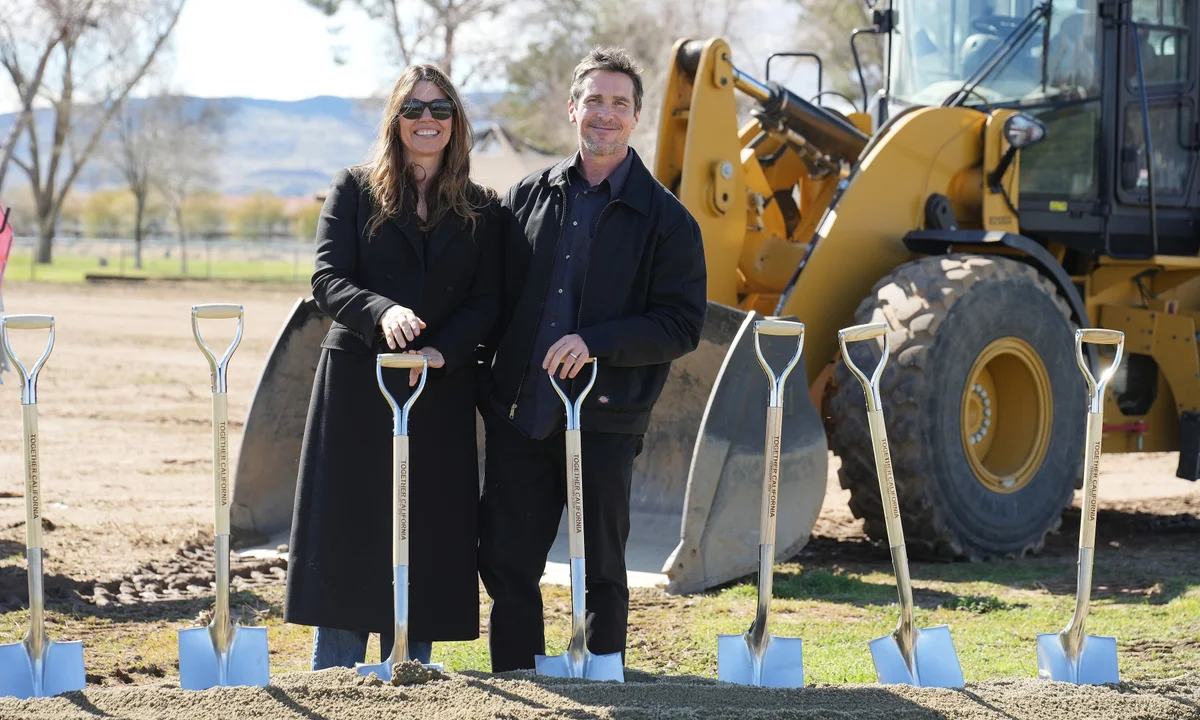
The foster care village was created with a clear and deliberate goal. To offer children who cannot safely live with their biological families a sense of normalcy, continuity, and belonging. Rather than placing siblings in separate homes or institutional settings, the village was designed to keep families together and rooted in a supportive environment.
The concept challenges traditional foster care arrangements that often prioritize availability over emotional stability. By building a dedicated community, the project aims to reduce trauma and disruption during an already vulnerable chapter in a child’s life.
Why Foster Care Often Falls Short
Foster care systems around the world struggle with limited resources, frequent placement changes, and emotional strain on children. Many young people in care experience instability that compounds existing trauma. Moving from one temporary home to another can disrupt schooling, relationships, and mental health.
Experts emphasize that the loss of consistent caregivers can be as damaging as the original circumstances that led to foster placement. This reality shaped the philosophy behind the village, which focuses on permanence rather than transition.
A Community Designed for Healing
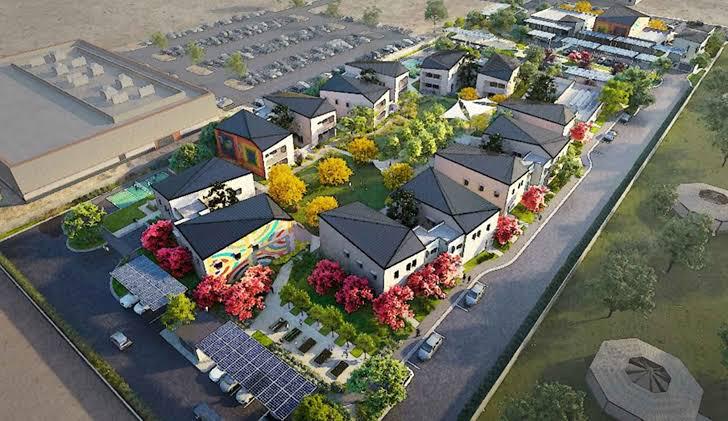
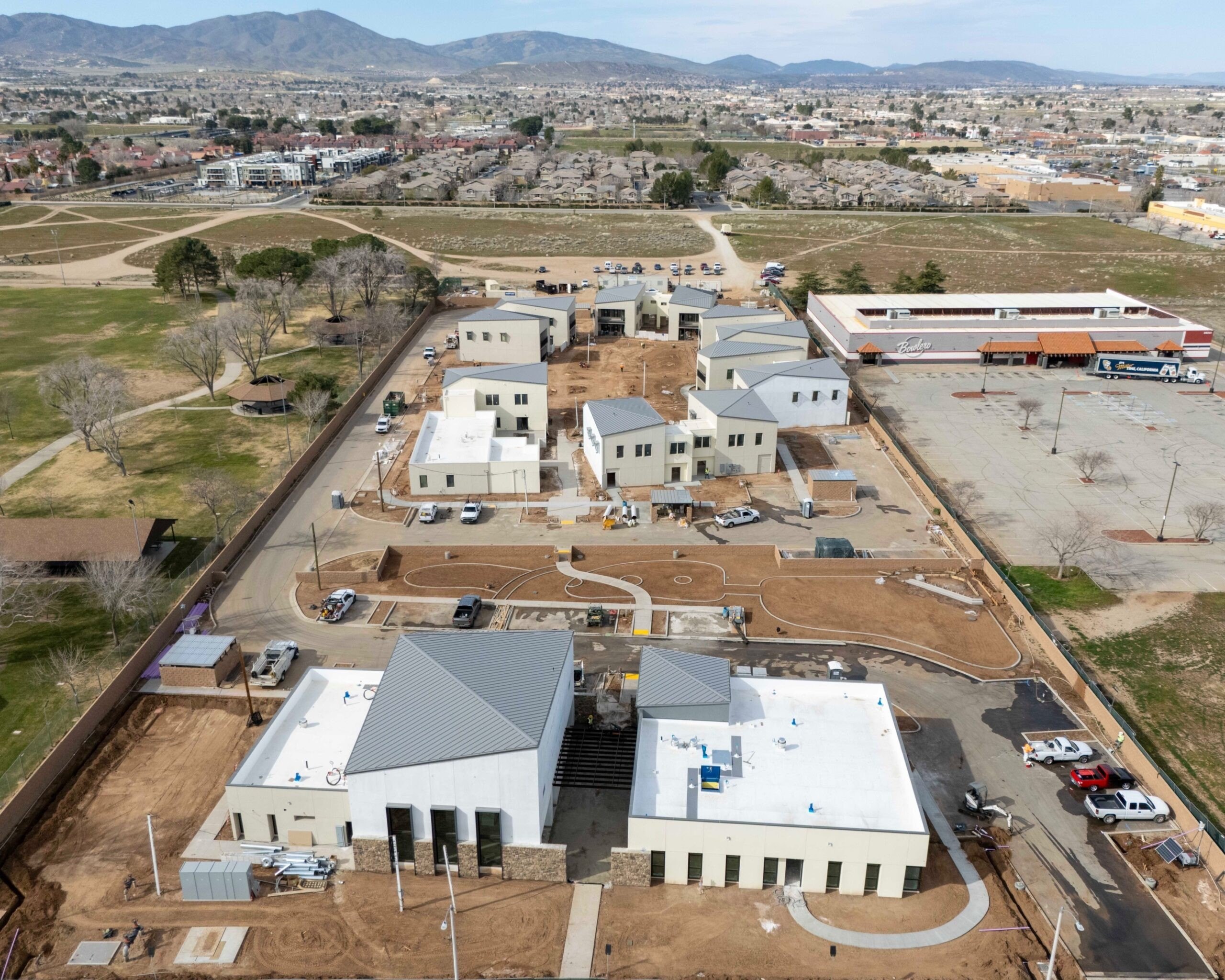
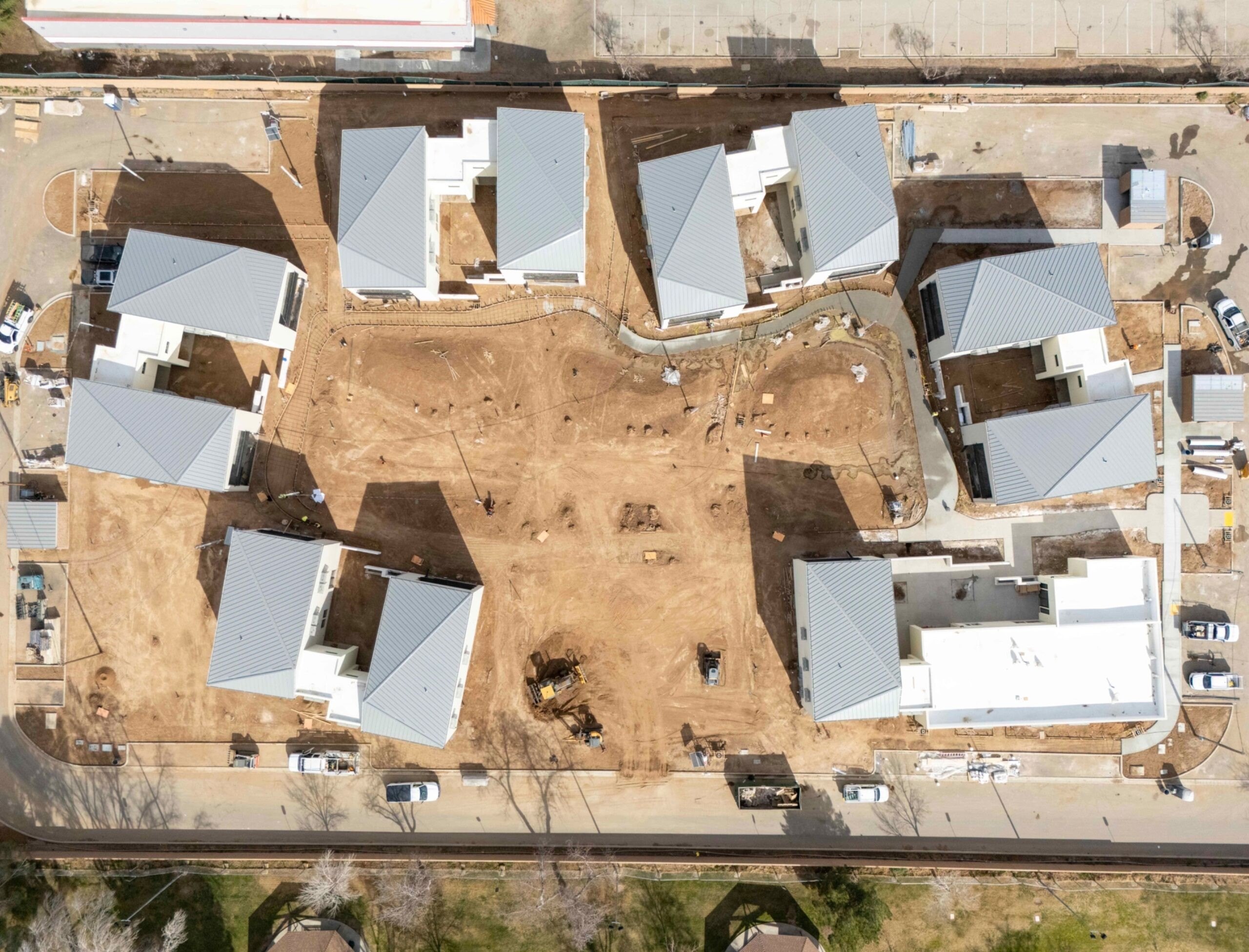
The foster care village is more than a collection of houses. It is a carefully planned neighborhood that integrates family homes, shared spaces, and access to professional support. Each residence is intended to feel like a real home, not a temporary shelter.
Children are encouraged to form routines, attend nearby schools, and build relationships with caregivers and peers. By minimizing disruption, the village seeks to create an environment where trust can slowly be rebuilt.
Christian Bale’s Personal Motivation
Bale has spoken about the influence of his own family experiences and his awareness of how early environments shape a person’s future. While he avoids publicizing his charitable work, those close to the project describe his involvement as hands on and deeply intentional.
Rather than lending his name alone, Bale supported the vision from concept to completion. His approach reflects a belief that meaningful change requires commitment, not attention.
Keeping Siblings Together
One of the most significant features of the foster care village is its emphasis on keeping siblings together. In traditional foster systems, siblings are often separated due to placement limitations, adding another layer of loss.
The village was designed with homes large enough to accommodate sibling groups, preserving one of the few stable relationships children may have. Social workers involved in the project describe this as a critical factor in emotional resilience.
The Role of Caregivers in the Village
Caregivers in the foster care village are supported differently than in traditional placements. They have access to training, counseling, and community resources that reduce burnout and improve consistency.
This support network allows caregivers to focus on nurturing relationships rather than navigating bureaucracy alone. Stability for caregivers translates directly into stability for children.
Why Location Matters
Building the village in California was a strategic decision. The state faces one of the largest foster care populations in the country, along with rising housing costs that limit placement options.
By situating the village within an established community, the project avoids isolating children from broader society. Integration rather than separation remains a guiding principle.
A Different Model of Celebrity Philanthropy
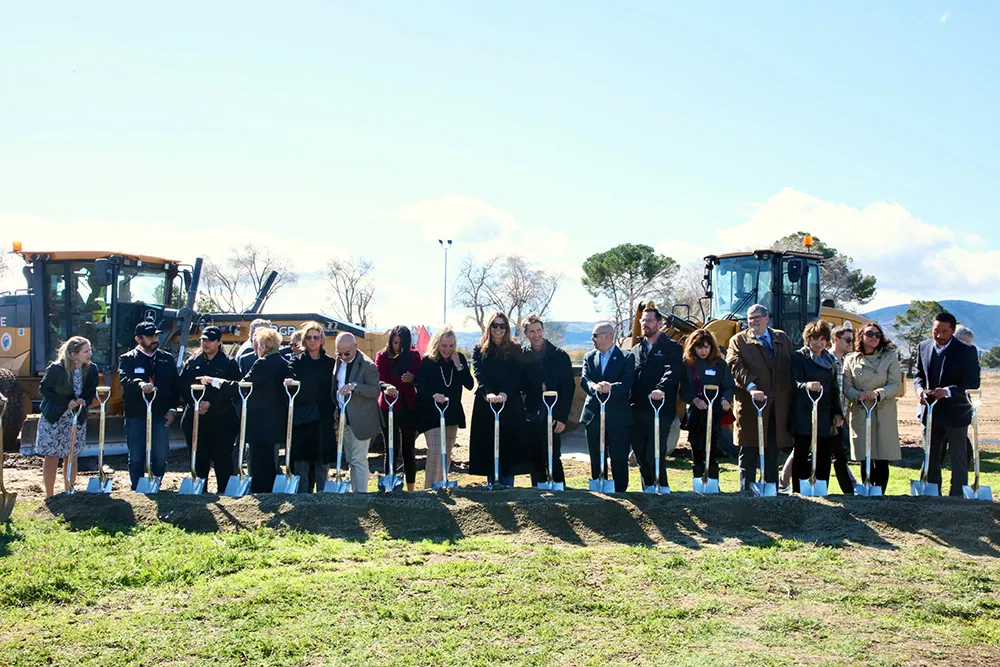
Celebrity philanthropy often takes the form of donations or short term campaigns. Bale’s involvement represents a different model. One rooted in long term infrastructure and systemic impact.
Rather than addressing symptoms, the foster care village tackles structural challenges. It demonstrates how resources can be used to redesign systems rather than patch them temporarily.
Public Reaction and Quiet Admiration
When details of the project emerged, public reaction was largely positive. Many praised Bale for choosing a cause that rarely receives sustained attention. Others noted the contrast between the scale of the impact and the absence of self promotion.
The response highlighted a growing appreciation for low profile philanthropy that prioritizes outcomes over recognition.
The Emotional Impact on Children
Early feedback from professionals involved with the village points to noticeable emotional benefits for children. Reduced anxiety, improved school attendance, and stronger social bonds have been observed.
While long term outcomes will take time to assess, initial signs suggest that stability and environment play a powerful role in recovery and growth.
How Design Influences Wellbeing
Architects and child development experts collaborated closely on the village layout. Natural light, green spaces, and communal areas were intentionally incorporated to foster calm and connection.
Research consistently shows that physical environment affects mental health. By prioritizing thoughtful design, the village reinforces its commitment to holistic wellbeing.
Addressing Trauma Without Stigma
One of the village’s guiding principles is to support children without labeling them as broken. Trauma informed care is integrated into daily life without turning the community into a clinical setting.
Children are treated as residents, not cases. This distinction helps restore a sense of dignity and self worth that is often eroded in institutional systems.
A Model With Broader Implications
Advocates hope the foster care village will inspire similar initiatives elsewhere. While not a universal solution, it offers a blueprint for how communities can rethink care for vulnerable children.
Scaling such models requires collaboration between public agencies, private donors, and nonprofit organizations. The success of this project demonstrates what is possible when those forces align.
Challenges and Realities
Despite its promise, the model is not without challenges. Funding, staffing, and regulatory hurdles remain significant. Long term sustainability depends on continued investment and policy support.
Project leaders emphasize that the village complements rather than replaces existing foster care systems. It represents one approach among many that must work together.
The Importance of Long Term Commitment
Unlike temporary housing solutions, foster care villages require sustained engagement. Children may live there for years, forming deep attachments to the place and people.
This permanence demands a level of responsibility that extends beyond construction. Ongoing care, evaluation, and adaptation are essential to maintain trust.
Shifting the Narrative Around Foster Care
Stories about foster care often focus on crisis and failure. This project offers a different narrative. One centered on possibility, design, and compassion.
By highlighting what works, it encourages policymakers and communities to invest in solutions rather than accept limitations as inevitable.
Why This Matters Beyond One Village
The foster care village raises broader questions about how societies care for their most vulnerable members. It challenges assumptions that temporary solutions are sufficient for long term problems.
At its core, the project asks whether children in care deserve the same stability and community as any other child. The answer, it suggests, should be yes.
A Reflection on Responsibility and Privilege
Bale’s involvement also prompts reflection on the role of privilege. Access to resources can be leveraged in ways that create lasting benefit rather than fleeting impact.
By choosing a project that prioritizes children with little public visibility, the effort redirects attention toward those most often overlooked.
What the Future Could Hold
If the foster care village continues to show positive outcomes, it may influence future policy discussions. Data from the project could inform funding decisions and inspire replication.
More importantly, it could shift expectations. Showing that better systems are possible can redefine what society demands from itself.
Conclusion
Christian Bale’s role in building a foster care village in California is not just a story about celebrity generosity. It is a story about rethinking how care is delivered and what children need to heal and grow.
By creating a community focused on stability, dignity, and connection, the project challenges conventional foster care models and offers a hopeful alternative. Its true impact will be measured not in headlines, but in the lives of children who finally experience what many take for granted. A safe home, a consistent presence, and the chance to belong.