
Table of Contents
- A Turning Point in Digital Law
- Why Deepfakes Became Impossible to Ignore
- Consent as the Core Principle
- The Gendered Reality of Deepfake Abuse
- Why Existing Laws Were Not Enough
- How the Law Will Be Enforced
- A Signal to Technology Companies
- Free Expression Versus Protection
- Why the UK Acted First
- International Implications
- The Challenge of Detection
- The Human Cost Behind the Policy
- Technology Is Moving Faster Than Ethics
- What This Means for the Future of AI
- Education and Awareness Still Matter
- A Cultural Shift Around Digital Identity
- Remaining Questions
- Conclusion
A Turning Point in Digital Law
The new legislation makes it a criminal offence to create or share deepfake images, videos, or audio of an individual without their explicit consent. This includes content designed to humiliate, deceive, or exploit, particularly sexually explicit material that has overwhelmingly targeted women and public figures.
Unlike previous laws that focused on harassment or distribution, this statute addresses the act of creation itself. By doing so, lawmakers have closed a loophole that allowed perpetrators to avoid accountability by claiming the content was fake or intended as satire.
Why Deepfakes Became Impossible to Ignore

Deepfakes are no longer niche internet curiosities. Advances in artificial intelligence have made the tools widely accessible, affordable, and increasingly convincing. What once required specialist knowledge can now be achieved with consumer level software.
This accessibility has amplified the scale of harm. Victims often discover manipulated images of themselves circulating online, powerless to stop their spread. The psychological toll can be devastating, leading to reputational damage, emotional distress, and in some cases threats to personal safety.
Consent as the Core Principle
At the heart of the UK law lies a simple but powerful concept. Consent matters, even in the digital realm. Just as individuals have legal protections over their physical bodies, they now gain explicit protection over their digital likeness.
Lawmakers framed the legislation around autonomy and dignity. Using someone’s face or voice to fabricate content without permission is treated as a violation, regardless of whether the content is labeled as artificial.
The Gendered Reality of Deepfake Abuse
Research consistently shows that the majority of deepfake victims are women, often targeted through non consensual sexual content. Celebrities, journalists, activists, and private individuals alike have been subjected to realistic fabricated videos that can spread faster than they can be removed.
By criminalising this behavior, the UK acknowledges the disproportionate impact of deepfake abuse and attempts to address it at the source rather than relying on reactive takedowns.
Why Existing Laws Were Not Enough
Before this change, victims often had to rely on harassment, defamation, or copyright laws. These frameworks were ill suited to deal with synthetic media. Proving intent, damage, or ownership frequently placed an unreasonable burden on victims.
The new approach simplifies enforcement. If consent is absent, the act itself becomes unlawful. This clarity is expected to improve prosecution rates and deter would be creators.
How the Law Will Be Enforced
Authorities will have the power to investigate individuals who create or distribute non consensual deepfakes. Penalties may include fines or imprisonment, depending on the severity and impact of the offense.
Importantly, the law does not criminalise all deepfakes. Content created with permission, parody clearly marked and consensual, or legitimate artistic and journalistic uses remain protected. The focus is harm, not technology itself.
A Signal to Technology Companies
The legislation sends a strong message to platforms hosting user generated content. While the law targets creators, platforms may face increased pressure to detect and remove illegal material quickly.
This could accelerate investment in deepfake detection tools and moderation systems. Companies that fail to act may find themselves facing regulatory scrutiny or public backlash.
Free Expression Versus Protection
Critics have raised concerns about free speech. Some argue that criminalising creation could chill artistic experimentation or political satire. Lawmakers counter that the requirement of consent preserves legitimate expression while preventing abuse.
The balance is delicate. However, supporters argue that freedom of expression should not come at the expense of personal autonomy and safety.
Why the UK Acted First
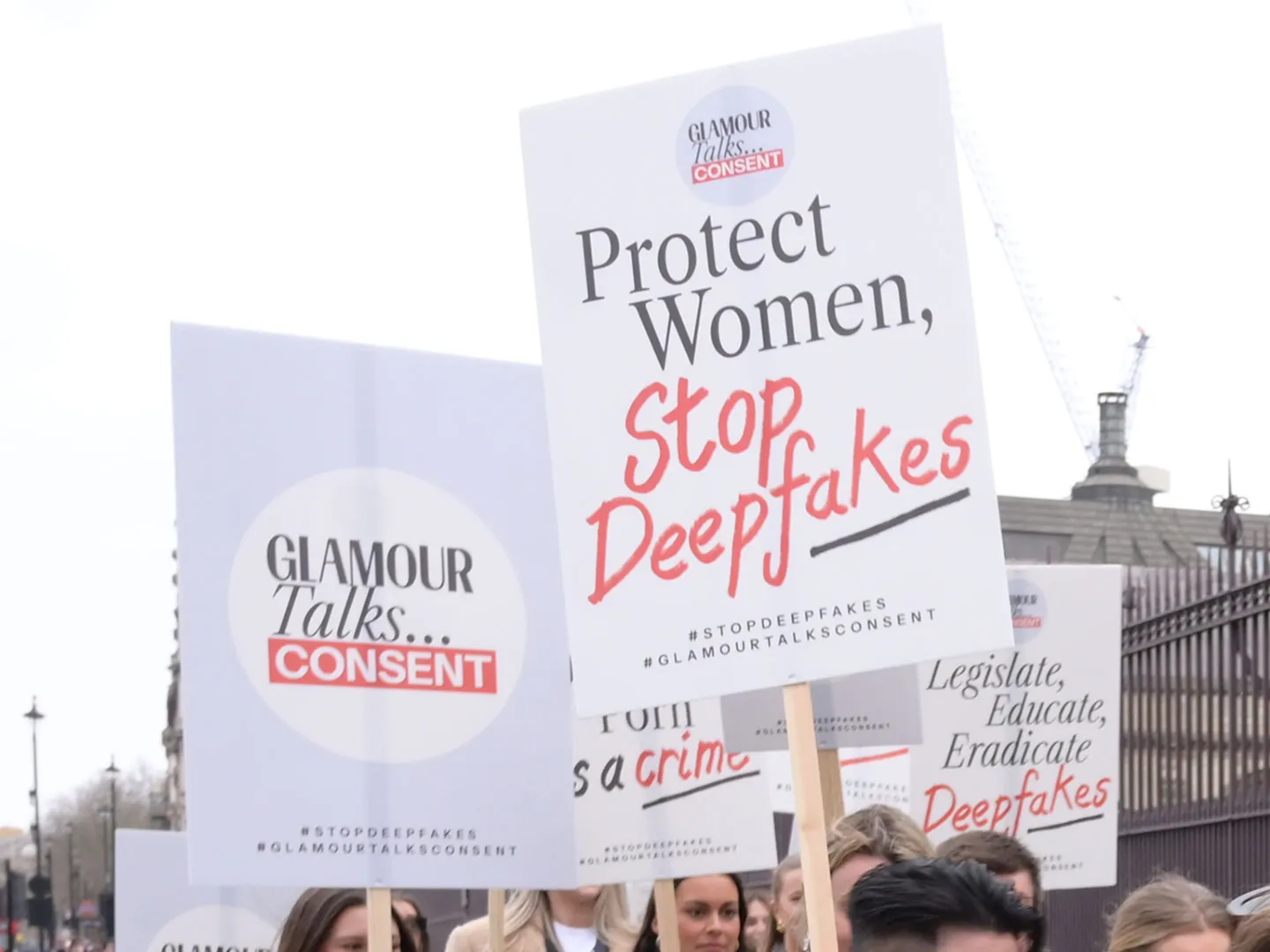
The UK’s move reflects years of debate around online harms and digital regulation. The country has positioned itself as a leader in internet safety policy, often moving faster than international counterparts.
High profile cases involving manipulated media, combined with pressure from advocacy groups, created momentum for decisive action. The law is designed not only to punish but to set a global standard.
International Implications
Other countries are watching closely. Deepfake abuse is a global problem, and the absence of consistent legal frameworks has made cross border enforcement difficult.
By establishing a clear precedent, the UK may influence legislation elsewhere. Similar laws are already being discussed in parts of Europe, North America, and Asia.
The Challenge of Detection
One practical challenge remains. Identifying deepfakes requires technical expertise, and as tools improve, detection becomes harder. Law enforcement agencies will need resources and training to keep pace.
Despite this, lawmakers argue that the absence of perfect enforcement should not delay protection. Laws shape norms as much as they punish crimes.
The Human Cost Behind the Policy
Behind every legislative change are real stories. Victims of deepfake abuse often describe feelings of helplessness and loss of control. Knowing that the law now recognises their harm provides validation and, potentially, recourse.
For many, the law represents acknowledgment that digital violations are as serious as physical ones.
Technology Is Moving Faster Than Ethics
Artificial intelligence has outpaced societal agreement on boundaries. Tools capable of recreating voices and faces raise questions about identity, truth, and trust.
This law marks an attempt to realign technological capability with ethical responsibility. It asserts that innovation does not excuse exploitation.
What This Means for the Future of AI
The legislation does not ban deepfake technology outright. Instead, it draws ethical lines around its use. This approach may become a model for regulating other AI applications that involve personal data and identity.
Developers may increasingly incorporate consent verification and watermarking to comply with legal expectations.
Education and Awareness Still Matter
Legal protection alone cannot solve the problem. Public understanding of deepfakes remains limited. Many victims are unsure of their rights or how to seek help.
Advocates stress the need for education alongside enforcement, ensuring people know both how to protect themselves and how to report abuse.
A Cultural Shift Around Digital Identity
The law reflects a broader cultural shift. Digital identity is no longer secondary to physical identity. Online representations carry real consequences.
By criminalising non consensual deepfakes, the UK affirms that digital spaces are subject to moral and legal standards.
Remaining Questions
How quickly will other countries follow. Will platforms cooperate fully. Can enforcement keep pace with innovation. These questions remain unanswered.
What is clear is that the legal silence surrounding deepfake abuse has been broken.
Conclusion
By becoming the first country to make the creation of non consensual deepfakes illegal, the United Kingdom has drawn a line that many believe was long overdue. The law reframes deepfake abuse not as a technological novelty but as a violation of personal autonomy.
As artificial intelligence continues to reshape how reality can be manipulated, this landmark decision may serve as a blueprint for protecting human dignity in a digital age. The world is watching to see whether this bold step marks the beginning of a global shift toward accountability, consent, and trust online.