
Table of Contents
- A Cancer That Often Moves Slowly
- How Chronic Lymphocytic Leukemia Begins
- Who Is Most Affected
- Early Signs That Are Easy to Miss
- Why the Immune System Is Affected
- How CLL Is Diagnosed
- The Watch and Wait Approach
- When Treatment Becomes Necessary
- Modern Treatment Options
- Side Effects and Long Term Management
- Living With a Chronic Cancer
- Emotional and Psychological Impact
- Advances in Research
- Prognosis and Outlook
- The Importance of Individualised Care
- Conclusion
A Cancer That Often Moves Slowly
One of the most distinctive features of chronic lymphocytic leukemia is its pace. In many cases, the disease progresses slowly, earning it a reputation as one of the more indolent forms of leukemia. Some people are diagnosed during routine blood tests and may not need treatment for years.
This slow progression creates a unique emotional challenge. Being told you have cancer, but not needing immediate treatment, can feel unsettling. Patients often struggle with uncertainty as they learn to live with a diagnosis that requires monitoring rather than action.
How Chronic Lymphocytic Leukemia Begins
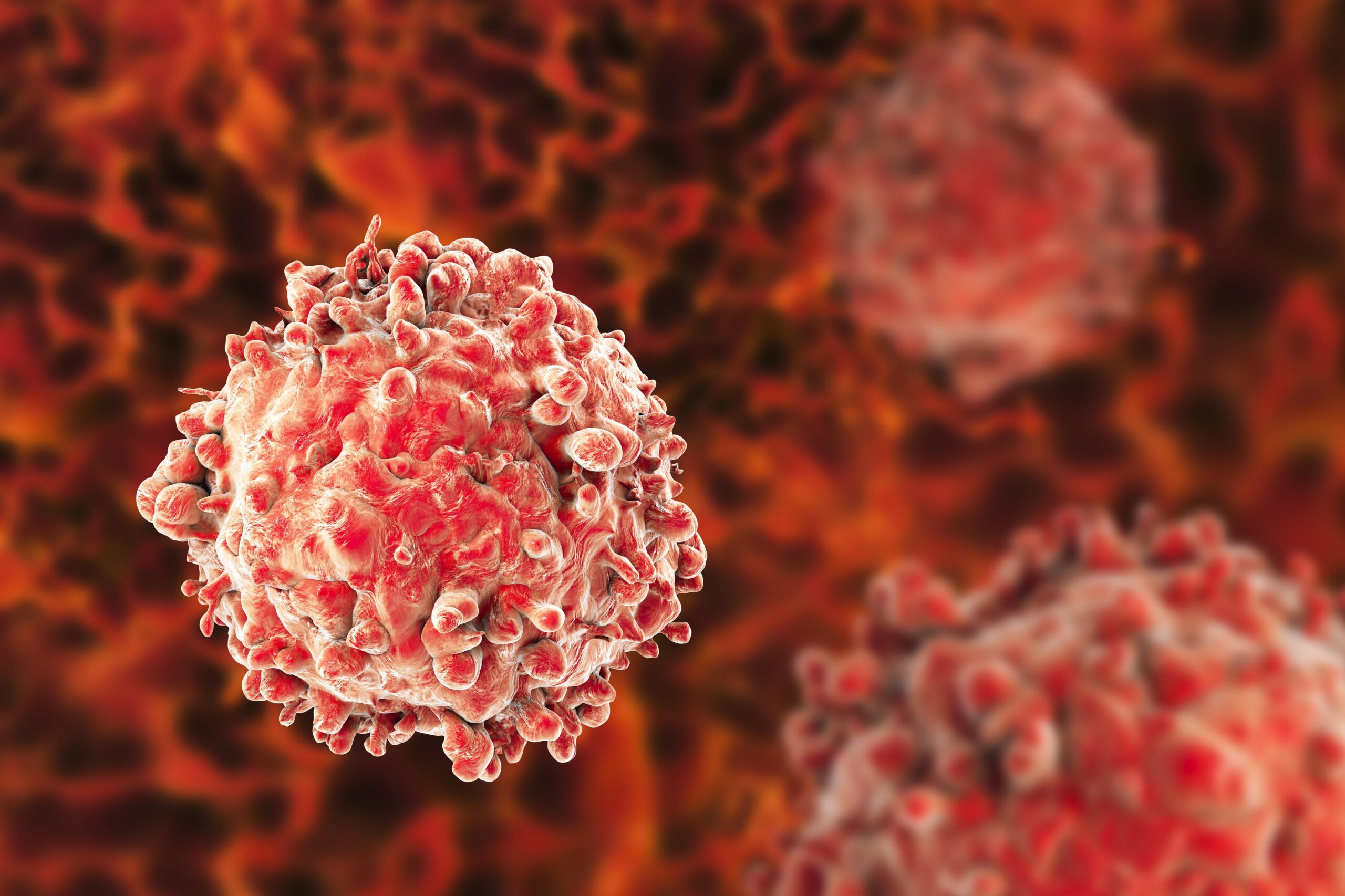
CLL starts in the bone marrow, where blood cells are made. Abnormal lymphocytes develop and begin to multiply. These cancerous cells do not die when they should, allowing them to accumulate in the blood, bone marrow, lymph nodes, and spleen.
As they build up, healthy blood cells have less space to grow. Over time, this can lead to anemia, infections, and problems with bleeding, even if the disease initially causes no symptoms.
Who Is Most Affected

Chronic lymphocytic leukemia is more common in older adults. Most people diagnosed are over the age of sixty, and the condition is rare in children. It appears more frequently in men than in women, though the reasons for this difference are not fully understood.
Family history may play a role. People with close relatives who have had CLL or other blood cancers may have a higher risk, suggesting a genetic component.
Early Signs That Are Easy to Miss
In its early stages, CLL often produces no symptoms at all. When symptoms do appear, they may be vague and easily attributed to other causes. Fatigue, frequent infections, or a general feeling of weakness are common early complaints.
Some people notice swollen lymph nodes in the neck, armpits, or groin. Others experience night sweats, unexplained weight loss, or a feeling of fullness caused by an enlarged spleen.
Why the Immune System Is Affected
Although lymphocytes are part of the immune system, the abnormal cells in CLL do not work properly. This weakens the body’s ability to fight infections. Paradoxically, some patients may also develop autoimmune problems, where the immune system attacks healthy cells.
This dual effect makes infections one of the most significant complications of the disease, even when the leukemia itself seems stable.
How CLL Is Diagnosed

Most diagnoses begin with a blood test showing an unusually high number of lymphocytes. Further tests help confirm whether these cells are cancerous and identify their specific characteristics.
Doctors may also examine bone marrow samples or perform imaging studies to assess lymph nodes and organ involvement. Genetic testing of leukemia cells can provide valuable information about how the disease is likely to behave.
The Watch and Wait Approach
Unlike many cancers, chronic lymphocytic leukemia does not always require immediate treatment. For patients with early stage disease and no symptoms, doctors often recommend a watch and wait strategy.
This approach involves regular checkups and blood tests to monitor progression. While it can feel counterintuitive, studies show that starting treatment too early does not improve survival and may expose patients to unnecessary side effects.
When Treatment Becomes Necessary

Treatment is usually recommended when symptoms develop or when blood counts worsen. This may include increasing fatigue, frequent infections, anemia, or rapidly enlarging lymph nodes.
The decision to begin treatment is carefully individualized, balancing disease progression with overall health and quality of life.
Modern Treatment Options
Treatment for CLL has evolved significantly over recent decades. Traditional chemotherapy is now often combined or replaced with targeted therapies that focus on specific features of cancer cells.
These newer medications aim to disrupt the signals that leukemia cells use to survive. Immunotherapy, which helps the immune system recognize and attack cancer cells, has also become an important part of treatment.
Side Effects and Long Term Management
While modern treatments are generally better tolerated than older regimens, side effects can still occur. These may include fatigue, infections, or effects on other organs.
Because CLL is often a long term condition, managing side effects and maintaining quality of life are central goals. Many patients cycle through periods of treatment and remission over many years.
Living With a Chronic Cancer

For many people, chronic lymphocytic leukemia becomes a long term part of life rather than an immediate crisis. This requires adjustment, both physically and emotionally.
Patients often benefit from learning about their disease, building strong relationships with healthcare providers, and seeking support from others facing similar diagnoses.
Emotional and Psychological Impact
Being diagnosed with a cancer that may not require treatment right away can be emotionally complex. Anxiety, uncertainty, and fear of progression are common experiences.
Mental health support and open communication with care teams can help patients navigate these challenges and maintain a sense of control.
Advances in Research
Research into CLL continues at a rapid pace. Scientists are exploring why the disease behaves so differently among patients and how genetic differences influence outcomes.
Clinical trials are testing new combinations of targeted therapies and investigating ways to reduce side effects while improving effectiveness.
Prognosis and Outlook
The outlook for people with chronic lymphocytic leukemia varies widely. Some live for decades with minimal symptoms, while others experience more aggressive disease.
Advances in treatment have significantly improved survival rates, making CLL a manageable condition for many.
The Importance of Individualised Care
No two cases of CLL are exactly alike. Personalized treatment plans based on genetic markers, disease stage, and patient preferences are increasingly standard.
This tailored approach reflects a broader shift in cancer care toward precision medicine.
Conclusion
Chronic lymphocytic leukemia challenges traditional ideas about cancer by often progressing slowly and remaining silent for years. Its impact, however, can be profound, reshaping the immune system and altering a person’s relationship with their health.
As research continues and treatments improve, many people with CLL are living longer, fuller lives. Understanding the disease, staying informed, and working closely with healthcare providers remain essential steps in navigating this complex but increasingly manageable condition.