
Table of Contents
What Sparked the Controversy?
The controversy began when internet users and activists started circulating claims that Lifetouch, a photography company with a long history of taking class pictures in schools across the United States, had ties to individuals associated with Jeffrey Epstein. These allegations stemmed from various sources, including conspiracy theorists and social media posts, which linked executives or employees at Lifetouch to people in Epstein’s circle.
Though the evidence for these claims remains unverified, the impact has been significant. Schools, which have long relied on Lifetouch to document key moments in students’ lives, were forced to confront the possibility of a connection to Epstein. Despite the lack of concrete proof, the accusations alone were enough to prompt action, leading some schools to cancel their upcoming class picture days entirely.
Why the Cancellation?
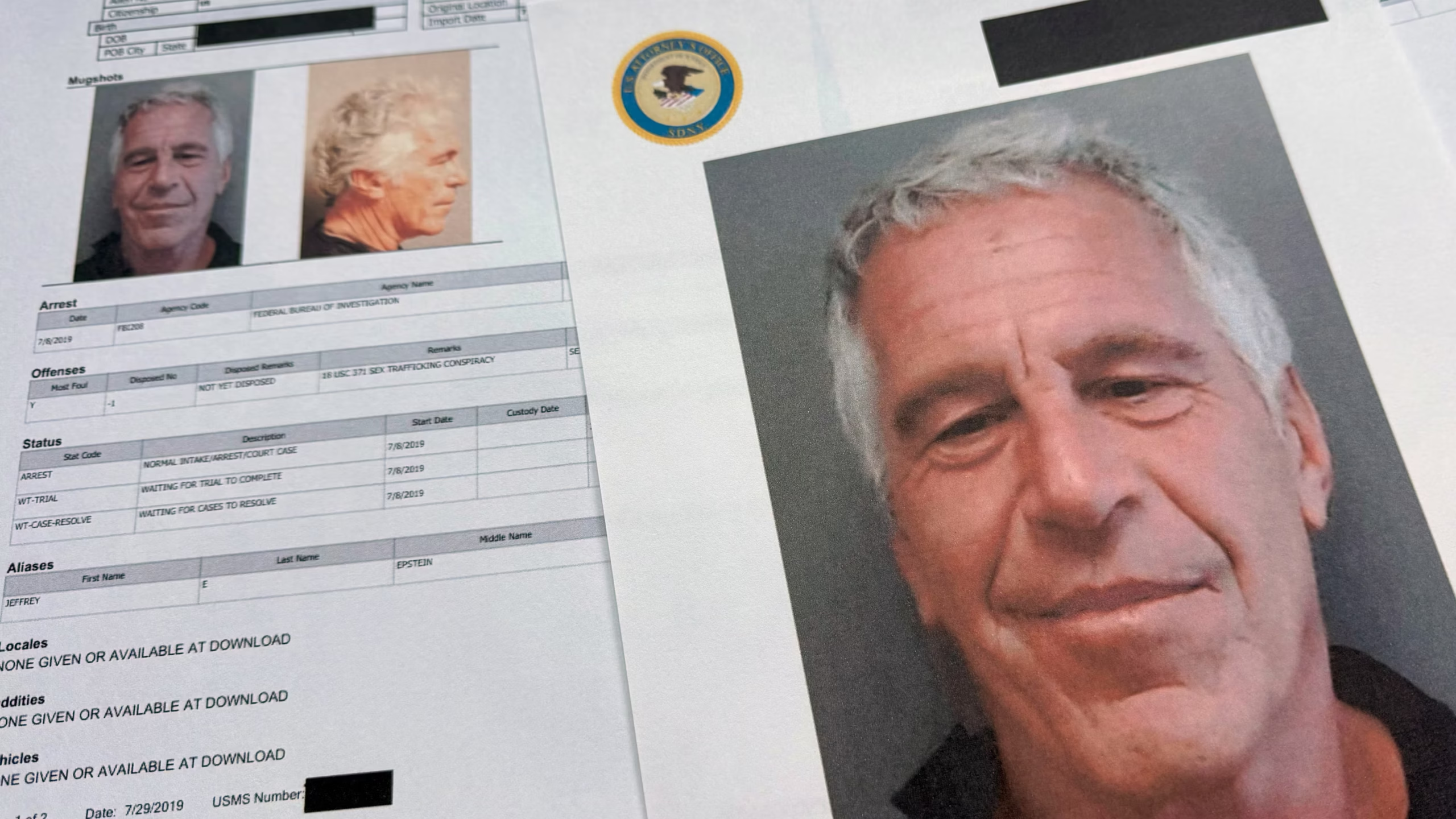
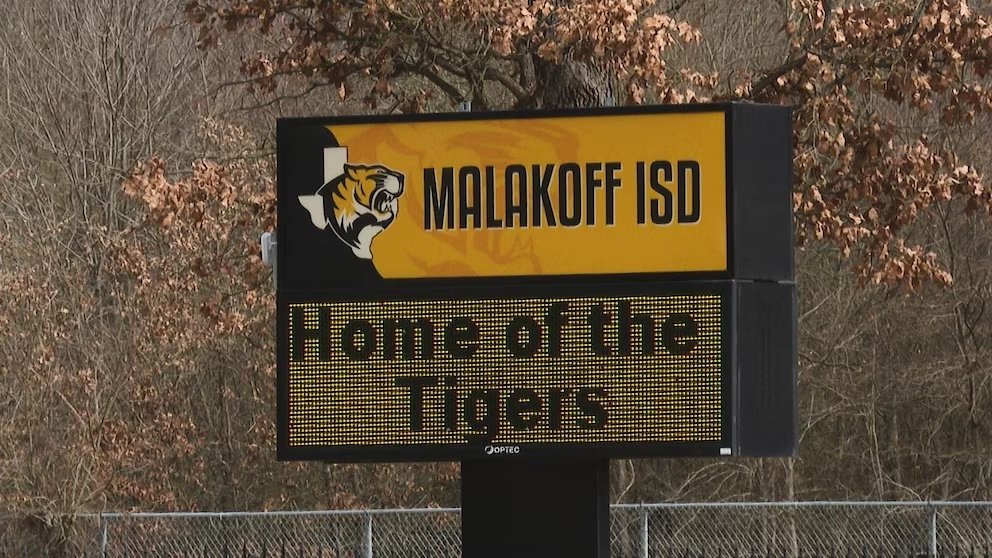
In response to the allegations, many schools, particularly those in districts where public trust is critical, made the decision to cancel class pictures. The decision was not made lightly, as class pictures are an integral part of many students’ educational experience. For many, they serve as a tangible memory of their school years, displayed in homes or yearbooks for years to come.
However, school administrators argued that, given the public nature of the allegations, they could not risk associating with a company that was facing such scrutiny. Some schools announced that they would seek alternative photographers, while others stated that they would simply skip the tradition for the year. The primary concern was that, if the allegations were true, continuing to work with Lifetouch could undermine the trust between schools and the families they serve.
Addressing the Claims
Lifetouch, one of the largest school photography companies in the country, has vehemently denied any connection to Jeffrey Epstein or his associates. In an official statement, the company emphasized that it had no knowledge of any involvement with Epstein, nor had any of its employees been linked to criminal activity. The statement further reassured parents and schools that Lifetouch remained committed to providing high-quality photography services to educational institutions.
Despite these denials, many critics remain unconvinced, arguing that the company’s response was insufficient given the seriousness of the claims. Some have called for Lifetouch to release more information or transparency regarding its business practices, particularly with regard to its corporate ties and connections. Until then, the controversy continues to swirl, with many school districts opting to err on the side of caution.
Divided Opinions on the Issue

The reaction to the cancellations has been deeply divided. Some parents and educators have supported the decision, arguing that it was the right move to sever ties with any company that could potentially have links to Epstein’s criminal activities. For these individuals, the emotional weight of the allegations outweighed the tradition of class pictures, and they viewed the cancellation as a necessary step to protect children from potential associations with unsavory figures.
On the other hand, many families expressed disappointment and frustration with the decision. For them, the cancellation of class pictures was a loss of a cherished tradition that offered children a chance to create lasting memories. Some parents also questioned the validity of the allegations, expressing concerns that the school districts were acting too hastily without proper evidence. These individuals felt that their children were being unfairly punished for something that may not even be true.
Trust and Accountability in Schools
This controversy is about more than just class pictures—it touches on the broader issue of trust and accountability within school systems. Schools are institutions that parents and communities rely on to make decisions that are in the best interests of children. When controversies like this arise, they force schools to balance their duty to protect students with their responsibility to uphold traditions and maintain public trust.
The Lifetouch situation has underscored the complexity of navigating these waters, particularly in an age where information spreads rapidly, and accusations, true or not, can quickly escalate. Schools may find themselves under increasing pressure to ensure that their vendors are thoroughly vetted and free from any potential controversies, but this comes with the challenge of not overreacting to unverified claims that may have no basis in reality.
Financial and Reputational Concerns
As a result of the cancellations, Lifetouch could face both short-term and long-term repercussions. Financially, the company may lose out on significant revenue from schools that have canceled their class pictures for the year. With the cancellation of thousands of class picture appointments, the company is likely to experience a drop in profits from these contracts, which have historically represented a significant portion of its business model.
In addition to the financial impact, the company’s reputation could also take a hit. Trust in Lifetouch could diminish as more schools distance themselves from the company, even if the allegations are later proven to be false. For Lifetouch, this situation presents a challenge in repairing its relationship with schools, parents, and students—key stakeholders in the company’s ongoing success.
What’s Next for Schools and Lifetouch?
As the controversy unfolds, schools will likely continue to evaluate their options in terms of choosing photography companies for future years. Some districts may choose to re-engage with Lifetouch if the allegations are disproven or if the company is able to provide further transparency. Others, however, may choose to sever ties permanently, seeking alternative vendors with a clean slate.
For Lifetouch, the road ahead will require proactive efforts to restore its credibility and rebuild trust with its clients. Transparency and open communication will be key as the company works to regain the support of the communities it serves. The company may also need to invest in improving its public relations efforts to address the lingering questions surrounding its operations.
Conclusion
The decision to cancel class pictures in the wake of the Lifetouch-Jeffrey Epstein controversy highlights the delicate balance that schools must strike between tradition, reputation, and accountability. While the full truth of the allegations against Lifetouch remains unclear, the importance of transparency and trust in educational institutions cannot be overstated.
As more schools grapple with this issue, it is clear that the fallout from these claims will continue to shape the conversation about accountability in school partnerships. Moving forward, both schools and companies like Lifetouch will need to navigate the complexities of public perception, ensuring that they maintain the trust of the families they serve while also protecting the students’ well-being. Only time will tell whether this incident will have lasting implications for the future of school photography.