
Table of Contents
The Emails: Exposing Epstein’s Environmental Plans
The newly released emails show that Epstein, in his pursuit of global influence, was not content to remain a passive observer of environmental issues. Instead, he actively sought to shape the discourse on overpopulation and environmental solutions. Some of these emails outline Epstein’s attempts to persuade environmental advocates and politicians that global population control measures were necessary to address what he viewed as the growing threat of overpopulation.
In one particularly alarming email, Epstein reportedly proposed the idea of using environmental destruction—such as deforestation, pollution, and climate change—as a method to control the world’s population. He argued that reducing the human population would help preserve resources and mitigate the effects of climate change. This notion, combining environmental harm with population control, echoes the controversial and discredited ideas that have appeared in discussions of eugenics and other radical social theories.
Environmentalism or Exploitation? Epstein’s Twisted Take

Epstein’s involvement in the environmental space seemed to be rooted in a twisted form of “solutionism,” where his proposed answers to global challenges involved drastic and morally questionable means. His attempts to push for policies that combined environmentalism with population control raised alarm bells across the environmental community. Some critics of Epstein’s proposals viewed his ideas as an extreme interpretation of environmentalism—one that justified harm to the planet and its inhabitants in the name of preserving resources.
His approach stands in stark contrast to mainstream environmental movements, which advocate for sustainable practices and technologies to address climate change without resorting to population control. Instead of focusing on conservation and innovation, Epstein’s emails suggested a more destructive path forward. This divergence in environmental philosophies has sparked outrage and confusion, particularly as it has been revealed that some of his proposals were presented to influential policymakers and scientists.
Epstein’s Influence on Environmental Leaders
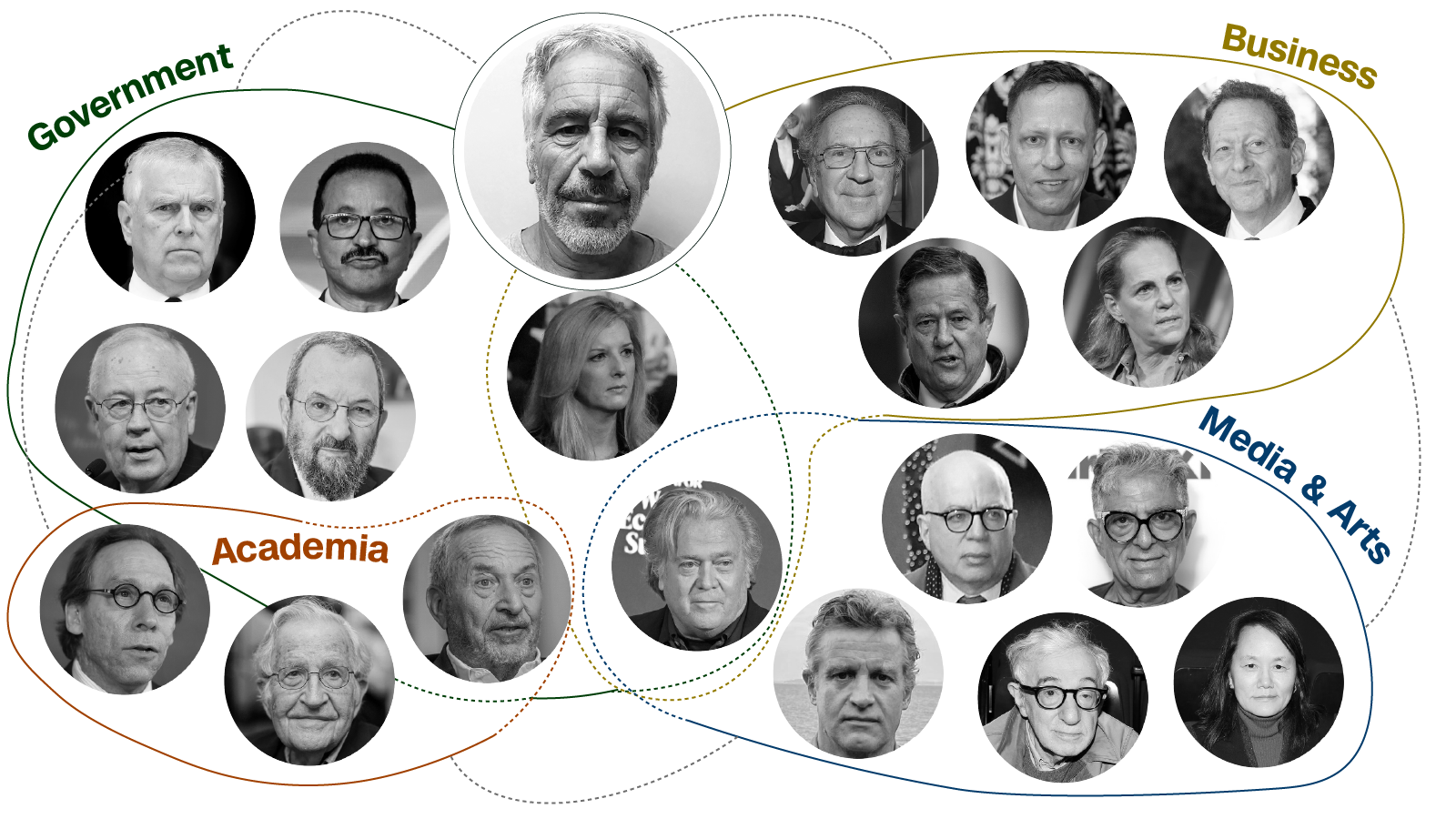
The emails also revealed that Epstein had cultivated relationships with key figures in the environmental movement. He appeared to use his network to push his ideas, connecting with influential environmental advocates and scientists. Some of these individuals reportedly entertained Epstein’s ideas, suggesting that his influence extended further than previously thought.
The question arises: did these environmental leaders entertain Epstein’s radical ideas for the sake of intellectual curiosity, or were they drawn into his schemes for more sinister reasons? While it is not clear how much influence Epstein ultimately had, the emails reveal that his tactics of persuasion were more than just idle musings. He sought to actively shape environmental policy by blending it with his own controversial overpopulation theories.
The Impact on the Environmental Movement

The disclosure of Epstein’s involvement in environmental discussions has the potential to tarnish the reputation of the environmental movement, particularly if it is revealed that influential figures were complicit in supporting his twisted ideas. Activists who have worked tirelessly for years to promote sustainable environmental practices now find themselves having to distance their work from Epstein’s legacy.
Many environmental organizations have publicly denounced Epstein’s views, emphasizing that their focus is on preserving the planet through responsible practices such as renewable energy, reforestation, and biodiversity conservation. These efforts, they argue, should never involve harm to people or the environment for the sake of population control.
Despite these clear distinctions, the revelation of Epstein’s influence in the environmental sector has opened up a wider conversation about the intersection of politics, business, and environmentalism. It raises concerns about the potential for other wealthy individuals or organizations to use environmentalism as a cover for more nefarious purposes, such as population control or corporate exploitation of the planet’s resources.
The Overpopulation Debate
The concept of overpopulation has long been a controversial subject within environmental and political circles. Historically, some have argued that controlling population growth is necessary for the sustainability of the planet, suggesting that the Earth’s resources cannot support the rapidly growing human population. This perspective has led to various policies, some of which have been criticized for their ethical implications, including forced sterilizations, population control measures, and the marginalization of certain groups.
Epstein’s emails seem to tap into this historical debate, proposing radical solutions that echo the more extreme population control measures of the past. His suggestion that environmental destruction could serve as a tool to curb population growth aligns with some of the more dystopian visions of the future that have been posited by overpopulation theorists. These ideas, however, are not only deeply unethical but also scientifically flawed, as they fail to take into account the long-term ecological consequences of such destructive measures.
The Ethical Implications

The moral and ethical implications of Epstein’s environmental proposals are staggering. His suggestion that environmental harm could be used to curb population growth raises questions about the value of human life and the role of individuals in determining the future of the planet. His ideas reflect a dangerous and authoritarian view of how society should handle global challenges, one that justifies harm to people for the sake of a perceived greater good.
Critics argue that Epstein’s suggestions undermine the principles of democracy, equity, and justice that are central to modern environmental movements. Instead of promoting cooperation and sustainable solutions, Epstein’s tactics appear to encourage exploitation and control. This has led to growing concerns about the potential for his influence to ripple through the environmental and political sectors, further perpetuating ideologies that prioritize profit and control over the well-being of the planet and its inhabitants.
The Wider Influence of Epstein’s Network
As investigations into Epstein’s network continue, more questions are likely to arise about how far his influence truly reached within the environmental movement. The emails suggest that Epstein did not just dabble in environmentalism; he sought to reshape it according to his own radical beliefs. This raises the possibility that other figures within his network may have had similar ideas and attempted to promote them in various sectors of society.
While it is unclear how much success Epstein had in pushing his views, the impact of his actions continues to be felt across multiple industries. As more information is uncovered, it may become evident that Epstein’s influence went far beyond the confines of the environmental movement and into other areas of global policy and business. This ongoing investigation could provide more clarity on just how deep his involvement was and what lasting effects it may have had on the policies and individuals he interacted with.
Conclusion
The revelation of Epstein’s efforts to intertwine environmentalism with overpopulation theories presents an unsettling picture of how a powerful individual sought to manipulate global discussions for personal and ideological gain. While the full extent of Epstein’s influence in the environmental sector remains unclear, the released emails have sparked a wider conversation about the ethics of population control and the potential dangers of allowing influential figures to shape public policy based on radical ideas.
As the investigation into Epstein’s network continues, it is critical for society to remain vigilant about the intersection of power, politics, and environmentalism. The ultimate lesson from this scandal is a reminder that any solution to global challenges must prioritize the well-being of both the planet and its people, rather than relying on harmful, ethically questionable approaches. Moving forward, the environmental movement must focus on sustainable and inclusive practices, free from the shadow of toxic ideologies.