
Table of Contents
The Epstein Files
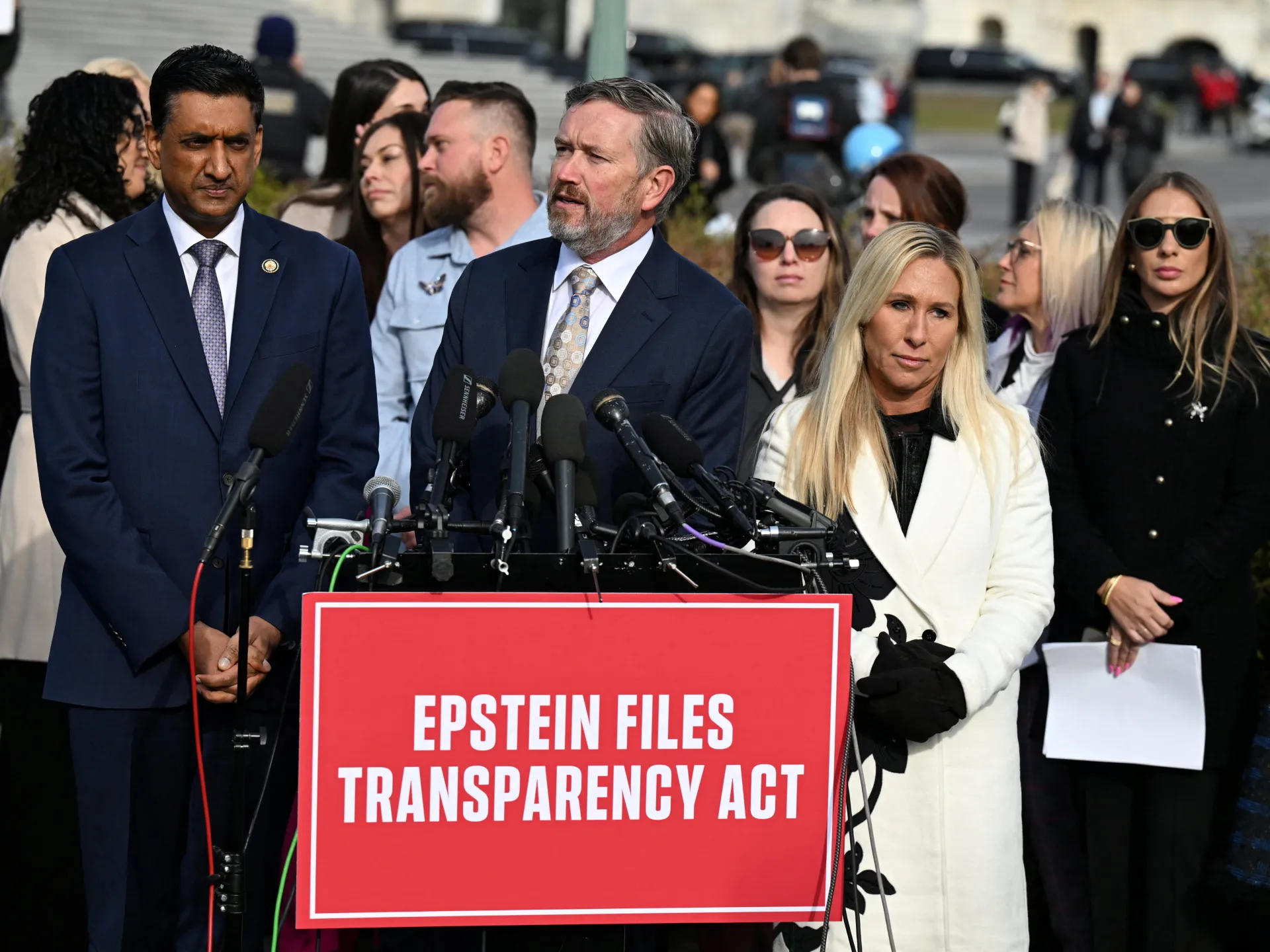
The Epstein files, which include emails, financial documents, and internal memos, have provided unprecedented insight into the financier’s relationships with some of the world’s most influential business leaders. These files highlight the extent to which Epstein was embedded in corporate circles, with some of the world’s top CEOs appearing to have had regular contact with him.
The documents reveal that Epstein’s business dealings spanned a variety of industries, from finance to real estate to technology. While the full details of these relationships remain unclear, the public exposure of these ties has sparked outrage and demands for transparency. Many of the companies tied to Epstein are now facing intense scrutiny, with shareholders, employees, and the public calling for accountability.
The Resignation Wave
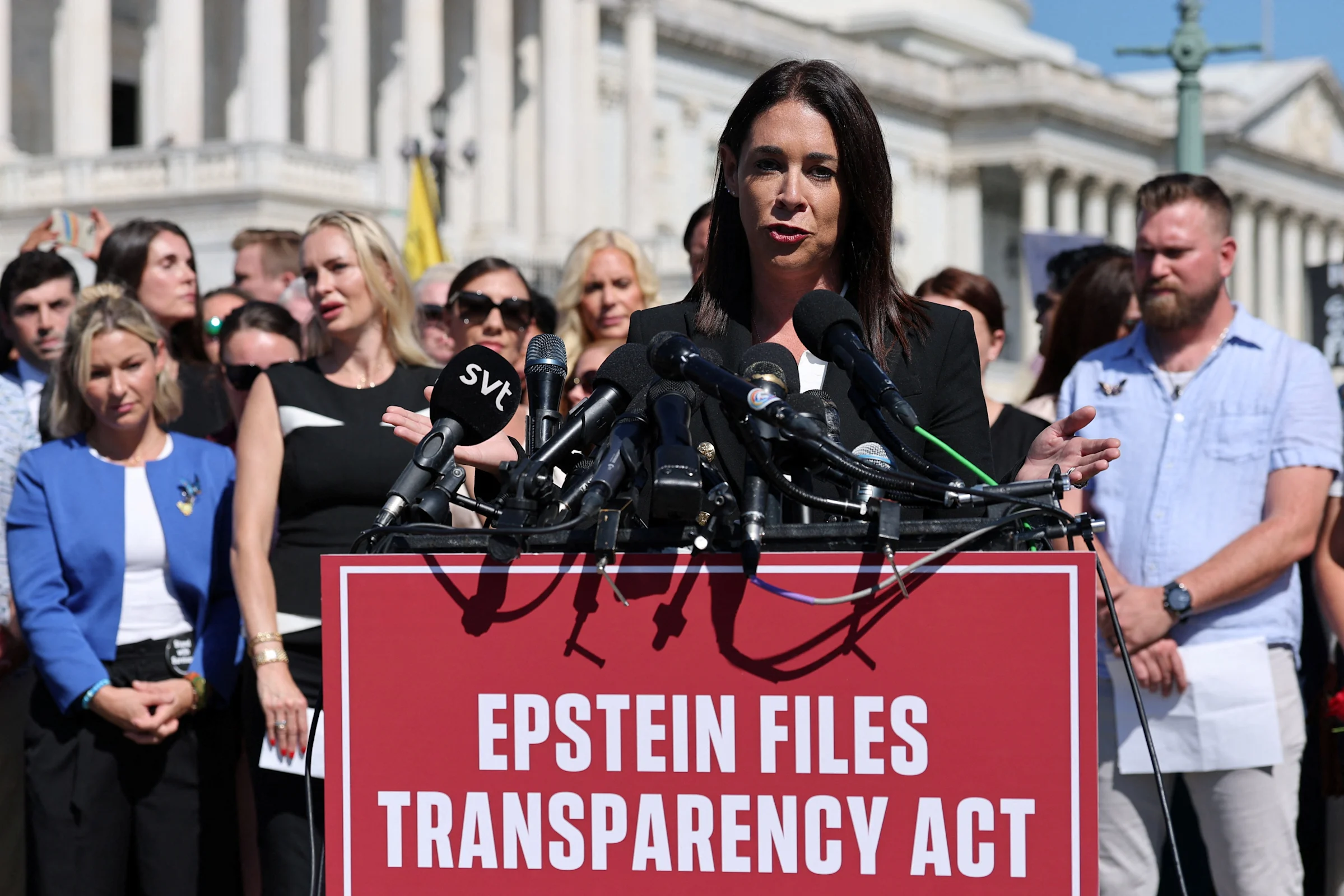
In the aftermath of the Epstein files’ release, several CEOs have been forced to resign. The most notable among them is the CEO of a major investment firm, who was implicated in a series of business dealings that involved Epstein’s network. In his resignation statement, the CEO expressed regret over his association with Epstein, but denied any direct involvement in criminal activities. Nonetheless, his departure signals the mounting pressure on leaders to step down in the wake of scandals.
Other executives in industries ranging from finance to entertainment have also been caught in the crossfire. The wave of resignations is not limited to a single industry, suggesting that Epstein’s influence extended far beyond what was initially known. These resignations have raised further questions about the extent of corporate complicity in Epstein’s actions and whether more leaders will be implicated as investigations continue.
The Role of Corporate Governance
The Epstein files have raised uncomfortable questions about corporate governance and the responsibilities of executives to their shareholders and the public. Many of the companies tied to Epstein were aware of his connections to powerful figures, yet chose to maintain business relationships with him. This lack of oversight has led some to question whether these companies were complicit in his activities or simply ignored the potential risks of doing business with such a controversial figure.
Corporate governance experts argue that these scandals highlight the need for stricter accountability mechanisms in corporate leadership. Companies must do more to vet their relationships with individuals who may pose reputational risks. This includes more thorough background checks, better internal controls, and a commitment to ethical decision-making that extends beyond profit margins.
A Web of Power and Control
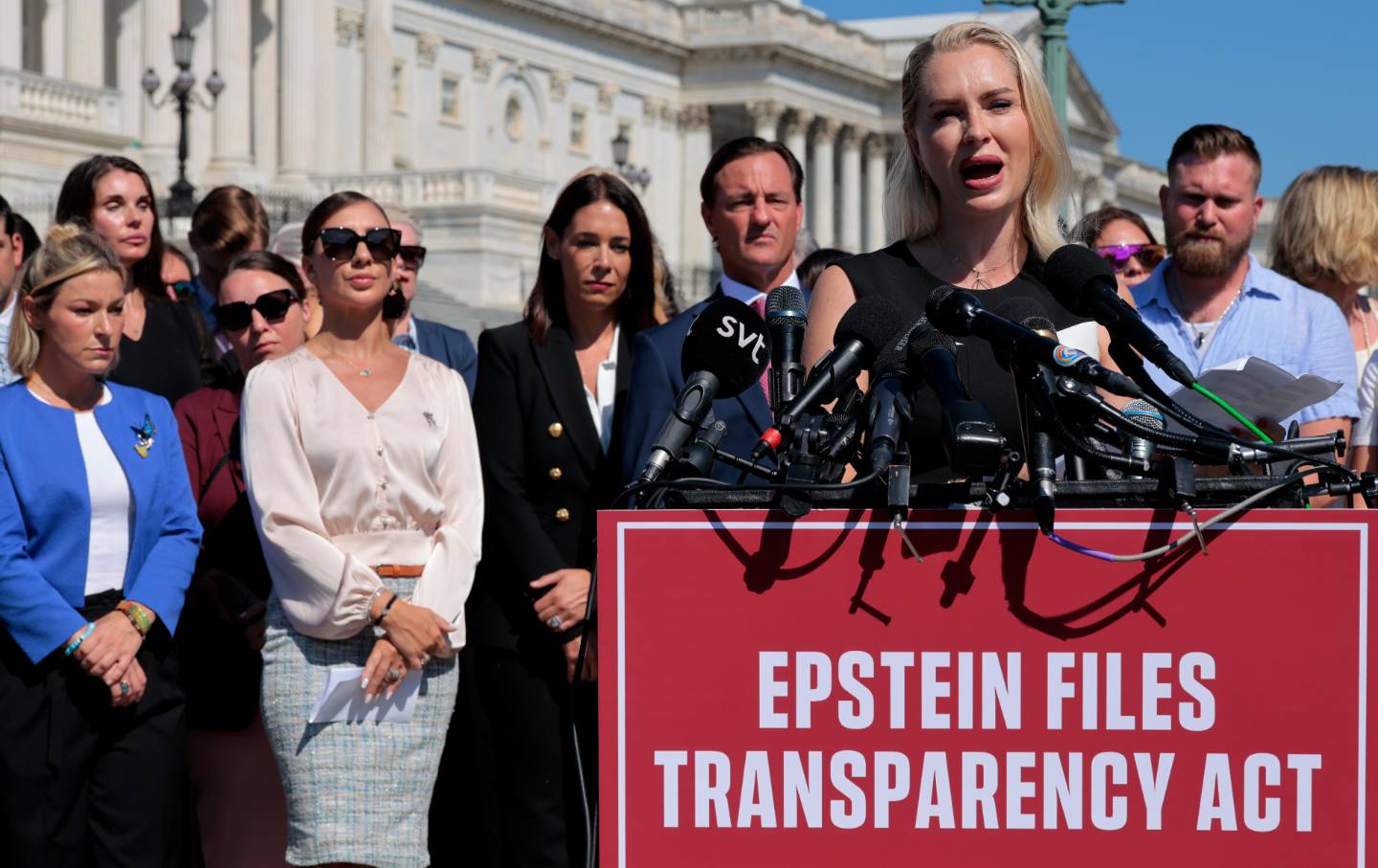
Epstein’s vast network of influence extended far beyond the walls of corporate boardrooms. His relationships with powerful politicians, world leaders, and high-profile individuals have long been a subject of intrigue. But it’s his connections to the corporate world that have proven to be the most damaging in terms of immediate consequences. The fact that so many influential business leaders had dealings with Epstein, despite his criminal history and widespread rumors about his activities, suggests a level of disregard for ethical considerations.
What is perhaps most troubling is the realization that Epstein’s ability to wield power and influence over corporate leaders may have been linked to his vast wealth and ability to manipulate those around him. These newly uncovered details provide further evidence of how Epstein was able to maintain his grip on the powerful individuals and organizations that helped sustain his empire.
Calls for Greater Accountability
The public response to the resignations and the ongoing investigation into Epstein’s network has been swift and vocal. Activists and advocacy groups have called for greater transparency from the companies involved, urging them to fully disclose their ties to Epstein and to take responsibility for their roles in enabling his actions.
The resignation of high-profile CEOs is being seen by many as a necessary first step in addressing the corporate complicity in Epstein’s activities. However, the public is also demanding more concrete action, such as independent investigations into the business dealings that Epstein was involved in and greater scrutiny of the corporate leaders who have yet to step down.
For many, the resignations represent a form of accountability, but they also believe that the full extent of Epstein’s influence has not yet been uncovered. As new revelations emerge, the pressure on companies and executives to take responsibility for their actions will only grow.
Lawsuits and Investigations
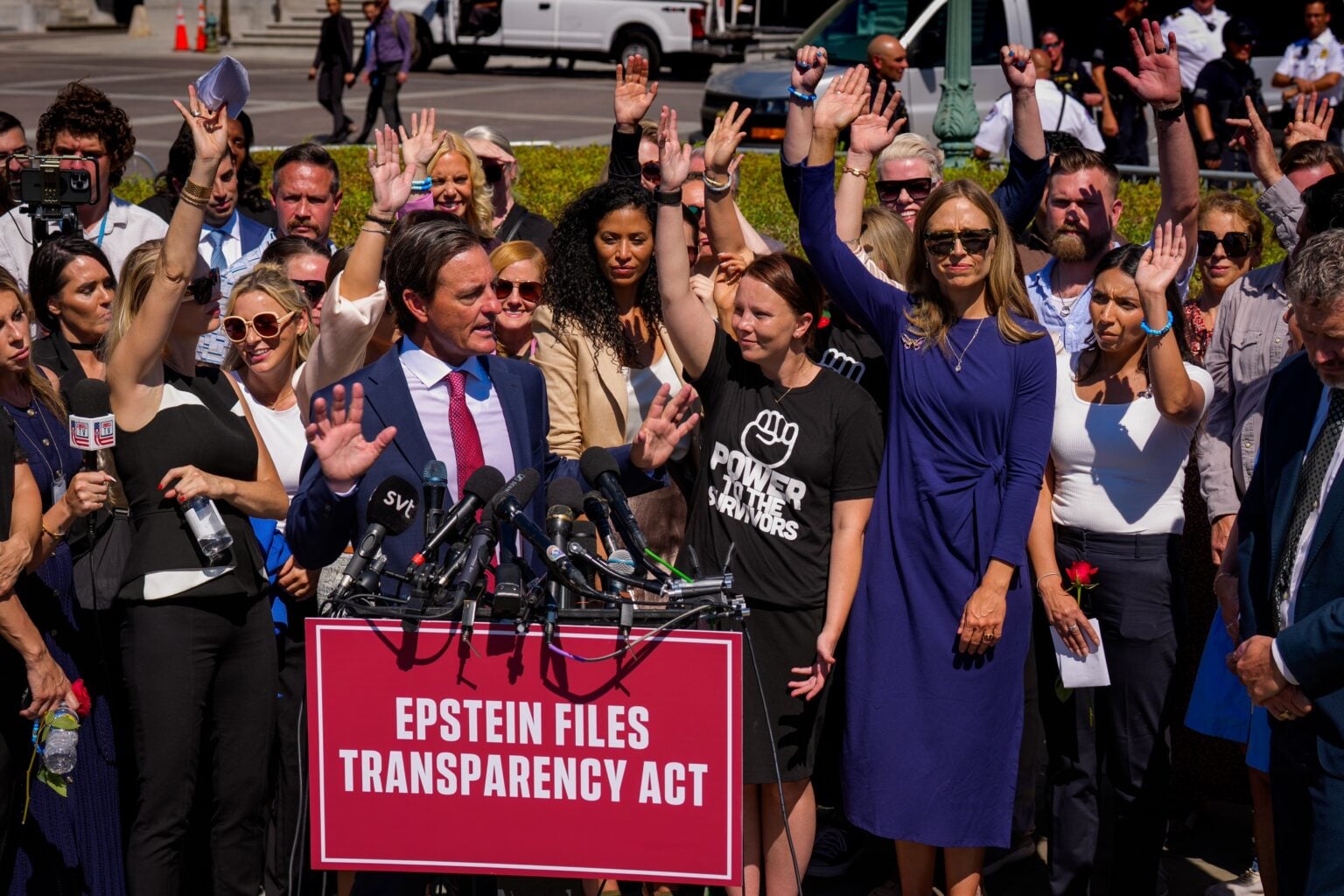
In addition to the corporate fallout, the release of the Epstein files is likely to lead to a wave of legal action. Survivors of Epstein’s abuse, as well as shareholders and other stakeholders, are expected to pursue lawsuits against the companies that were complicit in Epstein’s activities. These legal actions could have significant financial consequences for the corporations involved, especially if it is proven that they were aware of Epstein’s criminal actions and continued to engage with him for financial gain.
Federal investigators are also expected to expand their inquiries into Epstein’s business dealings, with the possibility of more charges being brought against those who facilitated his operations. The legal ramifications for corporate leaders who were tied to Epstein could be far-reaching, potentially affecting their personal finances and tarnishing their reputations.
Corporate Ethics and Trust
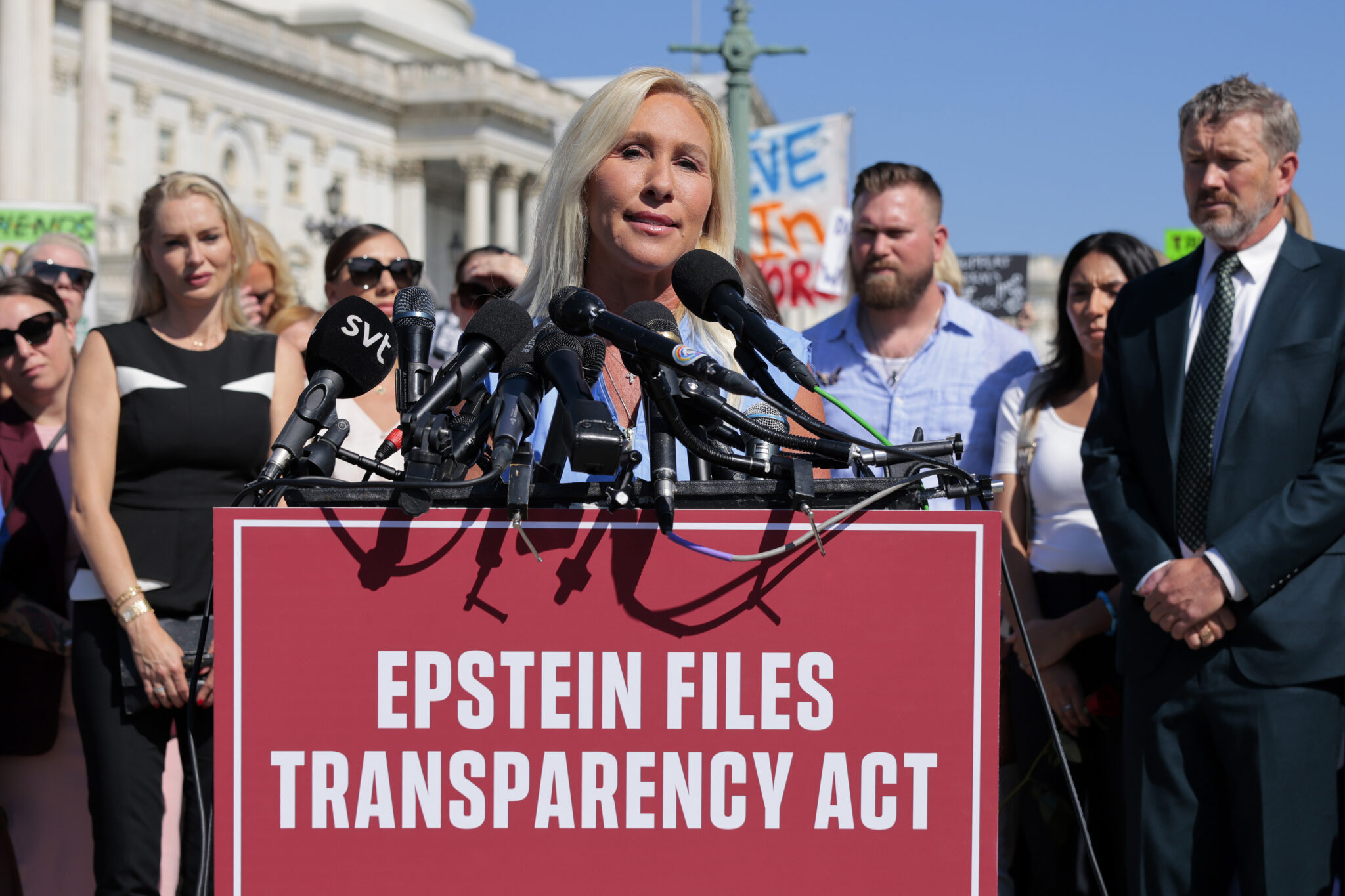
The Epstein scandal has broader implications for the corporate world. It has underscored the importance of ethical leadership and transparency, particularly for companies that hold significant power and influence over the public. The ongoing revelations about Epstein’s connections to some of the world’s most powerful CEOs serve as a cautionary tale about the dangers of turning a blind eye to ethical concerns in favor of business success.
In the wake of the scandal, companies will need to reassess their ethical standards and governance practices. The calls for greater accountability are not just about Epstein’s actions but also about ensuring that corporate leaders are held to higher standards of responsibility. This is an opportunity for companies to rebuild trust with their stakeholders by taking concrete steps to ensure that they are operating in an ethical and transparent manner.
What Happens Next?
As the Epstein files continue to unravel, the question remains: what happens next for the corporations and individuals involved? The resignations of CEOs are just the beginning of what could be a lengthy process of legal action, reputational rebuilding, and cultural change within the corporate world.
In the short term, the public will be closely watching how companies handle the aftermath of the scandal. Will they cooperate fully with investigations? Will they take responsibility for their role in enabling Epstein’s operations? The way these companies respond will shape their future and determine whether they can regain public trust.
In the long term, the Epstein scandal could lead to significant changes in how businesses and executives are held accountable for their actions. If the fallout from this scandal leads to reforms in corporate governance, it could have a lasting impact on how companies operate and how they engage with powerful figures in society.
A Corporate Scandal with Far-Reaching Consequences
The Epstein files have opened a Pandora’s box of corporate corruption and complicity, leading to the resignation of top CEOs and raising serious questions about the ethical standards of the companies involved. The scandal has highlighted the dangerous intersection of wealth, power, and influence, revealing the lengths to which some individuals were willing to go to maintain their positions in society.
As the legal and public fallout continues, it is clear that the Epstein case will have long-lasting effects on corporate accountability. While the resignation of these CEOs is a step toward justice, it is just the beginning of a broader conversation about ethics, transparency, and the need for greater corporate responsibility. The legacy of this scandal will not just be the downfall of a few high-profile leaders but the potential for a systemic shift in how the business world addresses ethical misconduct.