

Table of Contents
Pinpointing the Cause of Early-Onset Colon Cancer
In a study led by a team of scientists from renowned medical research institutions, researchers discovered that a specific bacterium in the gut, Colibactin, plays a key role in the development of colon cancer in younger individuals. Colibactin, produced by certain strains of bacteria in the gut, produces toxins that damage the DNA of colon cells, leading to mutations that eventually result in cancer.
The researchers found that the presence of Colibactin-producing bacteria triggers a sequence of genetic mutations in colon cells that can lead to cancerous growths. While the relationship between the gut microbiome and colorectal cancer had been previously explored, this discovery marks the first time scientists have identified a direct link between Colibactin and early-onset colon cancer.
This revelation is significant because it shifts the focus of colorectal cancer research away from traditional risk factors, such as diet and genetics, to the role of the gut microbiome in cancer development. The finding opens the door to new approaches for early detection and prevention of colon cancer, particularly in younger individuals who may not have been considered at risk in the past.
How Colibactin Leads to Cancer

The process by which Colibactin contributes to cancer development is both fascinating and alarming. When Colibactin-producing bacteria reside in the colon, they produce the toxin Colibactin, which directly interacts with the DNA of the colon cells. This interaction causes mutations in the DNA, which can accumulate over time and eventually lead to uncontrolled cell growth, a hallmark of cancer.
What makes this discovery so important is that it provides a clearer understanding of how bacterial activity in the gut can contribute to cancer development. While the gut microbiome has been implicated in various health conditions, including inflammatory bowel disease and autoimmune disorders, this new research links specific bacterial strains to the development of cancer, particularly in younger individuals.
In this study, scientists focused on the genetic mutations caused by Colibactin and how these mutations could lead to early-onset colon cancer. The identification of these mutations opens up the possibility of developing targeted therapies that could stop these genetic changes before they lead to cancer.
Implications for Treatment
One of the most exciting aspects of this discovery is its potential to revolutionize the way colon cancer is treated, particularly in younger individuals. By identifying Colibactin as a key factor in cancer development, researchers can now explore therapies that target the bacteria responsible for producing this toxin. Such therapies could potentially prevent or slow the progression of colon cancer in individuals who are at risk.
For example, the development of antibiotics or probiotics that target Colibactin-producing bacteria could serve as a preventive measure for people at high risk of developing colon cancer. Additionally, treatments that block the interaction between Colibactin and the DNA of colon cells could help prevent the mutations that lead to cancer.
These new treatments would offer a less invasive and more targeted approach to fighting colon cancer compared to traditional methods like chemotherapy, which can harm healthy cells alongside cancer cells. By focusing on the root cause of the disease, scientists hope to develop treatments that are more effective and cause fewer side effects.
The Role of Gut Health in Preventing Cancer
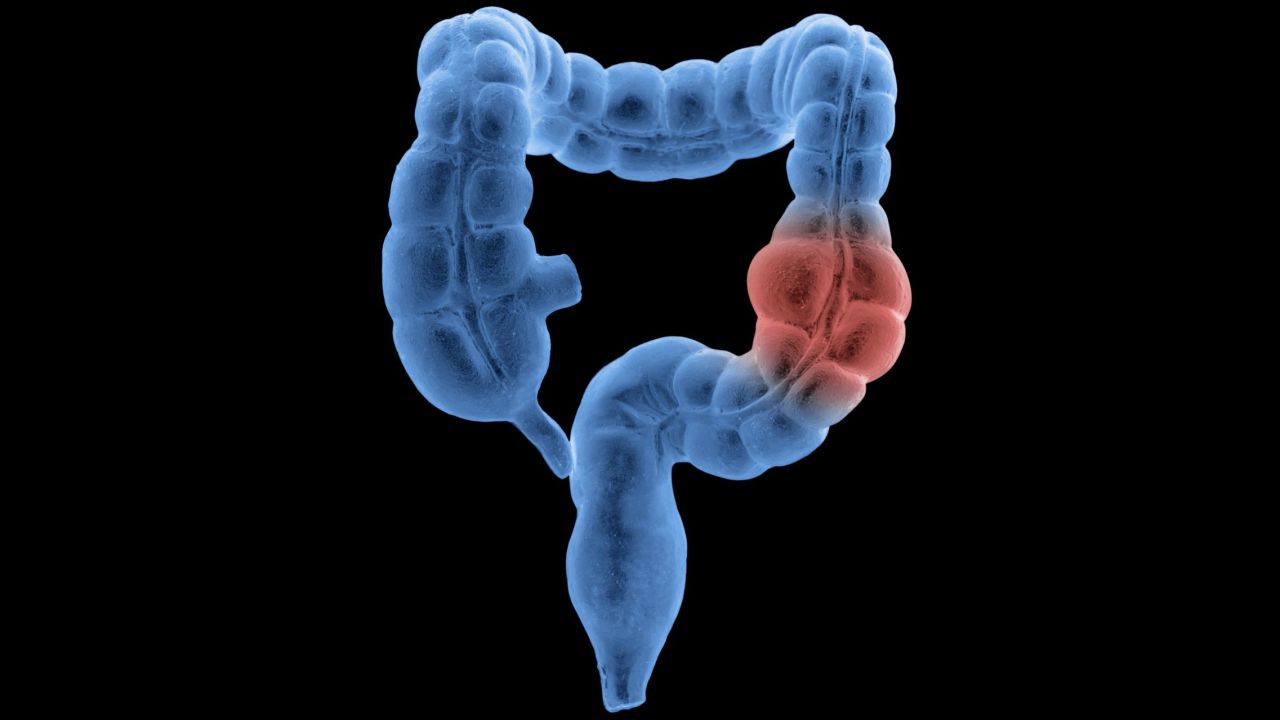
The discovery of Colibactin underscores the important role that gut health plays in preventing cancer. Maintaining a healthy gut microbiome is crucial for overall health, and research has shown that an imbalance in the gut microbiome, known as dysbiosis, can contribute to various diseases, including cancer.
In the case of colon cancer, an unhealthy gut microbiome that supports the growth of Colibactin-producing bacteria may increase the risk of cancer development. Scientists believe that promoting a healthy balance of gut bacteria through dietary changes, probiotics, and other interventions could play a key role in cancer prevention.
The growing awareness of the connection between the gut microbiome and cancer opens up new avenues for preventative measures. Eating a diet rich in fiber, reducing the intake of processed foods, and taking probiotics may help reduce the risk of colon cancer by promoting a healthier microbiome.
The Importance of Early Detection in Colon Cancer
With the rise of early-onset colon cancer, early detection has become more important than ever. The discovery of Colibactin as a key factor in cancer development could lead to new diagnostic methods that identify high-risk individuals before cancerous growths appear.
Researchers are working on developing screening tests that could detect the presence of Colibactin-producing bacteria in the gut, allowing doctors to identify individuals who are at increased risk of developing colon cancer. Early detection is crucial for improving the chances of successful treatment, as colon cancer is often most treatable when caught in its early stages.
Additionally, understanding the role of Colibactin in early-onset colon cancer could help researchers develop more effective screening tools that go beyond traditional methods like colonoscopies, allowing for earlier and more accurate detection of cancer.
Lifestyle Changes and Prevention

While the discovery of Colibactin provides new insights into the development of early-onset colon cancer, lifestyle factors such as diet and exercise still play an important role in prevention. Maintaining a healthy lifestyle can help reduce the risk of developing cancer, particularly in younger individuals who may be more susceptible to environmental factors.
A diet rich in fruits, vegetables, and whole grains, along with regular physical activity, can help reduce inflammation in the gut and promote a healthy microbiome. These lifestyle changes can complement the targeted therapies being developed based on the Colibactin discovery, providing a holistic approach to preventing colon cancer.
Challenges and Future Research Directions
Despite the exciting potential of this discovery, there are still challenges to overcome. Researchers must continue to study the role of Colibactin in various types of colon cancer and identify other factors that may contribute to the disease. Further research is also needed to develop therapies that specifically target Colibactin-producing bacteria without disrupting the balance of the gut microbiome.
Additionally, more studies are required to determine how lifestyle factors, genetics, and the microbiome interact in the development of early-onset colon cancer. By understanding these interactions, scientists hope to create personalized prevention and treatment strategies that are tailored to the needs of individual patients.
Conclusion
The discovery of Colibactin as a key driver of early-onset colon cancer is a monumental breakthrough that holds great promise for the future of cancer prevention and treatment. By identifying the bacteria responsible for triggering cancerous mutations, scientists have paved the way for new therapies that could target the root cause of the disease and provide more effective, less invasive treatments. As research continues, this discovery could lead to better screening methods, improved prevention strategies, and ultimately a reduction in the incidence of early-onset colorectal cancer.
This breakthrough marks a new chapter in the fight against colon cancer, offering hope for millions of individuals affected by this disease. With continued research and innovation, scientists are moving closer to a future where early-onset colon cancer can be prevented and treated more effectively, ultimately saving lives and improving outcomes for patients worldwide.