
Table of Contents
Prince Andrew’s Legal Troubles
Prince Andrew’s legal troubles are not new. The Duke of York has faced allegations of sexual misconduct for years, particularly due to his association with convicted sex offender Jeffrey Epstein. Despite a public denial of the accusations, Prince Andrew’s reputation has been severely damaged by the allegations, which have led to his removal from public duties and appearances.
The arrest marks a dramatic turn in the ongoing investigation that has followed Prince Andrew for years. In 2019, he stepped back from royal duties after a BBC interview in which his responses to the accusations were widely criticized. Since then, the Duke has faced increasing scrutiny, with the investigation into his alleged misconduct intensifying.
The timing of the arrest raises additional questions. Why now? And what does this mean for Prince Andrew, his family, and the monarchy? The arrest is seen as the culmination of mounting pressure on the royal family to address long-standing allegations and provide answers to the public.
The Investigation and Arrest

Prince Andrew’s arrest is directly linked to an ongoing investigation into allegations of misconduct and inappropriate behavior. The investigation, which has been gathering momentum for several months, involves law enforcement agencies in both the United Kingdom and the United States. The specific charges and details of the investigation have not been fully disclosed, but reports suggest that the allegations involve abuse of power and misconduct during the Duke’s associations with Epstein.
The arrest was made after authorities reviewed additional evidence that surfaced during the investigation. While the exact nature of the evidence has not been publicly confirmed, it is believed to have played a significant role in leading to this moment. This marks a significant escalation in the case, as previous efforts to question Prince Andrew were met with resistance and limited cooperation.
This arrest is not only a legal issue for Prince Andrew, but it also adds to the mounting public pressure on the royal family. For many, the case represents a key test of accountability for the monarchy. Can the royal family remain insulated from the consequences of its members’ actions, or will this arrest signify a broader shift towards transparency and justice?
Reactions from the Public and the Royal Family
The arrest of a member of the royal family has drawn widespread reactions from both the public and public figures. While many believe that Prince Andrew should be held accountable for his alleged actions, others argue that he should be presumed innocent until proven guilty. The situation has highlighted the tension between the public’s perception of the royal family and the expectations placed upon them.
The royal family itself has remained largely silent on the matter, with official statements being carefully worded and vague. Buckingham Palace has not commented directly on the arrest, instead focusing on the ongoing investigation and the family’s commitment to following the legal process. However, many observers have noted that this arrest further tarnishes the monarchy’s image, which has already been rocked by previous scandals involving other members of the royal family.
There has been significant public debate over how the royal family should handle the situation. Some believe that Prince Andrew should be stripped of his title and any remaining royal privileges if he is found guilty, while others argue that the royal family should remain neutral and allow the legal system to determine his fate. The impact of this arrest on the public’s perception of the monarchy will likely depend on how the royal family navigates the situation in the coming months.
Legal and Ethical Implications

The arrest of Prince Andrew raises important questions about the legal and ethical obligations of the royal family. For years, the monarchy has been seen as an institution that operates above the law, with its members largely immune from the consequences of their actions. This case challenges that notion, as it represents a legal matter that could have serious consequences for one of the family’s most high-profile members.
In terms of legal implications, the arrest of Prince Andrew could lead to a lengthy trial that may involve a significant amount of media attention. Should the investigation lead to charges and a conviction, the consequences for Prince Andrew could be severe, both legally and personally. A conviction could result in jail time and a further breakdown in his relationship with the royal family.
Ethically, the case raises difficult questions about the treatment of public figures, particularly those with immense power and privilege. As a member of the royal family, Prince Andrew has been shielded from much of the scrutiny faced by ordinary citizens. This case, however, represents an opportunity to examine how the law applies to everyone, regardless of status, and whether public figures should be held to the same ethical standards as the general public.
What Happens Next for Prince Andrew?
As the investigation continues, the future of Prince Andrew remains uncertain. Depending on the outcome of the legal proceedings, he could face a range of consequences, from legal penalties to further separation from the royal family. Should he be convicted, Prince Andrew would likely face significant public backlash, and it could mark the end of his association with the royal family.
In addition to the potential legal consequences, Prince Andrew may also face lasting damage to his reputation. The allegations against him, coupled with the arrest, have already had a devastating effect on his public image. Even if the investigation does not lead to a conviction, the damage to his reputation may be irreparable, and it is unclear how he could return to any meaningful public role.
This situation also raises broader questions about the role of the royal family in modern society. The monarchy has long been seen as an institution that provides stability and continuity, but incidents like this one undermine its credibility and relevance. As public interest in the case grows, the monarchy may have to reconsider its approach to handling such controversies and work to restore public trust.
The Global Spotlight on the Royal Family
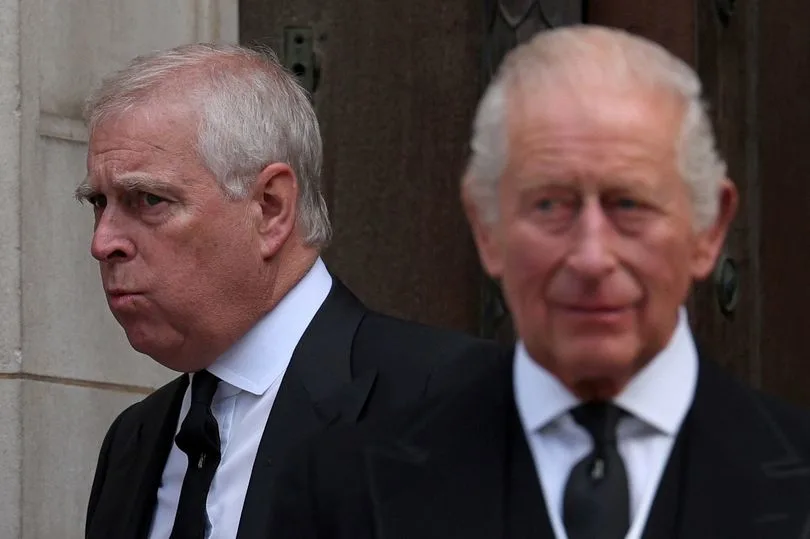
The arrest of Prince Andrew is not just a national issue for the UK; it has drawn international attention. The royal family has long been a symbol of British history and tradition, and the actions of its members are watched closely around the world. The arrest of such a high-profile figure has sparked discussions about the monarchy’s future and its place in global society.
As the investigation unfolds, the royal family may find itself under greater scrutiny, not just from the British public but also from international audiences. The case could have diplomatic implications, especially if Prince Andrew is found guilty and the monarchy is forced to address the broader issues of accountability and transparency.
Conclusion
Prince Andrew’s arrest represents a turning point for both the Duke of York and the royal family as a whole. It is a pivotal moment in the history of the monarchy, one that raises crucial questions about accountability, ethics, and the future of public figures. As the legal process continues, the royal family’s response will be closely watched, and it may redefine the role of the monarchy in the modern world. Regardless of the outcome, the arrest will likely have lasting consequences for Prince Andrew and the royal family, highlighting the need for greater transparency and responsibility in positions of power.