
Table of Contents
Moscow’s New Adoption Policy and Its Immediate Impact
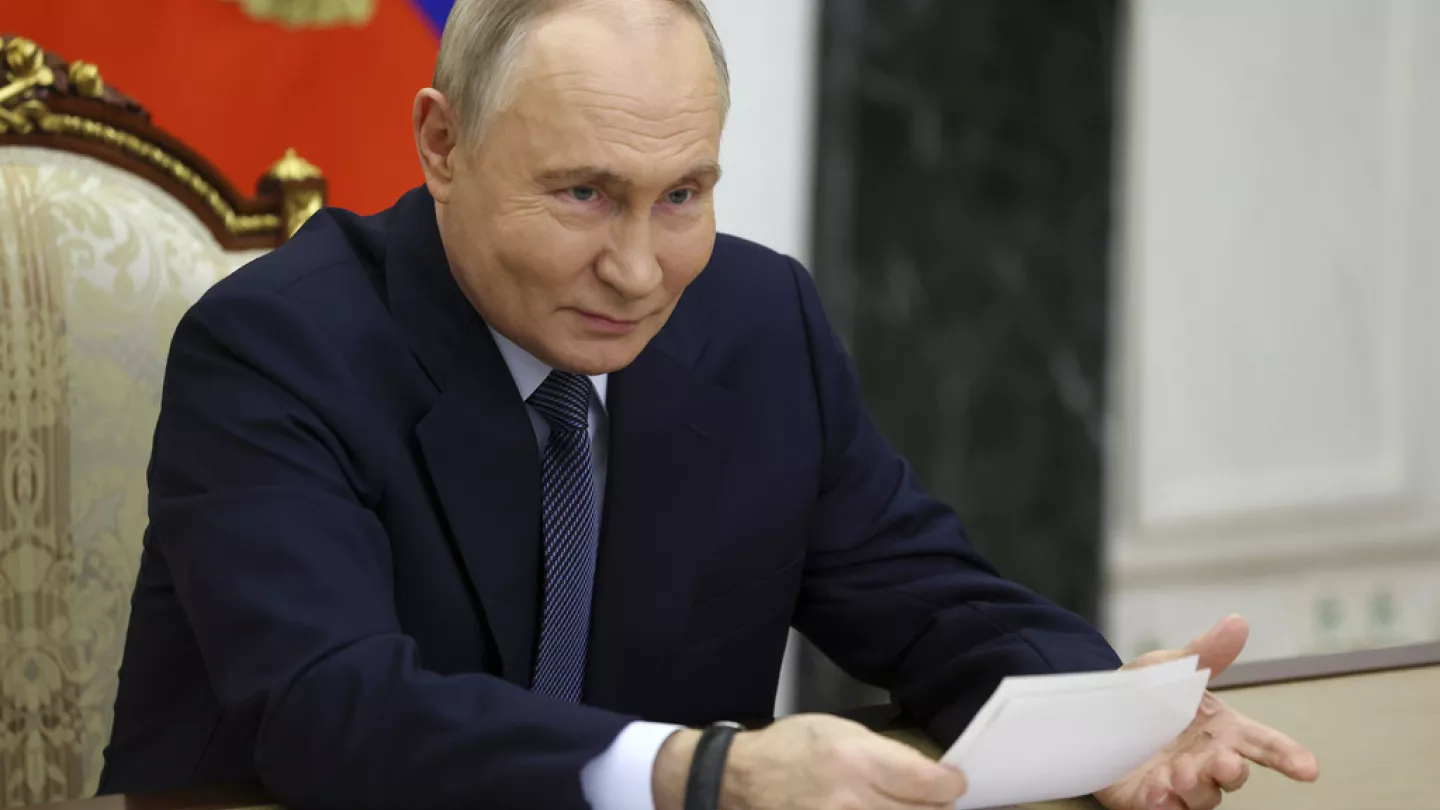
In late November 2024, the Russian government made headlines by announcing a sweeping new policy that prohibits the adoption of Russian children by countries that have legalized gender transitions. This legislation, which takes immediate effect, has far-reaching implications for international adoptions and challenges established norms regarding children’s rights and family structures.
The policy is viewed as part of a broader agenda to limit the influence of Western liberal ideals, particularly around LGBTQ+ rights. For years, Russia has taken a hardline stance against the LGBTQ+ community, and this new policy extends that ideology into the realm of child adoption. By banning adoption to countries that permit gender transitions, Moscow is not only opposing the legalization of gender identity laws but is also placing new restrictions on Russian children’s futures.
The decision to ban such adoptions is seen by many as a political maneuver to further solidify conservative control over family and social issues within Russia. However, it also opens up significant discussions about the role of international bodies and foreign governments in shaping the rights and protections for children in Russia.
The Global Response to Moscow’s Adoption Ban
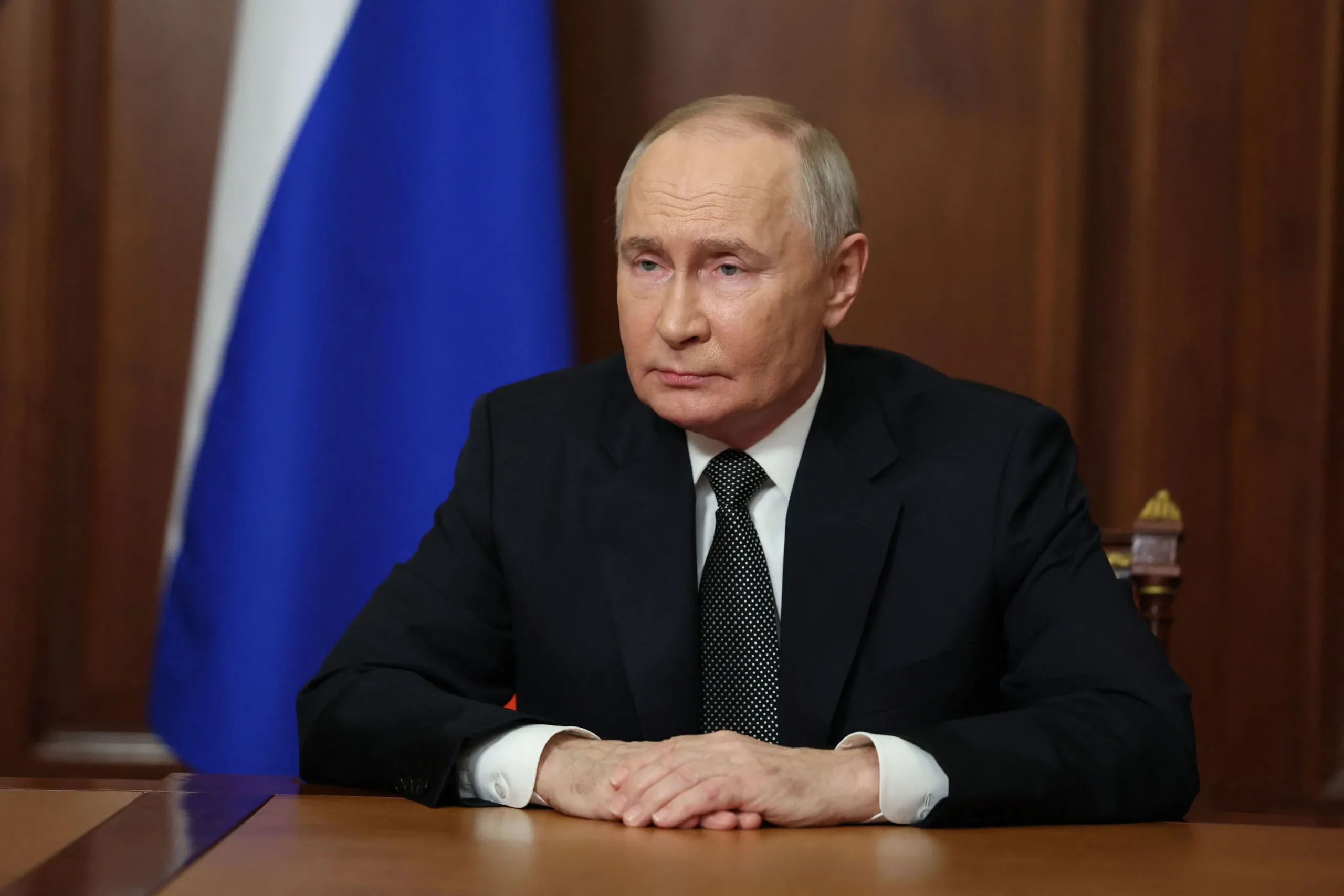
As expected, the announcement has generated significant international backlash, with both adoption agencies and LGBTQ+ rights groups raising concerns. Human rights organizations, particularly those advocating for LGBTQ+ equality, have condemned Russia’s actions, calling the move a violation of children’s rights to a family and a stable home environment.
The European Union, which has long been a proponent of children’s rights and LGBTQ+ protections, quickly issued a statement criticizing the law. Several EU members, including Germany and Sweden, voiced strong opposition to Russia’s stance, accusing the country of using children as political pawns to suppress the rights of gender-diverse individuals.
On the other hand, conservative and right-wing groups in Russia and other nations supportive of Russia’s policies praised the decision, framing it as a necessary stand against the spread of liberal ideologies that they believe undermine traditional family structures. They argue that children should not be exposed to environments that embrace gender transitions, viewing it as detrimental to their development.
This clash of ideologies underscores the larger cultural divide between Russia and Western democracies on issues related to gender and family rights. The policy is more than just an adoption law—it is a reflection of Russia’s ongoing conflict with the West on social issues, particularly LGBTQ+ rights.
What Does the Ban Mean for Children?
At the heart of this issue lies the ethical question of whether it is right to restrict a child’s opportunity for a loving home based on the policies of the country adopting them. Adoption has always been a sensitive issue, particularly for children from vulnerable backgrounds. Advocates for adoption rights argue that the primary consideration should be the well-being of the child, not the social policies of the adoptive nation.
In this case, critics of the adoption ban argue that it unjustly punishes children by limiting their access to families who are willing to provide loving and supportive homes. Furthermore, it could exacerbate the already existing problem of child trafficking and orphanages in Russia, where children in need of homes will face even greater barriers to being adopted internationally.
By introducing such a ban, Russia is effectively preventing children from finding families that may provide them with better opportunities for a fulfilling life. The ethical implications are significant: Does the state have the right to decide who can or cannot adopt a child based on the laws of the adopting country? And, more importantly, does this law prioritize ideological beliefs over the rights and needs of children?
The Political Context Behind Russia’s Stance
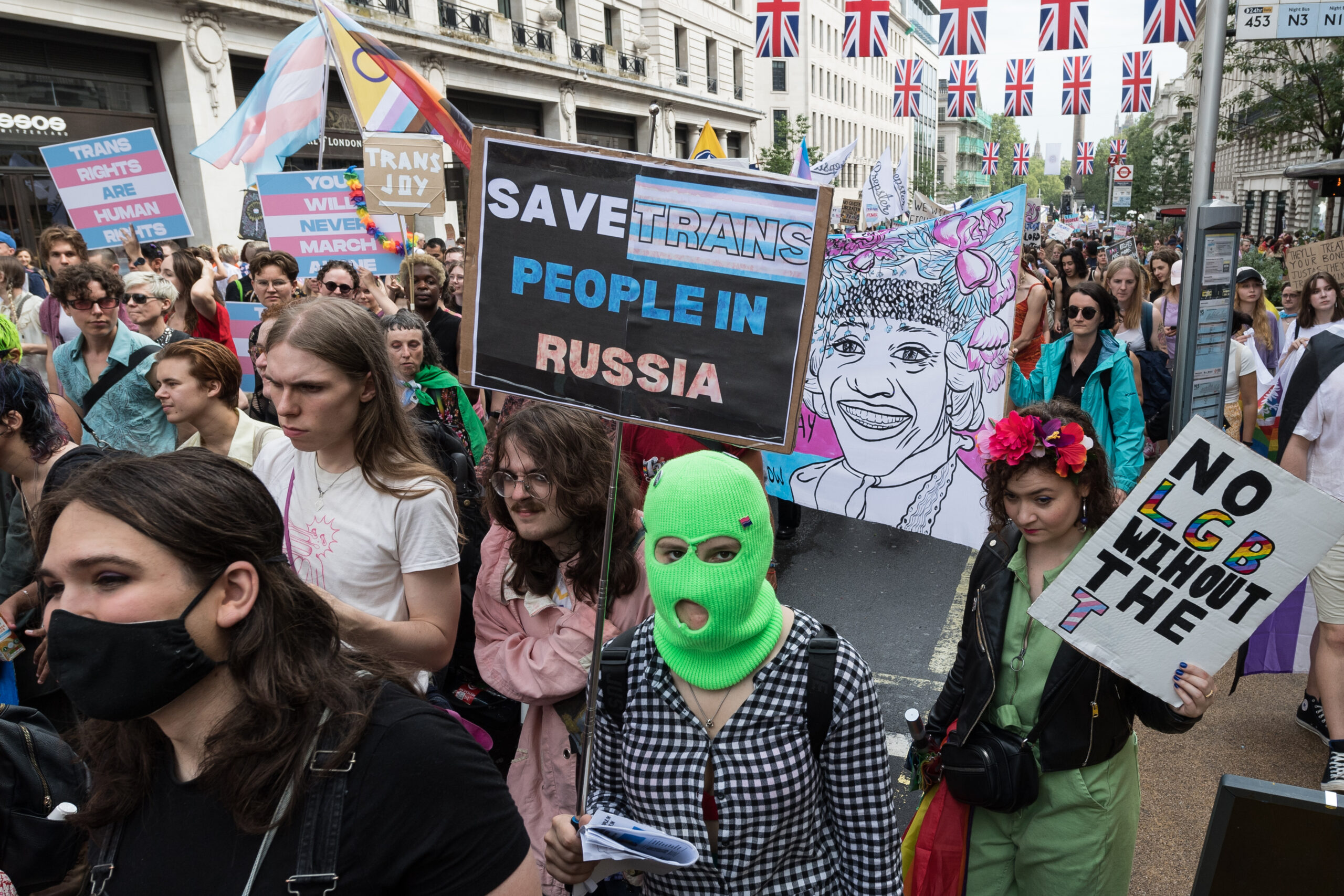
The ban on adoption is not happening in a vacuum. Russia’s recent actions are part of a broader political climate that is increasingly hostile toward Western liberal values, especially those associated with LGBTQ+ rights. In 2013, Russia passed the controversial “gay propaganda” law, which has been used to justify state actions against the LGBTQ+ community. This adoption ban can be viewed as an extension of those efforts to restrict the spread of what Russia views as “foreign” ideologies.
This move comes just as Russia is preparing for upcoming elections, where the government is eager to appeal to its conservative base. By framing the adoption ban as a defense of traditional family values, the government is positioning itself as a protector of Russia’s cultural identity against what it perceives as foreign interference.
For President Vladimir Putin, this law serves as a clear message to both domestic and international audiences: Russia will not compromise on its stance on gender issues, and it will defend its policies against Western influence. The move also comes as part of an effort to secure Russia’s moral and political sovereignty on the global stage.
The Potential Diplomatic Consequences
The adoption ban is likely to have diplomatic consequences that extend beyond just the realm of child welfare. Many countries with progressive adoption laws, particularly those in Europe and North America, have expressed outrage at Russia’s new policy. These countries are now faced with a difficult decision: how to balance their relationships with Russia while continuing to advocate for children’s rights and LGBTQ+ protections.
It is possible that the ban could lead to further diplomatic isolation for Russia, especially if other countries decide to impose sanctions or restrict bilateral agreements related to child welfare. Adoption has long been a point of international cooperation, but Russia’s stance challenges this cooperative framework and complicates future diplomatic relations.
This move could also lead to increased tensions between Russia and organizations like the United Nations, which has consistently advocated for children’s rights across the globe. The international community will likely respond to the ban with condemnation and, in some cases, retaliatory measures, further deepening the divide between Russia and the West.
The Future of Adoption in Russia
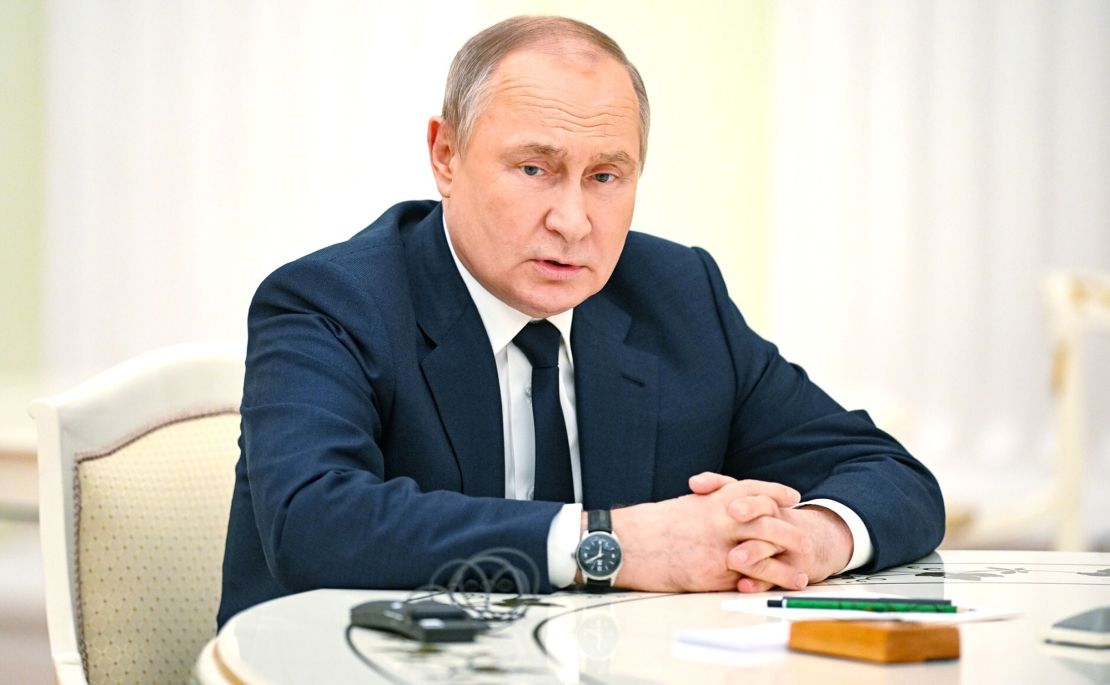
Looking ahead, the future of adoption in Russia appears uncertain. The ban on adoptions to countries that allow gender transitions raises significant concerns about the future of children in the Russian orphanage system. With fewer international adoption options, children may face longer stays in institutional care, where the quality of life can vary dramatically.
Moreover, this policy could discourage international adoption agencies from working with Russia altogether, further isolating children in need of families. As the number of children in Russia’s orphanages grows, the situation will only become more dire, leading to questions about how the state will handle the increasing number of children left without homes.
The broader implications for adoption practices in Russia could set a dangerous precedent for future policies. If the government continues to prioritize ideological concerns over the needs of children, the well-being of vulnerable youth could be placed in jeopardy.
The International Response and the Future of LGBTQ+ Rights
The ban on adoption has sparked a broader conversation about LGBTQ+ rights and how those rights intersect with international policy. Many activists argue that this move represents a direct attack on the rights of gender-diverse people and the families who want to provide them with homes.
As countries continue to pass progressive laws related to gender identity and LGBTQ+ rights, Russia’s stance on adoption serves as a stark reminder of the global divide over these issues. While many nations are advancing the cause of equality, Russia’s restrictive policies are setting back progress and challenging the international community’s efforts to ensure equal rights for all.
In the wake of this ban, the international community will have to decide how to respond. Diplomatic pressure, sanctions, and advocacy for children’s rights will likely continue to play a crucial role in how the global community addresses Russia’s increasingly conservative stance.
Conclusion
Moscow’s decision to ban the adoption of Russian children by countries that allow gender transitions is a watershed moment in the ongoing global debate over LGBTQ+ rights and the treatment of vulnerable children. This policy has the potential to reshape international adoption practices, raise ethical concerns, and ignite political tensions between Russia and the rest of the world.
For children in Russia’s orphanages, this decision could mean fewer opportunities for adoption and a longer stay in institutional care. For the international community, it poses a challenge to the values of equality and human rights. The coming years will be critical in determining whether this policy will persist and what impact it will have on the lives of Russian children and the future of LGBTQ+ rights globally.
As Russia continues to navigate its ideological battle with the West, the consequences of this adoption ban will extend far beyond the borders of Russia, affecting both diplomatic relations and the human rights landscape worldwide.