
Table of Contents
The Life and Legacy of Gladys West
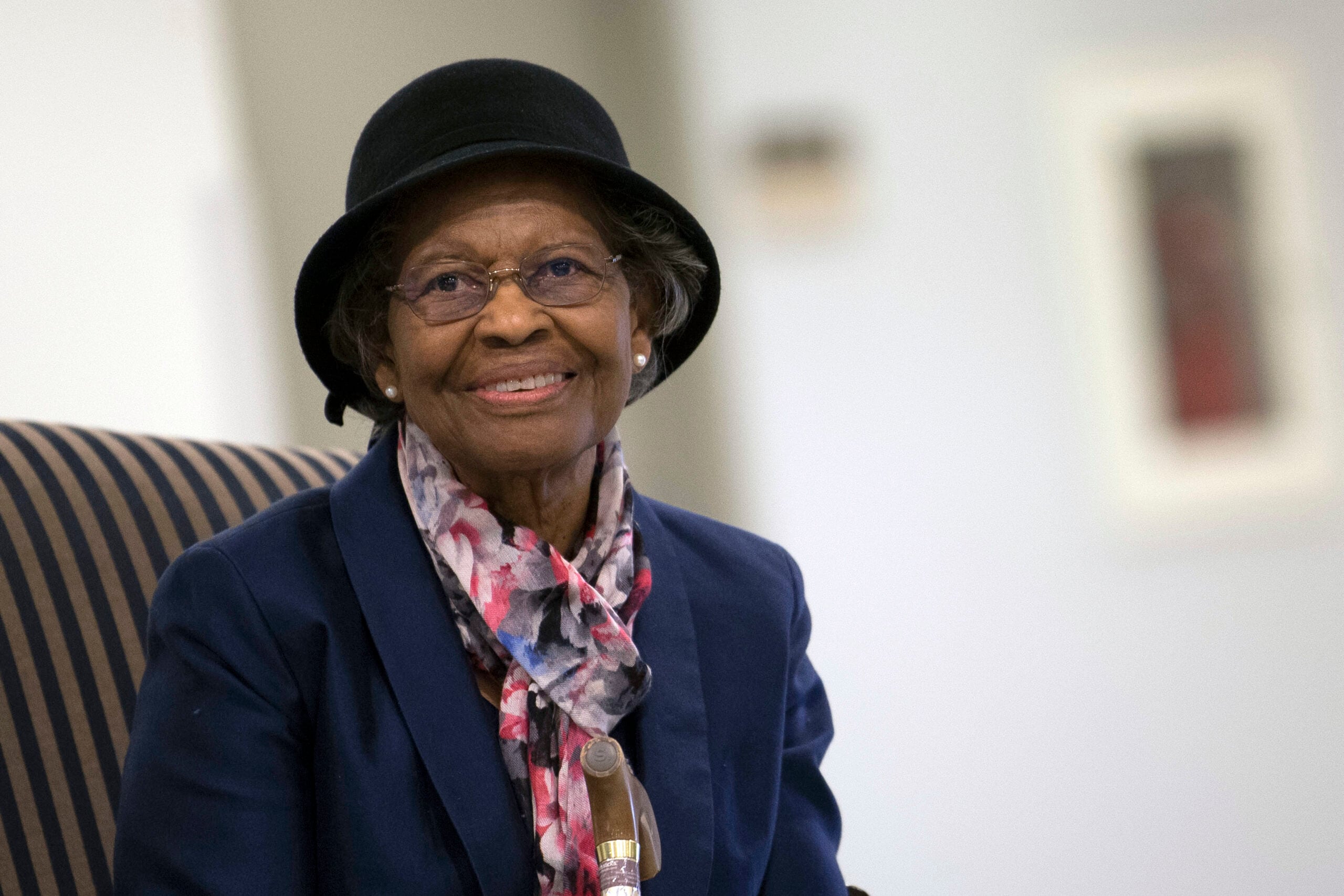
Born in 1930 in rural Virginia, Gladys West’s journey into the field of mathematics and technology was nothing short of extraordinary. Raised in a segregated South, she faced numerous challenges, but her passion for mathematics and education drove her forward. West attended Virginia State University, where she earned a degree in mathematics before going on to earn a master’s degree in the same field. Her academic background and determination set her on a path that would eventually change the world.
In 1956, West joined the U.S. Navy as a civilian, starting her career at the Naval Proving Ground in Dahlgren, Virginia. There, she worked as a computer programmer, but her contributions would go far beyond basic computational tasks. It was in Dahlgren that West’s expertise in mathematics and her attention to detail would prove invaluable in the development of satellite technology.
West’s work at the Naval Proving Ground laid the groundwork for what would eventually become the GPS system. She used advanced mathematical models to analyze data from satellites, which contributed to the development of accurate geodetic measurements necessary for navigation. Her work on satellite geodesy helped establish the framework for the satellite-based positioning system that would revolutionize navigation and travel.
Breaking New Ground in Satellite Technology
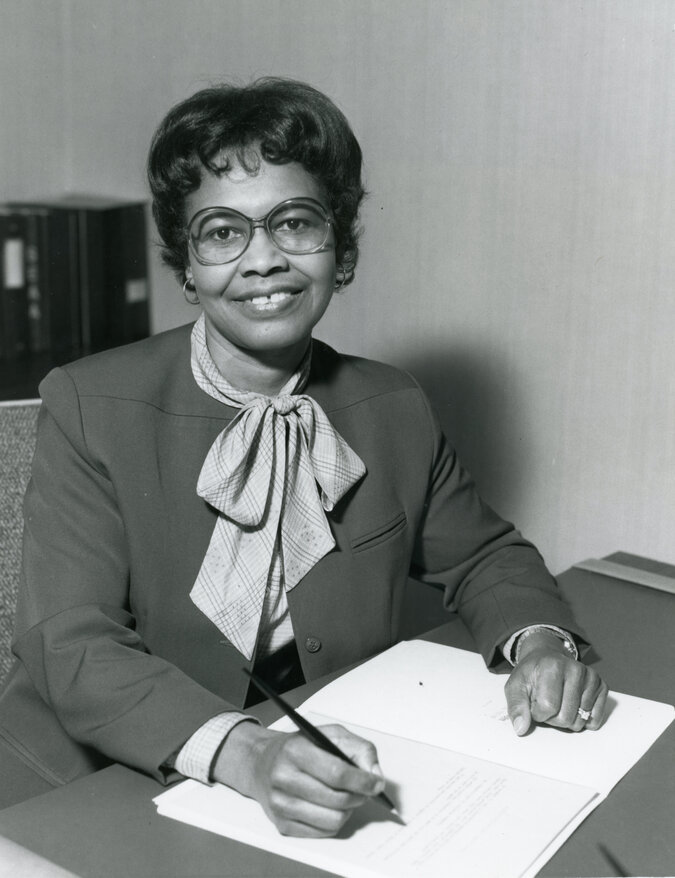
West’s primary contribution to the development of GPS came through her work on the development of a precise model of the Earth’s shape. Her research focused on the accurate measurement of the Earth’s shape and gravitational fields, which was critical to the creation of GPS. By understanding the Earth’s shape and how satellites interact with it, West’s work helped make satellite navigation systems viable and accurate.
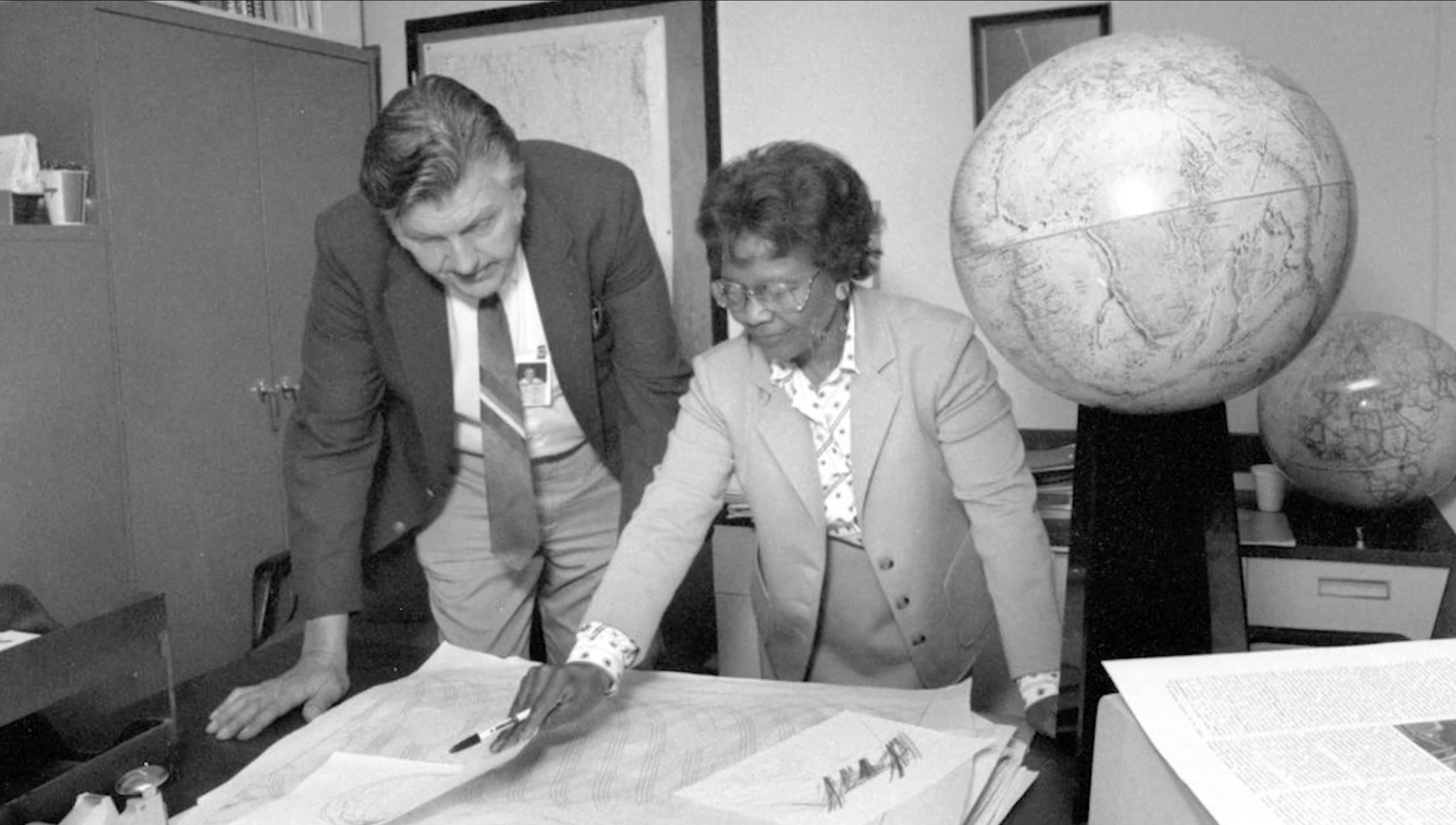
During her time at the Navy, West was responsible for programming and running complex mathematical algorithms that were used to track satellites and ensure the accuracy of positioning data. Her work directly contributed to the early stages of the GPS system, which was first developed by the Department of Defense in the 1970s.
While West’s contributions to the development of GPS remained classified for many years, her role as a mathematician and scientist was pivotal in the success of the system. As satellite technology evolved, West’s work played a crucial role in refining the mathematical models that allowed GPS to provide the level of accuracy that we now rely on daily.
The Struggle for Recognition
Despite her groundbreaking contributions, Gladys West’s work went largely unrecognized for many years. During her career, West worked in a segregated and male-dominated field. It wasn’t until later in her life that her pivotal role in the development of GPS began to be acknowledged. For much of her career, West’s accomplishments were overshadowed by her colleagues, and she worked behind the scenes, away from the public spotlight.
It wasn’t until 2018 that West received the recognition she deserved when she was inducted into the United States Air Force Space and Missile Pioneers Hall of Fame. This honor, which came years after her retirement, finally recognized her as one of the key figures in the creation of GPS technology. In the same year, West was also inducted into the Virginia Women’s Hall of Fame for her pioneering work in mathematics and technology.
Although her contributions to the GPS system remained relatively unknown for decades, West’s recognition in her later years marked a shift in how women and people of color in STEM fields are celebrated. Her story has inspired countless others, especially women and minorities, to pursue careers in mathematics, engineering, and technology.
A Lifetime of Service to Science and Technology
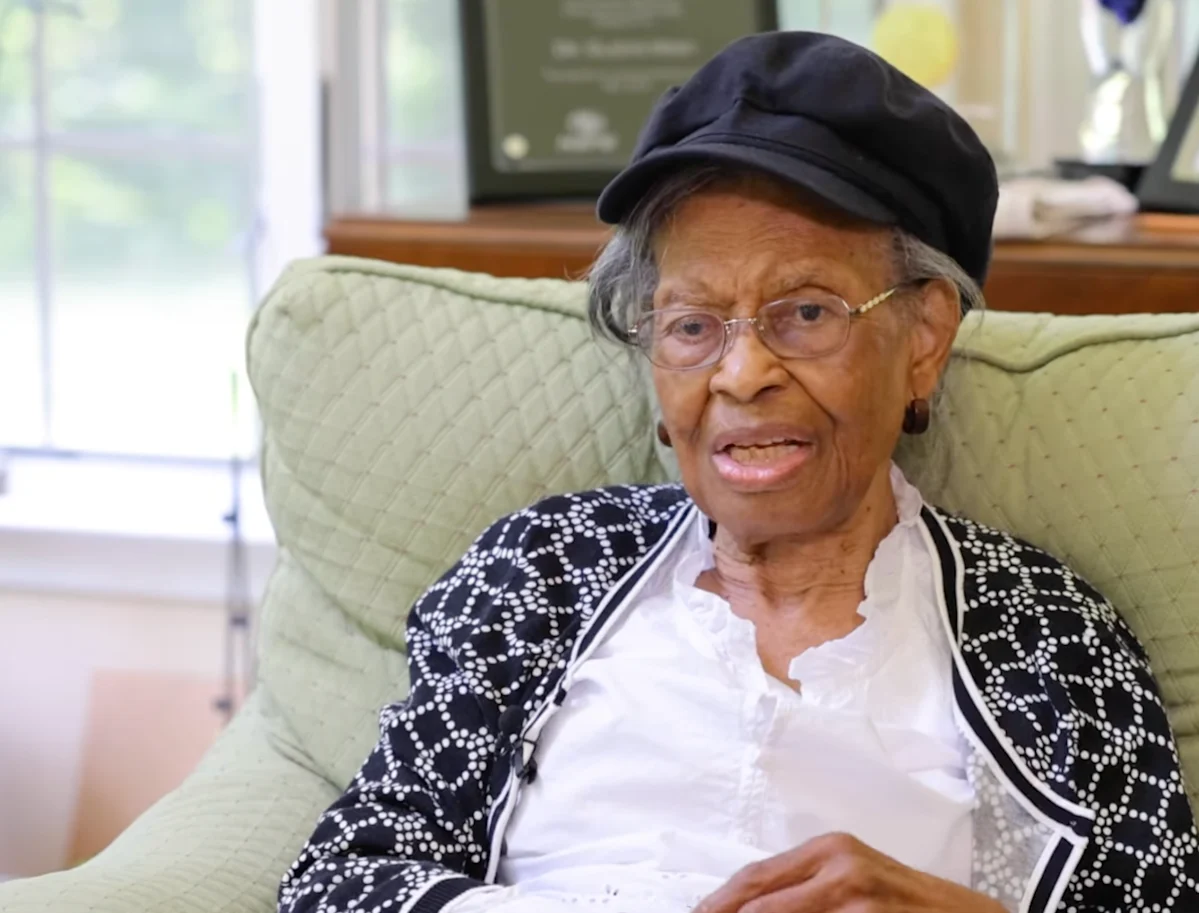
West’s career was not limited to her work on GPS. Over the course of her 42-year career with the U.S. Navy, she earned numerous accolades for her contributions to scientific research. West was known for her precision, attention to detail, and ability to solve complex mathematical problems that few others could. Her work was instrumental in furthering the Navy’s technological capabilities, and her impact extended beyond the development of GPS.
West’s influence in the field of satellite technology and geodesy was significant not only for her contributions to the U.S. military but also for her lasting impact on civilian technology. The accuracy of modern GPS systems, which are used in everything from navigation apps to autonomous vehicles, can be traced back to the early models that West helped develop. Her contributions helped pave the way for the global network of satellites that now serve billions of people around the world.
Her work has also had a profound impact on various industries, from transportation and logistics to agriculture and disaster relief. The global positioning system has transformed how we live and work, and Gladys West’s contributions were crucial in making it a reality.
Breaking Barriers in STEM
West’s story is one of perseverance and determination, particularly as a Black woman in a field dominated by white men. Throughout her career, she faced both racial and gender-based discrimination, yet she remained committed to her work and achieved great success. Her journey serves as an important reminder of the challenges faced by women and minorities in STEM fields, and the importance of overcoming these obstacles to make lasting contributions to society.
West’s work was not just about mathematics or technology; it was also about breaking barriers and opening doors for future generations. She served as a role model for young women and minorities in science, showing them that success in STEM fields was not only possible but achievable. Her dedication to her craft and her ability to navigate the challenges of her environment set a powerful example for those who followed in her footsteps.
Today, West is remembered not only for her technical contributions but for her role in inspiring the next generation of women in STEM. Through her work and her perseverance, she made it possible for others to dream big and push the boundaries of what is possible.
Gladys West’s Enduring Impact on GPS Technology
Gladys West’s death marks the end of an era, but her legacy continues to live on through the GPS technology that has transformed the world. Her contributions to satellite technology and geodesy are still felt in everyday life, as GPS plays a central role in everything from navigation systems to weather forecasting.
Her work on GPS not only changed the way people navigate the world but also helped to improve the accuracy of global mapping systems, benefitting industries ranging from logistics to agriculture. The technology that West helped develop has saved lives, enhanced efficiency, and made the world more connected than ever before. Her groundbreaking contributions have had a profound and lasting impact, and her name will forever be associated with one of the most important advancements in modern technology.
While West may no longer be with us, her work continues to shape the future of GPS and satellite technology. The legacy of her brilliance lives on in the millions of people who rely on GPS every day and in the generations of women and minorities who will follow her path in STEM fields.
A Final Tribute to a Trailblazer
As we reflect on Gladys West’s life and accomplishments, we are reminded of the importance of recognizing and celebrating the contributions of individuals who have shaped the world in ways that often go unnoticed. West’s work in satellite geodesy and her pivotal role in the development of GPS is a testament to her brilliance, perseverance, and unwavering dedication to science and technology.
Her recognition, though long overdue, serves as a reminder that progress in science and technology is often driven by individuals who work tirelessly behind the scenes. In honoring Gladys West, we acknowledge not only her extraordinary contributions to GPS but also the barriers she broke as a woman of color in a male-dominated field. She will always be remembered as a trailblazer and an inspiration to generations to come.
Conclusion
The death of Gladys West marks the loss of a pioneering mathematician whose contributions helped shape the world we live in today. Her groundbreaking work in satellite geodesy and the development of GPS technology will continue to benefit society for years to come. West’s legacy is a powerful reminder of the importance of perseverance, hard work, and dedication to the advancement of knowledge.
In the years ahead, her story will inspire countless individuals—especially women and minorities—who seek to make their mark in the world of science and technology. Gladys West’s life is a shining example of how one person’s contributions can change the world for the better. Though she is no longer with us, her impact will never be forgotten.