
Table of Contents
The World’s Fastest Humanoid Robot
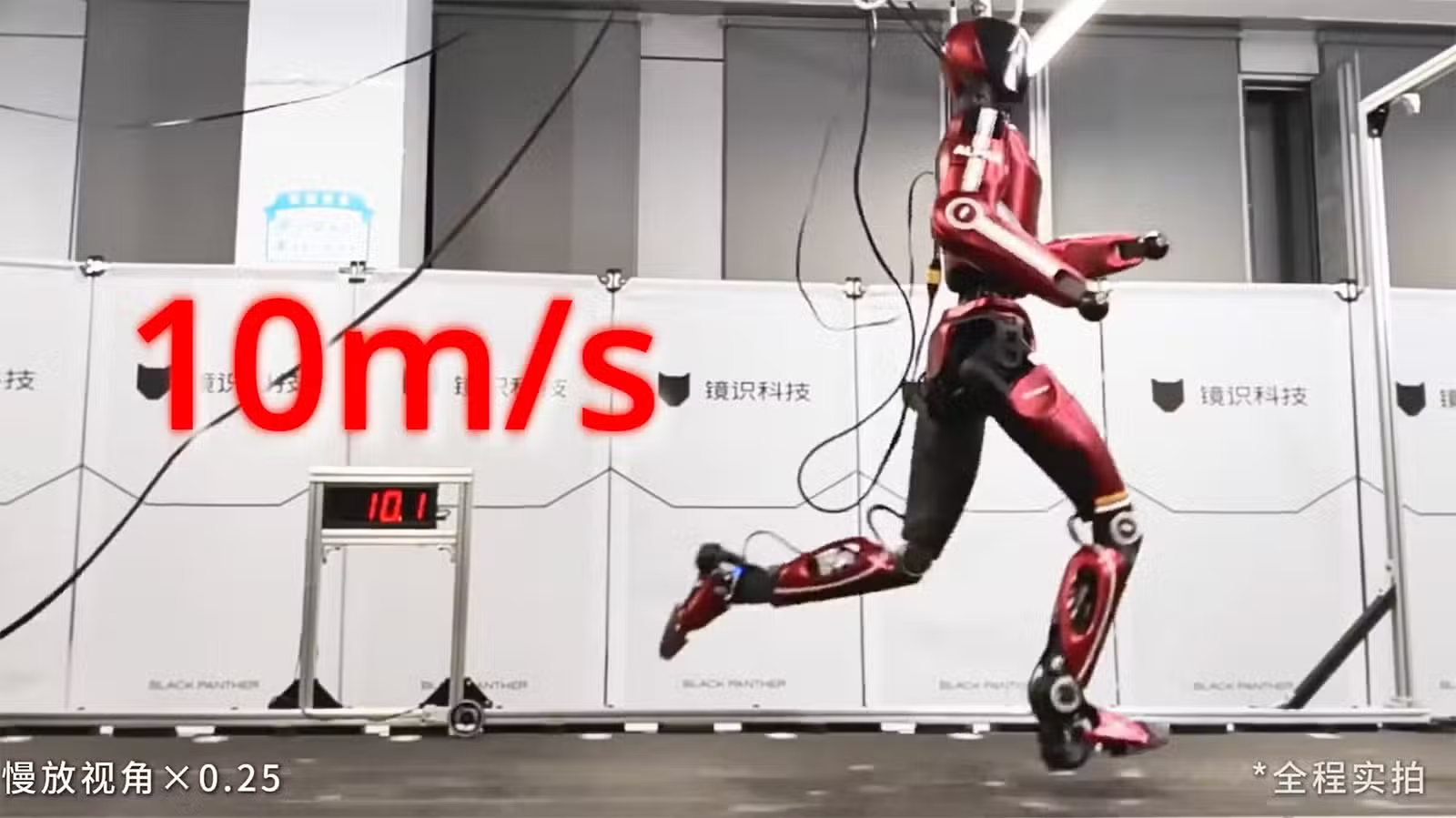
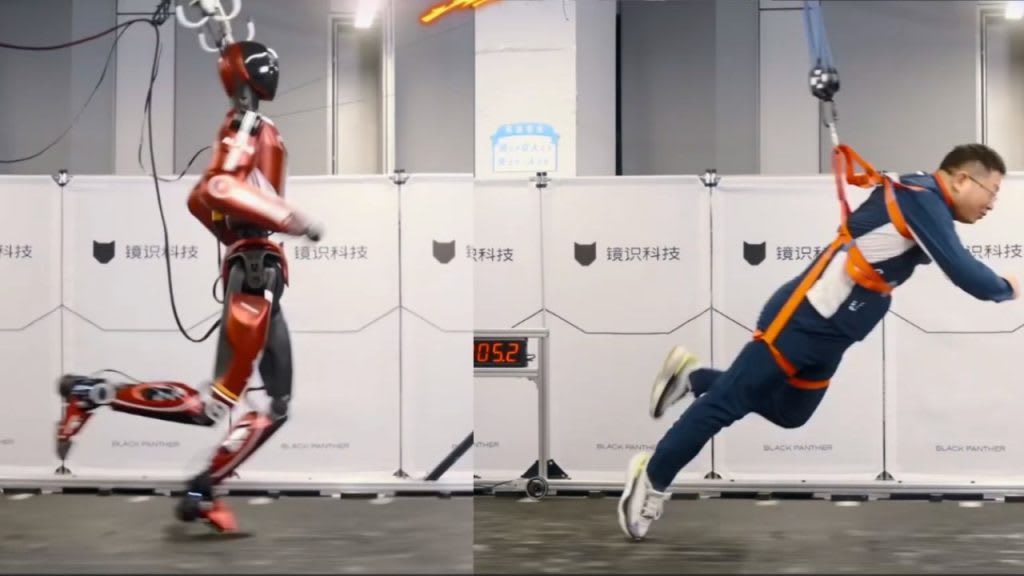
Bolt is not just a robot—it’s a technological marvel. Designed to mimic human movements with incredible speed and agility, Bolt has achieved a record-breaking feat by running at 10 meters per second, which is faster than the average human sprinter. This new humanoid robot, built by a team of Chinese engineers, has surpassed previous records held by similar robots and has brought robotics to a new level of performance.
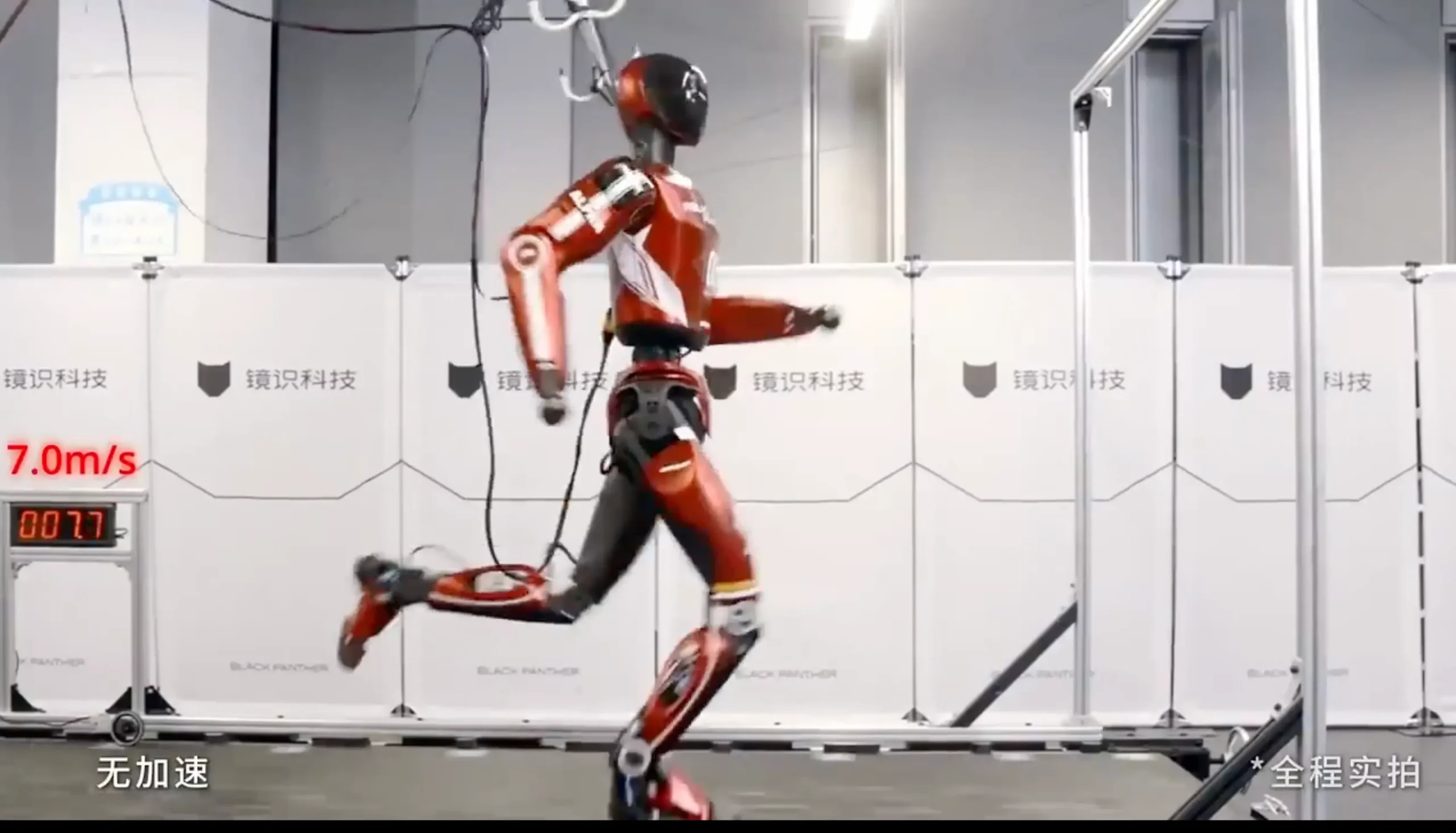
The humanoid robot is equipped with advanced artificial intelligence, precise motion control, and high-speed processing capabilities that allow it to run at this astonishing speed. Its design is modeled after the human body, with limbs and joints that closely resemble human biomechanics, enabling it to run in a natural manner. The key to Bolt’s speed lies in its optimized engineering, including lightweight materials and high-efficiency actuators that allow for faster response times and precise movement coordination.
Bolt’s achievement sets it apart from other robots in the field of humanoid robotics. Previous attempts at creating fast-moving robots were often limited by mechanical constraints and the lack of coordination between the robot’s limbs. Bolt, however, is breaking these barriers and pushing the envelope of what humanoid robots can achieve in terms of physical performance.
The Technology Behind Bolt’s Speed
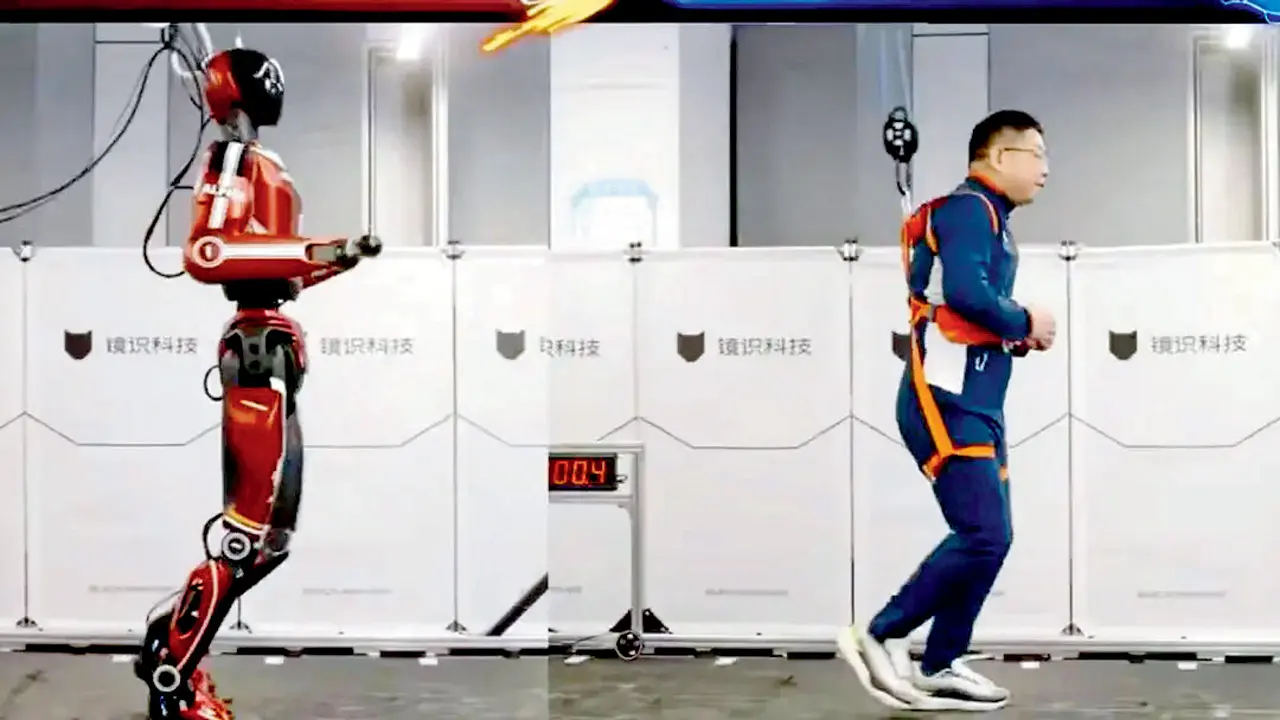
Bolt’s incredible speed is the result of years of research and development in the field of robotics and artificial intelligence. Engineers and roboticists focused on optimizing the robot’s movement algorithms and enhancing its power-to-weight ratio. The robot’s limbs are equipped with high-torque actuators that provide the necessary power to propel Bolt forward at high speeds, while its lightweight frame ensures minimal energy loss.
One of the key features of Bolt is its advanced balance system, which allows it to maintain stability at high speeds. The robot’s sensors continuously collect data about its environment, adjusting its movements in real-time to ensure that it remains upright and balanced while running. This makes Bolt not only fast but also agile, able to navigate uneven terrain and adapt to changes in its environment.
Additionally, Bolt’s AI capabilities allow it to learn from its experiences and improve its performance over time. This means that as Bolt interacts with different surfaces and obstacles, it continuously refines its movements to become more efficient and faster. The integration of machine learning enables Bolt to overcome the limitations faced by earlier robots, which were often unable to adapt to new situations without manual intervention.
The Implications for the Future of Robotics
The unveiling of Bolt is not just a technological achievement; it represents a significant milestone in the evolution of humanoid robots. Bolt’s speed and agility are key indicators of the potential applications of robots in a variety of fields, ranging from entertainment and sports to disaster response and healthcare. With the capability to move quickly and fluidly, Bolt could be used in environments that require high mobility, such as search and rescue missions or emergency response operations.
In industries like healthcare, robots like Bolt could assist with tasks that require precision and speed, such as surgery or patient care. The ability to perform tasks quickly and efficiently while maintaining a human-like presence opens up new possibilities for robots to collaborate with human workers in various fields. Bolt’s development also highlights the potential for robots to interact with humans in more intuitive ways, offering a glimpse into a future where robots are an integral part of daily life.
Moreover, the advancement of humanoid robots like Bolt has significant implications for the field of artificial intelligence. As robots become more autonomous and capable of learning from their environments, the role of AI in enhancing robot performance will only grow. Bolt’s AI-driven capabilities could lead to more advanced robots that are capable of performing a wider range of tasks, further blurring the lines between humans and machines.
China’s Growing Influence in Robotics
China has emerged as a global leader in robotics and artificial intelligence, and the unveiling of Bolt further solidifies its position at the forefront of this technological revolution. In recent years, China has made significant investments in AI research and robotics, with the government providing substantial funding and support for innovation in these fields. The development of robots like Bolt is part of China’s broader plan to dominate the global robotics market and lead the way in AI-driven technologies.
The success of Bolt is also a testament to the country’s engineering prowess and commitment to technological advancement. As China continues to invest in cutting-edge research, it is likely that we will see more breakthroughs in robotics and AI from Chinese companies and research institutions. With Bolt, China has demonstrated that it is not only capable of developing fast and efficient robots but is also leading the charge in creating humanoid robots that can match or even exceed human performance in certain areas.
China’s growing influence in robotics presents both opportunities and challenges for other countries. As China continues to develop advanced robots like Bolt, the competition in the global robotics market will intensify, pushing other nations to invest in their own AI and robotics programs. The race to develop the most advanced humanoid robots could reshape industries and even redefine what it means to work alongside machines.
Bolt’s Potential Applications in Various Industries
The development of Bolt opens up exciting possibilities across various sectors. In the military, for instance, humanoid robots like Bolt could be deployed in situations where human lives are at risk, such as bomb disposal, reconnaissance, or surveillance missions. Bolt’s speed and agility could enable it to cover large areas quickly, gather intelligence, and perform tasks that would otherwise be too dangerous for human soldiers.
In the world of sports and entertainment, Bolt’s physical abilities could be showcased in performances, competitions, or even in interactive experiences where robots engage with humans in a way that has never been seen before. The entertainment industry could harness robots like Bolt to create new forms of immersive experiences that combine human creativity with machine precision.
In industries like logistics and transportation, robots like Bolt could be used for tasks such as package delivery or warehouse management. Bolt’s ability to move quickly and accurately makes it ideal for tasks that require speed and efficiency, which could revolutionize supply chain operations and delivery systems.
The potential applications of Bolt extend beyond these industries, touching nearly every aspect of modern life. As robotics technology continues to advance, we may see humanoid robots like Bolt playing a more prominent role in everyday tasks, from household chores to complex industrial processes.
Ethical Considerations and Concerns
As humanoid robots like Bolt become more advanced, ethical considerations regarding their use and integration into society must be addressed. One of the primary concerns is the potential impact on the workforce. As robots become more capable of performing tasks that were traditionally done by humans, there is the risk of job displacement, particularly in industries that rely heavily on manual labor or repetitive tasks.
Additionally, questions about the safety and regulation of autonomous robots will need to be addressed. While robots like Bolt are designed to operate efficiently, the possibility of malfunctions or errors raises concerns about their reliability, particularly in critical applications like healthcare or public safety.
There are also concerns about the ethical implications of robots that resemble humans. As robots become more lifelike, questions about their rights, responsibilities, and relationship to humans will need to be considered. The more advanced robots become, the more blurred the lines between human and machine will become, raising important questions about how society should interact with and regulate these entities.
The Future of Humanoid Robots
The development of Bolt is just the beginning of what could be an exciting future for humanoid robots. As engineers continue to refine the technology, we can expect even more advanced robots that are capable of performing an even broader range of tasks. These robots will likely become more integrated into society, offering a range of benefits across various sectors.
Future humanoid robots may possess even greater capabilities, including advanced emotional intelligence, more complex interactions with humans, and the ability to learn and adapt in real-time. As AI technology continues to evolve, robots like Bolt could become essential tools in many aspects of daily life, from caregiving to manufacturing to public service.
The potential of humanoid robots is limitless, but it is important for society to consider the ethical implications and ensure that these advancements benefit humanity as a whole. As technology continues to progress, the future of humanoid robots will undoubtedly be shaped by the balance between innovation and responsibility.
Bolt and the Future of Robotics
The unveiling of Bolt, the world’s fastest humanoid robot, represents a significant step forward in the field of robotics and artificial intelligence. With its ability to run at 10 meters per second, Bolt demonstrates the incredible potential of humanoid robots to perform tasks with speed and precision. As the technology behind Bolt evolves, the applications for humanoid robots will expand, offering new possibilities in industries ranging from healthcare to military defense to entertainment.
While the future of humanoid robots like Bolt is promising, it is crucial for society to consider the ethical and social implications of integrating such advanced machines into everyday life. As robots become more capable and lifelike, the responsibility to ensure their safe, ethical use will grow.
The unveiling of Bolt is just the beginning of an exciting new era in robotics. As we look to the future, the potential for humanoid robots to revolutionize industries and transform the way we live and work is limitless.