
Table of Contents
- A Personal Moment That Shifted a Political Narrative
- The Weight of Presidential Speculation
- What Newsom Shared About His Son’s View
- Why Family Resistance Matters in Political Decisions
- The Human Cost of Public Office on Children
- Political Ambition Versus Parental Responsibility
- Public Reaction to the Revelation
- How This Affects Newsom’s National Image
- The Broader Context of Leadership Choices
- What This Moment Ultimately Reveals
A Personal Moment That Shifted a Political Narrative
When Gavin Newsom publicly acknowledged that his son does not want him to run for president, the comment stood out in a political landscape often dominated by ambition and strategy. Unlike policy debates or campaign speculation, this moment revealed the personal cost that high level politics can place on families.
The remark arrived amid growing national attention surrounding Newsom’s visibility and leadership profile. Yet instead of fueling momentum, the statement introduced hesitation and humanity into the conversation.
What follows is an exploration of why that moment matters and what it reveals about the intersection of family and power.
The Weight of Presidential Speculation
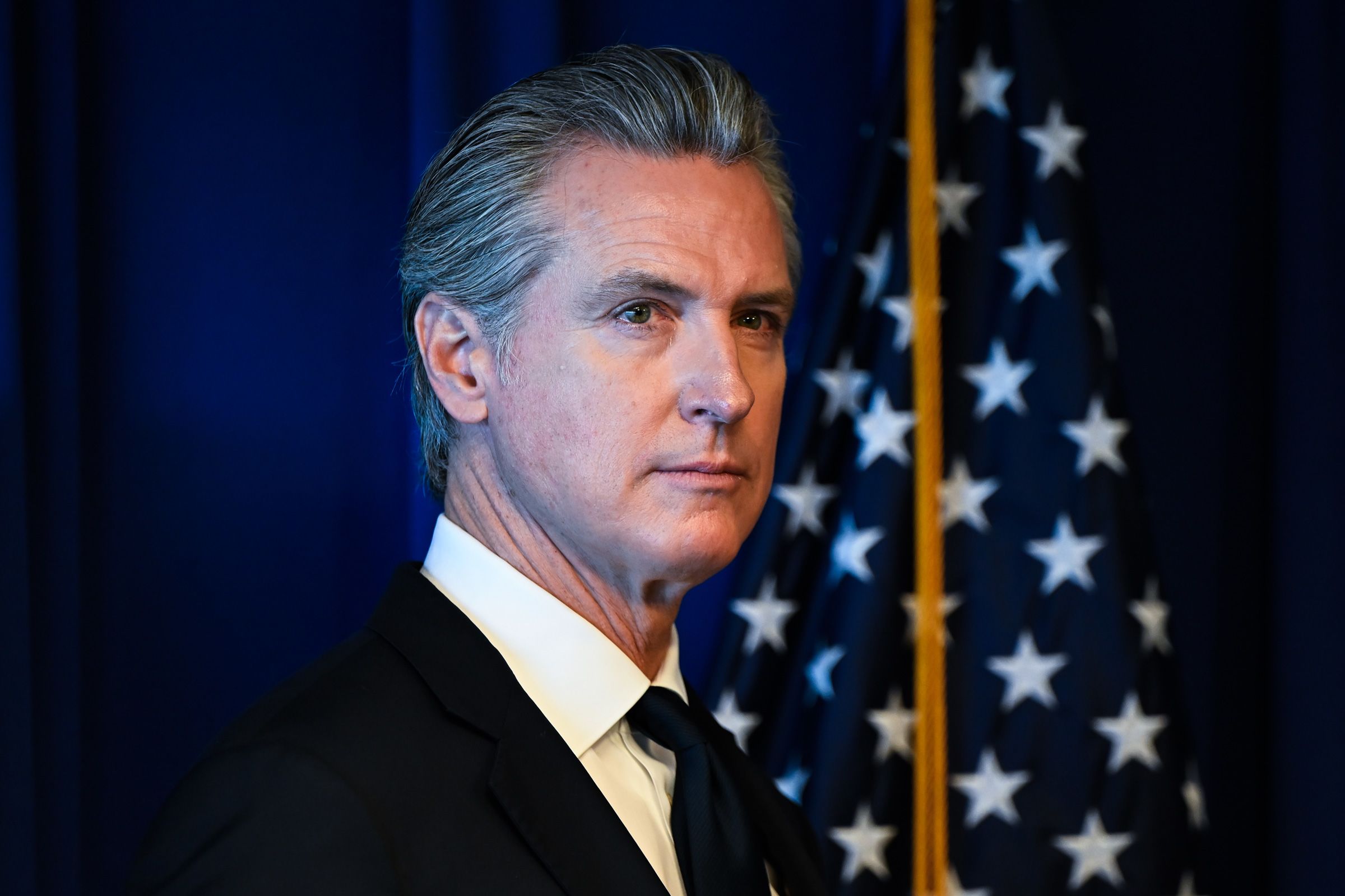
For months, Newsom’s name has circulated in discussions about future presidential contenders. His national media appearances, policy clashes with conservative leaders, and high profile book tour all intensified that speculation.
Despite repeatedly denying immediate plans to run, Newsom has not escaped scrutiny. In modern American politics, visibility itself becomes evidence of ambition.
Against this backdrop, his son’s opposition reframed the narrative from political readiness to personal restraint.
Newsom explained that his son expressed clear resistance to the idea of a presidential campaign. While details remained private, the message was direct.
The concern was not ideological or political. It was personal. Campaigns demand time, attention, and constant public exposure. For children, that exposure often comes with loss of privacy and emotional strain.
By sharing this, Newsom offered a rare glimpse into how political decisions ripple beyond the candidate.
Why Family Resistance Matters in Political Decisions
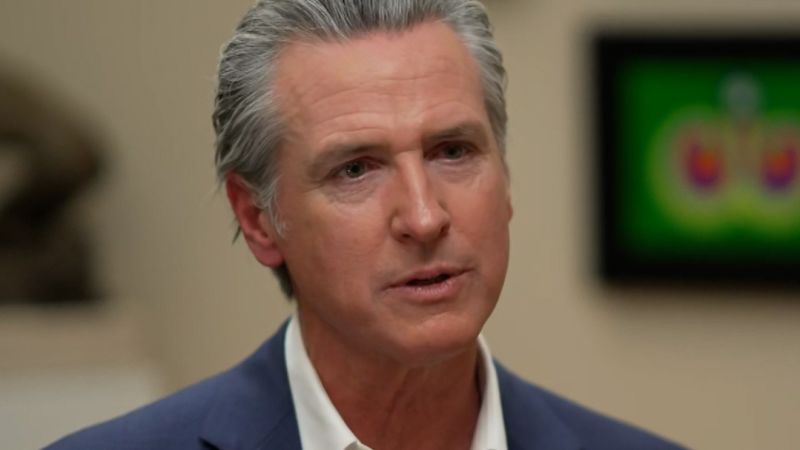
Presidential campaigns are not undertaken alone. They require total immersion and affect spouses, children, and extended families.
Political historians note that family hesitation has shaped decisions before, sometimes preventing runs that seemed inevitable from the outside. The presidency is not only a job but a transformation of daily life.
A child’s resistance introduces a moral counterweight to ambition, one that voters rarely see.
The Human Cost of Public Office on Children
Children of national political figures grow up under scrutiny. Their lives become public property in ways they did not choose.
Newsom’s acknowledgment highlights concerns shared by many political families. The fear is not criticism alone, but permanence. Once exposed, privacy cannot be reclaimed.
This reality has increasingly influenced modern leaders who are more vocal about protecting family boundaries.
Political Ambition Versus Parental Responsibility
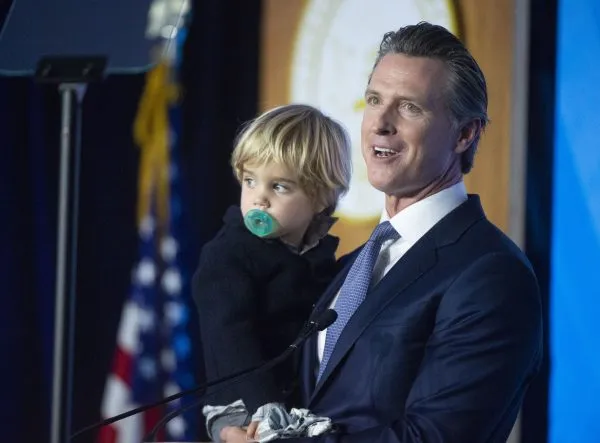
The moment raises a broader question. How should leaders balance public service with private responsibility.
For some politicians, ambition overrides hesitation. For others, family considerations become decisive. Newsom did not say his son’s opinion was the final word, but he made clear it carried significant weight.
That admission suggests a leader measuring success not only by office, but by personal integrity.
Public Reaction to the Revelation
The response was swift and mixed. Some viewed the comment as refreshing honesty in a profession often criticized for emotional detachment.
Others interpreted it as a strategic deflection from speculation, though no evidence supports that claim. Regardless of interpretation, the moment humanized Newsom.
It reminded voters that political figures are also parents navigating ordinary family tensions under extraordinary circumstances.
How This Affects Newsom’s National Image
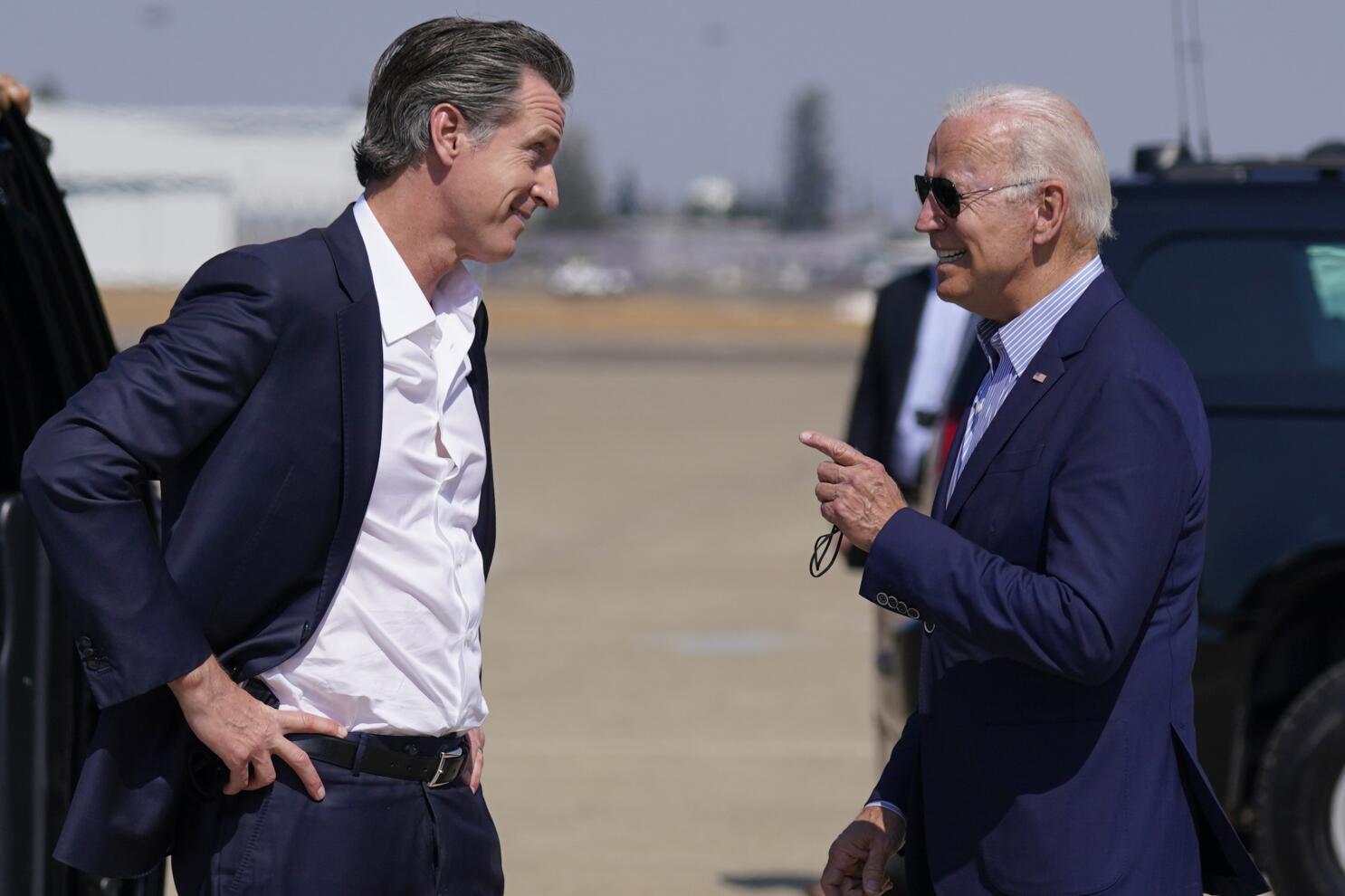
Rather than weakening Newsom’s image, the revelation complicated it. He appeared less like a calculating aspirant and more like a conflicted decision maker.
In an era when voters increasingly distrust perceived ambition, restraint can be politically meaningful. Whether intentional or not, the statement positioned Newsom as cautious rather than eager.
This shift matters in how future actions will be interpreted.
The Broader Context of Leadership Choices
Leadership decisions often emerge from private conversations long before public announcements. Family resistance rarely makes headlines, yet it shapes outcomes.
By sharing his son’s perspective, Newsom broke from political tradition that treats personal life as secondary. He placed emotional accountability alongside political possibility.
That choice alone differentiates him in a crowded political field.
What This Moment Ultimately Reveals
At its core, the story is not about a campaign. It is about limits. Limits set by family, by responsibility, and by conscience.
Whether Gavin Newsom ever runs for president remains unknown. What is clear is that ambition alone will not determine that path.
In a political era defined by relentless pursuit of power, the voice of a child introduced pause. That pause may shape not only one man’s future, but how leadership choices are understood in America.