
Table of Contents
- What the Poll Found About Public Support
- Why Epstein Files Matter to the Public
- Historical Context of the Epstein Files Release
- Public Distrust and Cross‑Party Consensus
- Legal and Political Pressures on the Release
- What Americans Want Next
- Broader Impacts on Public Trust and Institutions
- Implications for Policy Makers and the Public
- Conclusion
What the Poll Found About Public Support
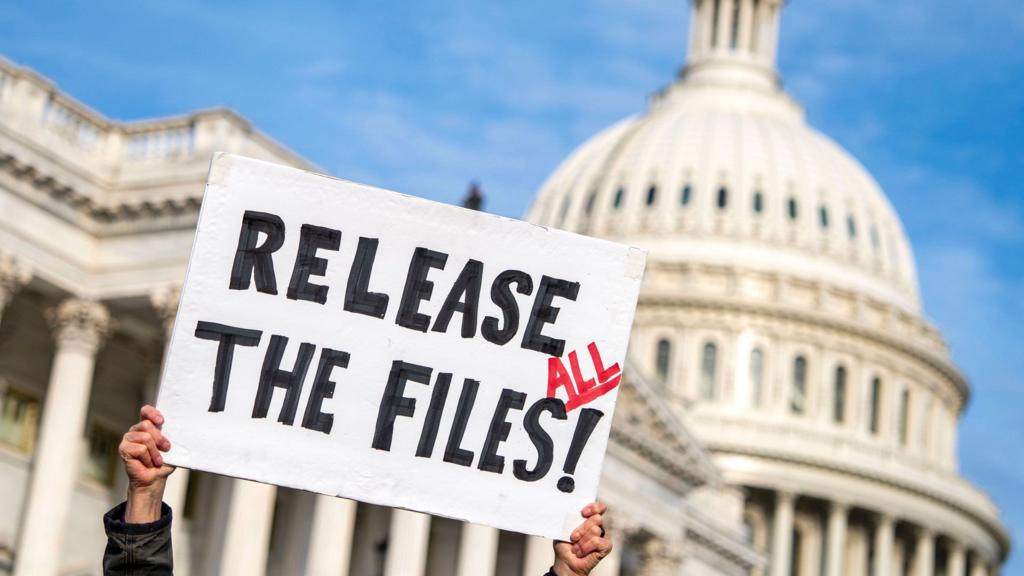
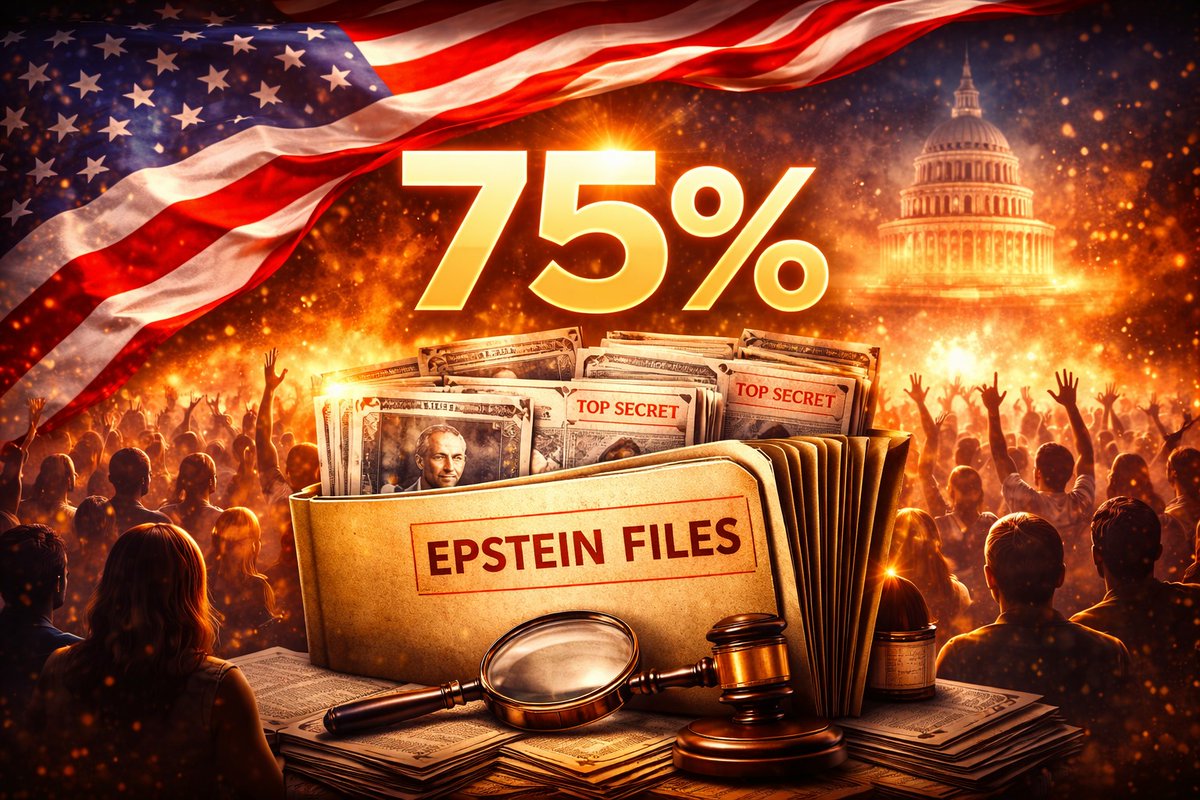
A nationwide survey of American adults showed that roughly three out of every four respondents believe the government should release all files it has on the Jeffrey Epstein case, with only a small minority opposing full transparency. Poll participants were asked whether federal agencies should make available all documents associated with Epstein’s prosecution and activities, including records from the Justice Department, and the overwhelming response was in favor of disclosure, even with appropriate redactions to protect victim identities and privacy concerns.
Support for this level of public access crossed traditional political boundaries. Majorities of Democrats, Republicans, and independents alike expressed strong approval of releasing the files, a rare point of consensus in a deeply polarized political climate. Prior surveys from other pollsters earlier in 2025 had similarly shown that Americans were uneasy about the idea that authorities might be withholding relevant information, with many expressing belief that the full facts had not yet been made public.
These findings highlight a convergence of public opinion around transparency in high‑profile legal cases involving powerful individuals and sensitive information. For many respondents, full disclosure is not only about satisfying curiosity but about ensuring accountability from both government institutions and the social elites implicated in Epstein’s history.
Why Epstein Files Matter to the Public
The Epstein files — a sprawling collection of documents, emails, photographs, logs, and legal records — pertain to the actions, associates, communications and financial dealings of Jeffrey Epstein, a financier and convicted sex offender whose death in custody in 2019 left many questions unanswered about the scope of his operations and the extent of his connections to the powerful and wealthy. The files became the focal point of congressional and public demands for accountability and transparency, leading to legislative and legal actions designed to compel the government to release them.
For many Americans, the desire to see these files made public reflects deep mistrust toward institutions perceived to protect elites or conceal uncomfortable truths. Poll respondents commonly cited beliefs that the documents could reveal who frequented Epstein’s properties, how authorities may have mishandled aspects of the case, and whether influential individuals used their positions to avoid scrutiny. As a result, the Epstein files are viewed not just as legal records, but as symbolic evidence of how justice and power intersect in American society.
Historical Context of the Epstein Files Release
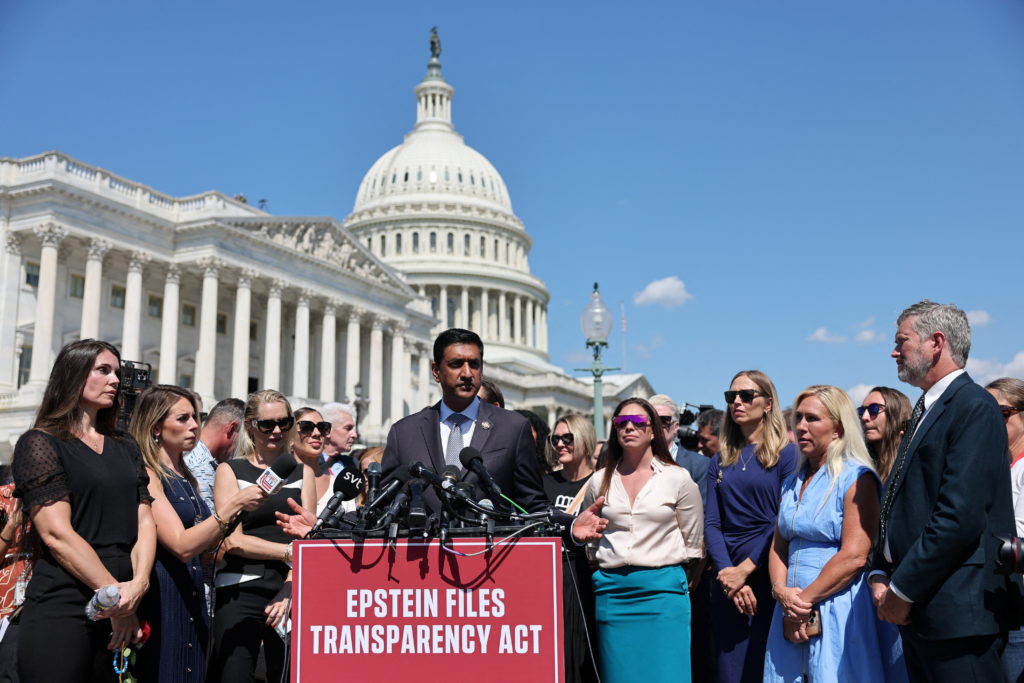
The push for public disclosure gained significant momentum in 2025 after members of the U.S. House of Representatives forced a vote on the Epstein Files Transparency Act, a bipartisan effort to require the Justice Department to make all unclassified records related to Epstein publicly accessible. This legislation was passed with overwhelming support in Congress and signed into law, setting a legal deadline for the release of the documents and triggering wide‑ranging debate about how transparency should be balanced with victim privacy and legal constraints.
However, even after millions of pages were released in waves — including documents containing photos, videos, communications, and associated records — many critics and members of the public argued that the government had not fully complied with either the spirit or letter of the law. Some contended that redactions were excessive, and others claimed that certain records remained withheld or inaccessible, fueling suspicions that important information about Epstein’s network and potential enablers may still be hidden.
Public opinion reflected this skepticism. Even among those who trusted that authorities had eventually complied with legal requirements, a significant proportion believed that not all materials had been provided or that crucial details had been obscured, contributing to pressure for even more exhaustive disclosure and oversight.
Public Distrust and Cross‑Party Consensus
One remarkable feature of the public reaction was how broadly support for full release cut across political party affiliations. While political opinion in the United States is often sharply divided, the Epstein files issue emerged as one of the rare cases where large majorities from across the partisan spectrum agreed on a policy position. Pollsters reported that majorities of Democrats, Republicans, and independents all stressed the importance of full transparency, suggesting that concerns about accountability and openness in government can transcend typical ideological divides.
This cross‑party consensus also reflects broader trends identified in polling about public skepticism toward how the Epstein investigation had been handled by government officials and law enforcement prior to the files’ release. Many Americans expressed belief that powerful figures connected to Epstein may have avoided scrutiny or consequences, adding to distrust that the government might be shielding certain individuals or interests.
Some surveys also found that majorities of Americans suspected the files contain embarrassing or damaging information about a wide range of public figures beyond Epstein himself, including politicians, business leaders and others with high public profiles — a belief that further intensified calls for full disclosure.
Legal and Political Pressures on the Release
The legislative process that led to the release of the Epstein files was itself fraught with political maneuvering, institutional conflict and public scrutiny. Lawmakers in the House faced pressure from constituents and advocacy groups demanding accountability, while some political leaders attempted to delay or limit the scope of disclosure. Editorial commentary and media coverage documented how certain members of Congress resisted the release effort initially, while others championed it as a necessary corrective to long‑standing secrecy and institutional failure.
Once the Epstein Files Transparency Act became law, the Department of Justice was legally required to comply within a specified timeframe. Although millions of records were eventually produced, critics argued that the staggered release and extensive redactions undermined the law’s intent, prompting further complaints and potential legal challenges about how compliance was measured and enforced.
At the same time, survivor advocacy groups and public interest coalitions continued to call for unfiltered access to the documents, arguing that selective or incomplete disclosure still leaves victims and the public without a full understanding of Epstein’s history and the networks that supported him.
What Americans Want Next
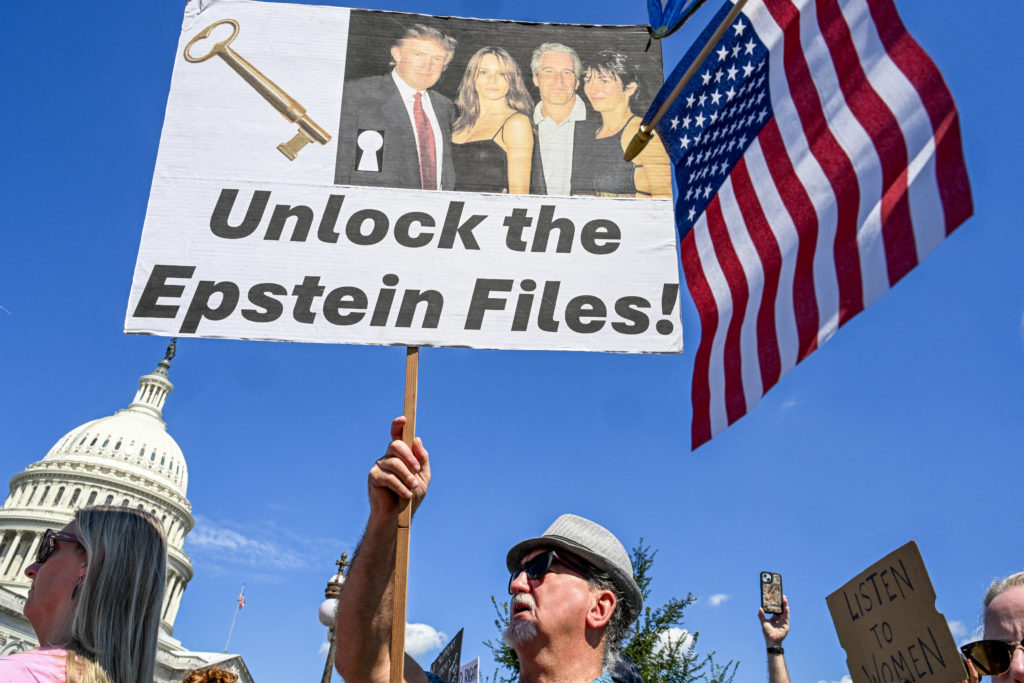
Supporters of full transparency have not been satisfied simply with the documents made public to date. Many advocates and poll respondents want continuing oversight of how the files are handled, review of redactions, and legislative action to ensure that any remaining or withheld documents are released with proper safeguards to protect privacy while maximizing access. This push reflects a persistent belief among the public that government should be accountable and transparent, especially when dealing with cases involving potential wrongdoing by influential individuals.
For some Americans, releasing the remaining Epstein files represents a test case for transparency in the justice system, with implications for how similar high‑profile investigations are conducted in the future. The sentiment that emerged from the polls suggests that a large segment of the population believes that access to information should not be limited by status, wealth, or institutional power, and that public trust in government depends on making truth as visible as possible.
Broader Impacts on Public Trust and Institutions
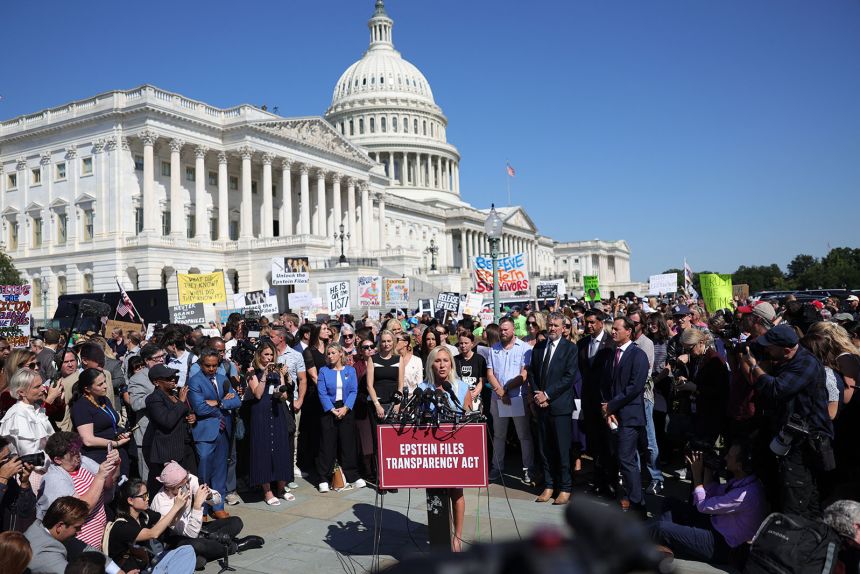
The debate over the Epstein files is about more than just the documents themselves; it reflects deeper questions about public trust in government, the role of transparency in democracy, and how power is held to account. For many Americans, full release of the files is a symbolic demand — a way of insisting that no individual, no matter how powerful, should be shielded from scrutiny or consequence.
Poll results showing broad public backing for transparency also resonate with longstanding concerns about how judicial, law enforcement, and political institutions manage sensitive information, especially in cases involving sexual abuse, trafficking and exploitation. High levels of public doubt about whether authorities have provided all available information suggest that broader reform of public disclosure policies may be necessary to address citizens’ expectations and rebuild confidence in institutional accountability.
Implications for Policy Makers and the Public
As the Epstein files narrative continues to unfold, lawmakers, legal experts and civil society actors are likely to face ongoing pressure to balance transparency with privacy protections, victim rights and legal norms governing sensitive material. Future debates may focus on how to define “full release” in legal terms, how to handle information that could harm individuals’ safety or dignity, and how to ensure that public access does not inadvertently empower misinformation or speculative narratives.
For the broader society, the poll results serve as a reminder that citizens are paying attention to how high‑profile cases are handled and that they expect institutions to uphold principles of accountability and openness. Whether this consensus translates into lasting policy changes or broader reforms in government transparency remains to be seen, but the public mood revealed by these polls sets the stage for continued debate and engagement on how the justice system serves the public interest.
Conclusion
The PBS NewsHour/Marist poll showing that most Americans want all Epstein files released underscores the depth of public desire for transparency, accountability and institutional integrity in one of the most contentious legal sagas of our era. With broad support cutting across political lines and a sense of distrust toward incomplete disclosures, this issue has become far more than a technical policy debate — it speaks to core beliefs about how government should operate, how powerful individuals should be held accountable, and how citizens should be able to access information that affects public trust in democratic systems.
Moving forward, policymakers, advocacy groups, and the public at large will continue to grapple with how best to honor both transparency and privacy while ensuring that the lofty ideal of open justice matches the reality of institutional practice in the United States.