
Table of Contents
- What Is a Total Lunar Eclipse and Why It’s Called a Blood Moon
- How the Eclipse Unfolded During March 3 2026
- Where and When the Eclipse Was Visible
- Cultural Tradition and Meaning Behind Blood Moons
- The Science Behind What We Saw
- Preparing for Future Eclipses and Sky Events
- What the Blood Moon Experience Means to People
- Conclusion
What Is a Total Lunar Eclipse and Why It’s Called a Blood Moon
A total lunar eclipse occurs when Earth moves directly between the Sun and the Moon during the full moon phase so that Earth’s shadow falls across the lunar surface fully blocking direct sunlight. Unlike shorter partial eclipses or subtle penumbral events a total eclipse moves the Moon entirely into Earth’s deep umbral shadow producing a dramatic visual shift. The reddish hue that often appears during totality is caused by sunlight passing through Earth’s atmosphere where shorter blue wavelengths are scattered away and only the longer red and orange wavelengths reach the Moon creating what many call a blood moon. These eclipses are visible from any location on Earth’s night side and typically unfold over several hours offering multiple stages that reveal the movement of celestial shadows in real time.
For astronomers and skywatchers the term blood moon carries both scientific explanation and poetic imagery. The atmospheric filtering that scatters color around Earth’s curved shadow mirrors colors seen at sunrise and sunset and can vary in intensity based on atmospheric conditions such as dust volcanic ash or clouds which may make the Moon appear darker or more deeply red. This interaction of light shadow and atmospheric composition is part of why each lunar eclipse looks unique and why millions around the world pay attention when one occurs.
How the Eclipse Unfolded During March 3 2026
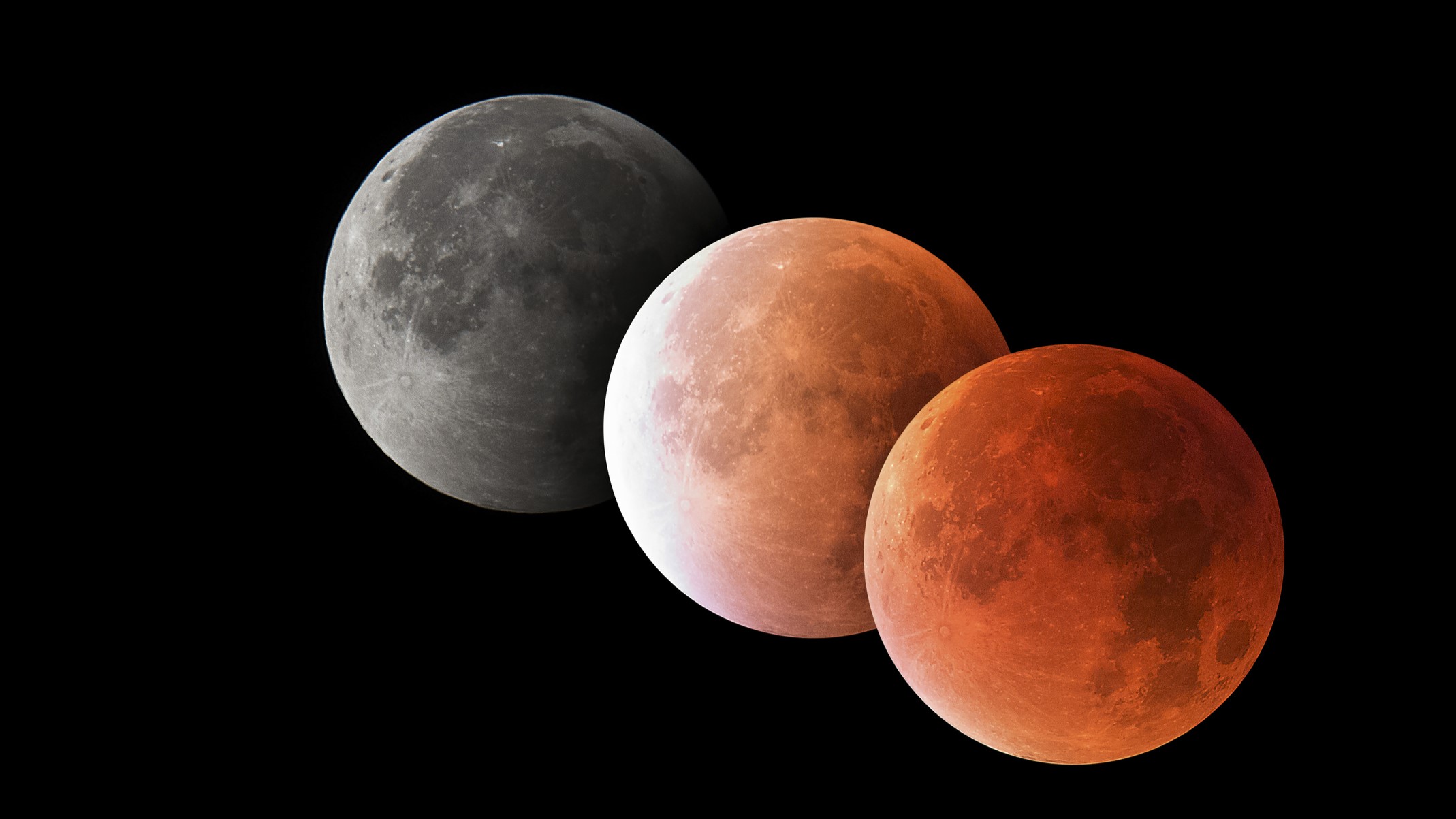
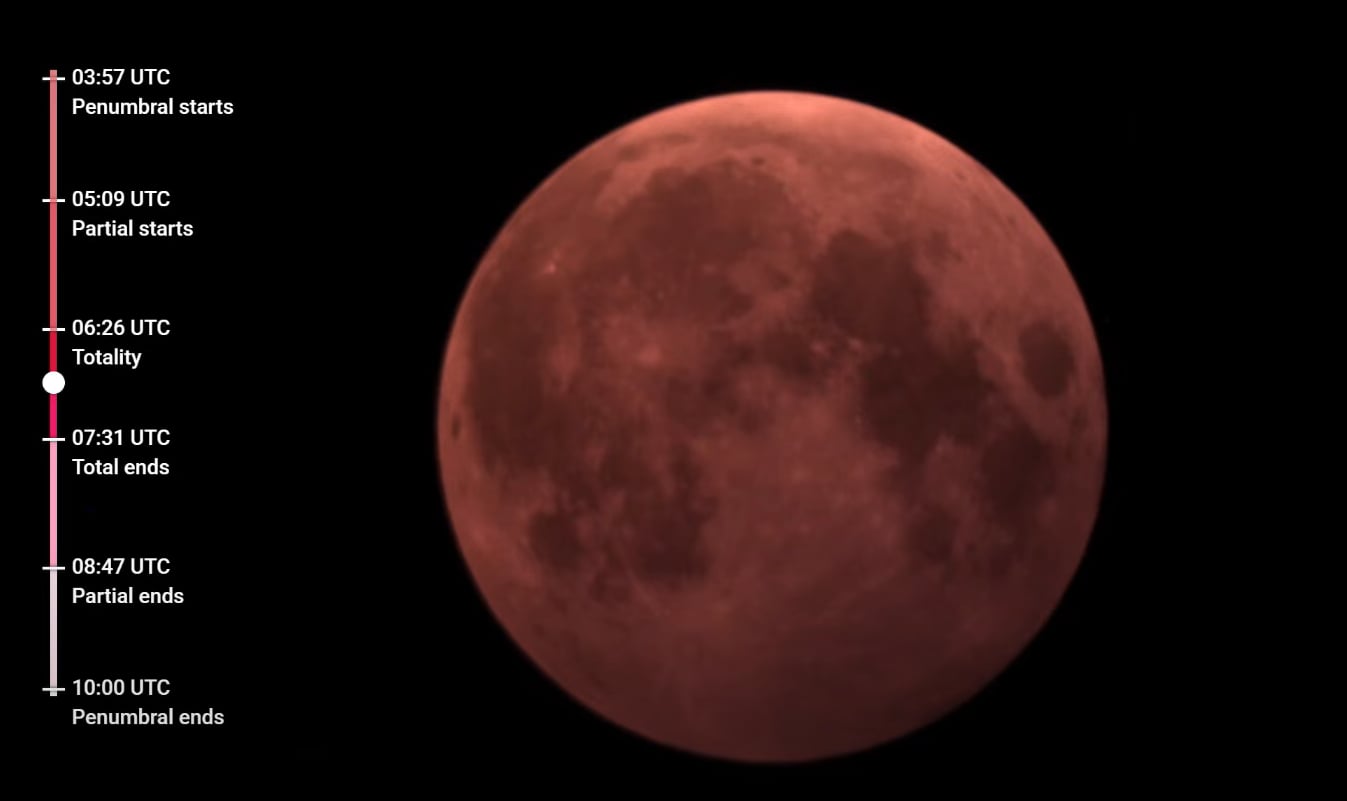
The total lunar eclipse that occurred during the early morning hours of March 3 unfolded in a series of observable stages that captivated viewers across North and South America Australia New Zealand Asia and the Pacific. First the Moon began to dim as part of Earth’s outer shadow known as the penumbra touched its surface during the initial phase. As it continued its journey it entered Earth’s core shadow or umbra becoming partially and then fully eclipsed when all direct sunlight was blocked and the reddish glow emerged.
The progression of the eclipse provided a dynamic show as the Moon gradually shifted from bright gray to coppery tones then deep red before exiting totality and eventually emerging from Earth’s shadow entirely. Observers could track the gradual darkening then the return to normal brightness reflecting a slow celestial waltz that unfolded over a couple of hours. Totality of the eclipse itself often lasts from a few minutes to more than an hour depending on geometry and orbital alignment making each lunar eclipse a slightly different event in duration and appearance. Such moments offer both breathtaking visuals and a live lesson in orbital mechanics.
Skywatchers using binoculars telescopes or even the naked eye could see the phases change in real time as the Moon dipped deeper into Earth’s shadow then rose back into full brightness marking the end of this cosmic performance. The ability to view the eclipse safely without special eye protection unlike solar eclipses made it particularly accessible for families children and casual observers adding to its global appeal and helping bridge science education with public engagement.
Where and When the Eclipse Was Visible
One of the special aspects of total lunar eclipses is their wide visibility. Because Earth’s shadow can be seen from much of the planet’s night side a blood moon can be watched by billions of people at once if weather conditions permit. The March 3 2026 eclipse was visible from start to finish across the Americas while parts of eastern Australia New Zealand and East Asia also caught the full spectacle. Even in regions where the entire event could not be witnessed timing and partial phases could still be observed making it a shared moment for stargazers on multiple continents.
In contrast to solar eclipses which are visible only within narrow geographic paths lunar eclipses are accessible to vast swaths of Earth’s population giving them a unique power to unite observers around a common celestial event. Residents of Europe Africa and parts of western Asia experienced partial views or saw the Moon emerging from Earth’s shadow depending on local time and horizon position but millions still captured glimpses and photos with smartphones telescopes or through community telescope events. Weather cloud cover and horizon obstructions influenced the quality of view but many enjoyed at least segments of the eclipse.
The universal accessibility of total lunar eclipses is part of their charm and distinguishes them from solar eclipses that often require travel to specific locations. Many astronomy clubs universities and public observatories organized viewing gatherings offering guided explanations for the event encouraging public participation and scientific curiosity. These collective experiences transformed what might otherwise be a solitary observation into community shared discovery.
Cultural Tradition and Meaning Behind Blood Moons
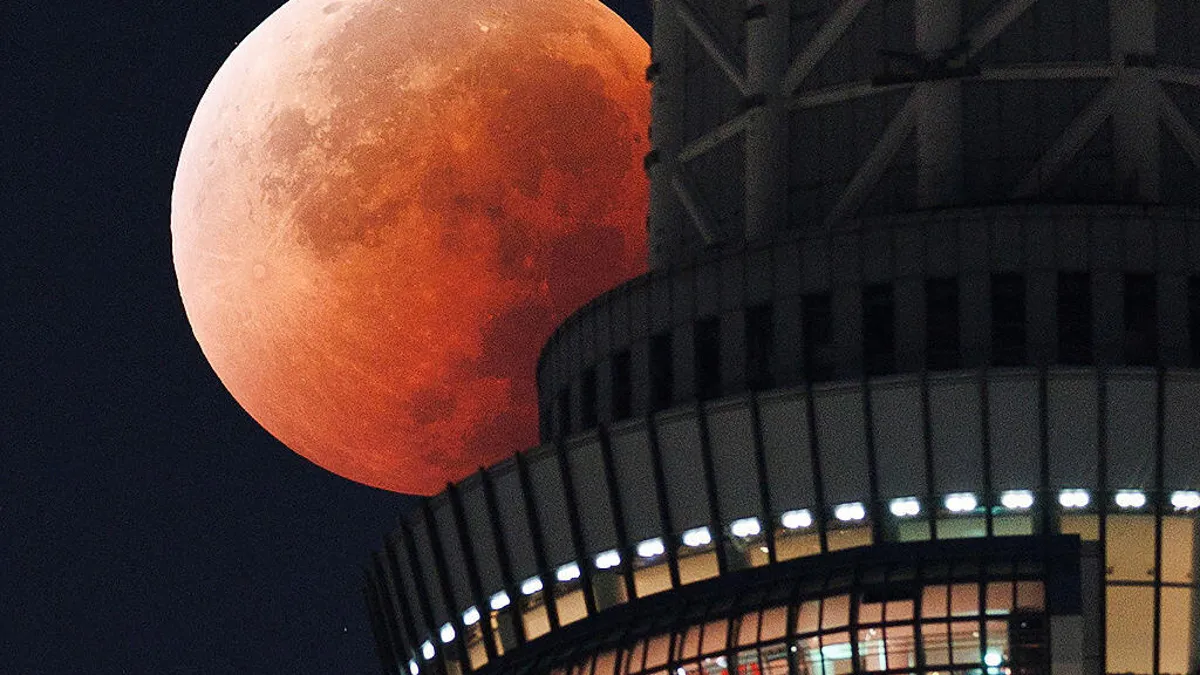
Total lunar eclipses have also inspired cultural interpretations across history spanning ancient civilizations to modern astronomy enthusiasts. In historical contexts some societies interpreted lunar eclipses as omens celestial messages or cycles tied to agriculture and mythology. In parts of India the total lunar eclipse in 2026 coincided with cultural and spiritual observances inviting additional attention as observers connected the celestial event with timing within festival calendars and regional traditions. This intersection of culture and astronomy reflects how celestial events influence social rhythms and collective memory beyond scientific analysis.
Modern skywatchers often celebrate blood moons as opportunities to connect with the cosmos capturing photos documenting the sequence of phases or sharing stories on social media platforms as towering red moons dominate night skies. These moments bridge scientific knowledge with human curiosity and offer a lens into how we observe and interpret natural phenomena that unfold on a planetary scale. Whether as an educational opportunity for children or a chance for astronomers to gather data about Earth’s atmosphere lunar eclipses remain powerful reminders of Earth’s place in a larger cosmic tapestry.
The Science Behind What We Saw
Understanding what causes lunar eclipses involves basic orbital mechanics and atmospheric physics. Earth’s orbit around the Sun and the Moon’s orbit around our planet do not lie on exactly the same plane. Only when Earth aligns precisely between the Sun and Moon at the full moon phase do we witness a lunar eclipse. At this alignment Earth’s shadow sweeps across the Moon’s surface creating the dramatic sequence of phases from penumbral dimming through partial eclipse to full totality.
The striking red hue that lunar eclipses are known for occurs because of a phenomenon similar to what produces red sunrises and sunsets on Earth. As sunlight passes tangentially through Earth’s atmosphere shorter wavelengths like blue and violet are scattered leaving behind predominantly red and orange wavelengths which wrap around and illuminate the eclipsed Moon. Differences in atmospheric conditions such as volcanic ash or pollution levels can affect the shade and intensity of color the Moon appears during eclipse making every event visually unique. This scattering and refraction process connects Earth’s atmospheric composition to what we see hundreds of thousands of kilometers away on the lunar surface.
For scientists lunar eclipses are not just dramatic events but opportunities to observe atmospheric effects analyze Earth’s shadow geometry and engage the public in deeper understanding of Earth science and space. Lunar eclipses also provide occasions for amateur and professional collaborations capturing imagery and data that contribute to broader scientific records while inspiring the next generation of space scientists and enthusiasts.
Preparing for Future Eclipses and Sky Events
The March 3 total lunar eclipse sets the stage for future eclipse events including additional partial lunar eclipses and solar eclipses where the Moon crosses between Earth and the Sun casting shadows visible on Earth’s surface. Eclipse calendars compiled by astronomers help skywatchers plan ahead ensuring they know when and how to catch these moments whether through live streams guided events or direct observation with telescopes and cameras. According to eclipse guides the lunar eclipse in March 2026 is followed by other notable eclipse events including partial eclipses toward the end of the year and additional total eclipses in future eclipse seasons.
Planning observation points and leveraging tools like astronomy apps optical zoom cameras and telescope tracking can enhance the viewing experience offering clear frames of each phase of the eclipse. Weather predictions play a significant role in determining where the best views will occur motivating enthusiasts to monitor cloud patterns and atmospheric clarity for ideal sighting conditions. By blending scientific forecasting with real time updates skywatchers can maximize chances of witnessing every stage of upcoming eclipses.
What the Blood Moon Experience Means to People
For many observers the total lunar eclipse and resulting blood moon of March 2026 offered more than just a visually stunning sky event. It served as a reminder of the rhythms of celestial motion and the interconnectedness of Earth’s natural systems. Families and communities gathered to watch children asked questions that sparked learning and parents shared memories of past sky events creating a sense of shared wonder that spans generations. Astronomers and educators used the moment to promote interest in space science encouraging lifelong curiosity about planets stars and the universe at large.
This collective experience reinforced how even routine cosmic alignments can carry emotional impact especially when visible without instrumentation inviting everyone to raise their eyes skyward. Cultural associations scientific engagement and personal reflection all converge during events like total lunar eclipses making them significant not just in technical terms but in how they are remembered socially and personally.
Conclusion
The total lunar eclipse of March 3 2026 captivated millions around the world as the Moon passed into Earth’s shadow and emerged bathed in deep red hues creating a stunning blood moon that celebrated celestial mechanics and offered a memorable night sky event visible across continents. This astronomical display combined science atmospheric physics cultural meaning and public engagement illustrating how natural phenomena can unite global audiences in wonder and reflection. As the lessons and memories from this eclipse linger skywatchers now look forward to future celestial events with renewed enthusiasm drawing inspiration from a night when Earth’s shadow painted the Moon and the world watched with awe.