
Table of Contents
- The Rejection of the Baby Monkey
- Enter the Macaque: A Heartwarming Embrace
- The Significance of Animal Compassion
- The Science Behind Emotional Connections in Animals
- The Role of Social Bonds in Animal Communities
- Implications for Animal Welfare
- How Animal Behavior Reflects Human Empathy
- Broader Ethical Questions
- Conclusion: What This Act of Kindness Means for the Future
The Rejection of the Baby Monkey
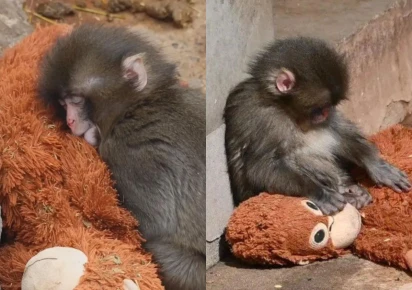
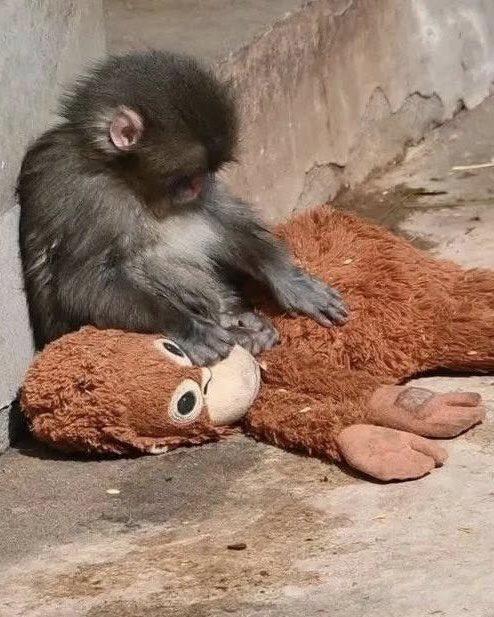
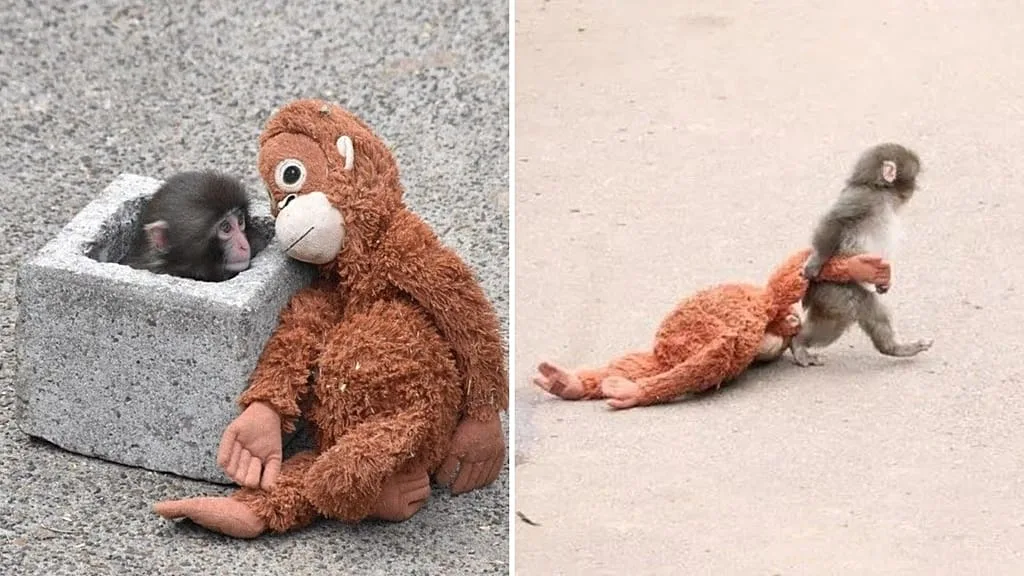
In the animal world, rejection is often a harsh reality, especially for newborns. In this case, the baby monkey was abandoned by its own mother and left alone in the wild. With no family to rely on, the infant’s survival chances were slim. The emotional impact of such rejection can be devastating for any species, but it’s especially significant when we consider the psychological well-being of young animals. This act of abandonment is not unusual in the wild, where survival instincts often outweigh emotional bonds. But what followed next was a surprising and heartwarming twist.
Enter the Macaque: A Heartwarming Embrace
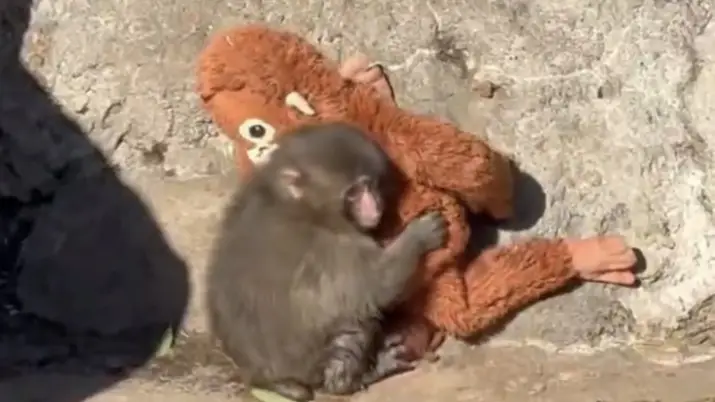
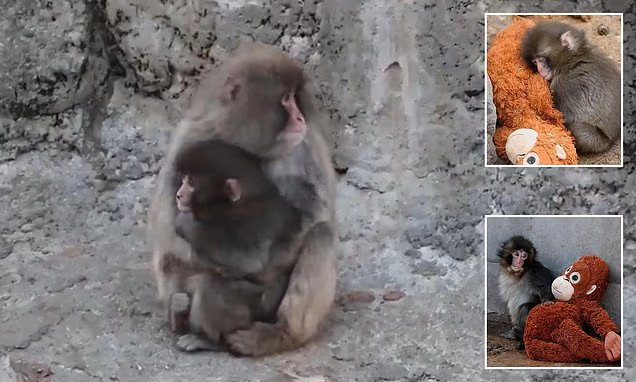
At a moment of near despair, a lone adult macaque approached the vulnerable baby. In a stunning act of empathy, the adult macaque wrapped its arms around the infant, providing comfort and warmth. This gesture was not a mere instinctual act of survival but a deeper, more deliberate display of care. While macaques are not typically known for taking in orphans, this interaction defied expectations and showed a level of emotional intelligence rarely seen in the animal kingdom. The embrace between the two monkeys was a moment of connection that symbolized the power of empathy beyond the species.
The Significance of Animal Compassion
This rare occurrence of an adult macaque showing love and protection for a rejected baby monkey has profound implications. It challenges the notion that compassion is uniquely human. Animals, especially those with complex social structures like macaques, may be capable of emotional bonds and empathetic behaviors. This incident contributes to a growing body of evidence suggesting that animals, particularly primates, experience and express emotions in ways that closely mirror human interactions.
The Science Behind Emotional Connections in Animals
Research into animal behavior has shown that many species, including primates, elephants, and certain birds, demonstrate empathy and emotional intelligence. Macaques, known for their social structures, form intricate relationships within their groups. This act of caregiving could stem from a deep-rooted instinct to ensure the survival of their species, but it also indicates a capacity for emotional connection that goes beyond simple survival. Understanding these behaviors not only sheds light on animal cognition but also redefines our views on how animals interact with one another.
The Role of Social Bonds in Animal Communities
Macaques, like many primates, are highly social creatures. They live in complex hierarchies where bonding, cooperation, and caregiving are integral to their survival. The social structure of macaques allows for interactions that often mirror human familial bonds. This nurturing behavior is not just about protecting the young, but also about reinforcing social cohesion within the group. By caring for the abandoned baby, the adult macaque was likely reinforcing the group’s social fabric, proving that compassion plays a vital role in their social dynamics.
Implications for Animal Welfare
This touching encounter highlights the importance of empathy in the animal kingdom and raises awareness about the need for better animal welfare. While animals in the wild often fend for themselves, instances like this show that the capacity for care and protection is ingrained in many species. As we become more aware of animal emotions, there is an increasing call for ethical treatment and conservation efforts to protect these species from harm, ensuring that their natural behaviors and relationships can thrive.
How Animal Behavior Reflects Human Empathy
The parallel between human and animal compassion is undeniable. Just as humans form deep emotional bonds with family and friends, animals too demonstrate acts of kindness and care. This act of love from the macaque can be seen as a reflection of the deep-rooted need for connection that all beings share. In fact, understanding animal empathy helps bridge the gap between species, offering a glimpse into the interconnectedness of life on Earth.
Broader Ethical Questions
While this heartwarming story is one of compassion, it also brings up complex ethical questions. What responsibilities do humans have in protecting wildlife and ensuring that animals have the freedom to exhibit such natural behaviors? As we continue to encroach on natural habitats, incidents like these serve as a reminder of the fragility of these ecosystems. The need for conservation efforts has never been more urgent, as these interactions could become increasingly rare.
Conclusion: What This Act of Kindness Means for the Future
This extraordinary embrace between the baby monkey and the adult macaque serves as a reminder that compassion and care are not limited to humans alone. It speaks to the emotional depth of animals, offering new insights into how they interact with each other. As we move forward, this story encourages us to rethink our relationship with the natural world and recognize the value of empathy in all living beings. It also challenges us to ensure that future generations of both humans and animals can continue to experience these moments of connection and compassion.