
Table of Contents
- The Rise of RV Living in the U.S.
- What Makes RV Living Illegal in Some States?
- RV Living and the Homeless Crisis
- Legal and Social Challenges for RV Dwellers
- Local Governments’ Response to RV Living
- The Impact on Residential Neighborhoods
- The Van Life Movement: A Growing Trend
- Environmental Concerns and RV Living
- Potential Solutions and Moving Forward
- Conclusion: The Future of RV Living in the U.S.
The Rise of RV Living in the U.S.
RV living has long been a part of American culture, from road trips to vacationing across the country. However, in recent years, more people have adopted this lifestyle full-time, either as a form of affordable housing or as part of the growing “van life” trend. In large cities like Los Angeles, San Francisco, and Portland, RVs are often parked in residential neighborhoods, on streets, and in public areas. This surge in RV living has prompted local authorities to reassess zoning laws, vehicle regulations, and the definition of homelessness, leading to growing concerns about the impact on communities.
What Makes RV Living Illegal in Some States?
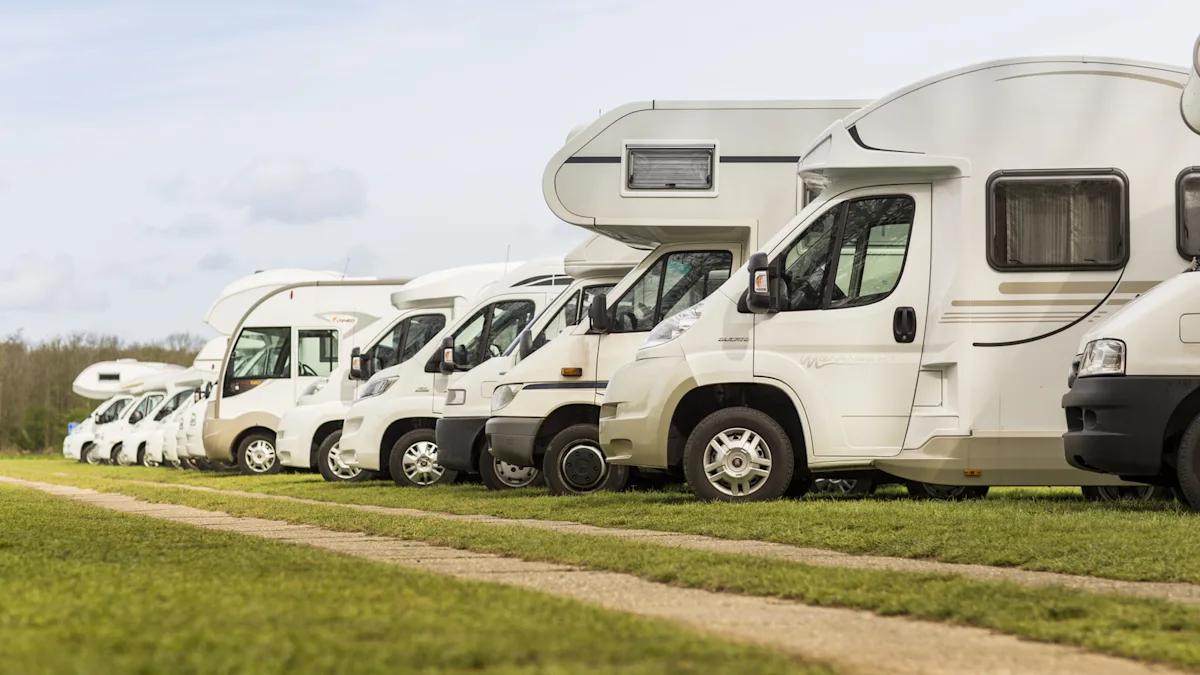
While RV living itself is not inherently illegal, many states and municipalities have enacted laws that make it unlawful to park RVs in certain areas for extended periods. Common reasons for this include concerns about public safety, sanitation, and the preservation of residential neighborhoods. Many cities restrict overnight parking of RVs on public streets, often citing issues like traffic congestion, blocked sidewalks, and the environmental impact of waste disposal. For some people living in RVs, the laws represent a direct challenge to their choice of living arrangements, while others argue that these restrictions are necessary for maintaining the quality of life in urban areas.
RV Living and the Homeless Crisis
One of the most significant concerns about illegal RV living is its intersection with homelessness. In cities like Los Angeles and San Francisco, a significant portion of RV dwellers are homeless individuals who have nowhere else to go. For them, living in an RV provides a temporary solution to the lack of affordable housing. However, the presence of homeless RVs has led to conflicts with residents and local governments, who argue that it contributes to unsanitary conditions and increased crime. Some RV dwellers, despite the lack of permanent shelter, still seek to maintain a semblance of normalcy, using their RVs as mobile homes or offices. The broader issue of homelessness in the U.S. is compounded by these living arrangements, raising questions about social responsibility and urban planning.
Legal and Social Challenges for RV Dwellers
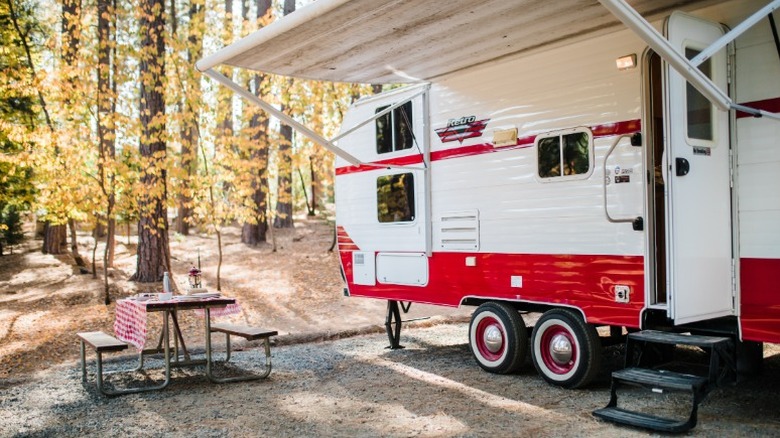
RV dwellers face a unique set of legal and social challenges. Beyond zoning regulations, they often struggle with finding safe and legal places to park overnight. Many cities require RV owners to park only in designated areas, such as RV parks or campgrounds, but these can be prohibitively expensive. As a result, RV dwellers may park in non-designated areas, which can lead to fines, towing, and even criminal charges. Additionally, living in an RV means dealing with challenges related to sanitation, including access to clean water and waste disposal facilities. For individuals who are already struggling financially, these issues can become insurmountable, leaving them in a vulnerable position with few resources to improve their situation.
Local Governments’ Response to RV Living
To address the growing concerns over illegal RV living, many cities have enacted a variety of measures. Some have introduced “RV-safe” zones, where RV dwellers can park legally for a limited period, while others have created programs aimed at offering temporary housing or shelter for those who are displaced. Cities like Portland and Seattle have been particularly proactive, with initiatives aimed at providing alternative housing options for homeless RV dwellers. In addition to providing designated parking spaces, local governments are also implementing stricter regulations on waste disposal, requiring RVs to have proper sewage systems and offering access to public restrooms and dumpsters.
The Impact on Residential Neighborhoods
For residents of neighborhoods where RVs are frequently parked, the presence of these vehicles can cause significant disruptions. Many local residents feel that the influx of RVs detracts from the aesthetics and safety of their communities. Some argue that the vehicles block sidewalks, make parking difficult, and contribute to a sense of neglect in otherwise well-maintained areas. Concerns about crime also arise, as some residents associate the increased presence of RVs with drug use, theft, and other illicit activities. While RV living is often viewed as a low-cost solution to housing, the broader impact on local communities cannot be ignored.
The Van Life Movement: A Growing Trend
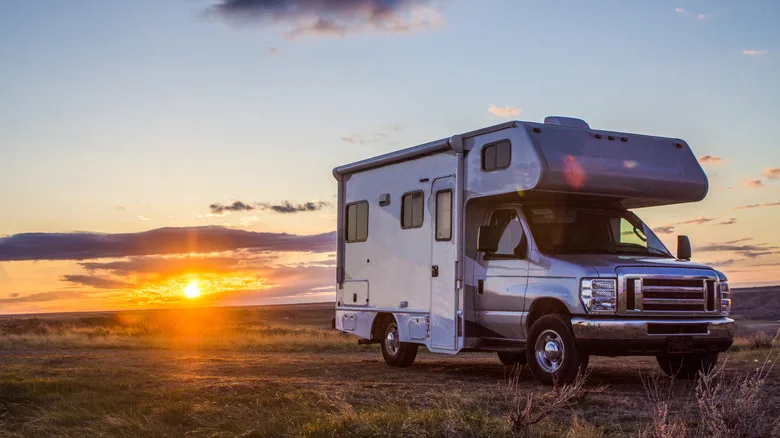
Not all RV dwellers are homeless, and the rise of the “van life” movement has brought a new, more affluent group of people to the roads. For many young professionals and digital nomads, RV living is seen as a way to break free from traditional housing arrangements and embrace a more minimalist, mobile lifestyle. These individuals often park their RVs in designated areas or on private property, which helps alleviate some of the tensions between RV dwellers and local governments. The growing trend of van life has also led to the creation of a vibrant community of like-minded individuals who share tips, experiences, and resources. However, even this group faces challenges related to the legalities of RV living, particularly when it comes to parking and waste disposal.
Environmental Concerns and RV Living
While RV living offers a sense of freedom, it also raises significant environmental concerns. The environmental impact of living in an RV can be substantial, particularly in urban areas. Many RVs rely on fossil fuels, contributing to air pollution, while improper waste disposal can lead to contamination of local water sources. Additionally, some RV dwellers may not have access to proper waste management facilities, leading to illegal dumping of waste on public lands. Local governments and environmental organizations are working to address these issues by implementing stricter regulations on RV waste disposal and encouraging sustainable practices among RV owners. However, the lack of affordable alternatives often leaves many RV dwellers with limited options for managing their environmental footprint.
Potential Solutions and Moving Forward
As illegal RV living continues to be a contentious issue in the U.S., potential solutions are being explored at both the local and national levels. One possible solution is the creation of more affordable, accessible RV parks and campgrounds, which could provide a legal and safe space for RV dwellers to park. These spaces could offer amenities such as water, sewage disposal, and waste management, making them a more viable alternative to parking on city streets. Additionally, local governments could offer incentives for RV owners to register their vehicles and comply with zoning laws, creating a more structured and regulated system for RV living. Collaboration between policymakers, environmental organizations, and RV communities will be key in finding sustainable solutions to this growing issue.
Conclusion: The Future of RV Living in the U.S.
The issue of illegal RV living in U.S. states is complex and multifaceted. While RV living offers an alternative lifestyle for many, it also presents legal, social, and environmental challenges that must be addressed. The rise in popularity of RV living, particularly among homeless individuals and digital nomads, has put pressure on local governments to create more comprehensive policies that balance the needs of RV dwellers with the concerns of the wider community. As the trend continues to grow, it is clear that a more sustainable and regulated approach to RV living is needed to ensure that it can coexist with urban development and environmental goals. The future of RV living in the U.S. will depend on innovative solutions that address both the practical and ethical issues at play.