
Table of Contents
- The Killing of a Cartel Leader
- Rising Violence in the Streets
- Government Response and Security Measures
- The Economic Impact of Cartel Violence
- The Power Struggle Between Cartels
- International Implications of Mexico’s Cartel Violence
- Civilian Casualties and Humanitarian Concerns
- Mexico’s Longstanding Drug War
- Public Opinion and Political Consequences
- What Lies Ahead for Mexico
The Killing of a Cartel Leader
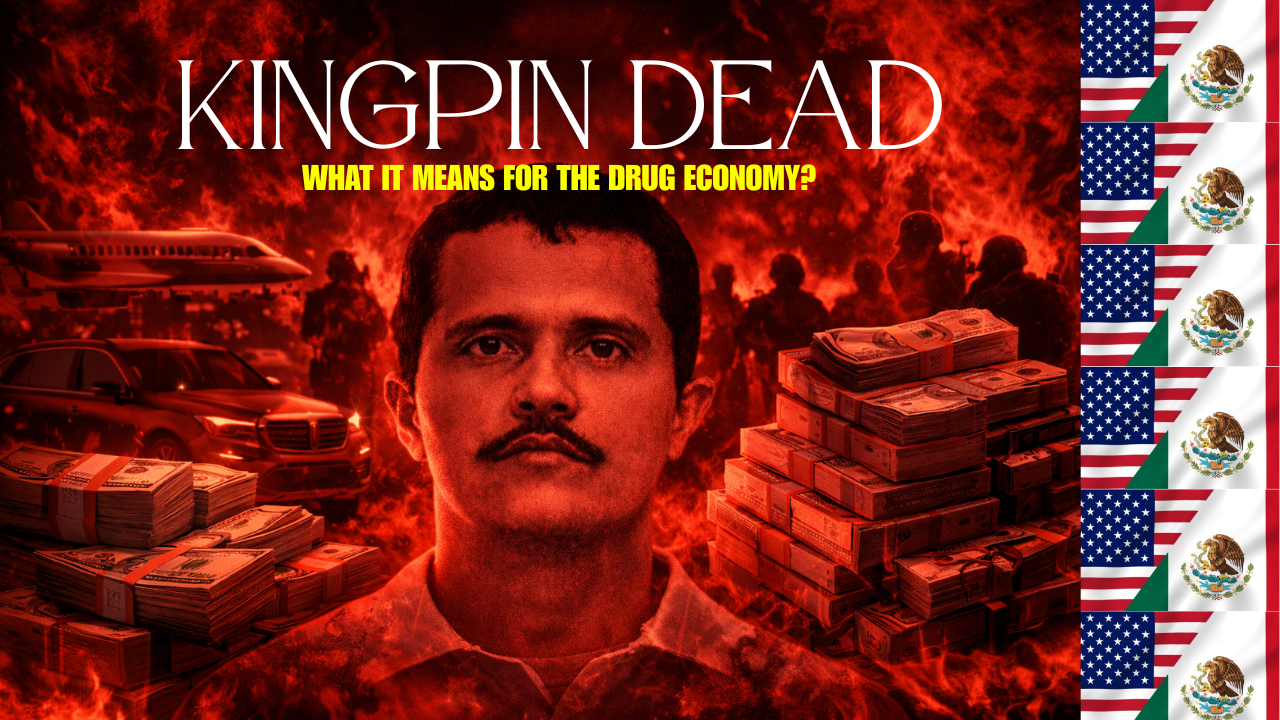
The cartel leader, whose name has long been synonymous with violence and power, was killed in a targeted attack by a rival gang. This figure, one of the most wanted criminals in Mexico, controlled vast networks of illicit activities, including drug trafficking, arms dealing, and money laundering. His death was not just another criminal act—it was a significant blow to the power structure that has long dominated Mexico’s underworld.
The event has sent shockwaves through the country, as cartels fight to fill the power vacuum. The brutal retaliation is something that officials and citizens alike are now facing. While the government hoped this would serve as a sign of progress in the fight against organized crime, the immediate aftermath suggests that the path to peace is far from clear.
Rising Violence in the Streets
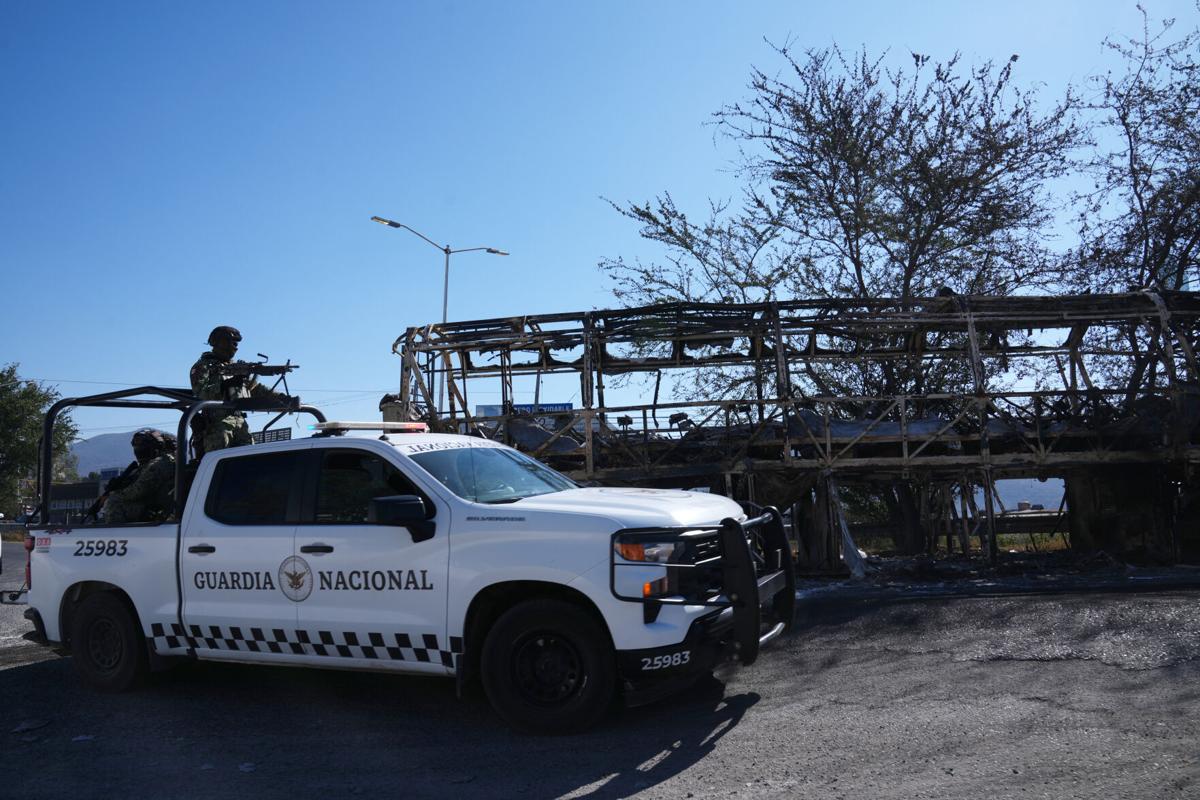
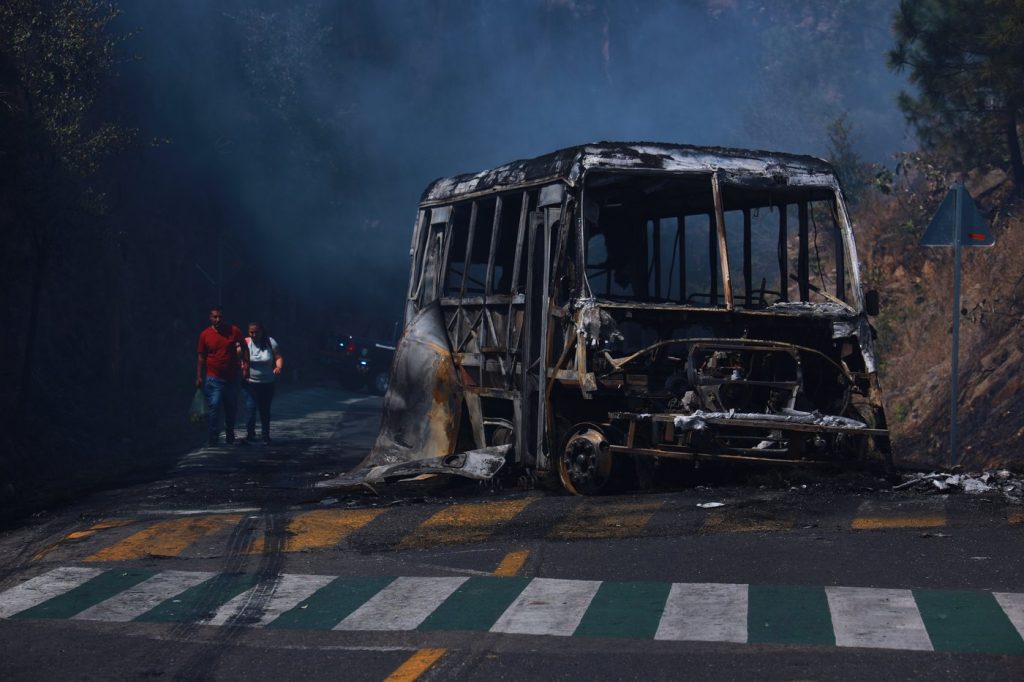
Within hours of the leader’s death, violence erupted in multiple states across Mexico. Armed confrontations between cartel members and police forces have left cities in a state of chaos. This sudden surge in violence includes ambushes on security personnel, roadblocks, and the targeting of government officials. The Mexican authorities have found themselves struggling to maintain control, with entire neighborhoods falling under the sway of criminal groups fighting for dominance.
Experts believe that the recent wave of violence is an inevitable consequence of the power vacuum left by the cartel leader’s death. As one cartel falls, another rises to claim its turf. The resulting conflicts have left ordinary citizens living in fear, unsure of when or where the next attack might strike. What was once a relatively contained problem in specific areas of Mexico has now spread, threatening the broader stability of the country.
Government Response and Security Measures
The Mexican government has quickly responded to the violence with heavy military and police presence in affected regions. President Andres Manuel López Obrador, addressing the situation, promised to “restore order” and prevent further bloodshed. However, many critics argue that the government’s strategy of increasing militarized policing has done little to stem the tide of violence. Some even argue that the military presence only exacerbates tensions with local populations, who feel caught between the crossfire of criminal groups and state forces.
In response to the immediate threat, the government has rolled out curfews, increased patrols, and conducted targeted operations to dismantle cartel networks. However, these measures have yet to bring lasting peace. The rise of cartel factions has proven that the country’s drug war is far from over, with each victory against one cartel simply leading to the emergence of another.
The Economic Impact of Cartel Violence
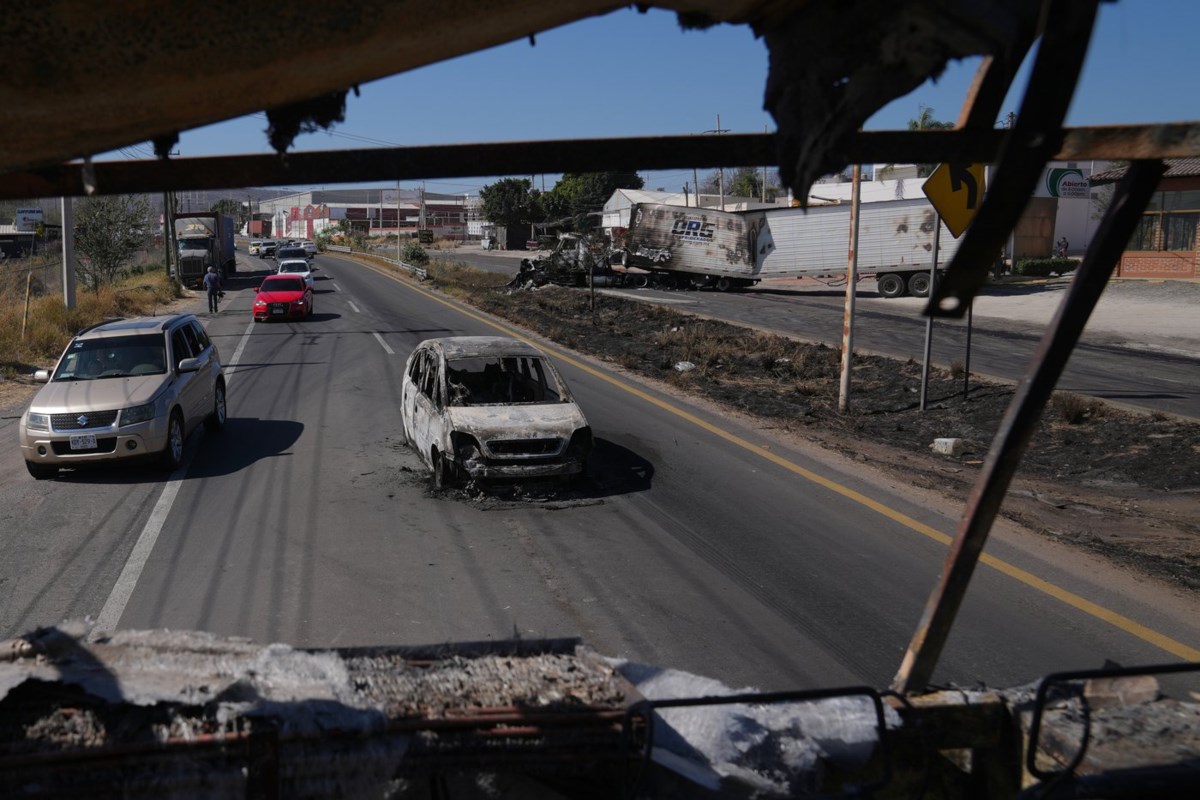
The violent events following the cartel leader’s death have had a significant impact on the economy of Mexico, already burdened by corruption and crime. Mexico’s business climate, especially in border regions, has been severely affected by the wave of violence. Businesses have shut down, and industries linked to tourism, manufacturing, and retail have seen significant declines. This situation has made it harder for local economies to thrive as fear continues to spread throughout communities.
Furthermore, the instability created by cartel activity has deterred foreign investment, further complicating Mexico’s financial outlook. As cartels grow in power, it becomes increasingly difficult to ensure the safety of international businesses and tourism. As violence intensifies, so too does the perception of Mexico as an unsafe destination, both for tourists and global companies.
The Power Struggle Between Cartels
In the wake of the death of the cartel leader, several factions have vied for control of his empire. With different groups now fighting for supremacy, Mexico’s underworld is once again in disarray. The destabilization of cartel operations has led to increased violence not just against government forces but also against rival criminal organizations. This turf war promises to escalate the bloodshed as the various factions engage in bloody battles for control over lucrative drug routes.
Despite the government’s efforts to dismantle cartel structures, the flexibility and reach of these groups make it extremely difficult to eliminate them entirely. The cartel’s influence extends well beyond Mexico, with international links to drug distribution networks, making the issue even more complex.
International Implications of Mexico’s Cartel Violence
The impact of Mexico’s cartel violence extends far beyond its borders. The flow of drugs into the United States has long been a significant concern for U.S. officials, and the escalation in violence only increases the urgency of addressing the problem. With cartels continuing to control vital drug routes into the U.S., the border remains a focal point for both countries’ law enforcement agencies. The killing of the cartel leader could have lasting implications for cross-border cooperation in the war against drugs.
Moreover, Mexico’s instability has repercussions for the entire region. As neighboring countries face the effects of rising crime and violence spilling over the borders, international cooperation becomes essential. But as cartels continue to diversify their operations and expand their reach, global efforts to curtail the violence may struggle to keep pace.
Civilian Casualties and Humanitarian Concerns
For the people of Mexico, the escalating violence means a growing number of civilian casualties. In many regions, innocent civilians have become caught in the crossfire of gang wars. Reports from various human rights organizations highlight the rising numbers of displaced individuals, particularly those in areas directly impacted by cartel activity. Many have fled their homes, seeking refuge in safer parts of the country or even attempting to cross into the U.S.
The humanitarian crisis prompted by this violence is exacerbated by the difficulty of accessing aid in these regions. Government and non-governmental organizations have struggled to provide necessary resources for those in need, particularly in rural areas where cartel violence is most intense.
Mexico’s Longstanding Drug War
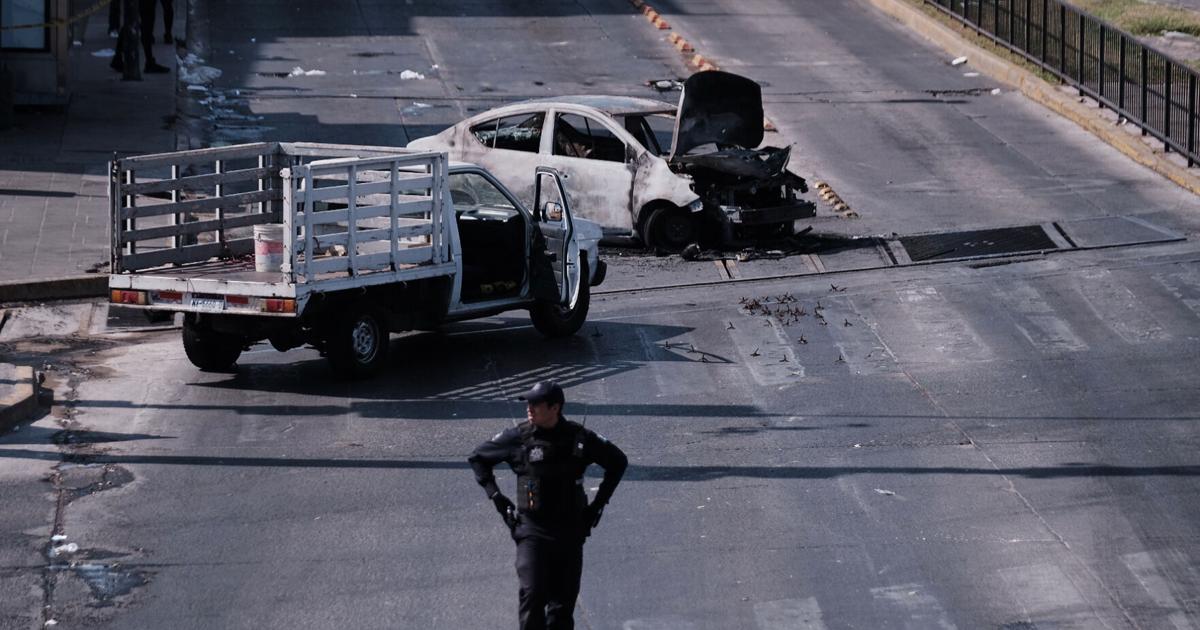
Mexico’s ongoing drug war has been one of the most complex and protracted conflicts in the world. Since the government declared war on cartels in 2006, more than 300,000 people have lost their lives, and countless others have been displaced or affected by violence. The war has led to the militarization of many cities and communities, with thousands of soldiers and federal agents deployed in conflict zones.
Despite decades of government efforts to combat drug cartels, the problem persists. The Mexican government, despite its resources and strategies, has struggled to effectively combat cartels. With the latest wave of violence, it’s clear that the current policies have not achieved their intended goal of securing a peaceful and stable environment for the Mexican people.
Public Opinion and Political Consequences
As violence continues to unfold in the wake of the cartel leader’s death, public opinion on the government’s handling of cartel violence has become increasingly divided. Many citizens have lost faith in the government’s ability to curb cartel power, with some advocating for a change in leadership or policies. Others argue that the solution lies in addressing the root causes of cartel violence, including poverty, corruption, and the lack of opportunities.
Political leaders across Mexico are being scrutinized for their handling of the crisis. With elections coming up, the issue of cartel violence will undoubtedly be a critical factor in voter decisions. The extent to which candidates can offer solutions to curb cartel influence may determine the future of Mexican politics.
What Lies Ahead for Mexico
Mexico’s fight against cartel violence is far from over. As the country continues to deal with the fallout from the death of a major cartel leader, the future remains uncertain. The immediate increase in violence and instability has left citizens, businesses, and government officials scrambling to regain control. While there have been calls for stronger law enforcement and military intervention, the solution may require a broader approach—one that addresses not only the violence but also the social, economic, and political factors that fuel it.