
Table of Contents
- A Shocking Arrest in Clayton
- The Priest’s Role in the Church and the Community
- What Does Soliciting a Prostitute Entail?
- Addressing the Scandal
- The Emotional Impact on Congregants
- Broader Questions of Accountability in Religious Leadership
- Media Coverage and Public Opinion
- Legal and Ecclesiastical Outcomes
- Rebuilding Trust and Moving Forward
A Shocking Arrest in Clayton
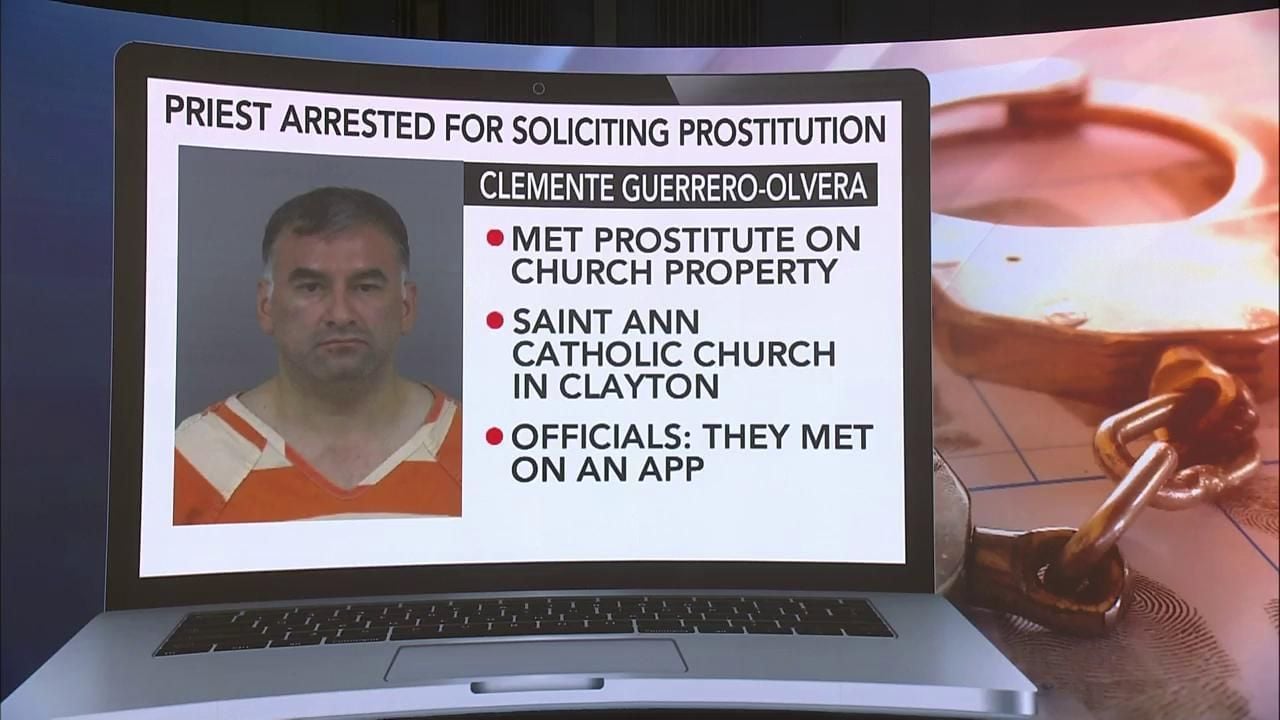
The arrest took place on a seemingly normal day in Clayton, where the priest was reportedly engaging in inappropriate behavior by soliciting a prostitute. Authorities have confirmed that the incident occurred at the church, and the priest, whose identity has been made public, was apprehended after an undercover operation.
The arrest has sent shockwaves through the Clayton community, where the church and its leadership have long been respected institutions. The allegations have left many members of the congregation questioning their faith in their spiritual leader and the sanctity of the church.
Details of the arrest reveal that the priest had been under surveillance as part of an ongoing investigation into illicit activities in the area. When the priest approached the undercover officer posing as a prostitute, he was immediately arrested. His involvement in the solicitation of sex for money has been described as a deeply troubling betrayal of trust by law enforcement.
The Priest’s Role in the Church and the Community

The priest, who had served in the church for several years, was well-known and respected within the Clayton community. As a leader in the church, he was trusted by his congregation to provide spiritual guidance and support. His position within the church was one that commanded respect, and many members of the community saw him as a figure of moral authority.
The shock of the arrest stems from this very trust. Congregants had turned to the priest for counsel in times of personal crises, for wedding ceremonies, baptisms, and other life events. The priest’s betrayal has left a deep emotional scar on many of those who considered him a spiritual mentor. The moral dilemma surrounding this case touches on broader issues of faith, trust, and human imperfection.
What Does Soliciting a Prostitute Entail?
The legal charge of soliciting a prostitute is one that involves the offering or acceptance of money in exchange for sexual services. In this case, the priest was arrested after attempting to pay for sex with an undercover officer posing as a prostitute. The charge itself is a misdemeanor in North Carolina but is still a serious offense that carries legal consequences, including potential fines, community service, and other penalties.
For those involved in religious institutions, such charges can be especially damaging, as they undermine the moral authority that religious leaders are expected to uphold. The legal consequences for the priest may be compounded by the potential for church discipline, which could include dismissal from his position and other internal actions within the church.
As the case progresses, both the legal and ecclesiastical outcomes will play a significant role in determining the priest’s future. How the church and its leadership respond to the charges will also influence how the community perceives the institution going forward.
Addressing the Scandal
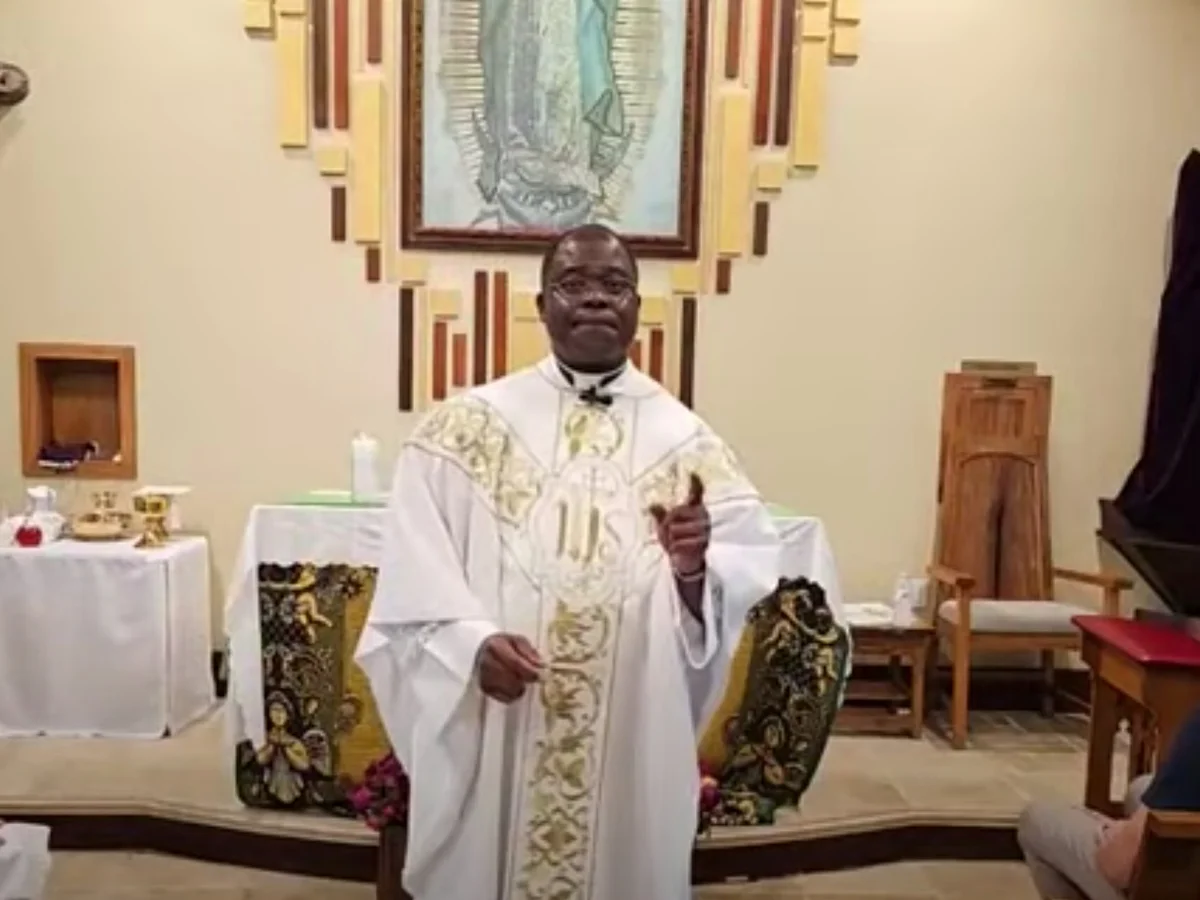
In the wake of the arrest, the church has been forced to address the scandal publicly. Many religious institutions are built on a foundation of trust and moral authority, and the church’s leadership has been quick to respond to the allegations.
The church issued a statement expressing shock and disappointment over the priest’s actions, emphasizing that such behavior is contrary to the teachings and values of the faith. The church has promised to cooperate fully with law enforcement and to support the investigation as it moves forward.
Additionally, the church is working to provide counseling and support to the congregation, especially those who are struggling with the emotional impact of the priest’s betrayal. The leadership has made it clear that they are committed to restoring the trust of the community, though the long-term impact of the scandal remains uncertain.
The Emotional Impact on Congregants
The emotional toll of this scandal cannot be overstated. For many members of the church, the arrest of the priest has raised profound questions about their faith and the integrity of their religious leaders. The sense of betrayal is not limited to the priest’s personal actions but extends to the institution as a whole.
Congregants who had relied on the priest for spiritual guidance and support now find themselves grappling with feelings of hurt, confusion, and disappointment. For some, the priest’s actions have led to a crisis of faith, with questions about how to reconcile their beliefs with the actions of someone they once trusted.
This emotional upheaval is a common response when religious leaders are involved in scandals, and it can take years for communities to heal. The church’s response to the crisis will be key in helping the congregation rebuild trust in their spiritual leaders and in the institution as a whole.
Broader Questions of Accountability in Religious Leadership

The scandal involving the priest has brought broader questions of accountability within religious institutions to the forefront. As spiritual leaders, clergy are held to high moral and ethical standards, and their actions are often scrutinized by their congregations. When these leaders fall short of those expectations, it raises important questions about how religious institutions hold their leaders accountable.
Many religious organizations have established codes of conduct and disciplinary procedures for clergy members, but the effectiveness of these systems varies widely. In some cases, institutions may attempt to cover up scandals to protect their reputation, while in others, they may take swift and transparent action to address the wrongdoing.
This case highlights the importance of transparency and accountability in religious organizations, ensuring that leaders are held to the same standards as those they are meant to serve. The response of the church to this scandal will have long-term implications for its reputation and the trust of its congregation.
Media Coverage and Public Opinion
The media coverage of the priest’s arrest has been intense, with local and national outlets reporting on the details of the case. The coverage has focused on the shock of the event, the details of the priest’s arrest, and the wider implications for religious institutions.
Public opinion on the matter has been mixed, with some expressing outrage over the priest’s actions and others offering sympathy, acknowledging the complexity of human nature and the challenges faced by those in positions of power. Some have criticized the church’s response, calling for more concrete actions to address the issue and restore trust.
As the case continues to unfold, the media’s role in shaping public opinion will be significant. How the church handles its response and how the story continues to evolve will impact the public’s perception of both the priest involved and the church as a whole.
Legal and Ecclesiastical Outcomes

As the investigation progresses, both the legal and ecclesiastical outcomes will play a crucial role in shaping the future of the priest and the church. If convicted, the priest could face legal penalties, including fines or even imprisonment. Additionally, the church may decide to take disciplinary action, which could include suspension or removal from his position as priest.
In the long term, the outcome of this case will likely set a precedent for how other religious institutions handle similar scandals. The need for stronger accountability measures and transparent procedures will be highlighted as religious institutions strive to maintain their credibility and trust within their communities.
Rebuilding Trust and Moving Forward
The scandal involving the priest’s arrest for soliciting a prostitute is a painful reminder of the importance of accountability within religious institutions. The emotional impact on the congregation and the broader community will take time to heal, and the church’s response will be key to rebuilding trust.
As the case moves forward, the lessons learned from this incident will be felt across religious communities worldwide. Ensuring transparency, maintaining high ethical standards, and holding leaders accountable are crucial to preserving the integrity of religious institutions and the faith of those who rely on them for guidance and support.