
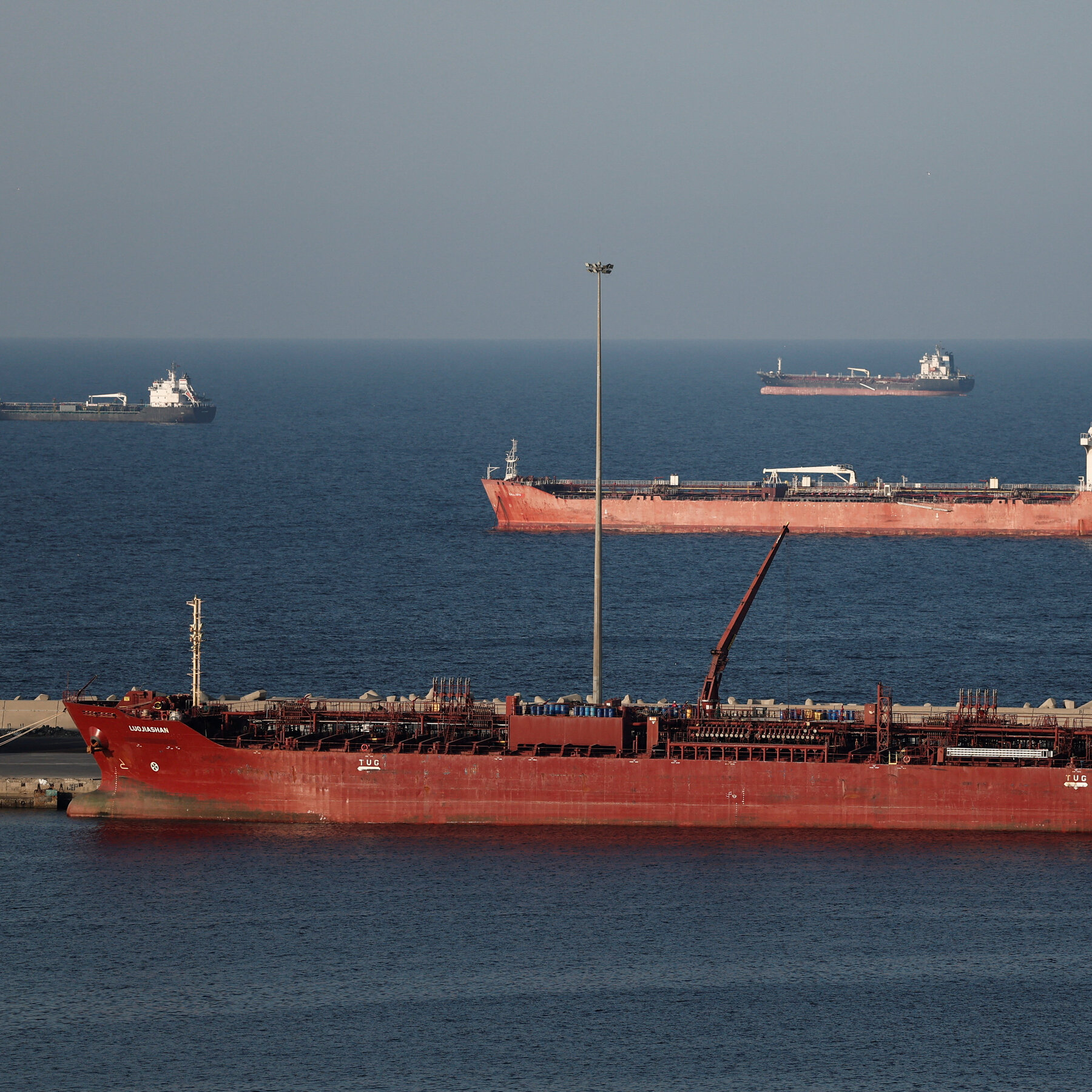
Table of Contents
- The Comment That Changed the Conversation
- Why the Strait of Hormuz Matters So Much
- Trump Pushes Allies Toward a Naval Response
- Iran’s Message Is Both Tactical and Political
- Shipping May Be Open in Theory but Risky in Reality
- Oil Markets Hear Every Word
- The Leadership Question Added Another Layer
- The Nuclear Issue Is Never Far Behind
- The Global Response Has Been Cautious for a Reason
- What This Means for the Weeks Ahead
The Comment That Changed the Conversation
The immediate spark came from Iranian Foreign Minister Abbas Araghchi, who said in an interview that the Strait of Hormuz was “only closed to US and Israeli ships,” while other tankers and vessels were still passing through. That formulation was striking because it framed the passage not as fully shut, but as selectively restricted. In one sentence, Iran appeared to signal both defiance and restraint. It was not claiming to have cut off the whole world. It was claiming the right to treat specific adversaries differently while insisting that broader international traffic remained possible.
That distinction matters enormously. A complete closure of Hormuz would likely trigger a much wider global crisis, potentially drawing in more navies and provoking more direct retaliation. A targeted restriction, by contrast, can be presented by Tehran as a calibrated response rather than a universal blockade. But in practice, even that narrower claim can create almost the same level of fear in the shipping world. Tanker operators do not only react to formal legal wording. They react to risk. If insurers, crews, or shipping companies believe the route has become unpredictable, they may avoid it regardless of whether their flag is technically on Iran’s restricted list.
This is why even comments that sound limited can have sweeping consequences. Markets listen not just for whether a route is closed, but for whether it feels safe.
Why the Strait of Hormuz Matters So Much
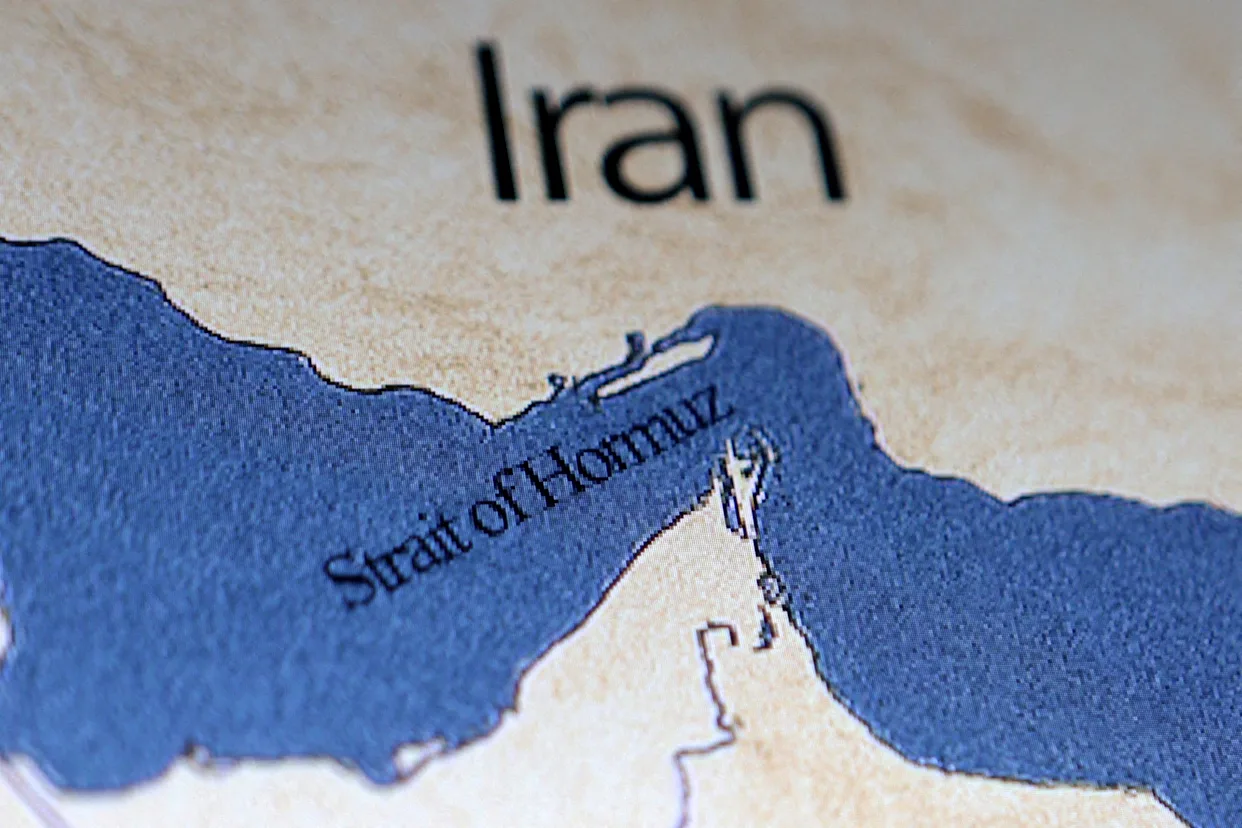
The Strait of Hormuz is not just another maritime lane. It is one of the world’s most important energy chokepoints, sitting between Iran and Oman and connecting the Persian Gulf to the Arabian Sea. Normally, about 20 percent of global oil and LNG trade passes through it, giving the narrow waterway outsized strategic importance. When tension rises there, the effect is never purely regional. It is felt in fuel prices, freight costs, national reserves, central bank calculations, and household budgets across multiple continents.
That is why so many governments watch Hormuz with extraordinary sensitivity. Countries that are not directly involved in Middle Eastern wars still depend on uninterrupted flows through the strait. China, Japan, South Korea, Britain, and France have all been named in recent reporting as states with a major interest in keeping the route viable. Trump’s appeals to those countries were based on that simple logic: if they rely on the passage, they should help defend it.
Yet dependence does not automatically translate into action. Many governments are reluctant to commit ships, knowing that an escort mission in such a tense zone could rapidly become something far more dangerous. That hesitation has become part of the story itself.
Trump’s response to the situation has been forceful and public. Reuters and AP reported that he has been pressing other countries to help secure or reopen the Strait of Hormuz, warning allies that they too have a stake in the passage remaining accessible. He has specifically mentioned nations that rely heavily on Gulf energy, including China, France, Japan, South Korea, and the United Kingdom.
That push reflects a broader shift in how Washington is framing the crisis. Instead of presenting Hormuz solely as a US security issue, Trump is trying to internationalize the burden. The argument is clear: if the world benefits from this trade artery, the world should help keep it open. But that framing has not produced a rush of volunteers. Reuters reported that Japan and Australia have said they have no current plans to send ships, while other governments remain cautious or are still “reviewing” options.
This gap between Washington’s urgency and allied hesitation reveals how fragile international coalitions can be in moments like this. Every government sees the danger, but not every government is willing to place military assets in its path.
Iran’s Message Is Both Tactical and Political
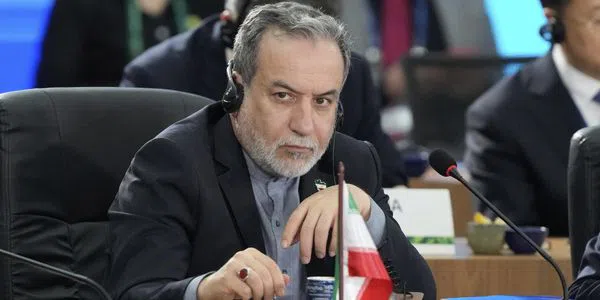
Araghchi’s wording was not accidental. By saying the strait remained open to many vessels, Iran was clearly trying to shape the narrative. It wanted to avoid being seen as indiscriminately strangling global commerce while still projecting power against two states it views as direct enemies. In effect, Tehran was trying to occupy a careful middle ground: not fully closing the waterway, not backing down, and not taking responsibility for every shipping company’s anxiety.
He also reportedly argued that if some companies were staying away from the route, that was due to broader security concerns rather than Iranian action. That is an important political claim because it attempts to shift blame. If insurers or operators flee the strait, Iran wants the world to see that as a consequence of the regional conflict and Western military pressure, not as proof that Tehran itself has turned the passage into an unworkable threat zone.
Whether that argument convinces anyone is another matter. In practice, shipping firms care less about rhetorical blame than about missiles, drones, mines, and escalation risk. Once those fears rise, the distinction between “technically open” and “functionally unsafe” starts to disappear.
Shipping May Be Open in Theory but Risky in Reality
One of the most important realities in maritime crises is that formal access does not guarantee normal traffic. Reuters reported that the strait has been effectively blocked in the context of the wider conflict, even as some diplomacy has allowed certain ships to pass. India’s foreign minister, for example, said direct engagement with Tehran had helped Indian flagged LPG vessels navigate the strait successfully.
That detail reveals a crucial nuance. The strait is not operating as a simple open or closed channel. It is becoming a selectively negotiated space, where access may depend on diplomacy, nationality, perceived alignment, and the evolving calculations of Tehran. That makes the situation especially difficult for commercial shipping. Companies must consider not just navigation conditions, but also political identity.
This is where uncertainty becomes economically powerful. Even if many ships still pass, enough hesitation can squeeze supply, delay deliveries, and push prices higher. Markets do not wait for full closure. They react to the possibility that a chokepoint is becoming unstable.
Oil Markets Hear Every Word
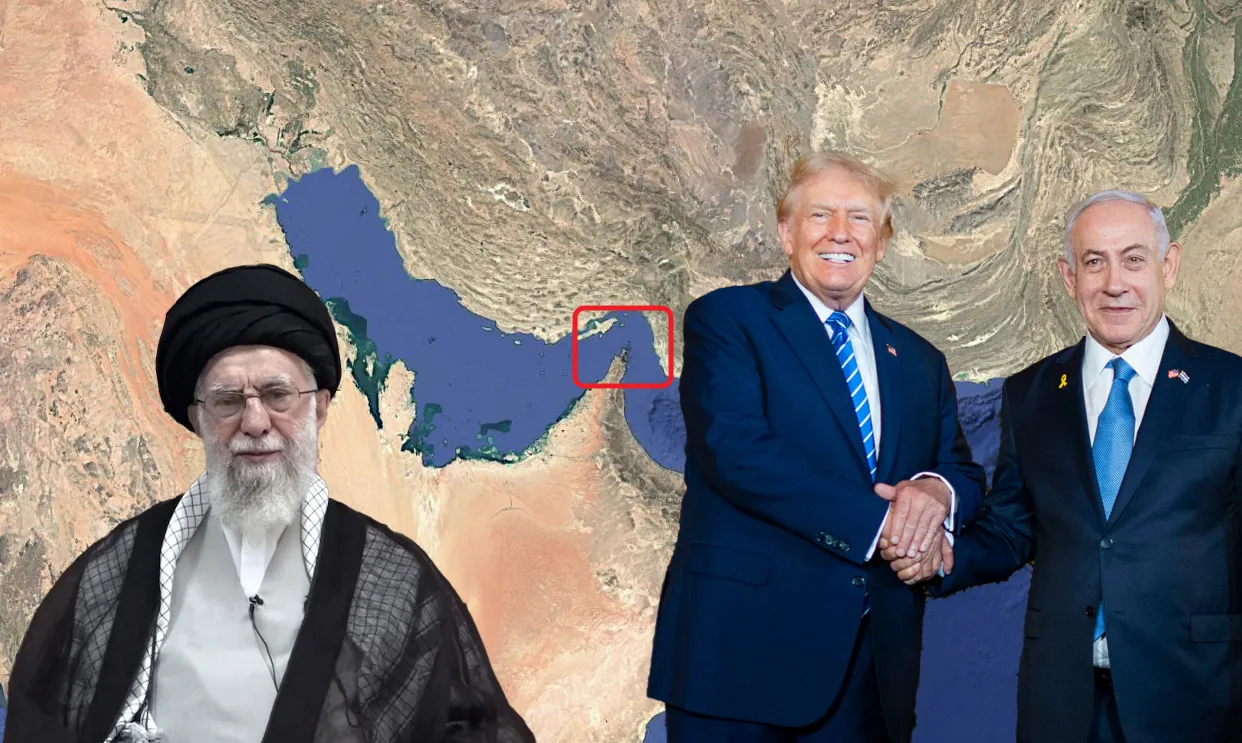
Because Hormuz handles such a large share of global energy exports, statements like Araghchi’s are never received as mere rhetoric. They are interpreted as signals about future availability, future conflict, and future pricing. Reuters and AP both noted that the present tensions have already stirred concern in global oil markets, with disruption to the route feeding fears of higher prices and broader economic fallout.
This is why even a partial restriction can matter so much. Energy markets price risk, not just current flow. If traders believe the chance of deeper disruption is rising, prices can jump before the physical supply picture has fully changed. For consumers far from the Gulf, that can mean more expensive petrol, higher shipping costs for goods, and inflationary pressure that reaches well beyond the Middle East.
The energy shock potential is one reason Hormuz remains such a potent source of leverage for Iran. Tehran does not need to permanently close the strait to unsettle the world. It only needs to make the world fear that it could.
The Leadership Question Added Another Layer
Araghchi’s interview went beyond Hormuz. He also rejected claims of instability around Iran’s leadership, reportedly dismissing suggestions that Supreme Leader Mojtaba Khamenei had been wounded and insisting that “everything is under control.” The message was clearly designed to project continuity at a moment when outside speculation has been swirling.
That reassurance fits with Tehran’s broader communication strategy during crises. When outside governments hint that the regime is fractured or weakened, Iranian officials often respond by emphasizing institutional resilience rather than vulnerability. Araghchi reportedly said the political system does not depend on any single individual, a line intended to calm both domestic and foreign observers.
Such statements are not only about image. Leadership stability affects every related issue, including negotiations, military decision making, and the future of shipping through Hormuz. If outside actors believe Iran’s command structure is unstable, they may expect more erratic behavior. If Tehran can project coherence, it may strengthen its bargaining position.
The Nuclear Issue Is Never Far Behind
Araghchi also addressed Iran’s enriched uranium stockpile, saying the country has around 440 kilograms of uranium enriched to 60 percent purity and suggesting that the issue had been misunderstood in talks with Americans. That number broadly aligns with recent reporting. Reuters, citing the IAEA, reported that Iran’s stockpile stood at 440.9 kilograms at 60 percent enrichment, material that remains a short technical step from weapons grade even though the IAEA says there is no credible evidence of a coordinated weapons program.
This is where the Hormuz crisis becomes even more dangerous. It is not unfolding in isolation. It is layered on top of long running disputes over Iran’s nuclear capabilities, sanctions, Israeli security concerns, and US military posture in the region. Each issue reinforces the others. Shipping pressure affects diplomacy. Diplomacy affects military risk. Military risk affects energy prices. And all of it loops back into the question of whether the region is heading toward negotiation or something much worse.
For Tehran, mentioning the uranium stockpile can serve multiple purposes. It reminds rivals that Iran still holds important leverage. It signals that nuclear concessions, if any, would be significant. And it reinforces the idea that Iran wants to be treated as a negotiating power, not merely as a target.
The Global Response Has Been Cautious for a Reason
Despite Trump’s appeals, the international response so far has been marked by caution rather than alignment. Japan has said it is not yet planning an escort mission. Australia has also declined to send a warship. South Korea is reviewing the issue, while European leaders are discussing options but do not appear eager to expand existing missions into a full Hormuz security coalition.
That caution is not hard to understand. Sending naval assets into an active conflict zone is not a symbolic act. It carries the risk of confrontation, miscalculation, and escalation. A minesweeper, escort vessel, or air defense deployment meant to protect shipping can quickly become involved in something much bigger if attacked or misidentified.
In that sense, the world is confronting an uncomfortable reality. Everyone wants the strait open. Almost no one wants to own the danger of forcing it open.
What This Means for the Weeks Ahead
The bigger significance of Araghchi’s comments lies in what they suggest about the next phase of the crisis. Iran appears to be signaling that it can still modulate access to Hormuz, using shipping pressure as a strategic tool without fully shutting down the waterway for all. Trump, meanwhile, is trying to rally an international maritime answer while allies calculate the risks of participation. The result is an unstable middle ground where the strait is neither plainly closed nor genuinely secure.
That ambiguity may prove to be the defining feature of the moment. It keeps pressure on markets. It forces diplomacy into overdrive. It leaves military planners on edge. And it ensures that every new comment from Tehran, Washington, or allied capitals will be scrutinized for signs of either de escalation or deeper confrontation.
In the end, the danger of the Strait of Hormuz has never been only about geography. It is about leverage, perception, and the knowledge that a narrow channel of water can suddenly become the hinge on which global energy security turns. Iran’s latest message was designed to show control, not collapse. But it also reminded the world how fragile that control really is. If the present course continues, the question may no longer be whether the strait is technically open. It may be whether the world can still trust that open means safe.