
Table of Contents
- When Faith Returns to the Center of National Debate
- A National Gathering Designed to Make History
- The Message Behind the Announcement
- A Nation Founded on Faith and Debate
- The Role of the Freedom 250 Initiative
- A Vision of Spiritual Renewal
- Critics Raise Questions About Inclusivity
- The Political Dimension of Religious Messaging
- Public Reaction Reflects a Divided Nation
- What This Means for America’s 250th Anniversary
- A Broader Conversation About Identity and Values
- A Defining Moment for Faith and Public Life
- Looking Ahead to the Future
When Faith Returns to the Center of National Debate
When plans for a massive national prayer gathering in Washington were announced, it immediately captured attention across political, religious, and cultural lines. The proposal, introduced as part of the United States’ 250th anniversary celebrations, goes beyond a ceremonial event. It represents a broader vision to bring faith back into the public spotlight and redefine how religion intersects with national identity. President Donald Trump’s announcement of a National Jubilee of Prayer, Praise, and Thanksgiving has sparked both enthusiasm and concern, revealing a deep divide in how Americans interpret the role of religion in public life. What follows is not just the story of an event, but a reflection of a larger movement shaping the nation’s future.
A National Gathering Designed to Make History
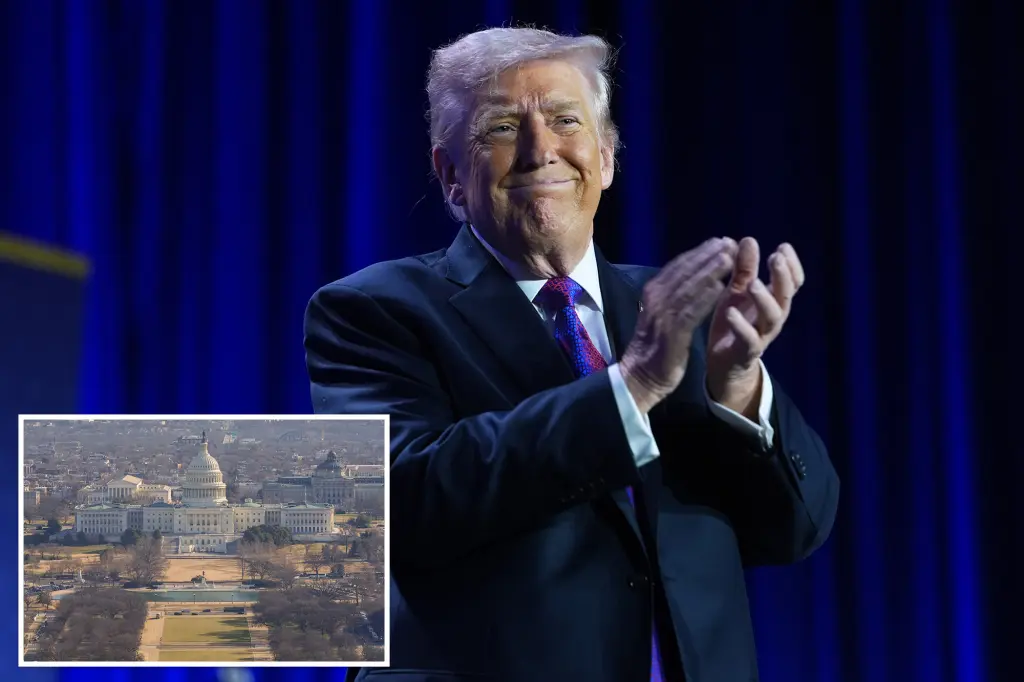
The planned event is set to take place on May 17, 2026, at the National Mall in Washington, D.C., one of the most symbolic public spaces in the United States. According to its organizers, the gathering will invite Americans from across the country to come together in prayer, gratitude, and reflection.
The goal is ambitious. It seeks to rededicate the nation as one unified entity under God, aligning with the broader theme of celebrating 250 years since the signing of the Declaration of Independence. The event is positioned not merely as a religious gathering but as a defining national moment that blends history, spirituality, and patriotism.
Supporters describe it as a once in a lifetime opportunity to reconnect with foundational values. Critics, however, question whether such a large scale religious initiative led by political figures risks blurring important constitutional boundaries.
The Message Behind the Announcement
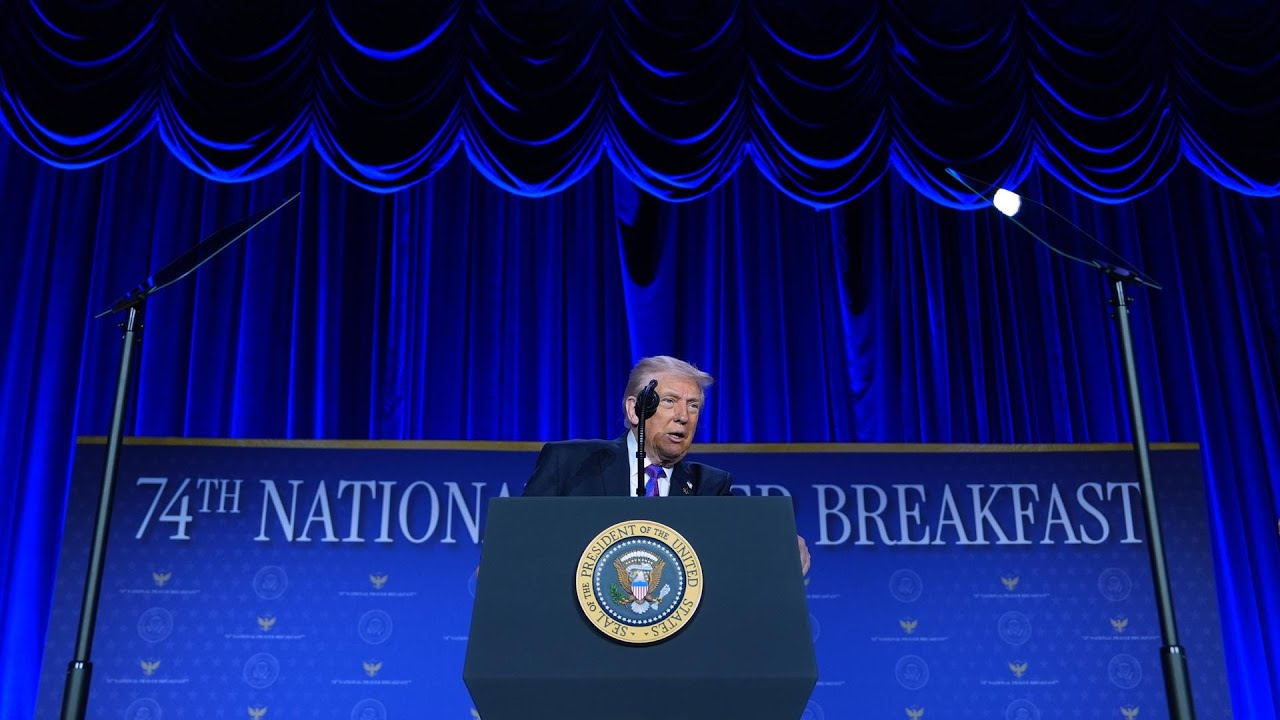
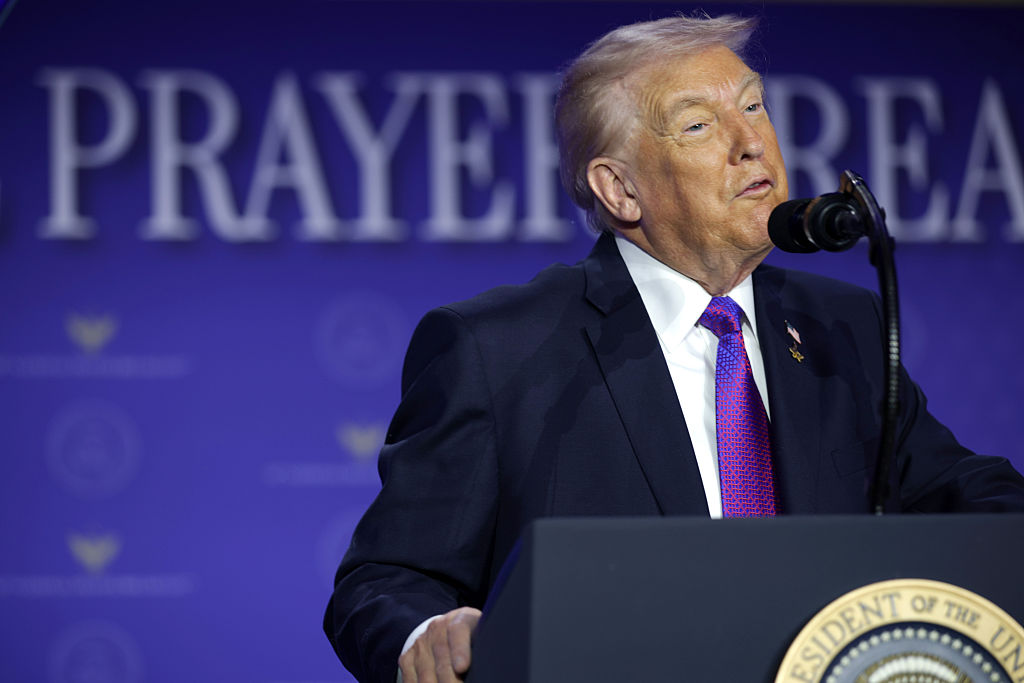
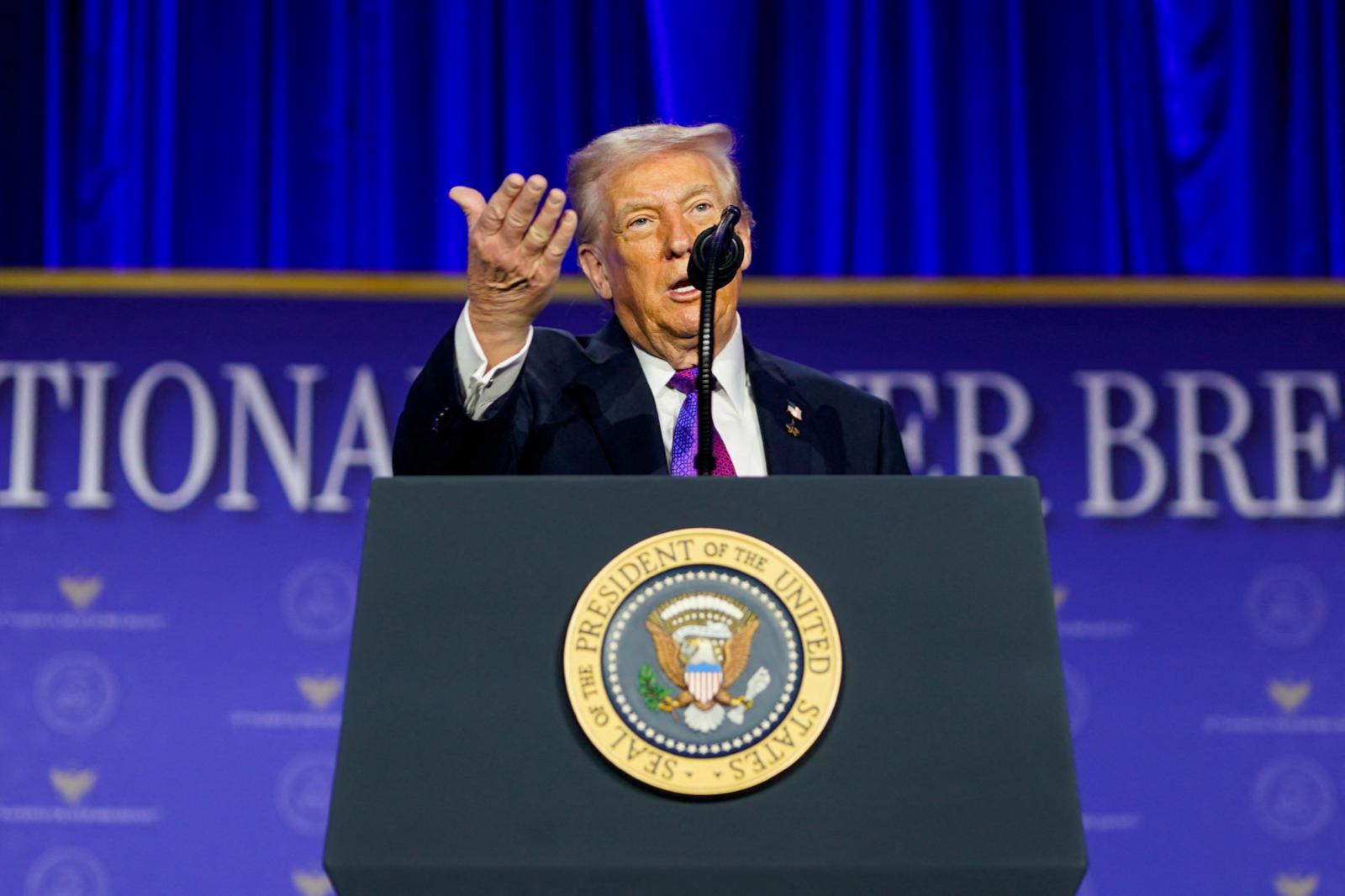
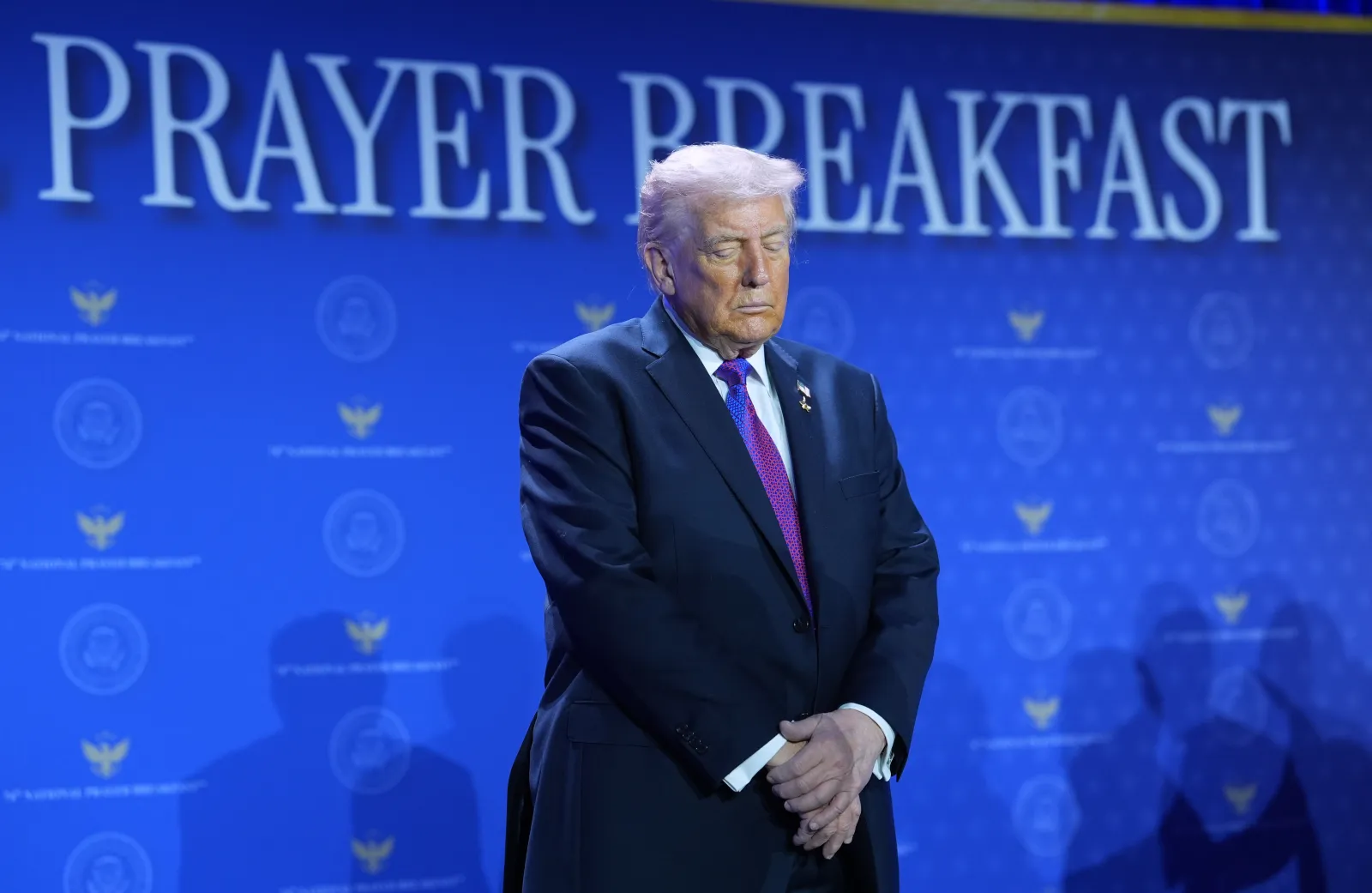
The announcement was made during the National Prayer Breakfast, a longstanding tradition that brings together political leaders and faith representatives. During his remarks, Trump emphasized what he described as a cultural shift toward renewed religious expression.
He framed the event as part of a broader effort to restore faith to a central role in American life, suggesting that religious participation and visibility have been increasing. According to his message, the prayer gathering is intended to reflect and amplify that trend.
This framing resonates strongly with supporters who believe that faith has been sidelined in recent years. For them, the event represents a return to principles that they see as essential to the nation’s identity.
A Nation Founded on Faith and Debate
The United States has a complex relationship with religion, rooted in both strong faith traditions and a clear commitment to religious freedom. Many of the nation’s founders were influenced by religious beliefs, yet they also established a system designed to prevent the government from favoring any one religion.
This balance is enshrined in the Constitution, particularly through the Establishment Clause, which prohibits the creation of an official religion. The planned prayer event has reignited discussions about how this principle should be interpreted in modern times.
Some view the event as a celebration of heritage and belief, while others see it as a potential challenge to the separation between church and state. This tension reflects a longstanding debate that continues to evolve.
The Role of the Freedom 250 Initiative
The prayer gathering is part of a broader initiative known as Freedom 250, which aims to commemorate the nation’s 250th anniversary through various events and programs. This initiative operates alongside other commemorative efforts, each offering a different perspective on how to mark this historic milestone.
Freedom 250 emphasizes themes of gratitude, reflection, and national unity, often incorporating religious elements into its programming. The inclusion of a large scale prayer event aligns with this vision, positioning faith as a central component of the anniversary celebrations.
However, the existence of multiple initiatives also highlights the diversity of approaches to the anniversary. While some focus on cultural and historical reflection, others prioritize civic engagement or bipartisan collaboration.
A Vision of Spiritual Renewal
At its core, the planned event is presented as an opportunity for spiritual renewal. Organizers describe it as a gathering where participants can express gratitude for the nation’s history while seeking guidance and protection for its future.
The program is expected to include speeches, music, and storytelling that highlight moments in American history where faith played a significant role. These elements are designed to create a narrative that connects past achievements with present aspirations.
For many attendees, this vision of renewal is deeply appealing. It offers a sense of purpose and unity in a time often characterized by division and uncertainty.
Critics Raise Questions About Inclusivity
Despite its aspirational message, the event has also drawn criticism from those who question its inclusivity. The United States is home to a wide range of religious beliefs, as well as individuals who do not identify with any faith.
Critics argue that framing the event around a specific religious perspective may not fully represent the diversity of the nation. They also express concern that government involvement in religious activities could create perceptions of favoritism.
These concerns highlight the challenge of organizing national events that resonate with a broad audience while maintaining a clear identity and purpose.
The Political Dimension of Religious Messaging
The announcement of the prayer event cannot be separated from its political context. Trump has consistently emphasized the importance of religion in his messaging, often linking faith with broader cultural and policy initiatives.
From advocating for prayer in schools to establishing a White House office focused on faith, these efforts reflect a strategic approach to engaging with religious communities. The National Mall event can be seen as an extension of this approach, bringing these themes into a highly visible public setting.
This intersection of politics and religion has been a defining feature of American history, but it remains a source of ongoing debate and discussion.
Public Reaction Reflects a Divided Nation
As news of the event spread, public reaction quickly revealed a nation divided in its views. Supporters praised the initiative as a meaningful way to celebrate the country’s heritage and values. They see it as an opportunity to strengthen community bonds and reaffirm shared beliefs.
Opponents, however, raised concerns about the implications for religious freedom and the potential for exclusion. They argue that national unity should be built on principles that are inclusive of all citizens, regardless of their beliefs.
This range of responses underscores the complexity of organizing events that touch on deeply personal and often sensitive topics.
What This Means for America’s 250th Anniversary
The 250th anniversary of the United States is a significant milestone, offering a moment for reflection and celebration. The inclusion of a national prayer event adds a unique dimension to these commemorations, emphasizing the role of faith in the nation’s story.
Whether this approach will resonate broadly remains to be seen. The event has the potential to inspire and unite, but it also carries the risk of deepening existing divisions if not handled carefully.
The outcome may depend on how the event is presented and how it engages with the diverse perspectives that make up the American population.
A Broader Conversation About Identity and Values
Beyond the specifics of the event, the announcement has sparked a broader conversation about national identity and values. It raises questions about what it means to be a nation under God and how that concept should be interpreted in a modern, pluralistic society.
These discussions are not new, but they take on added significance in the context of a major national anniversary. They invite Americans to consider how their shared history can inform their future while respecting the diversity that defines the present.
A Defining Moment for Faith and Public Life
As the planned date approaches, the National Mall prayer event stands as a symbol of larger cultural and political currents. It reflects a desire among some to reconnect with spiritual traditions, while also highlighting the challenges of balancing those traditions with constitutional principles.
The event will likely be remembered not only for its scale but for the conversations it has sparked. It represents a moment where faith, politics, and identity intersect in ways that shape the national dialogue.
Looking Ahead to the Future
The significance of this event extends beyond a single day. It will influence how future national gatherings are organized and how the role of religion in public life is understood.
For some, it marks a step toward renewed unity and purpose. For others, it serves as a reminder of the importance of maintaining clear boundaries between different spheres of society.
In the end, the impact of the National Jubilee of Prayer, Praise, and Thanksgiving will depend on how it is experienced and interpreted by those who take part and those who observe from afar. What is certain is that it has already become a defining moment in the ongoing story of America’s relationship with faith and governance.