
Table of Contents
- When reports of a NATO withdrawal threat shook Washington
- Why NATO has mattered so much for so long
- Why Russia would benefit from a weaker NATO
- Inside the tension surrounding the 2018 NATO summit
- The spending fight that fueled Trump’s anger
- Why officials inside his own administration were so worried
- Congress and allies were unlikely to stay passive
- Why this issue became bigger than one summit or one year
- What the NATO scare revealed about America’s global role
When reports of a NATO withdrawal threat shook Washington
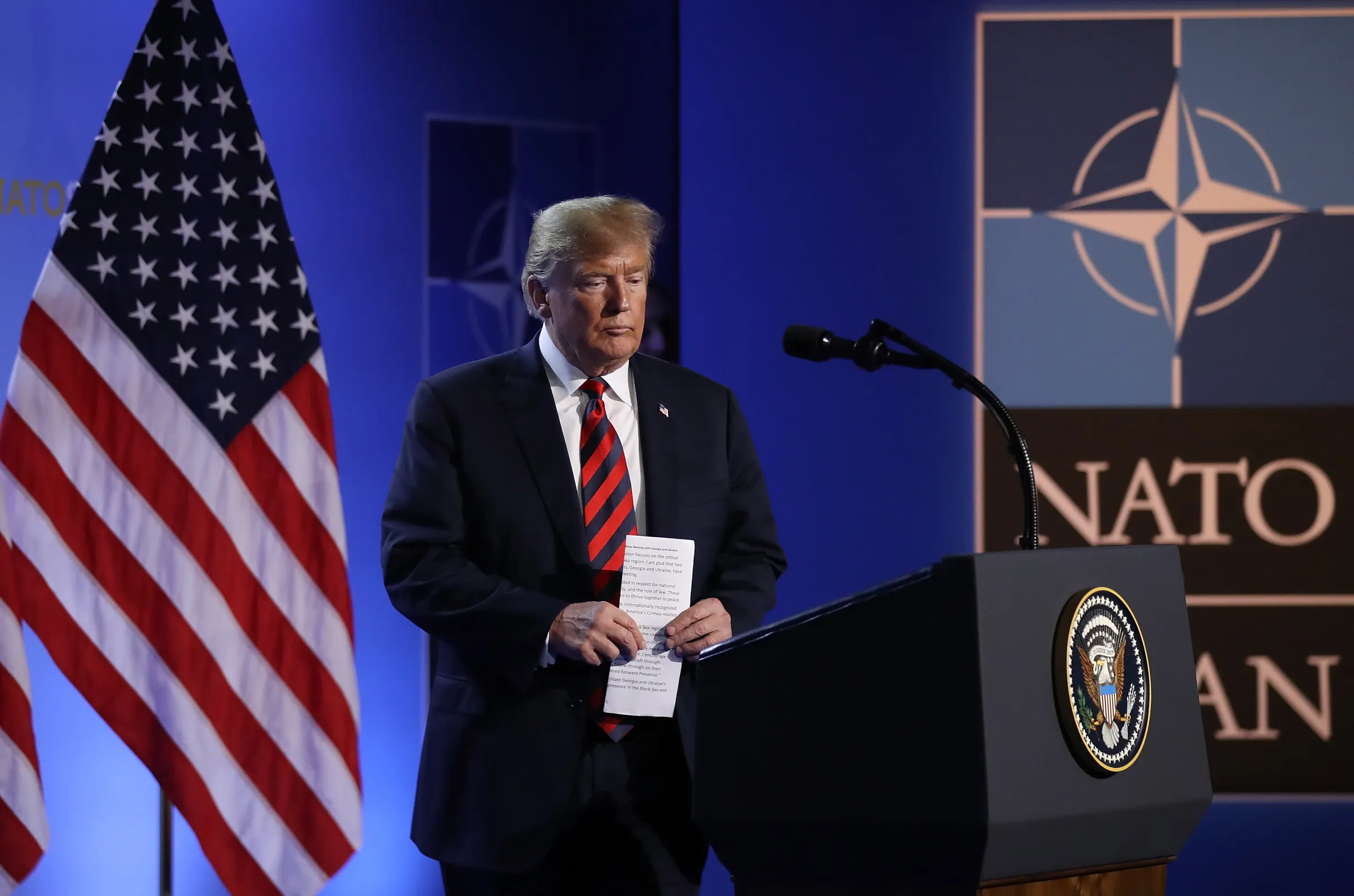
When reports surfaced that President Donald Trump had privately discussed pulling the United States out of NATO, the reaction inside Washington was immediate, uneasy, and profound. For many national security officials, this was not just another outburst from a president known for challenging long standing alliances. It was something far more consequential. NATO has been one of the core pillars of Western security since 1949, binding the United States, Canada, and Europe together in a military alliance designed to deter aggression and preserve strategic balance. The mere idea that an American president might seriously consider walking away from that structure was enough to send diplomats, military planners, and lawmakers into alarm.
What made the reports so striking was not simply that Trump had criticized NATO in public. He had done that many times before. He had repeatedly blasted European allies for not spending enough on defense and framed the alliance as a burden carried too heavily by the United States. But according to accounts from senior officials, this went further. Trump had privately raised the possibility of withdrawal itself, not once in passing, but several times over the course of 2018. That transformed the conversation from frustration over burden sharing into a much darker strategic question: what if the United States actually stopped treating NATO as essential?
That is why this episode reverberated so strongly. It was never only about internal White House debate. It was about what such a move would signal to allies, enemies, and history itself. For supporters of the alliance, the prospect of an American withdrawal was not simply a foreign policy adjustment. It was the possible unraveling of a system that had defined transatlantic security for generations.
Why NATO has mattered so much for so long
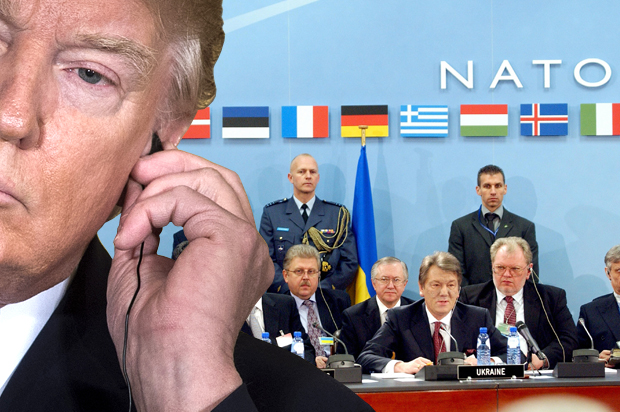
To understand why Trump’s reported desire to leave NATO triggered such alarm, it is necessary to understand what the alliance represents. NATO was created in the aftermath of World War II as the Western world sought to contain Soviet expansion and avoid another catastrophic conflict on the European continent. Its most important principle is collective defense. An attack on one member is treated as an attack on all. That promise has shaped the strategic map of Europe for decades.
For the United States, NATO has been more than a defensive pact. It has been a way to project influence, maintain military partnerships, and ensure that Washington remains central to the security architecture of Europe. Through NATO, the United States has helped deter Soviet and then Russian aggression, coordinate military standards, share intelligence, and sustain a level of geopolitical reach few nations in history have enjoyed.
For European countries, NATO has been both shield and anchor. It has reassured smaller nations that they would not stand alone against more powerful adversaries. It has also allowed European democracies to tie their security futures to that of the United States, creating a bond that has survived the Cold War, Balkan conflicts, terrorism, and Russia’s renewed assertiveness.
That is why talk of American withdrawal sounded so seismic. It would not merely weaken a treaty. It would cast doubt on decades of strategy, trust, and deterrence.
Why Russia would benefit from a weaker NATO
One reason the reports generated such deep concern is the broad consensus among Western officials that Vladimir Putin’s Russia has long sought to weaken NATO unity. From Moscow’s perspective, a divided alliance is easier to pressure, intimidate, and outmaneuver. A NATO that doubts itself is far less formidable than one that speaks and acts with clarity.
American officials have argued for years that Russia’s actions, from the annexation of Crimea to election interference and pressure on neighboring states, have all carried an underlying strategic aim: to fracture Western solidarity. NATO stands in the way of Russian ambitions because it limits Moscow’s room to maneuver in Eastern Europe and makes aggression far costlier.
That is why critics of Trump’s reported position viewed withdrawal talk as so dangerous. If the United States left NATO, it would hand Russia a geopolitical victory that diplomacy, cyber operations, and military pressure had failed to fully achieve. It would do from inside the alliance what Moscow had long hoped to accomplish from outside it. For those who spent years studying deterrence and alliance politics, that possibility was staggering.
The fear was not only immediate military vulnerability. It was the long term erosion of confidence. Once allies begin doubting whether the United States will stand by them, deterrence starts to crack even before any formal withdrawal occurs.
Inside the tension surrounding the 2018 NATO summit
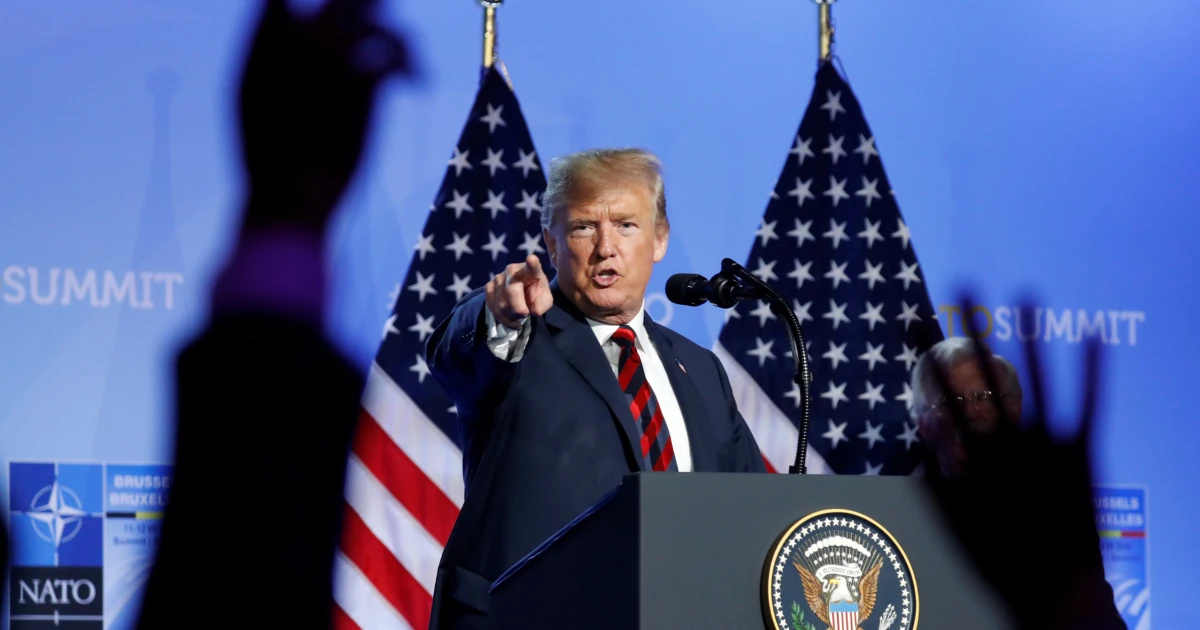
Much of the anxiety described by officials centered on the turbulent NATO summit in Brussels in the summer of 2018. By then, Trump’s hostility toward allied defense spending had become a defining feature of his relationship with Europe. He repeatedly argued that European governments were not paying their fair share and that the United States was carrying too much of the burden.
That complaint resonated with some Americans, especially those who saw NATO through the lens of costs and obligations rather than long term strategy. Trump turned burden sharing into a blunt political weapon, pressing allies publicly and privately. Yet at the summit, his anger appeared to go beyond demands for greater spending. Officials described a setting where Trump questioned the point of the alliance itself and created fear that the gathering could spiral into diplomatic disaster.
His national security team reportedly worked behind the scenes to keep strategy on course, minimize disruption, and avoid public collapse. That effort reflected a striking divide inside the administration. On one side stood a president deeply skeptical of alliances and impatient with diplomatic protocol. On the other stood officials who believed NATO remained essential to American power and global stability.
The summit therefore became more than a dispute over budgets. It became a test of whether the alliance could withstand a president openly questioning its value while still leading the country at its center.
The spending fight that fueled Trump’s anger
A major part of Trump’s dissatisfaction with NATO revolved around military spending. He regularly attacked allies, especially Germany, for failing to meet the alliance guideline of spending 2 percent of gross domestic product on defense. In Trump’s view, wealthy European nations were leaning on American military strength while underinvesting in their own protection.
This argument was not entirely new. Previous American presidents had also urged Europe to spend more. But Trump’s tone and framing were different. Rather than treating the issue as a burden sharing dispute within a vital alliance, he often presented it as evidence that NATO itself was unfair to the United States. That shift in tone mattered because it changed the public conversation from reforming the alliance to questioning its legitimacy.
At one point, Trump reportedly shocked leaders further by demanding 4 percent spending, a goal that would place the target even farther out of reach for many countries. For allies already struggling politically to increase defense budgets, this demand seemed less like negotiation and more like escalation.
The result was a deepening fear that spending complaints were becoming the gateway to something larger. If no amount of European adjustment could satisfy Trump, perhaps the real issue was not defense budgets at all. Perhaps the real issue was that he fundamentally disliked the structure of alliances themselves.
Why officials inside his own administration were so worried
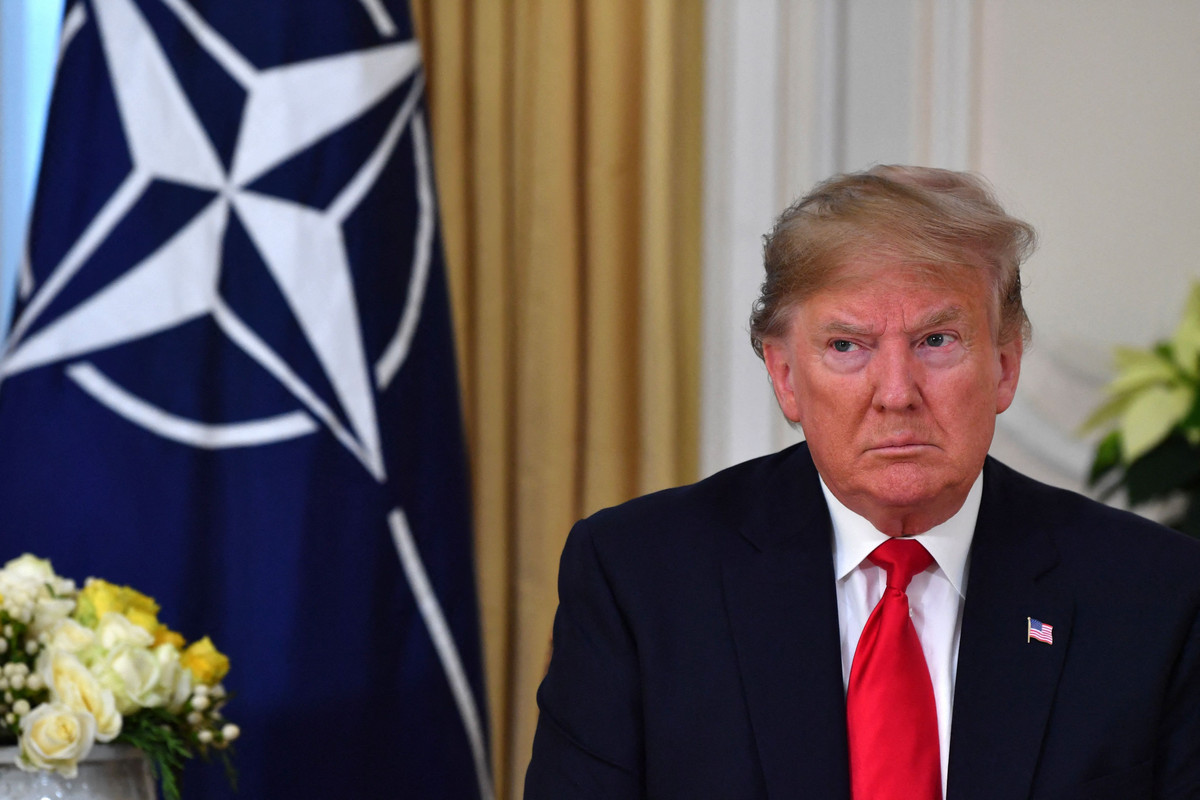
The most revealing part of the episode was how strongly many officials inside Trump’s own administration reportedly opposed any move toward withdrawal. Defense leaders, diplomats, and national security advisers understood how difficult and dangerous such a step would be. They saw NATO not as charity for Europe, but as one of the great force multipliers of American strategy.
For them, the alliance allowed the United States to project influence at lower risk and with far greater legitimacy than it could alone. American bases, training, interoperability, intelligence networks, and political relationships all flowed through this system. Leaving would not simply reduce obligations. It would reduce leverage.
That helps explain why Trump’s advisers reportedly scrambled to contain the fallout from his comments and preserve continuity. Officials like Jim Mattis were seen by allies as stabilizing figures, people who believed in alliance commitments and reassured Europe that someone in Washington still viewed NATO as indispensable. Mattis’s eventual resignation only intensified fears that one of the strongest internal defenders of the alliance was gone.
This internal divide also revealed something deeper about the Trump era. Some of the administration’s sharpest geopolitical tensions were not only between Washington and foreign capitals, but inside the administration itself.
Congress and allies were unlikely to stay passive
Any serious effort by an American president to withdraw from NATO would almost certainly provoke an intense response from Congress. Lawmakers in both parties, though especially many Democrats and traditional national security Republicans, regarded the alliance as central to U.S. interests. Even during the Trump years, policy toward Russia remained one of the few areas where congressional Republicans sometimes broke with the president.
That matters because formal withdrawal from NATO is not an instant process. Under Article 13 of the Washington Treaty, a member can leave after a notification period of one year. That delay would give Congress time to organize resistance, pass legislation, and mount a constitutional fight over whether the president could act unilaterally.
But even if Congress succeeded in blocking a formal exit, the damage might already be done. A president’s repeated desire to leave could shake allied confidence, encourage adversaries, and weaken deterrence long before any legal process concluded. NATO depends not only on treaty text, but on belief. Allies must believe the United States will honor commitments. Once that belief starts to erode, uncertainty becomes its own strategic weapon.
That is why officials worried not just about what Trump might do, but about what his words alone were already doing.
Why this issue became bigger than one summit or one year
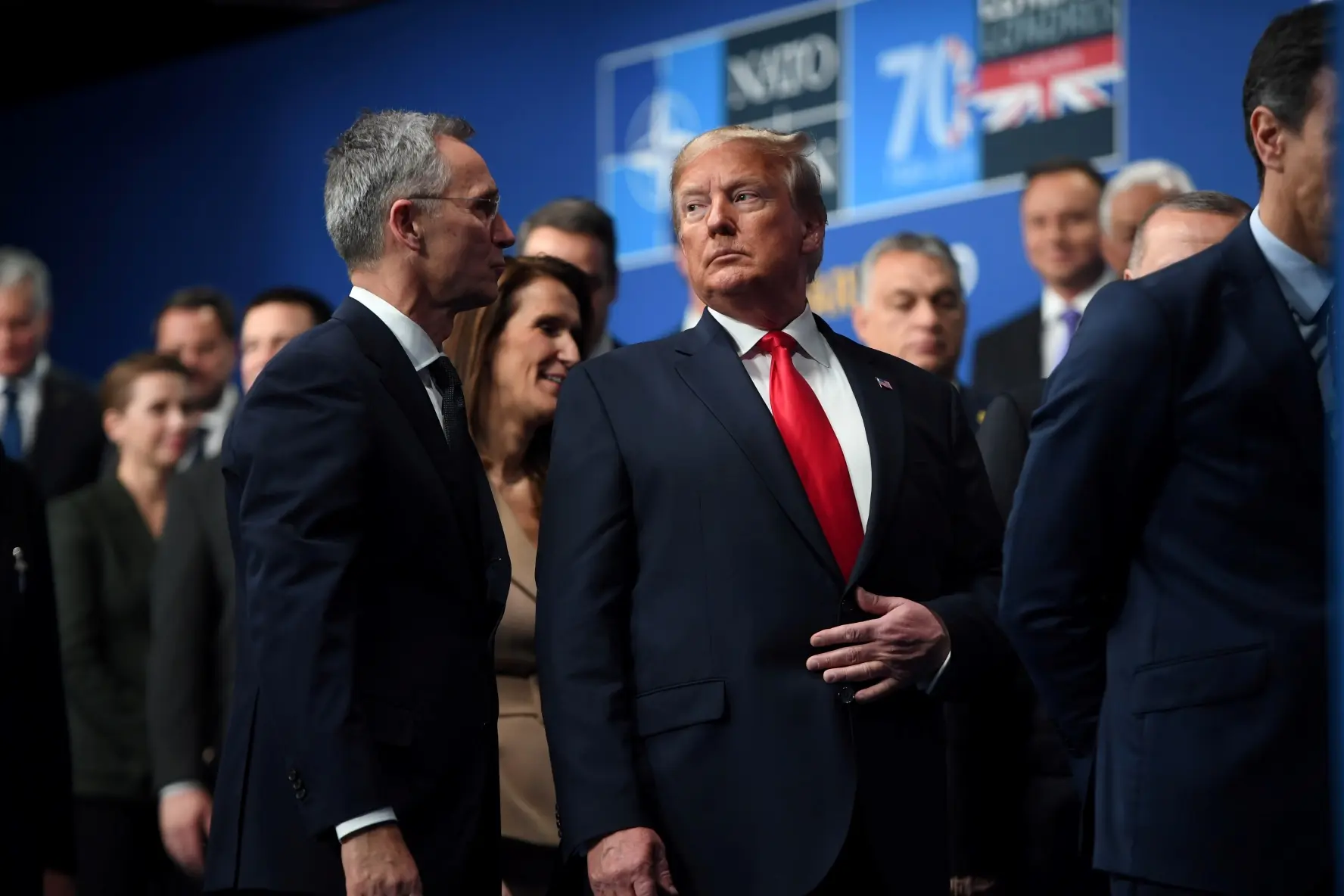
The NATO controversy was not an isolated moment. It fit into a broader pattern in Trump’s worldview. He frequently challenged international institutions, questioned alliance obligations, and portrayed foreign commitments as bad deals for America. From climate agreements to trade pacts to military partnerships, he often viewed multilateral arrangements as constraints rather than as instruments of American leadership.
This broader philosophy helps explain why NATO criticism never felt temporary to many officials. They feared it reflected a deeper instinct, not a passing negotiating tactic. Trump’s skepticism of alliances seemed rooted in a belief that international partnerships too often allowed others to exploit American power. That belief repeatedly collided with the traditional bipartisan view that alliances, though imperfect, extend American reach and strengthen its position.
This clash was never merely academic. It touched the central question of what kind of power the United States wants to be. A country leading alliances operates differently from a country that treats them mainly as transactional bargains. NATO became one of the clearest battlegrounds in that larger argument.
For allies, this was unnerving because it suggested the problem might outlast any single dispute over spending or summit diplomacy. It raised the possibility of a durable shift in how Washington viewed Europe and collective defense.
What the NATO scare revealed about America’s global role
In the end, the reports that Trump discussed pulling the United States from NATO were so unsettling because they exposed how much of the postwar international order depends on presidential conviction. Institutions matter. Treaties matter. Congress matters. But the beliefs of a president still shape whether those structures feel durable or fragile.
The alarm that followed these revelations came from a recognition that NATO is not just a military machine. It is a political promise backed by history, shared interests, and mutual confidence. When the leader of its most powerful member questions that promise, even privately, the aftershocks can spread quickly across capitals and command centers alike.
That is the deeper significance of this episode. It was not simply about Trump, Brussels, or a single year of transatlantic drama. It was about whether the United States still sees alliances as a source of strength or as an expensive burden to be discarded when frustration rises. For those who believe NATO has helped preserve peace in Europe and amplify American influence, the answer carries enormous consequences.
And that is why the story still matters. Because every time the possibility of NATO withdrawal enters serious conversation, it forces the same profound question back into view: if the United States steps away from the alliance that helped define the Western order, what fills the vacuum left behind?