
Table of Contents
- When China tightened fertilizer exports, the global market took notice
- Why the timing could not be worse for global agriculture
- What China is reported to have restricted
- Why Beijing may be putting food security first
- Which countries could feel the squeeze most sharply
- Why higher fertilizer prices matter far beyond the farm gate
- The confusion over whether China will make exceptions
- How long the market thinks these restrictions may last
- What this could mean for food prices and global stability
When China tightened fertilizer exports, the global market took notice
When reports emerged that China was further restricting fertilizer exports, the development landed like another shock wave in an already rattled global farm economy. For weeks, the fertilizer market had been under strain from supply disruptions linked to conflict around Iran and shipping problems through the Strait of Hormuz. Then came fresh reports that Beijing had moved in mid March to curb exports of nitrogen-potassium blends and certain phosphate fertilizers, adding new pressure to a market many importers had hoped China might help stabilize. Reuters reported that the move had not been formally announced, but industry sources said the restrictions were real, substantial, and likely to remove a huge volume from global trade flows.
That is what makes this story bigger than a simple trade adjustment. Fertilizer is one of the invisible foundations of modern food production. When supply tightens, the effects do not stop at ports or warehouses. They move outward into farm budgets, crop choices, national food inflation, and eventually the price of staples on dinner tables. China is one of the world’s largest fertilizer exporters, with shipments worth more than $13 billion last year, so even a partial restriction reverberates far beyond its borders.
Why the timing could not be worse for global agriculture
The timing of the reported curbs is especially significant because global fertilizer trade was already under unusual stress. Reuters reported that roughly one third of the world’s seaborne fertilizer supply moves through the Strait of Hormuz, a route that has been heavily affected by the current war related disruption. China itself had already begun releasing fertilizer from national commercial reserves earlier than usual this spring to cushion domestic supply and price pressure, a sign that Beijing was worried about its own internal balance before the latest reported export limits even surfaced.
This means the export curbs did not happen in a vacuum. They arrived at a moment when governments were already trying to shield domestic consumers from international shocks. According to Reuters and the Financial Times, China has also moved recently to restrain some fuel exports, reflecting a broader pattern in which countries seek to protect local food and energy security first when supply chains come under geopolitical strain. In that environment, hopes that China might step in as a relief valve for global fertilizer buyers have given way to a far harsher reality.
What China is reported to have restricted
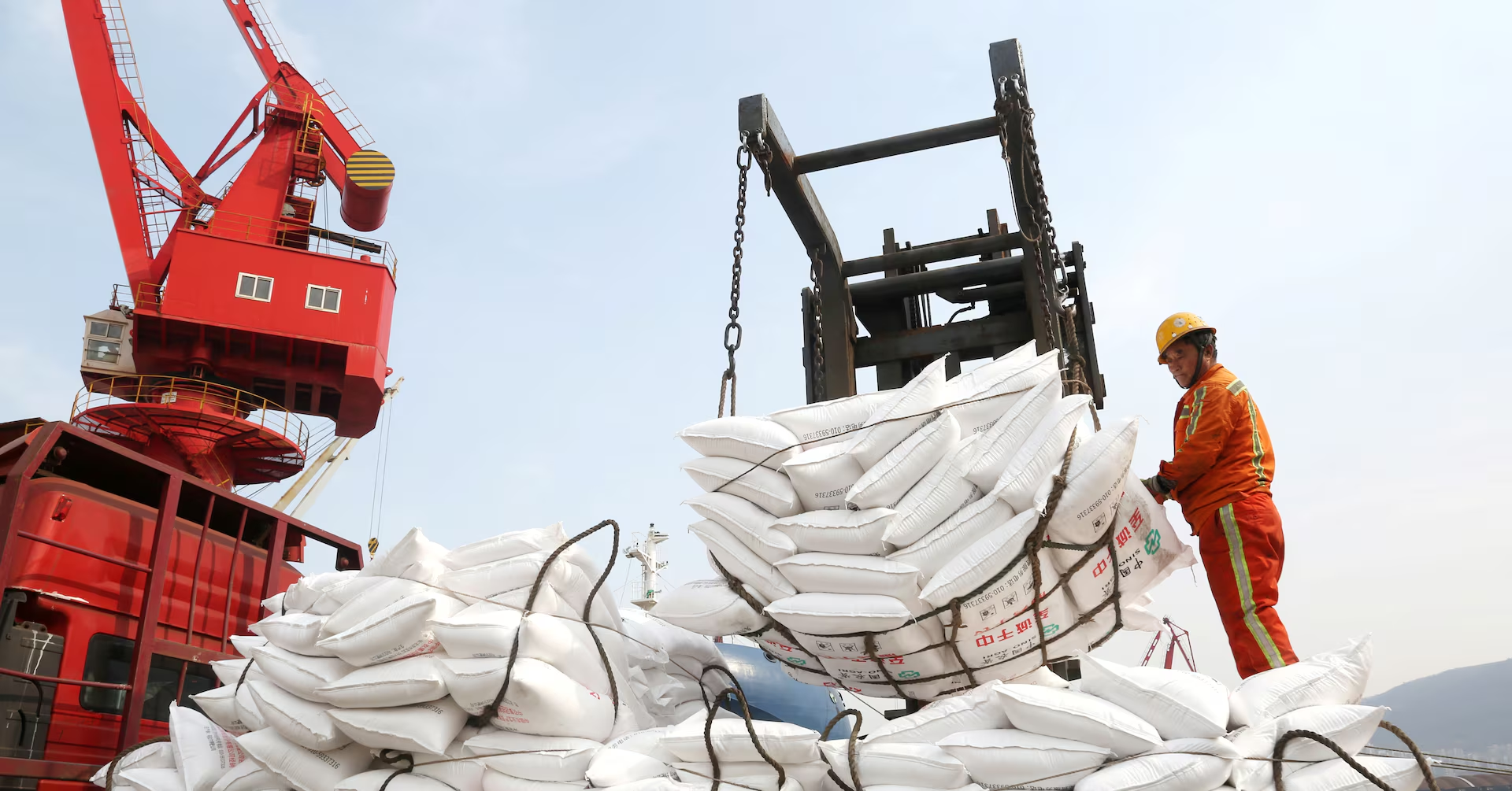
The reported restrictions are notable not only because of their scale, but because of how quietly they appear to have been rolled out. Reuters said Beijing banned exports of nitrogen-potassium fertilizer blends and certain phosphate varieties in mid March, while Bloomberg separately reported that China was tightening curbs and halting outbound shipments of some fertilizer products. Reuters added that, on top of those new measures, existing bans and export quotas on urea were still in place, leaving only a handful of fertilizers, especially ammonium sulphate, available for export at scale.
If those reports are correct, the impact could be enormous. Reuters estimated that between half and three quarters of China’s fertilizer exports last year may now be restricted, potentially affecting up to 40 million metric tons. That is the sort of figure that changes the tone of the market immediately. It signals not a brief paperwork delay, but a potentially sustained tightening of one of the most important agricultural input channels in the world.
Why Beijing may be putting food security first
Analysts quoted by Reuters say the logic behind China’s move is consistent with how Beijing has behaved before. When domestic fertilizer prices rise or supplies tighten, the government has a long history of using export controls, quotas, and administrative guidance to keep more product at home and shield local farmers from global volatility. Reuters quoted BMI analyst Matthew Biggin saying the pattern is familiar: China restricts supply rather than stepping in to rescue global markets during periods of tightness.
That view is reinforced by both past precedent and current conditions. CSIS has noted that China used phosphate fertilizer export restrictions in 2021 to keep domestic supply affordable, and Reuters reported that state linked fertilizer groups in China urged producers in December to suspend phosphate exports until August. Reuters also quoted CSIS’s Caitlin Welsh saying that observers who follow the market closely expect China may continue extending bans because Beijing is highly reluctant to do anything that would raise domestic grain and feed prices.
In other words, the reported export restraints are not simply about trade. They appear to reflect a broader strategic judgment that food security at home matters more than market relief abroad.
Which countries could feel the squeeze most sharply
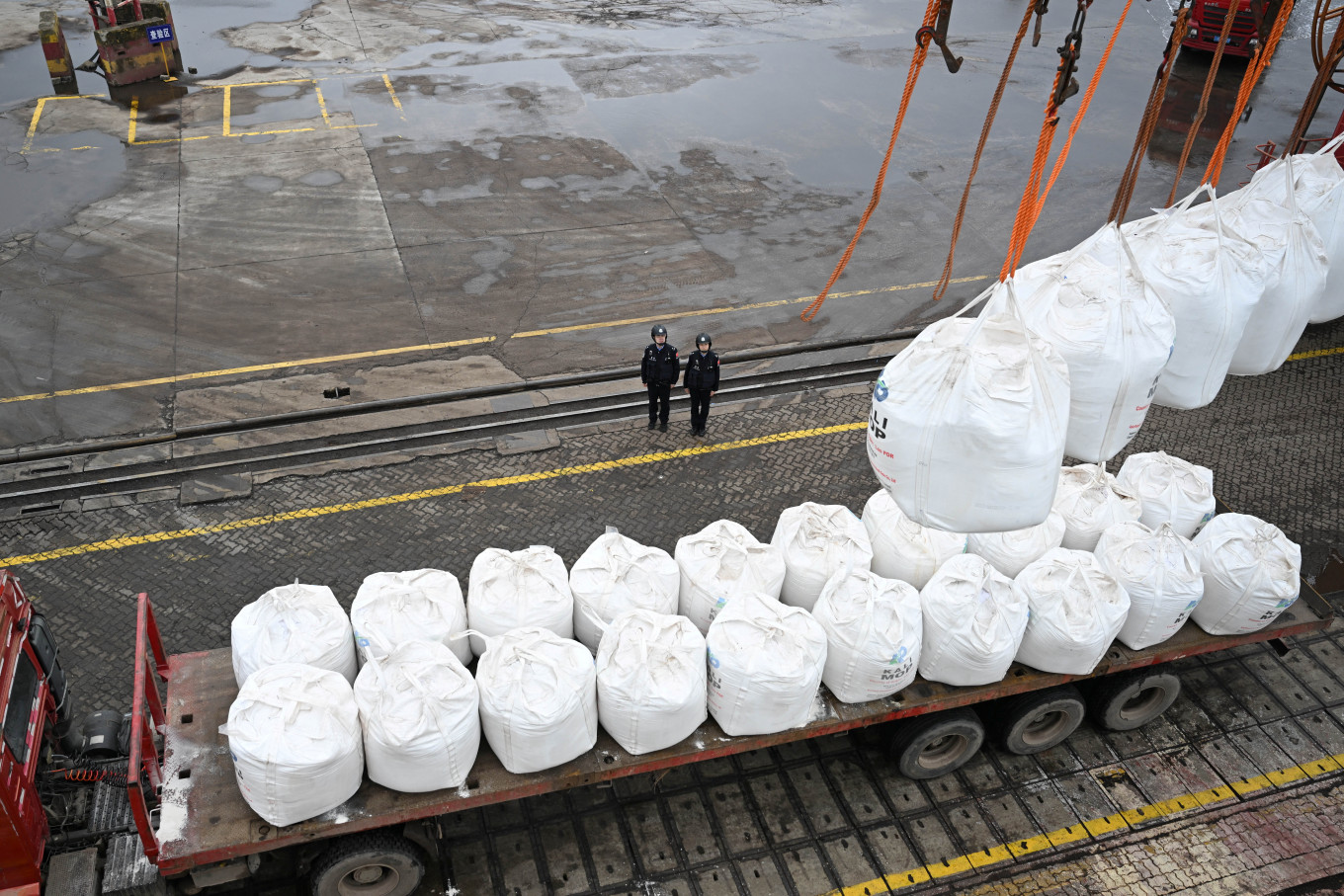
The world is not equally exposed to China’s fertilizer decisions. Some countries depend far more heavily on Chinese shipments than others, and for them the consequences could be immediate. Reuters reported that last year China supplied about one fifth of fertilizer imports for Brazil, Indonesia, and Thailand, roughly one third for Malaysia and New Zealand, and about 16 percent for India based on Indian trade data. That is a large share to replace quickly in a volatile market.
India appears especially vulnerable because it also relies heavily on Middle Eastern supply for major fertilizer products. Reuters reported that India imported more than 40 percent of its urea and DAP from the Middle East last year, and Bloomberg reported earlier this month that India had requested China issue export quotas for urea as war induced gas disruptions hit fertilizer production elsewhere. When one major source is squeezed by war and another by export controls, buyers are left competing harder for what remains.
This is why officials and traders have sounded so alarmed. Reuters quoted a New Delhi based fertilizer company official saying buyers had hoped China would fill the supply gap, but that the decision would only tighten supplies further. That short remark captures the mood of the market: not panic yet, but growing recognition that the world’s expected backup supplier may be stepping back instead.
Why higher fertilizer prices matter far beyond the farm gate
For the average reader, fertilizer can sound technical, distant, and easy to overlook. But fertilizer prices matter because they shape how much farmers can afford to plant, what crops they choose, and how much yield they can realistically achieve. Reuters reported that international urea prices have risen around 40 percent from pre war levels, while urea futures in China were near a 10 month high. Those numbers are not abstract. They point to rising production costs across food systems that are already dealing with fuel and freight pressure.
When fertilizer becomes too expensive, farmers do not always have good options. Some reduce application rates, which can lower yields. Others switch to crops that need less fertilizer, which can alter planting patterns and affect downstream food supply. In lower income farming systems, the squeeze can be even harsher because access to credit is often limited and margins are already thin. A fertilizer shortage does not always create an immediate headline grabbing crop failure. More often, it works quietly through reduced efficiency, weaker harvests, and stubborn food inflation months later.
That is why traders, governments, and food security analysts watch fertilizer as closely as they watch grain itself. The price of food is often decided long before a harvest, beginning with whether farmers can secure enough nutrients at the right time.
The confusion over whether China will make exceptions
One of the most intriguing parts of this story is the uncertainty around how broadly the reported curbs will be enforced. Reuters reported earlier this week that the Philippines said China had assured Manila that fertilizer exports to the country would not be restricted. Yet when China’s foreign ministry was asked about those comments, the spokesperson referred the matter to other departments. Reuters said several Chinese government bodies did not immediately respond to requests for comment.
That leaves room for a possibility the market will watch closely: selective flexibility. Beijing may choose to keep broad controls in place while quietly accommodating certain partners or strategic relationships. That would not be unusual in a market where formal announcements often lag behind administrative practice. But it also means importers cannot assume relief until they see product moving.
For countries scrambling to secure shipments, uncertainty can be nearly as disruptive as the restriction itself. Governments and buyers need to plan tenders, budgets, planting seasons, and freight arrangements. If the rules remain opaque, every decision becomes harder and every delay more expensive.
How long the market thinks these restrictions may last
Duration is now one of the biggest questions. According to Reuters, salespeople at a fertilizer conference in Shanghai said they did not expect the bans to be lifted before August, after China’s peak June to August export period. Reuters also reported that producers are watching for signals from the government after spring planting to see whether the bans will be extended further.
That timeline matters because agriculture does not wait. A restriction lasting a few weeks is disruptive. A restriction lasting through key buying and planting windows can reshape entire seasonal strategies. If China keeps large volumes off the export market into late summer, importers may have to scramble for alternative suppliers, pay more for freight, or accept reduced availability of specific nutrient blends.
Bloomberg’s reporting also suggests the tightening is part of a broader effort to insulate China’s domestic market from price spikes caused by the Iran related trade shock. That makes a quick reversal less certain. If Beijing sees domestic food and input stability as the priority, export recovery may depend more on internal price conditions than on global appeals from import dependent countries.
What this could mean for food prices and global stability
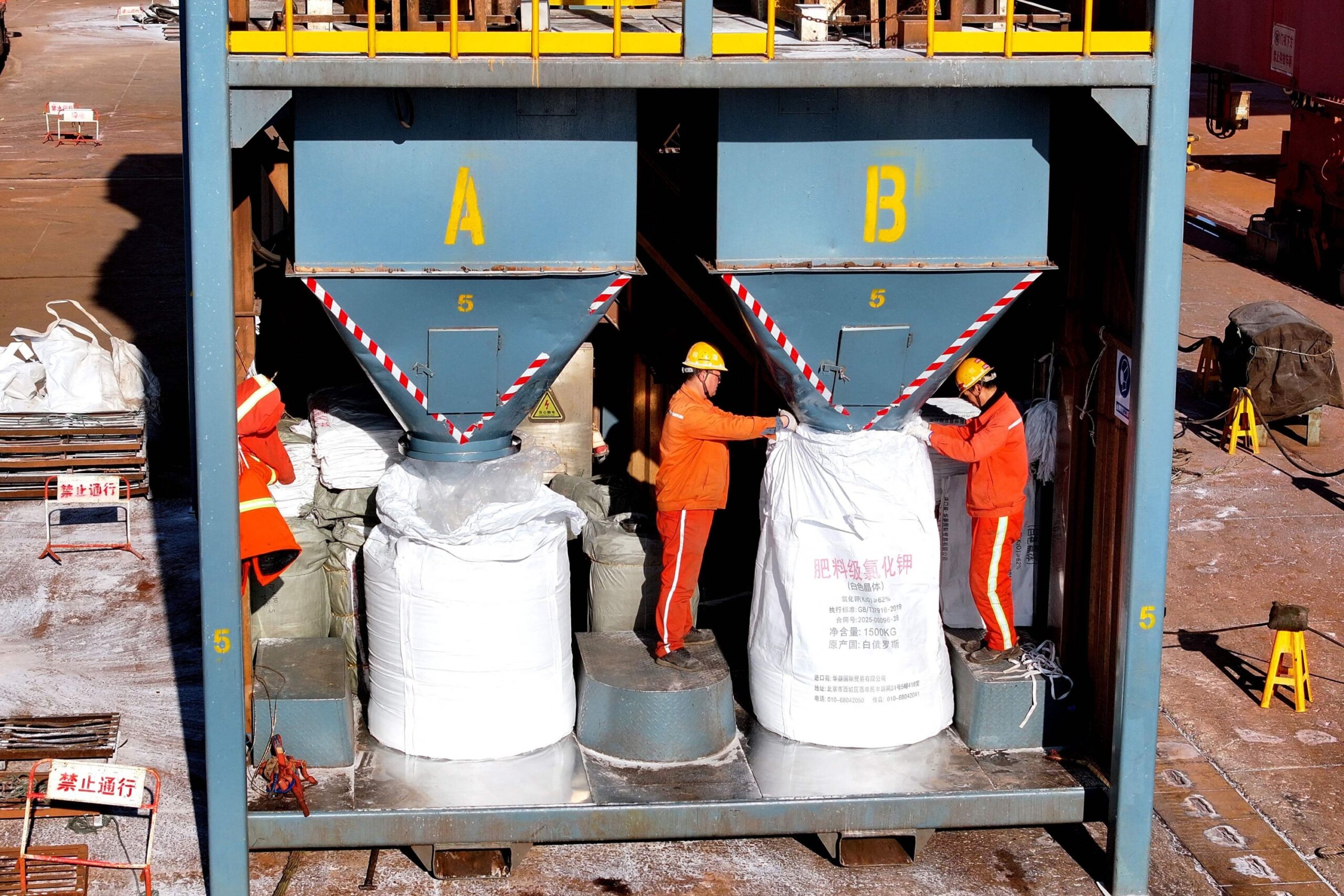
The broader significance of the story lies in what comes next. If one of the world’s biggest fertilizer exporters restricts supply at the same moment that a major shipping chokepoint is disrupted, the risk is not limited to one commodity chart. It spreads into food security, inflation, and political stability. CSIS has warned that conflict related fertilizer disruption can threaten crop production and global food systems, especially in import dependent countries. Reuters’ reporting suggests that many of those countries are now facing the prospect of both tighter supply and higher prices at the same time.
This is why the latest reports from China have been taken so seriously. They suggest the fertilizer market is no longer waiting for relief from one of its biggest players. Instead, it may be entering a phase where national self protection becomes the dominant logic. When that happens, shortages often feed on themselves. Buyers rush to secure cargoes, prices rise faster, and governments begin thinking less like market participants and more like crisis managers.
For now, much remains officially unconfirmed. Reuters said the latest ban had not been formally unveiled, and Chinese ministries had not immediately clarified the policy publicly. But the direction of travel looks clear enough to have already changed expectations. China appears to be leaning toward shielding its domestic market, not calming the global one. If that continues, farmers from South Asia to Southeast Asia to parts of Latin America may soon feel the pressure in the most direct way possible: through higher input costs, harder buying decisions, and more uncertainty about what the next planting season will bring.