
Table of Contents
- When Cuba’s emergency stopped looking temporary
- Havana’s daily reality is becoming harder to ignore
- The blackout exposed how fragile everything has become
- Fuel shortages have moved from energy problem to national choke point
- Trump’s rhetoric raised the temperature even further
- The regime says the blockade is to blame, critics say the crisis runs deeper
- Food, water, and transport are now part of the same emergency
- Even if power returns, the deeper danger remains
- Cuba may be approaching a true tipping point
When Cuba’s emergency stopped looking temporary
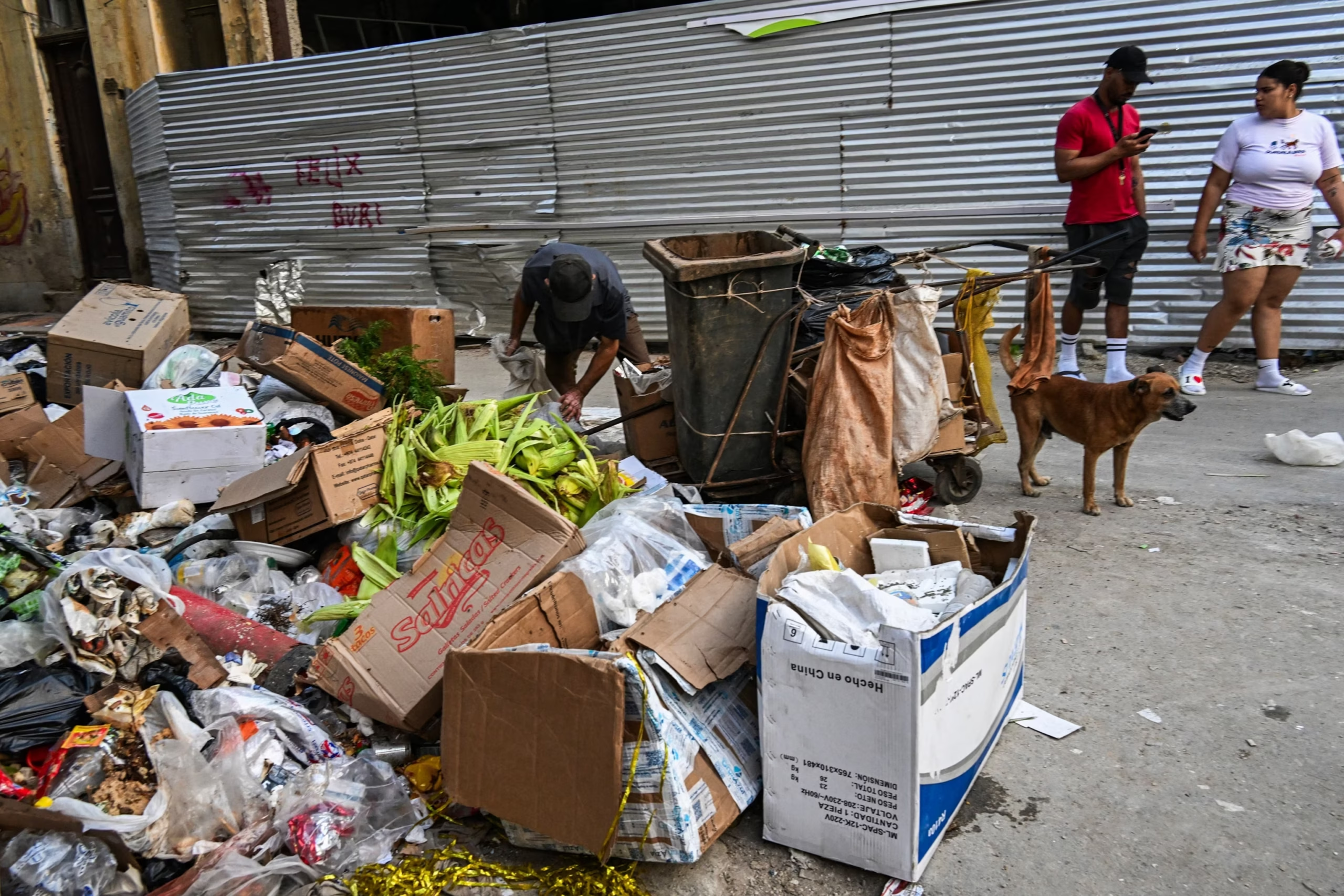
When reports from Havana began describing the capital as a ghost town, the language felt less like political rhetoric and more like the vocabulary of collapse. Streets were empty, electricity was scarce, public transport costs had soared, and many residents were reportedly using the few hours of daily power they received just to recharge devices, move around the city, or pump water. ABC News quoted humanitarian worker Valerio Granello saying the situation had become so severe that more people were begging in the streets and searching through piles of garbage for food. In a country long familiar with hardship, the warning was stark because it suggested Cuba’s economic pain had crossed into something broader and more dangerous: a humanitarian crisis now visible in the rhythms of ordinary life.
What makes the current moment especially alarming is that it is not defined by one isolated shortage. It is a convergence crisis. Fuel is scarce, the electric grid is fragile, food prices are climbing, transportation is faltering, and access to water has become more uncertain because so much pumping relies on electricity. Reuters and AP both reported that Cuba suffered a nationwide blackout this week after a complete disconnection of the national system, underscoring just how unstable the country’s infrastructure has become. When a power failure can cripple lighting, refrigeration, communication, and water access all at once, a bad economy stops being just an economic story. It becomes a story about survival.
Havana’s daily reality is becoming harder to ignore
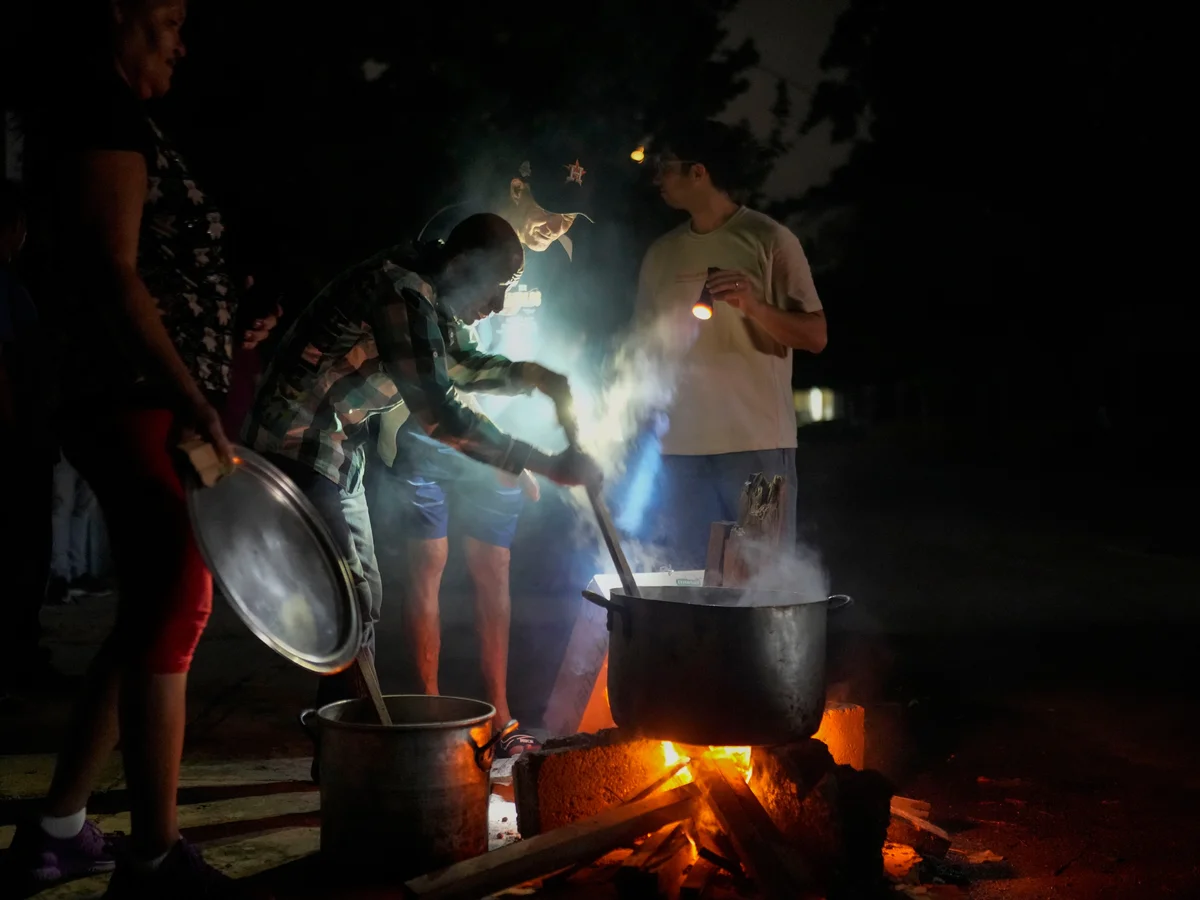
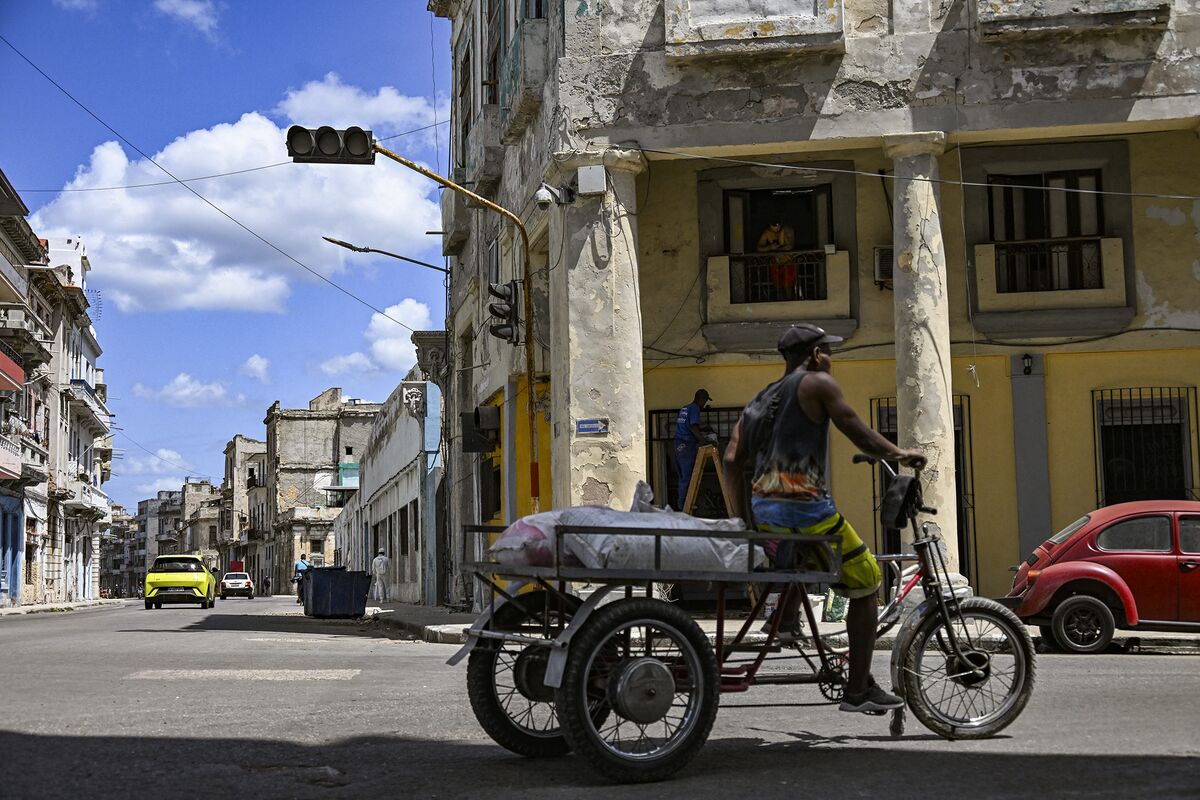
The strongest accounts of the crisis come not from abstract charts but from daily images of life in the capital. Granello told ABC News that Havana had come to resemble a city in suspension, with very few cars on the roads and many people reduced to bicycles or small rechargeable vehicles that only function during the limited windows when power is available. He also described a visible rise in destitution, with vulnerable people increasingly unable to afford transport or food. That matters because Havana is not a remote rural area overlooked by national planners. It is the capital. If conditions there appear this strained, the situation beyond the city may be worse still.
This is one reason the humanitarian language has become harder to dismiss. It is no longer only about inflation or inconvenience. It is about the visible erosion of public life. Residents are dealing with prolonged outages, disrupted commerce, weakened mobility, and the social stress that follows when basic routines become impossible. The New Humanitarian reported earlier this month that Cubans were already describing current conditions as unlike anything they had experienced before, with pressure coming from both longstanding internal dysfunction and intensified U.S. pressure on fuel access. By mid March, that pressure had become even more obvious.
The blackout exposed how fragile everything has become
Nothing dramatized the crisis more clearly than the collapse of the national electric system. Cuba’s Ministry of Energy and Mines said the country had suffered a total disconnection, while AP reported that the outage affected the entire island and reflected the deteriorated condition of an aging power grid already weakened by fuel shortages and years of underinvestment. Reuters later reported that power was gradually restored after roughly 29 hours, but shortages continued and officials warned that the grid remained fragile. This was not a quick technical glitch. It was the kind of failure that reveals structural weakness.
The wider significance of the blackout is that electricity in Cuba is tied to everything else. Granello told ABC News that about 95 percent of the population depends on electricity for pumping water. That means blackouts do not merely leave homes in darkness. They interrupt access to drinking water, sanitation, refrigeration, and medical continuity. Hospitals, households, shops, and transport systems all feel the strain at once. In a society already facing shortages of fuel and food, a grid collapse magnifies every other weakness.
Fuel shortages have moved from energy problem to national choke point
At the heart of the crisis is oil. Multiple recent reports say Cuba’s access to fuel has been heavily constrained by U.S. pressure on the country’s energy imports, especially oil shipments connected to Venezuela. Reuters reported that Cuba has received only two small oil shipments this year and that the U.S. effort to restrict fuel imports has worsened the island’s already serious energy problems. ABC’s report framed the situation as Cuba being cut off from its primary source of oil since early January, with consequences cascading across transportation, food production, tourism, and power generation.
This is why the crisis feels so total. Fuel is not just for cars. It powers thermal plants, supports goods movement, and sustains aviation and tourism. Granello told ABC News that farmers have struggled to transport produce into cities because fuel sales have been virtually suspended across much of the country. He also said tourism, a crucial source of income for Cuba, had nearly ground to a halt as major airlines stopped flights because jet fuel was unavailable. Once fuel disappears from an economy that fragile, everything starts narrowing at once.
Trump’s rhetoric raised the temperature even further
The political context has made the humanitarian story more explosive. Reuters reported that President Donald Trump recently said he expected to have the “honor” of “taking Cuba in some form” and declared that he could do anything he wanted with the island. The Washington Post, Guardian, and other outlets described those remarks as arriving amid Cuba’s blackout crisis and an intensifying U.S. pressure campaign. Whatever the exact intended meaning, the comments intensified fears in Havana and sharpened the regime’s narrative that Washington is trying not merely to pressure Cuba, but to break it.
Cuban President Miguel Díaz Canel responded in defiant language, accusing the United States of threatening the constitutional order and seeking to strangle the economy until Cuba surrenders. Reuters also reported that at the same time, negotiations had quietly opened between the two governments to ease the crisis. That contradiction is striking. Public rhetoric has grown harsher, even as private talks appear to have begun. It suggests both sides understand the stakes are rising quickly, even if they remain far apart on blame and solutions.
The regime says the blockade is to blame, critics say the crisis runs deeper
How to explain the crisis is now a central political battle. Cuban officials have squarely blamed the U.S. energy blockade and related sanctions, arguing that tightened American pressure has crippled fuel supply, power generation, transportation, and food production. There is evidence that the latest U.S. moves have indeed worsened conditions, particularly by making oil procurement more difficult. Reuters, AP, and ABC all tie the current blackout and fuel crisis in part to those restrictions.
But critics of the Cuban government argue the disaster did not begin in January and cannot be understood only through sanctions. ABC quoted Florida International University analyst Sebastian Arcos saying the present emergency is the result of a much longer decline rooted in post Soviet economic weakness, infrastructure decay, and regime mismanagement. The New Humanitarian similarly argued that human suffering in Cuba reflects both relentless U.S. pressure and internal governance failures. That dual explanation is important because it captures the tragedy more accurately than either side’s preferred talking point. External pressure may have pushed the system closer to breaking, but the system was already dangerously brittle.
Food, water, and transport are now part of the same emergency
One of the clearest signs that Cuba’s troubles have become humanitarian rather than merely economic is the way basic needs are now interconnected. Food prices have risen sharply, according to ABC’s reporting from Havana, making essentials unaffordable for many elderly and disabled people. Transport costs reportedly multiplied, making it harder for workers, patients, and families to move around. Water supplies have become less dependable because pumping depends on electricity. Once these systems start failing together, hardship accelerates in a way official statistics often struggle to capture.
This kind of crisis tends to hit the weakest first and hardest. Those with dollars, relatives abroad, or access to generators and private networks may improvise. Those without such buffers are left exposed to the full force of breakdown. AP reported that food spoilage, prolonged outages, and despair were already pushing some Cubans toward thoughts of emigration. That may become even more pronounced if blackouts persist, fuel remains scarce, and private markets continue pricing vulnerable households out of basic life.
Even if power returns, the deeper danger remains
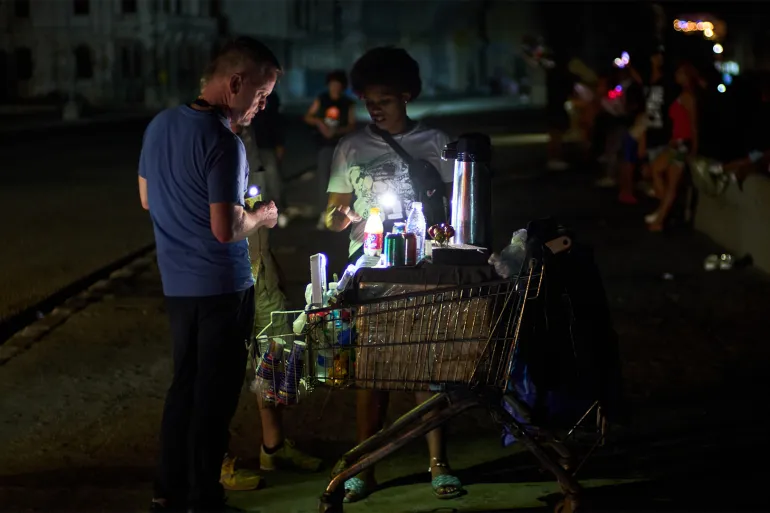
One temptation in moments like this is to treat grid restoration as proof that the worst has passed. Reuters’ report on the return of power after the nationwide blackout offered some relief, but it also stressed that major shortages remain and that generation capacity is still too limited. In other words, restoring electricity is not the same as resolving the crisis. It simply moves the country back from full collapse to chronic instability.
That distinction matters because the current danger is cumulative. Repeated blackouts, irregular fuel imports, weak tourism, food scarcity, and infrastructure stress can wear down public confidence even if no single day brings total failure. Cuba has already experienced multiple major power collapses in recent months, according to AP. Each one erodes resilience a little more. A country can survive one blackout, or one shortage, or one transport crunch. Surviving all of them together for months is far harder.
Cuba may be approaching a true tipping point
The phrase “tipping point” has now attached itself to Cuba’s crisis because the country seems to be entering a phase where suffering, political strain, and system weakness all reinforce each other. ABC quoted Arcos as saying the conditions had become “really dire” and that sanctions had pushed an already failing system toward a decisive breaking point. Humanitarian groups on the ground have also warned publicly about the seriousness of the situation, with organizations present in Cuba calling for attention to urgent needs and principled humanitarian response.
The bigger concern is what happens if no meaningful relief arrives. If fuel imports remain constrained, blackouts will continue to undermine water access, refrigeration, hospitals, transport, and food logistics. If negotiations fail, public rhetoric may become even more aggressive while conditions worsen on the ground. And if the economy contracts further, the social consequences could become much harder to contain. The crisis in Cuba is no longer just a political standoff between Havana and Washington. It is becoming a human emergency measured in darkness, hunger, heat, and the slow disappearance of normal daily life.
That is why this moment feels so consequential. Cuba is not only suffering another rough period. It appears to be confronting a sharper test of whether its already exhausted systems can absorb one more shock without tipping into something far worse. The return of some electricity has not erased that fear. It has only made the underlying question more urgent: how many more failures can the island endure before emergency becomes the new permanent condition?