
Table of Contents
- When Chuck Norris’s final post suddenly meant something far deeper
- His family confirmed his death and asked for privacy
- The final birthday video captured exactly how fans wanted to remember him
- Before the memes, he built himself into an action icon
- Walker, Texas Ranger turned him into a household name
- The internet turned him from star into folklore
- He remained bigger than entertainment alone
- Why his death feels like the end of a certain kind of American icon
- The final message now reads like a perfect, accidental goodbye
When Chuck Norris’s final post suddenly meant something far deeper
When news broke that Chuck Norris had died at age 86, millions of fans were left staring back at a social media post that had seemed joyful, playful, and unmistakably alive only days earlier. According to multiple reports, Norris died on March 19, 2026, and his family announced his passing on March 20 through his official Instagram account. Just nine days before his death, on March 10, he had marked his 86th birthday with a spirited video and a line that instantly sounded even more poignant after the news arrived: “I don’t age. I level up.”
That is what made the moment hit so hard. It was not just that an action star had died. It was that his last public message still carried the energy people had always associated with him. In his birthday caption, Norris said he was grateful for another year, for good health, and for the chance to keep doing what he loved. He also thanked fans for standing by him through the years and said their support had meant more than they could know. Read after his death, the post felt less like a routine birthday update and more like an accidental farewell from one of the most durable figures in American action cinema.
His family confirmed his death and asked for privacy
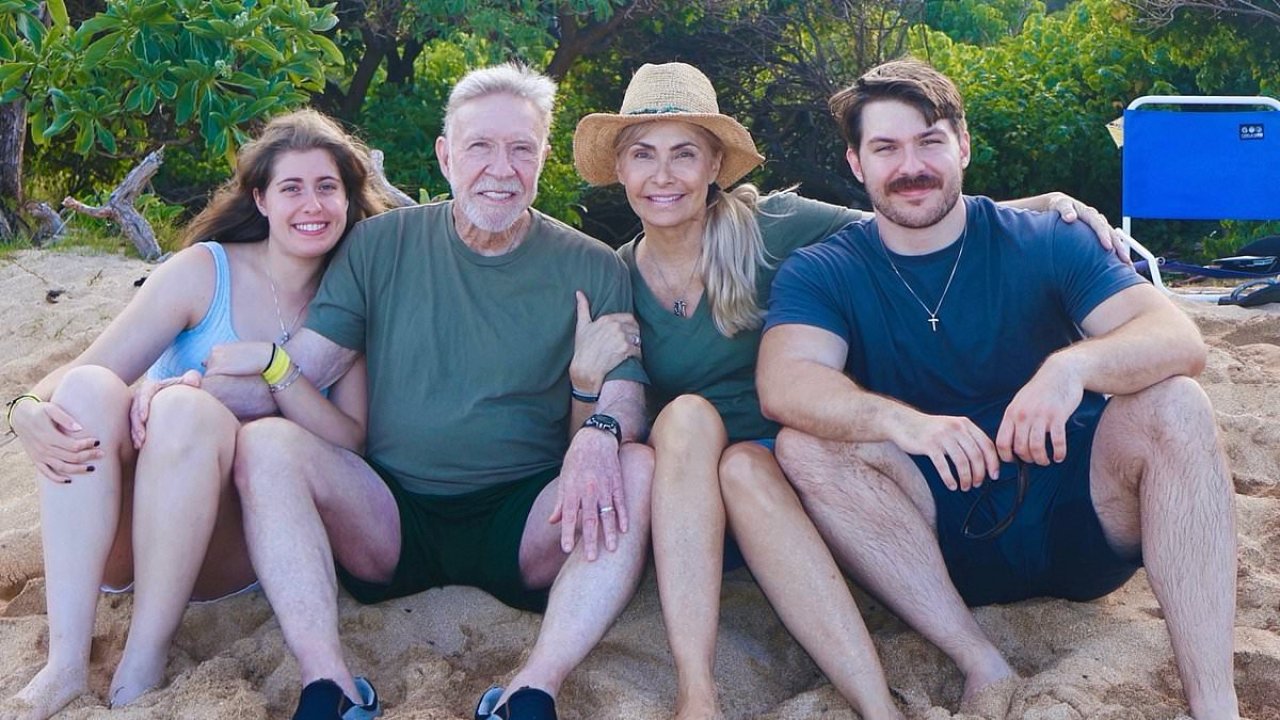
The announcement from Norris’s family immediately reshaped the meaning of everything surrounding his final week. Reuters, the Associated Press, and People all reported that the family said he died peacefully surrounded by loved ones. They described him not only as a martial artist and actor recognized around the world, but also as a devoted husband, loving father and grandfather, and the emotional center of his family. They also thanked fans for the love they had shown him over the years and asked for privacy as they grieved.
That tone mattered because Chuck Norris had long lived in two public identities at once. To the world, he was the hard-edged screen fighter, the square-jawed lawman, the man whose internet legend could supposedly stare down death itself. To those closest to him, the family statement suggested, he was something quieter and more intimate. It is a common tension in celebrity mourning, but in Norris’s case it felt especially striking because his public persona had become so outsized, so mythic, that it was easy to forget there was also an elderly man with children, grandchildren, memories, and a private life now ending behind closed doors.
Reports published after the announcement said Norris had recently been hospitalized in Hawaii following a medical emergency, though the exact cause of death had not been publicly confirmed. Several outlets noted that the family had chosen not to release fuller medical details. That uncertainty only added to the shock. Fans were processing not a long public decline, but the abrupt disappearance of someone who had seemed vigorous and upbeat only days earlier on camera.
The final birthday video captured exactly how fans wanted to remember him
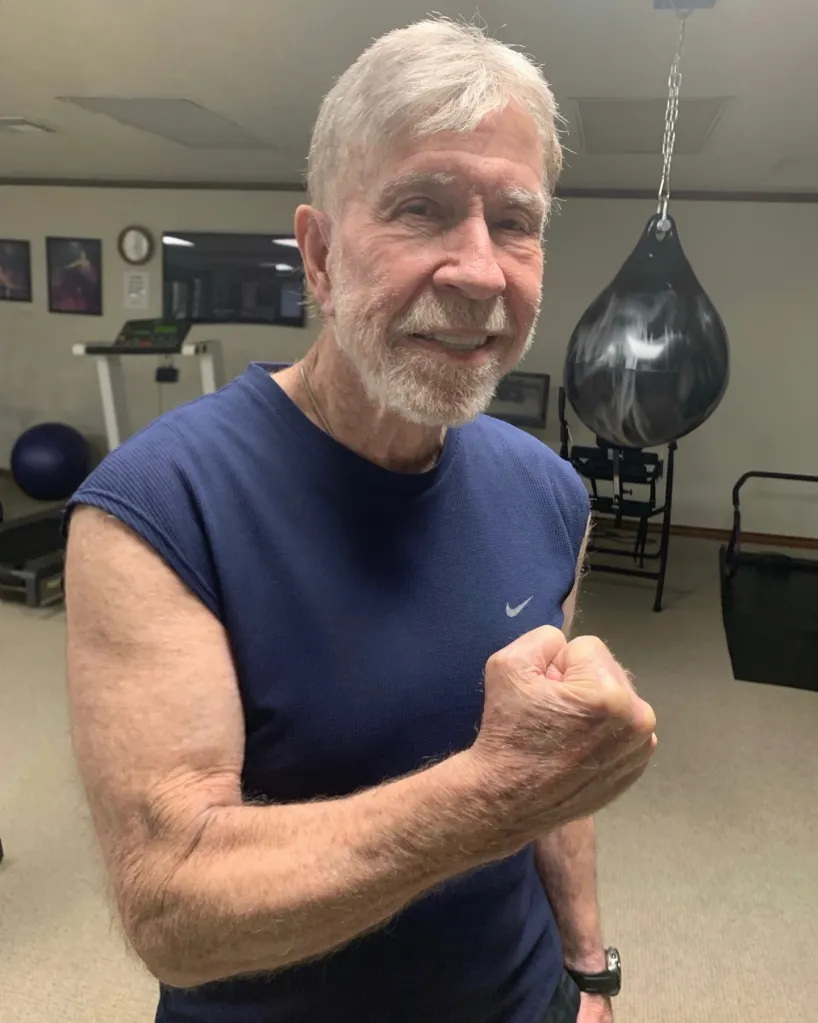
There was something uncannily fitting about the fact that Norris’s last public post did not show frailty, silence, or retreat. It showed motion. In the widely discussed birthday video, he was sparring and smiling, still leaning into the image that had followed him for decades. The “I don’t age. I level up” line was classic Chuck Norris in the sense that it balanced toughness with humor and made aging sound less like decline than a challenge he was prepared to beat.
That line spread even more quickly after his death because it seemed to condense his entire public mythology into one sentence. Norris had always occupied a strange place in popular culture. He was not just respected for martial arts skill or remembered for television fame. He was also one of the rare celebrities whose image became folklore. The final birthday video fed that lore perfectly. Fans were not watching an 86-year-old fade from public life. They were watching a legend still perform the role people most wanted him to play.
After the news broke, commenters returned to that last post in exactly the way internet culture had taught them to. The jokes kept coming, but now they carried grief inside them. Variations of the old meme reappeared, including lines suggesting that Chuck Norris had not died, but had instead told death he was on the way. People magazine and other outlets noted how quickly those “Chuck Norris Facts” style responses resurfaced under his last upload, turning an old internet gag into a form of collective mourning.
Before the memes, he built himself into an action icon
Long before he became a punchline in the affectionate sense, Norris earned real credibility the hard way. Reuters and the AP both traced his rise from a difficult early life in Oklahoma to the U.S. Air Force, where his interest in martial arts deepened during service in South Korea. He went on to become a six-time undefeated World Professional Middleweight Karate Champion and later founded his own martial arts system, Chun Kuk Do. Those were not invented credentials tacked onto a movie career. They were the foundation of it.
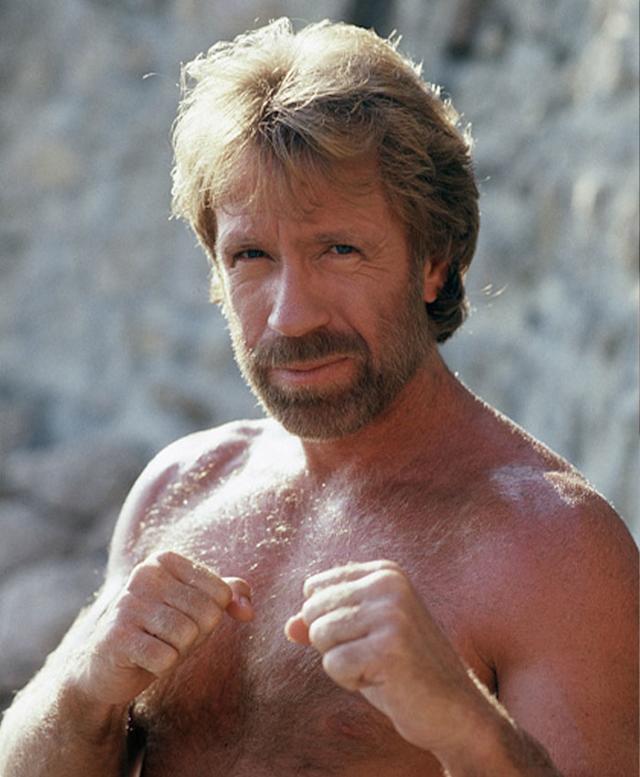
His transition into acting became part of Hollywood legend in its own right. Encouraged by Steve McQueen and helped by the growing visibility of martial arts cinema, Norris moved into film and delivered the kind of stoic, physical performances that made him a natural fit for 1980s action movies. Reuters and the Guardian both highlighted films such as Code of Silence, Lone Wolf McQuade, Missing in Action, Invasion U.S.A., and The Delta Force as part of the stretch that cemented his screen identity.
Still, one early role towers above the rest in the imagination of many fans: his fight with Bruce Lee in The Way of the Dragon, released in some markets as Return of the Dragon. That duel helped define Norris as more than a domestic action lead. It linked him to one of the most iconic figures in martial arts cinema and gave him a global aura that would follow him for life. The Associated Press, Reuters, and the Guardian all pointed to that film as a crucial piece of his enduring legacy.
Walker, Texas Ranger turned him into a household name
If the films built Norris’s image, television made him ubiquitous. His starring role as Cordell Walker in Walker, Texas Ranger transformed him from action star into a permanent fixture in American popular culture. The series ran from 1993 to 2001 and gave Norris something movies alone rarely provide: years of repeated presence in living rooms across the country. For many viewers, especially younger ones, this was the Chuck Norris they knew first.
The show also strengthened his moral image. Walker was not just tough. He was upright, disciplined, and unmistakably old-fashioned in his sense of justice. That combination fit Norris well. He projected force, but also certainty. The character blurred naturally with the man in the public mind, which made later nostalgia for the show especially powerful. When people mourned Norris, they were not only mourning a performer. They were also mourning a familiar television presence tied to a very particular vision of strength and order.
Even later cameos and supporting roles, including appearances in films such as Dodgeball and The Expendables 2, worked largely because the audience already knew the myth. By then, Norris no longer needed to prove he was formidable. He only needed to appear, and the whole cultural history surrounding him arrived with him.
The internet turned him from star into folklore
Few celebrities have experienced the kind of second life Norris found online. By the mid-2000s, “Chuck Norris Facts” had become one of the defining joke formats of the early internet. The Associated Press and Reuters both noted how the meme wave revived and transformed his public image, presenting him as a superhuman force capable of impossible feats delivered in absurdly deadpan lines.
What made the meme endure was that it fit the material already there. Norris had built a screen persona based on physical dominance, terse certainty, and a refusal to look vulnerable. The internet simply exaggerated that into fantasy. He became less an actor than an unstoppable concept. Unlike many celebrities who resist being made into jokes, Norris gradually embraced the phenomenon, which helped keep it alive without souring it. The result was rare: a meme that did not erase the person’s earlier fame, but amplified it for a new generation.
That is why the reaction to his death felt culturally unusual. Tributes came not only from film fans and martial artists, but also from people whose main relationship to him was internet folklore. MMA figures, celebrities, and ordinary users all responded, often in language that mixed real affection with the comic exaggeration he had come to symbolize. It was grief filtered through a mythology that he himself had come to inhabit.
He remained bigger than entertainment alone
Norris’s legacy was never confined to action scenes and memes. Reuters and the AP both described him as a devout Christian, an outspoken conservative, and a public supporter of Republican candidates over the years. He also remained deeply connected to martial arts education and youth work, especially through Kickstart Kids, the program he co-founded to help students through discipline and character development.
That broader identity helps explain why reactions to his death spread into politics, sports, and faith communities as well as entertainment media. New York Post reported that President Donald Trump praised Norris after the news, calling him a “tough cookie” and a longtime supporter. Other tributes emphasized not his celebrity alone, but his discipline, patriotism, and personal influence.
His children also publicly reflected on the loss. Entertainment Weekly reported that Dakota and Danilee Norris shared emotional tributes describing their father’s integrity, strength, and love, underlining again that the public warrior image had always existed beside a private role that mattered more deeply to those who knew him best.
Why his death feels like the end of a certain kind of American icon
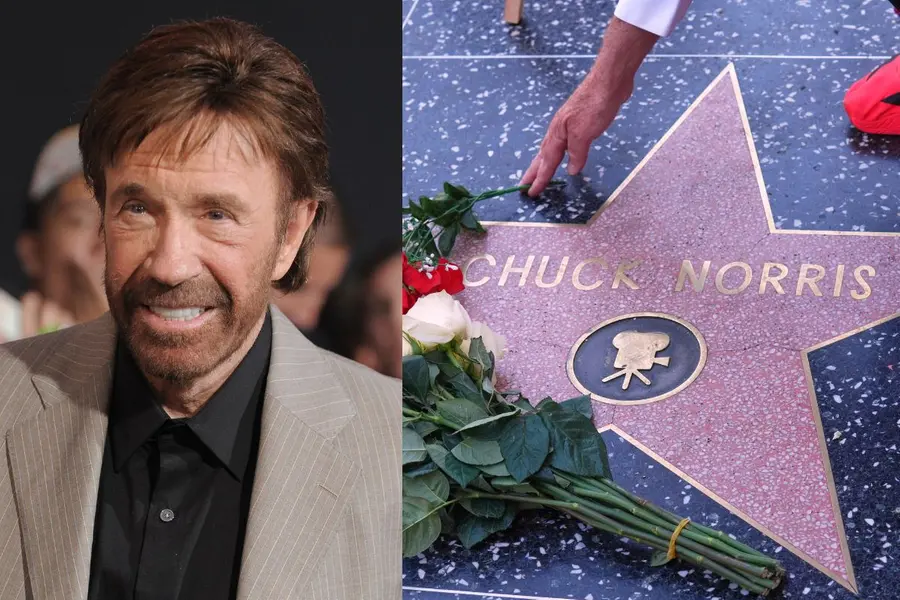
Chuck Norris’s death lands with particular force because he represented a type of public figure that now feels increasingly tied to another era. He came from a generation of action stars whose appeal relied less on irony, franchise machinery, or digital spectacle and more on physical credibility, stern charisma, and straightforward moral posture. He looked like he belonged to a world where toughness still meant something literal.
But he also survived into a very different media age and somehow remained relevant there too. That is part of what made him unusual. He did not belong naturally to social media culture, yet social media made him immortal in another form. He did not come from internet comedy, yet internet comedy made him into one of its most recognizable legends. And in the end, his last public message fit both worlds at once. It sounded like a seasoned actor speaking to loyal fans. It also sounded like the perfect final Chuck Norris meme.
That combination is why so many people found the news disorienting. It is one thing for a famous person to die. It is another for someone who had been absorbed into popular folklore to suddenly become mortal again in the public imagination. For years, the joke had been that Chuck Norris operated outside the normal rules. His death forced the world to confront the man behind the myth one last time.
The final message now reads like a perfect, accidental goodbye
In the days ahead, many obituaries will focus on the facts of Chuck Norris’s career: the Air Force service, the karate titles, the films, the television success, the memes, the political activism, the charity work. All of that belongs in the record, and all of it helps explain why he mattered. But what many people may remember most is still that March 10 birthday post. “I don’t age. I level up.” It was funny, defiant, and unmistakably him.
Maybe that is why it feels so resonant now. It did not sound mournful. It did not try to summarize a legacy. It simply offered gratitude, motion, and a little swagger. It let fans see Chuck Norris as they most wanted to remember him: active, thankful, self-aware, and impossible to separate from the legend he had become. The family asked the world to remember the husband, father, grandfather, and man of faith behind the icon. Fans, meanwhile, are holding onto one final image that somehow honored both versions at once.