
Table of Contents
- When March suddenly felt like June
- The national March record did not just fall, it was pushed aside
- A heat dome created the setup, but climate change made it far worse
- The danger was not just the number, but the timing
- Records were broken in places far beyond the desert core
- Fire risk and drought concerns turned up alongside the heat
- Scientists say this is exactly what climate change looks like
- The longer outlook offers little comfort
- A record was broken, but the bigger story is the future
When March suddenly felt like June
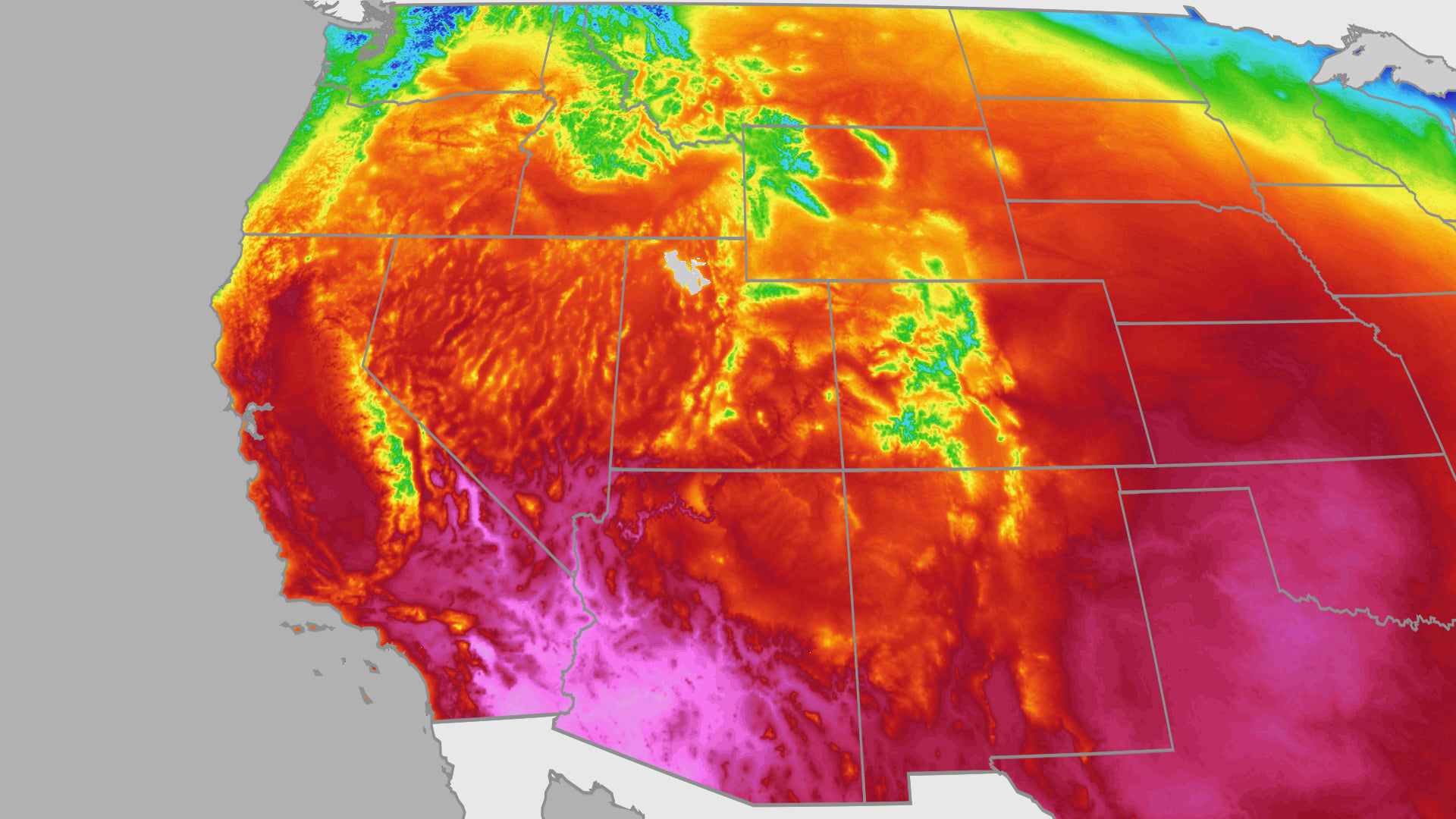
When the western United States began posting temperatures that looked more like late spring or even midsummer than early March, meteorologists knew this was not an ordinary warm spell. But what followed was even more startling. A desert community near Martinez Lake, Arizona, reached 110 degrees Fahrenheit, setting the highest March temperature ever recorded in the United States and breaking the old mark of 108 degrees set in Rio Grande City, Texas, in 1954. Across Arizona, California, Nevada, and beyond, cities shattered monthly records, daily records, and in some cases even April benchmarks, all while the calendar still said March.
That is why this event matters beyond the spectacle of a few shocking numbers. This was not simply a hot week. It was an early season heat wave so extreme that climate scientists at World Weather Attribution concluded it would have been virtually impossible at this time of year in a world without human-caused climate change. In other words, this was not just weather behaving badly. It was a visible sign of how much the climate system has changed, and how quickly the boundaries of what once seemed rare are shifting.
The national March record did not just fall, it was pushed aside
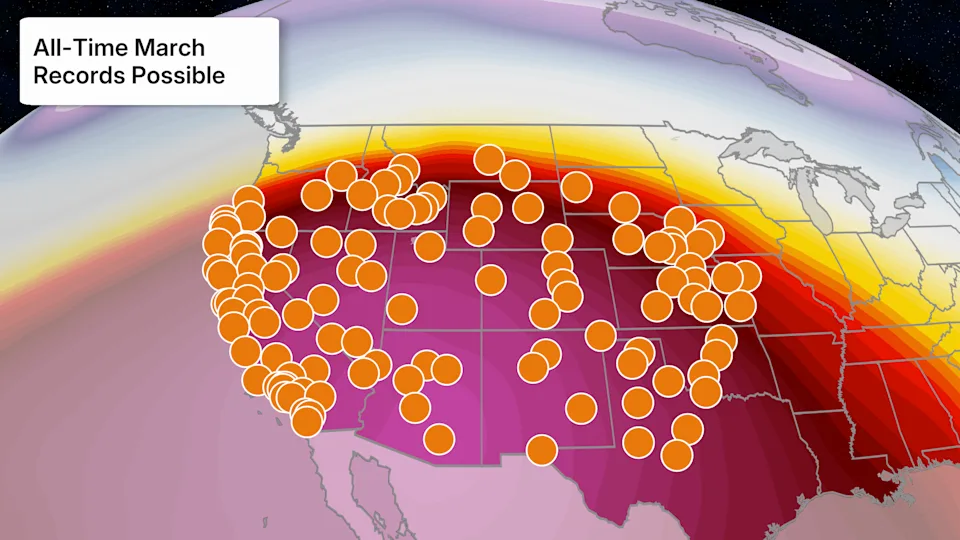
The most headline-grabbing number from this event was the new national March heat record. The Associated Press reported that Martinez Lake, Arizona, hit 110 degrees, officially surpassing the long-standing 108-degree March record for the United States. Other nearby desert communities were not far behind. North Shore, California, had already tied the old record at 108, and Palm Springs, Thermal, Cathedral City, and other desert locations also surged to extraordinary levels for this early in the year.
What makes this more alarming is not only that the record was broken, but how broad the heat was. Phoenix reached 105 degrees, smashing its own March record and posting a level of heat that also tied its April monthly record. Flagstaff, a city known for snow and mountain coolness, hit 84 degrees, shattering its previous March record by 11 degrees and beating its April record as well. Las Vegas, Denver, Salt Lake City, and cities across California all posted unusually extreme heat for a month that is supposed to sit on the threshold of spring, not deep in the shadow of summer.
This is the part that makes the event feel different from an ordinary desert hot spell. The records were not isolated. They came in clusters, over large regions, and often by margins that made forecasters stop and stare.
A heat dome created the setup, but climate change made it far worse
Meteorologists broadly agree on the immediate weather setup behind the heat. A powerful heat dome, essentially a sprawling high pressure system, settled over the West and trapped warmth over the region. Heat domes are not new. They are a natural feature of the atmosphere. But their effects are being amplified in a climate that is already warmer than it used to be. That is the crucial distinction.
World Weather Attribution’s rapid analysis found that a March heat event like this in western North America remains rare even in today’s climate, but is now far more likely and more intense because of human-caused warming. The group said heatwaves like this would have been virtually impossible without climate change and estimated that such events are around 4.7 degrees Fahrenheit hotter than they would have been in a preindustrial climate. The Guardian’s coverage of the attribution study also reported that this kind of event has become roughly four times more likely over the last decade because of climate change.
That finding matters because it cuts through a common misunderstanding. People often ask whether climate change “caused” a specific weather event. The better question is how much climate change loaded the dice. In this case, scientists are saying the dice were heavily loaded. The heat dome may have been the mechanism, but the background warming made the outcome far more severe.
The danger was not just the number, but the timing
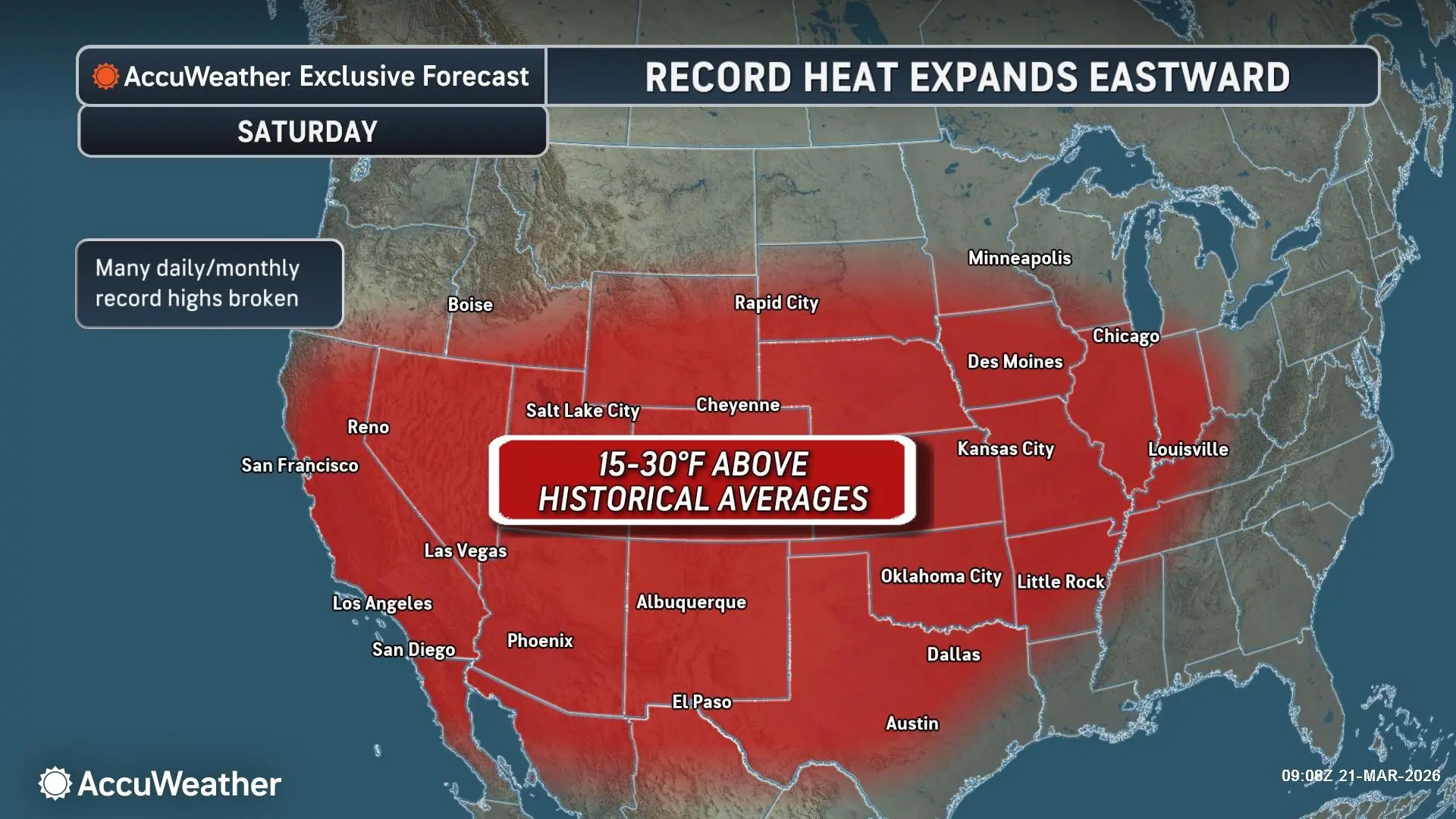
One reason experts were especially alarmed is that this heat came so early in the season. Extreme heat is dangerous at any time, but it becomes more hazardous when it arrives before people, infrastructure, and ecosystems have had time to adapt. The National Weather Service’s Weather Prediction Center warned that the early and prolonged nature of the heat, combined with limited seasonal acclimation, would raise the risk of heat impacts, especially for people without effective cooling or those more sensitive to high temperatures.
That warning is easy to overlook if one thinks only in terms of desert cities that are accustomed to heat. But March is different. People are not yet behaving as though a major heat threat has arrived. Cooling centers may not be operating at full readiness. Schools, outdoor workers, hikers, and vulnerable residents may not have shifted into heat-season habits. Snowmelt can accelerate unexpectedly in mountain areas. Fire weather can deteriorate rapidly in places that do not usually expect such intense warmth this early. In short, timing changes risk.
That helps explain why officials closed hiking trails in some areas and warned residents not to underestimate the danger. Heat kills quietly. It does not always produce the visual drama of hurricanes or tornadoes, but it remains the deadliest form of extreme weather in the United States on average. The fact that this kind of heat is now arriving in March should concern far more people than those living in the desert Southwest.
Records were broken in places far beyond the desert core
The popular image of this heat wave is a baked Arizona landscape under a white sun, but the event stretched far beyond the hottest desert zones. The Associated Press reported that more than 100 all-time March record highs were tied or broken across the West and High Plains. Cities in California, Arizona, Colorado, Idaho, South Dakota, and Wyoming all saw extraordinary March temperatures. Nebraska, which is not usually part of a national heat story in March, climbed above 90 degrees in some areas while also facing wildfire danger.
Denver approached temperatures closer to what people expect in late spring. Lincoln, Nebraska, pushed toward its all-time March record. Daily records were forecast to fall from Texas through the central Plains and east toward the Carolinas as the heat dome flexed eastward. Dallas-Fort Worth and Oklahoma City saw temperatures in the 90s, levels more typical of late June or July than the opening days of astronomical spring.
This broader reach matters for two reasons. First, it shows that the event was not just a local desert anomaly. Second, it demonstrates how a powerful March heat signal can cascade across multiple regions, setting up different kinds of risk in different places, from public health stress to wildfire danger to agricultural disruption.
Fire risk and drought concerns turned up alongside the heat
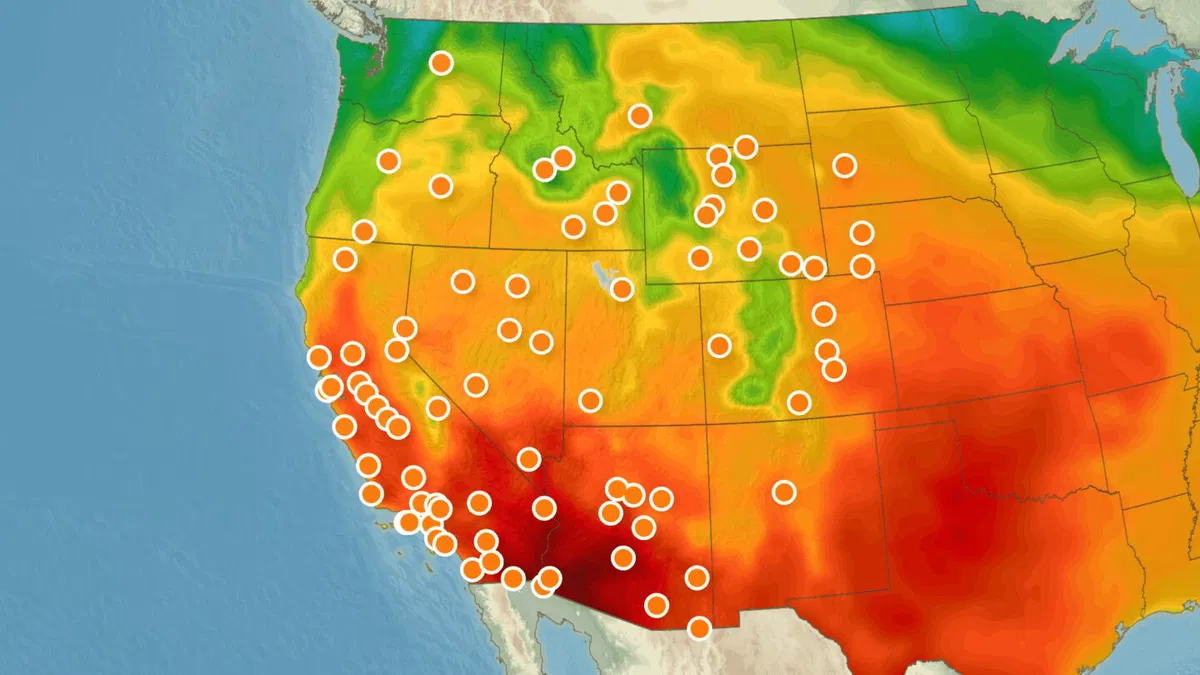
Heat and dryness are closely connected, and in parts of the Plains and interior West the unusual warmth worsened fire conditions. The Associated Press reported that Nebraska’s Morrill County fire, already the largest wildfire on record in that state, was occurring under conditions made more volatile by the heat and dry air. Red flag warnings were issued in some areas as the warmth spread across regions already vulnerable to fast-moving fire.
This is another reason such events cannot be viewed in isolation. Heat waves do not operate alone. They interact with snowpack, soil moisture, drought, vegetation stress, water demand, and power use. A March heat wave can accelerate snowmelt in mountain areas, worsen evaporation, raise early season irrigation stress, and precondition landscapes for fire later in spring. The event becomes part of a chain, not just a spike.
In a warming world, these chains matter more and more. One broken record is not only a record. It can be the beginning of a cascade of pressures that stretch for weeks or months afterward.
Scientists say this is exactly what climate change looks like
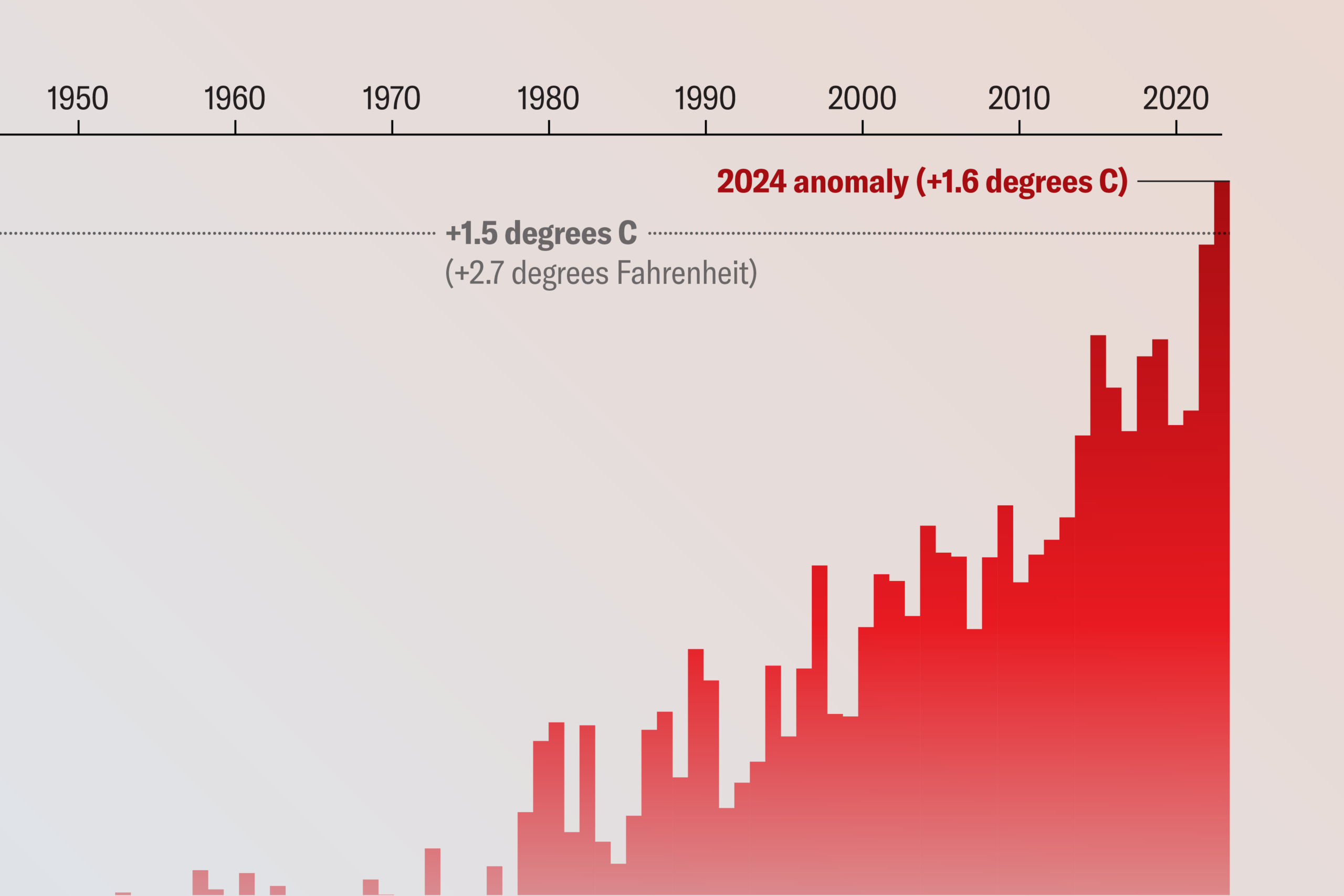
The phrase “this is what climate change looks like” has become common in coverage of extreme weather, but in this case it is not just rhetorical flourish. The AP quoted climate experts and pointed to NOAA’s Climate Extremes Index to show that the area of the United States experiencing unusual extremes has expanded in recent years. The World Weather Attribution study put stronger language behind that observation, describing the heat as virtually impossible without human-induced climate change.
That does not mean every hot day is a climate emergency or that every record will now fall every year. It means the climate baseline has shifted enough that records are easier to break, heat events start earlier, and rare combinations of timing and intensity are becoming more plausible. When March begins to produce heat that used to belong to much later months, the climate system is sending a message that its old seasonal boundaries are being redrawn.
And that is why the most important part of this story is not the single number of 110 degrees. It is the pattern around it. A powerful heat dome. Widespread records. Early season timing. Climate attribution that points clearly to human influence. All of those elements together turn this from a weather curiosity into a warning sign.
The longer outlook offers little comfort
As troubling as the immediate records were, the broader temperature outlook has made experts even more uneasy. The Associated Press reported that hotter-than-normal conditions were expected not only to persist through the event itself, but to remain favored into April, May, and June across much of the country. In the West, records were expected to remain vulnerable for several more days even after the first shocking headlines appeared.
That kind of persistence matters because it suggests the March heat wave may be less a freakish outlier than a preview of the kinds of seasonal extremes that now arrive faster and last longer. Climate change is not only raising average temperatures. It is stretching the heat season outward, allowing dangerous warmth to arrive earlier and linger later. For cities already struggling with heat preparedness, aging infrastructure, and unequal access to cooling, that trend is a major challenge.
A record was broken, but the bigger story is the future
The United States breaking its all-time March heat record is the kind of event that grabs attention because it feels sudden and shocking. And it is. But the more important truth is that it fits a larger pattern scientists have been warning about for years. Heat waves are becoming more frequent, more intense, and more likely to strike outside the traditional bounds of summer because the planet is warming. This event did not prove climate change exists. Scientists already knew that. What it did was provide another vivid, measurable, and deeply unsettling example of what that warming now looks like in real life.
If March can now deliver 110 degrees in the American Southwest, shatter records across multiple states, worsen wildfire conditions in the Plains, and do so in a way scientists say was virtually impossible without human influence, then the real question is no longer whether the climate is changing. It is how much more quickly daily life, public policy, and infrastructure will have to change in response. Because this heat wave was not only a record. It was a glimpse of a future arriving ahead of schedule.