
Table of Contents
- Why Baidoa Matters So Much
- The Army Move That Changed the Political Landscape
- Laftagareen’s Resignation Shocked an Already Fragile Region
- The Dispute Did Not Begin in Baidoa
- Somalia’s Federal System Has Been Under Pressure for Years
- Why Civilians and Aid Agencies Are Watching Closely
- The Federal Government’s Message Was Clear
- What This Could Mean for Somalia Next
- A Strategic City Now Carries a National Warning
Why Baidoa Matters So Much
Baidoa is not just another Somali city. It is the biggest city in South West state and serves as the region’s administrative heart. It is also strategically significant because it hosts peacekeeping forces and aid agencies working in an area battered by humanitarian pressures. In a country where politics, security, and survival are often tightly intertwined, control of Baidoa carries weight far beyond its municipal boundaries.
That is why the images and descriptions emerging from the city were so striking. A local elder told Reuters that federal forces had taken over Baidoa and that the city was calm, but felt like a ghost town. A shopkeeper also said federal troops were in control of his area of the city, roughly 245 kilometers northwest of Mogadishu. Those details painted a scene of military control combined with public fear, silence, and disruption. This was not an ordinary political reshuffle. It was a moment that visibly altered the balance of power on the ground.
Baidoa’s importance also comes from its role as a hub for humanitarian access. When insecurity spreads there, the consequences can extend to civilians who rely on aid operations, food access, and basic services. In Somalia, where political crises can quickly become humanitarian crises, the stability of such a city is never just a local concern.
The Army Move That Changed the Political Landscape
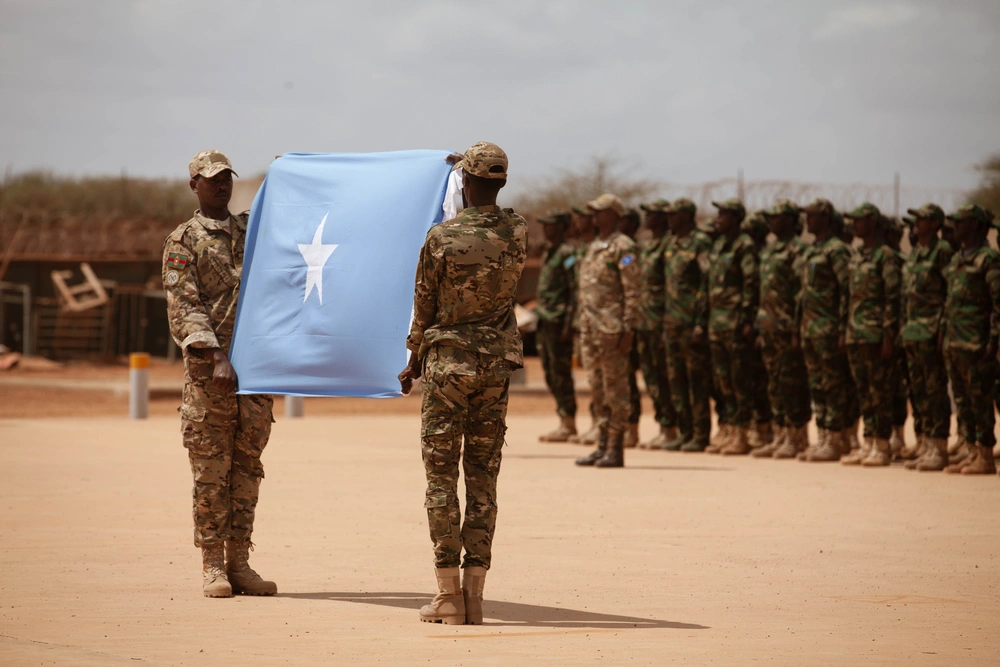
Somalia’s national army took control of Baidoa on March 30, 2026, in a development that appears to have broken the immediate power of the South West regional administration. The federal information ministry said the former South West administration had created political conflict and claimed federal forces were welcomed into the city. That official framing presented the intervention as a restoration of order rather than an escalation.
But on the ground, the situation was more tense than triumphant. Many residents had already fled Baidoa over the previous week, and some aid agencies had suspended activities because they feared clashes between federal troops and regional forces. Even if open fighting was avoided in parts of the city, the fear of confrontation was enough to empty neighborhoods and disrupt daily life. That sense of public alarm is often one of the clearest signs that a political crisis has already crossed into something far more dangerous.
The army’s entry into Baidoa also sent a political signal to other Somali regions. It showed that the federal government was willing to act decisively when regional resistance crossed a certain line. Whether that move stabilizes the country or deepens mistrust is likely to be one of the central questions in the days ahead.
Laftagareen’s Resignation Shocked an Already Fragile Region
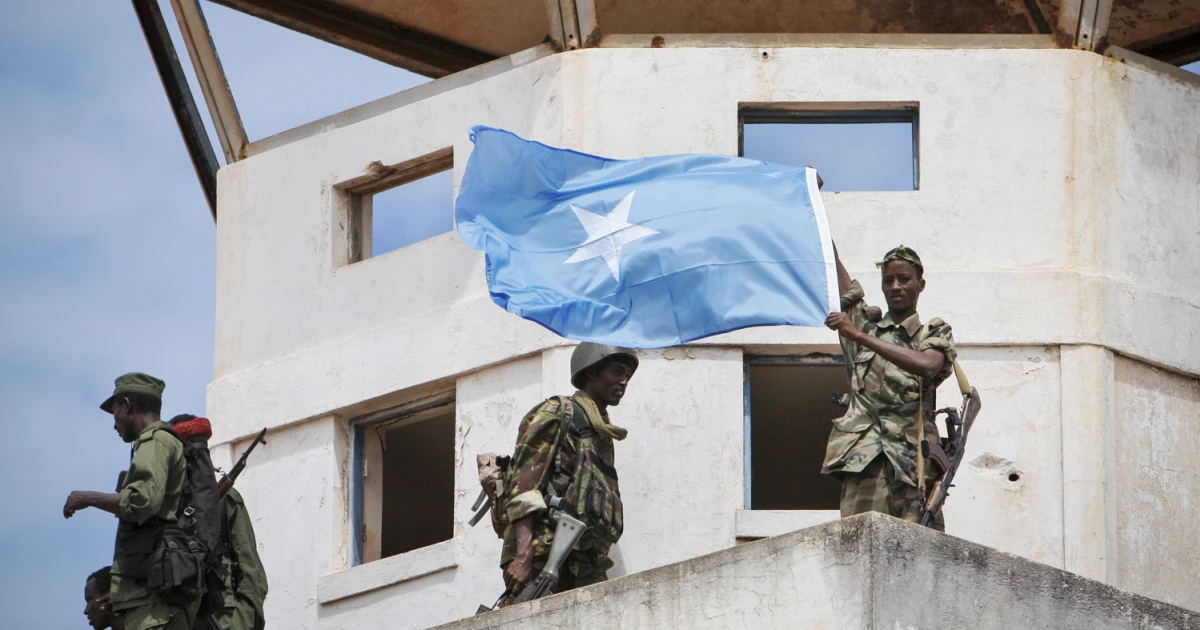
Perhaps the most dramatic political consequence came when South West state president Abdiaziz Hassan Mohamed Laftagareen announced his resignation. According to Reuters, he stepped down only days after being re elected for another five year term. That sequence made the resignation especially startling. A leader who had just secured a renewed mandate was suddenly gone as federal troops moved into his capital.
His resignation was not merely a personal decision. It was the collapse of an entire regional posture that had been hardening against Mogadishu. Two weeks earlier, South West state had announced it was suspending cooperation and relations with the federal government. That declaration already suggested a major breakdown. The loss of Baidoa and Laftagareen’s resignation turned that political standoff into a full blown institutional rupture.
The abruptness of the fall also revealed how unstable regional authority can be in Somalia when it loses control of security and territory. Political legitimacy may come from elections or appointments, but in moments like this, real power often depends on who controls the city, the armed forces, and the ability to keep administration functioning. Baidoa showed how quickly those pillars can shift.
The Dispute Did Not Begin in Baidoa
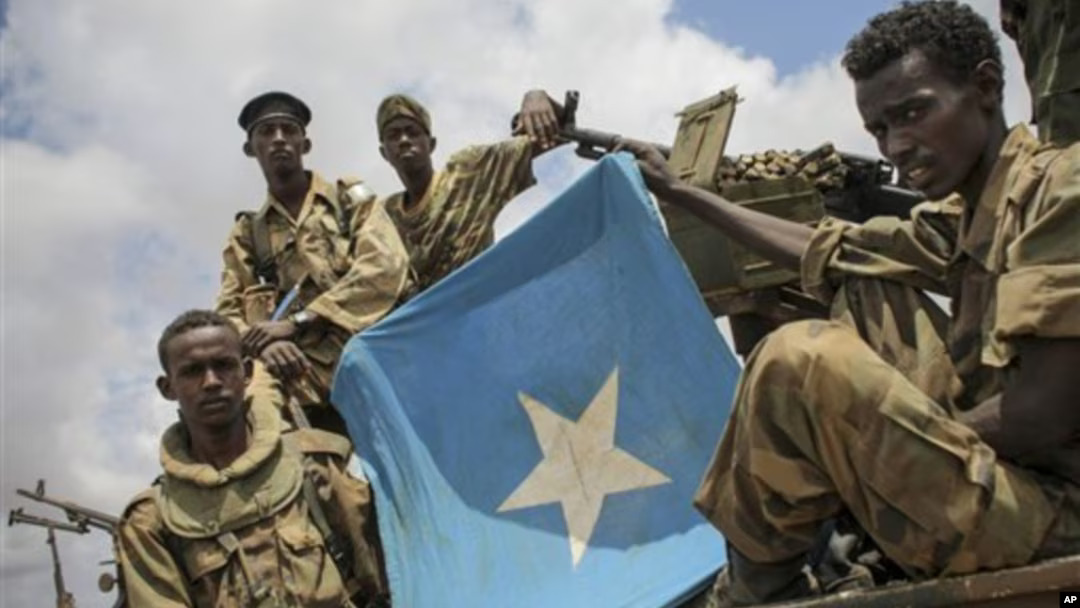
The crisis did not start with troop movements. It had been building for weeks and, in some respects, for much longer. On March 17, South West state said it was severing ties with the federal government based in Mogadishu. That move was one of the clearest signs yet of rising strain inside Somalia’s federal model, where relations between the center and the regions are often tense and sometimes openly confrontational.
According to Reuters, Laftagareen’s administration opposed constitutional amendments backed by the federal government. Those constitutional changes had already generated controversy in Somalia. Earlier in March, Reuters reported that Somalia’s parliament approved constitutional changes that could extend the president’s term by one year and delay upcoming elections, while critics warned the implications were ambiguous and politically sensitive.
That wider constitutional struggle matters because it helps explain why Baidoa became a flashpoint. This was not just a disagreement over one city or one regional presidency. It was a clash over the shape of Somali federalism, the timing and legitimacy of elections, and how much authority Mogadishu should exercise over regional administrations. In that sense, Baidoa became the stage on which a national argument was suddenly playing out with soldiers, empty streets, and a resignation letter.
Somalia’s Federal System Has Been Under Pressure for Years
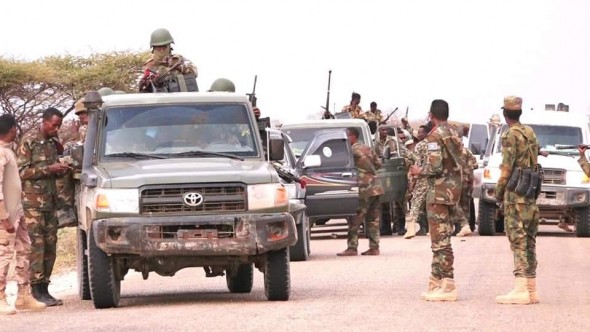
Somalia has operated under a fragile federal framework for years, and disputes over power sharing have repeatedly opened serious political cracks. The country has long struggled to balance central authority with regional autonomy, especially as federal member states seek to protect their own influence. These tensions have repeatedly resurfaced around elections, constitutional changes, and the control of security forces.
This is not the first time constitutional disputes have shaken Somalia’s political order. Reuters reported in 2024 that Puntland refused to recognize the federal government after disputed constitutional changes, underscoring how explosive these issues can become. More recently, AP reported that chaos erupted in Somalia’s parliament in early 2026 during arguments over constitutional amendments, with lawmakers physically clashing as disagreement intensified.
Against that background, the Baidoa takeover looks less like an isolated rupture and more like the latest episode in an ongoing struggle over the future of the Somali state. Every confrontation over constitutional authority weakens trust. Every regional standoff raises the question of whether federalism in Somalia is functioning as a system of negotiation or drifting toward a cycle of recurring political crises.
Why Civilians and Aid Agencies Are Watching Closely
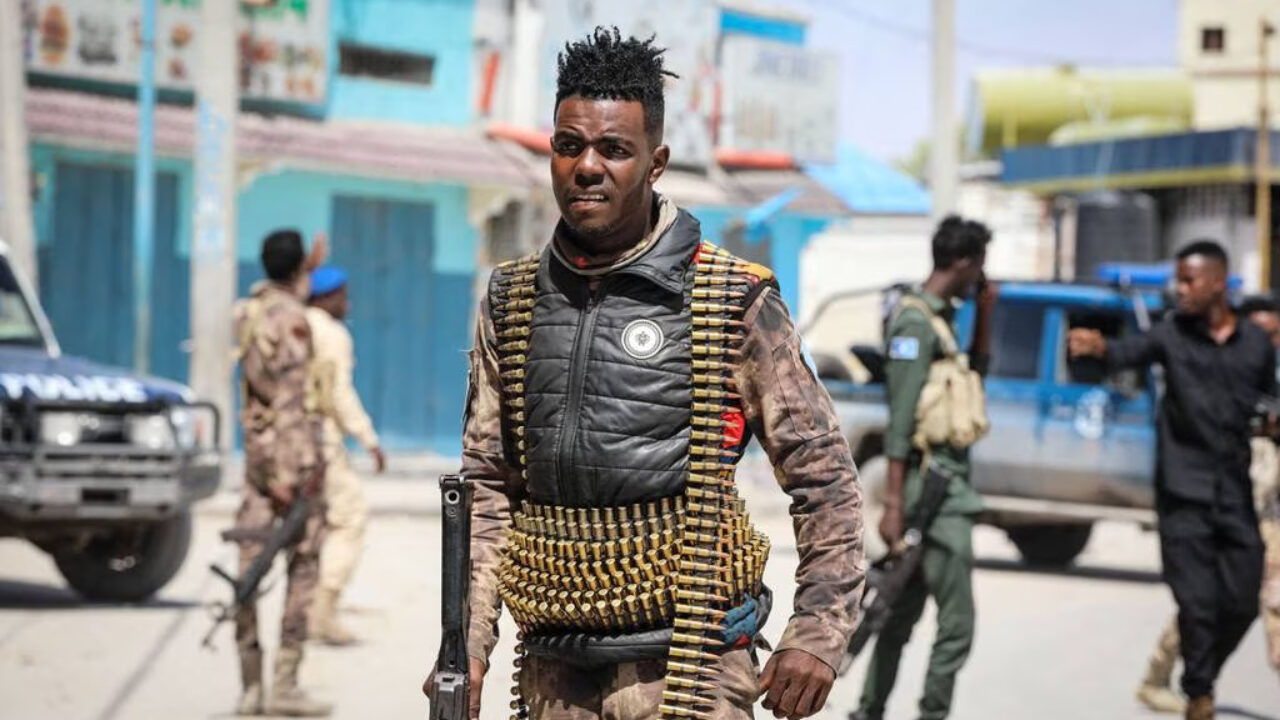
One of the most troubling details in the Baidoa crisis is how quickly civilians responded by fleeing. Reuters reported that many residents had left the city over the past week and that some aid agencies suspended activities out of fear that clashes could erupt. In a city already tied to humanitarian operations, that kind of disruption is not a side story. It is central to the consequences of the crisis.
South West state sits in an area affected by drought, conflict, and displacement. That means people in and around Baidoa are already vulnerable before any new political crisis arrives. When administration breaks down or military control changes hands, humanitarian access can become more uncertain. Even temporary fear can interrupt food distribution, medical services, transport, and support for displaced communities.
The phrase “ghost town” used by a local elder captures more than atmosphere. It hints at a familiar Somali pattern in which civilians absorb the shock of elite political conflict. Streets empty. Shops close. Aid slows. Families leave. Long before analysts debate what a takeover means for constitutional order, ordinary people often feel the consequences in their most basic routines.
The Federal Government’s Message Was Clear
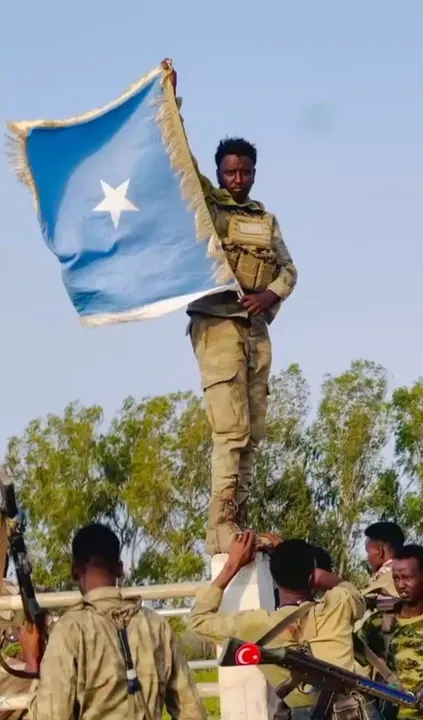
The Somali federal government used the moment to shape the narrative. The information ministry said the former South West state administration had created political conflict and that federal forces had been welcomed in Baidoa. This language was carefully chosen. It aimed to frame the federal move not as coercion, but as a correction to instability supposedly caused by the regional authorities.
That message matters because political legitimacy in Somalia is often contested. Control alone is not enough. Every side also tries to claim constitutional and public legitimacy. By saying federal forces were welcomed, Mogadishu positioned itself as the side restoring calm rather than breaking regional autonomy. Supporters of the South West leadership, however, are likely to see the situation very differently, especially given the earlier accusations that the federal government was interfering in regional politics.
The battle over language will likely continue alongside the battle over institutions. In deeply divided political moments, the first struggle is often over who gets to define what happened. Was Baidoa liberated, occupied, stabilized, or seized? The answer depends heavily on who is speaking and what future they want Somalia to move toward.
What This Could Mean for Somalia Next
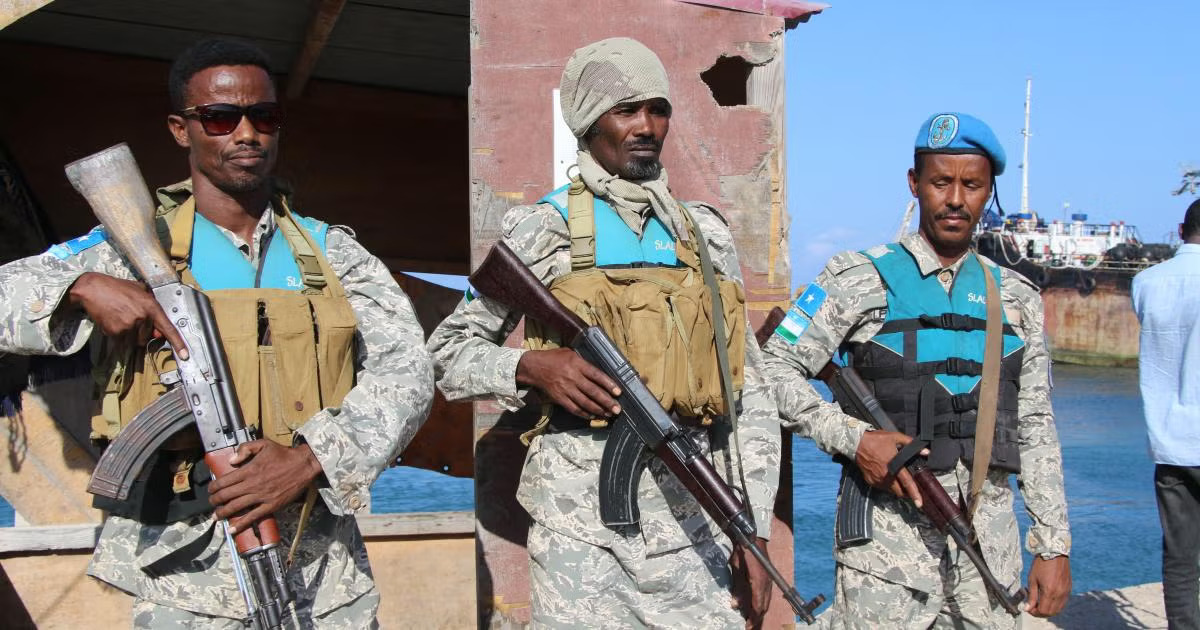
The immediate question is whether Baidoa remains calm or becomes the site of further unrest. Reuters reported the city was calm after the takeover, but the fear of clashes had already emptied parts of it. Calm in such situations can be fragile, especially if regional grievances remain unresolved and supporters of the former administration refuse to accept the new balance of power.
The broader question is what this means for Somalia’s federal future. If regional administrations conclude that disputes with Mogadishu may end in military intervention, mistrust could deepen rather than fade. On the other hand, the federal government may believe it has shown enough strength to deter future defiance. Either way, the confrontation over Baidoa is likely to influence how other regional actors calculate their own next moves.
There is also the constitutional issue still hanging over everything. Reuters’ earlier reporting on the amendments showed that political actors were already divided over election timing, presidential term implications, and the meaning of federal authority. Unless those disputes are addressed through a credible political process, Baidoa may prove to be less of an ending than a warning of what could come elsewhere.
A Strategic City Now Carries a National Warning
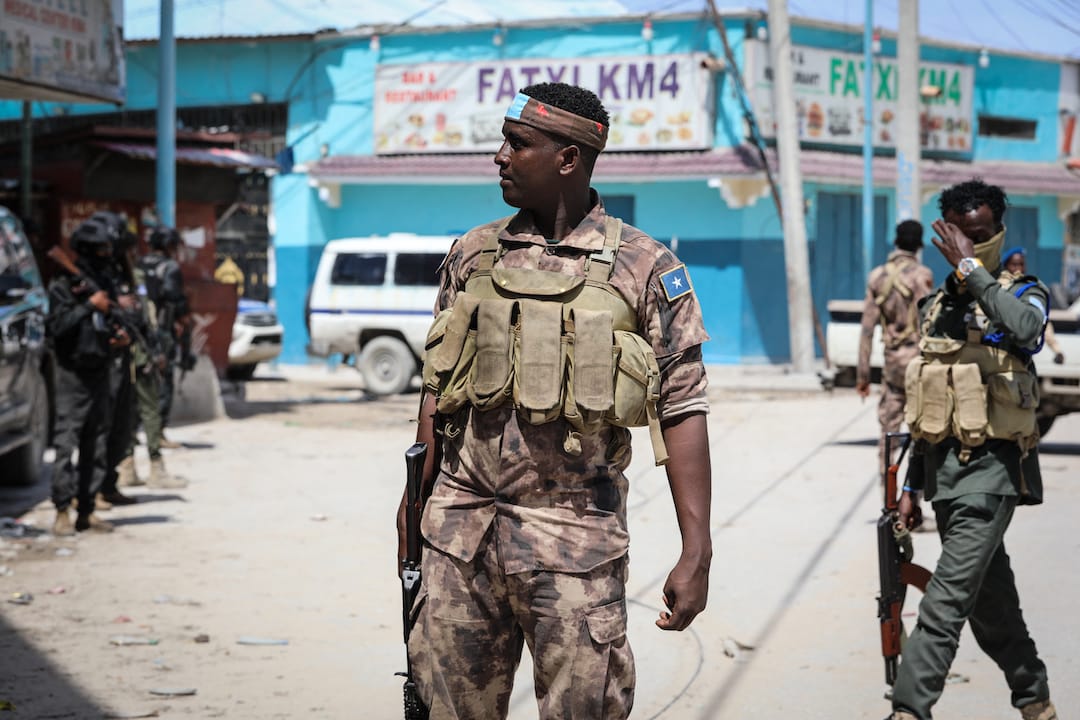
Baidoa’s takeover is significant not simply because a city changed hands, but because it exposed how quickly Somalia’s political tensions can turn into a direct contest for territory and authority. The resignation of Laftagareen, the flight of residents, the suspension of some aid work, and the federal government’s confident messaging together tell the story of a state still struggling to define the terms of its own federal order.
In many countries, a regional dispute might remain a matter of speeches, court rulings, or delayed negotiations. In Somalia, those same disputes can spill rapidly into the streets of strategic cities. That is what makes Baidoa such an important test case. It is a reminder that constitutional questions are never purely abstract when institutions are fragile and public trust is thin.
For now, the city is described as calm. But the deeper story is not calm at all. Somalia’s federal experiment is once again under visible strain, and Baidoa has become the latest place where the country’s unresolved political tensions are no longer hidden behind official statements. They are unfolding in plain sight, with consequences that may shape the next chapter of Somali politics.