
Table of Contents
- Why This Case Feels So Consequential
- The Executive Order Driving the Legal Showdown
- The 1898 Precedent at the Center of Everything
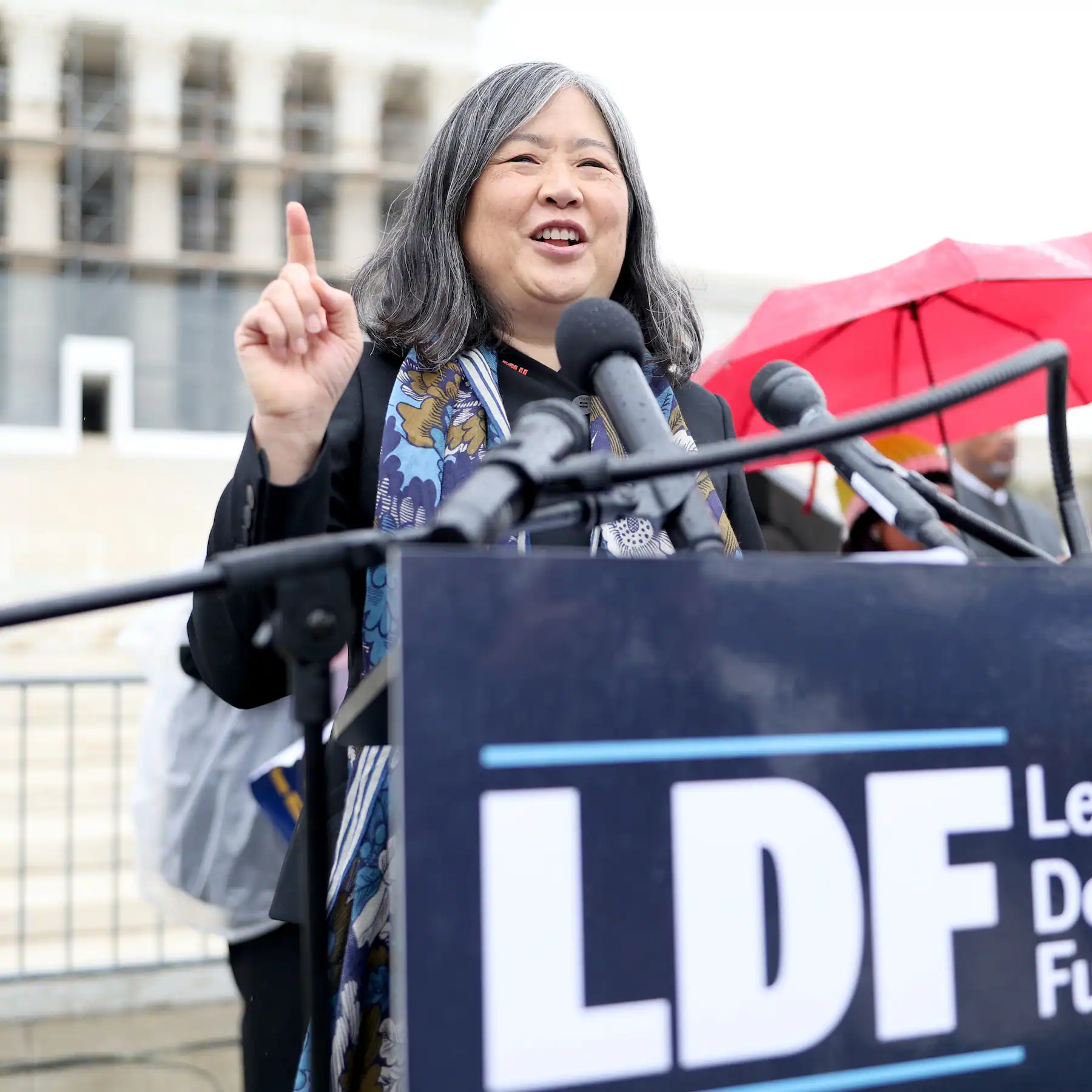
- Cecillia Wang’s Role and Why She Matters
- What the Justices May Actually Be Asked to Decide
- The Historical Argument Behind the Modern Dispute
- A Broader Coalition Than Many Expected
- What This Case Could Mean for American Life
Why This Case Feels So Consequential
Birthright citizenship has long been treated as one of the clearest promises of the 14th Amendment. The Citizenship Clause states that all persons born or naturalized in the United States, and subject to its jurisdiction, are citizens of the United States. For well over a century, that language has been read to cover nearly all children born on American soil, with narrow historical exceptions such as children of foreign diplomats. The upcoming Supreme Court argument is therefore not just about legal theory. It is about whether the government can significantly narrow a constitutional principle that generations of Americans have taken as settled.
Wang has described the issue in sweeping terms, saying that the country itself has been built on the basis of birthright citizenship. Her argument is that overturning or reinterpreting this principle would not merely alter immigration policy. It would shake the foundation of post Reconstruction American life. That is part of why the case has drawn such intense interest from legal scholars, immigrant rights advocates, and constitutional conservatives who do not necessarily agree on other issues but see this dispute as unusually important.
The stakes are also practical, not just symbolic. Reuters reported that the broader legal fight over Trump’s executive order could affect hundreds of thousands of U.S. born children each year and potentially call into question a constitutional understanding that has shaped millions of American families across generations. That scale explains why the case is being watched far beyond legal circles.
The Executive Order Driving the Legal Showdown
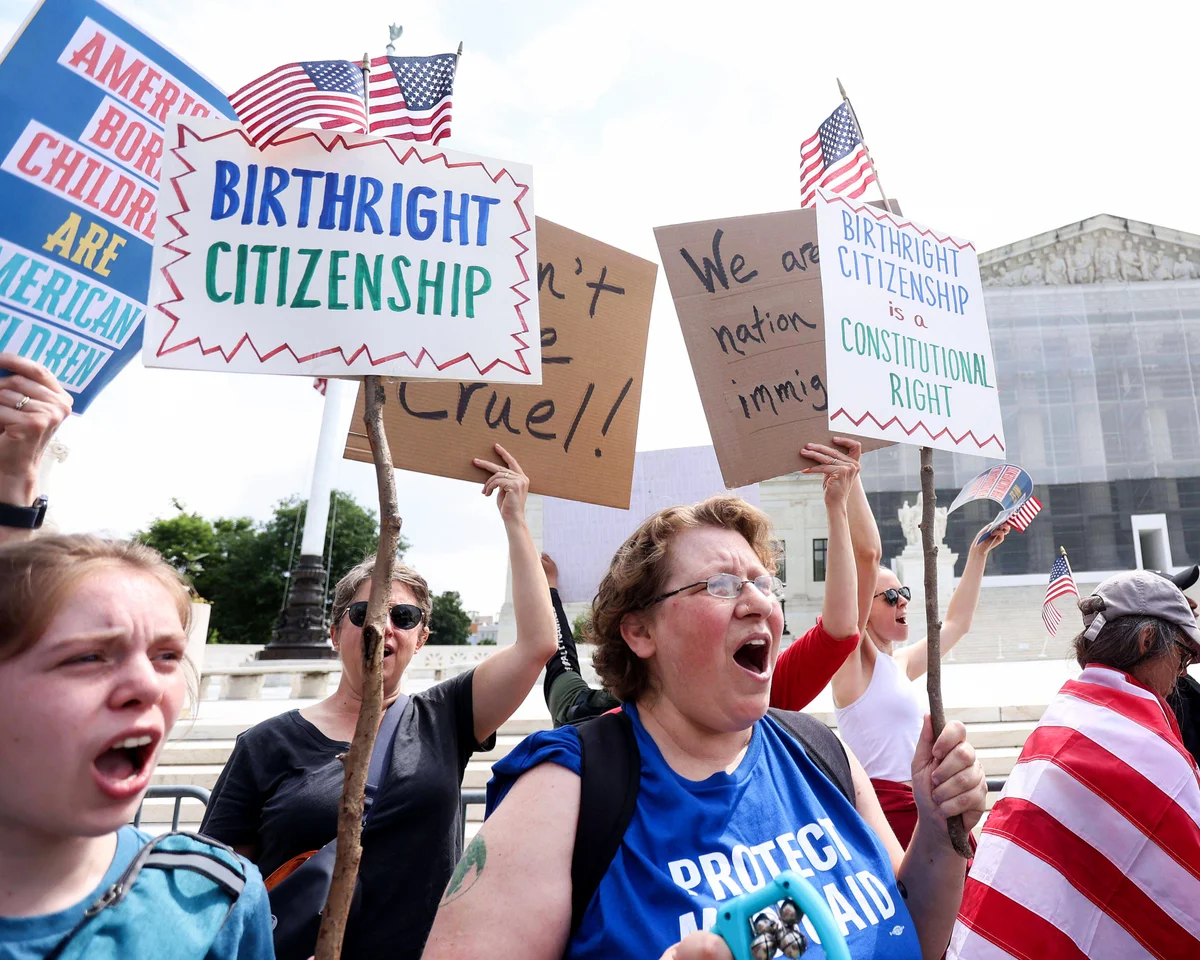
The dispute now before the court grew out of an executive order signed by President Donald Trump that seeks to deny automatic citizenship to children born in the United States when neither parent is a citizen or lawful permanent resident. The administration’s position is that the Constitution has been misunderstood for more than a century and that the 14th Amendment was never meant to extend citizenship as broadly as courts and government agencies have assumed.
That argument is legally ambitious. According to Bloomberg Law, the solicitor general’s office has argued that the Supreme Court does not need to formally overturn Wong Kim Ark in order to rule for the administration. Instead, the government contends that the case has been misapplied over time. That is a crucial distinction because it shows the administration is not necessarily asking the justices to erase the old precedent by name, but to limit it so severely that the practical effect could be similar.
Opponents of the order say that strategy is an attempt to do indirectly what would be difficult to justify directly. The ACLU has described Trump’s order as unconstitutional and has noted that multiple federal courts blocked it after it was signed in January 2025. In the ACLU’s view, the order stands in direct conflict with constitutional text, long settled practice, and Supreme Court precedent.
The 1898 Precedent at the Center of Everything
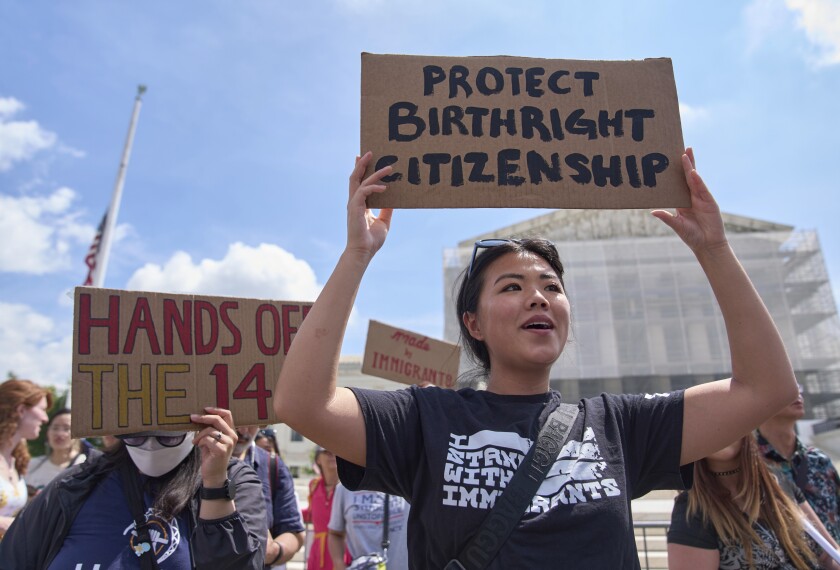
At the heart of the case is United States v. Wong Kim Ark, the 1898 Supreme Court ruling that has long served as the bedrock of American birthright citizenship doctrine. The court held that a child born in the United States to foreign national parents was a citizen under the Constitution. The decision came during an era of intense anti Chinese discrimination, which gives the ruling a historical weight that extends well beyond technical legal interpretation.
Reuters recently highlighted how personal this precedent remains for some families, including descendants of Wong Kim Ark himself. That report described the current dispute as an echo of the original 1898 conflict and framed the case as a renewed fight over whether the Constitution protects citizenship by birth on American soil. In other words, the precedent is not just a citation in a law book. It remains a living part of American legal identity.
The respondents’ Supreme Court brief argues that Wong Kim Ark “conclusively disposes” of the government’s arguments and says the Citizenship Clause enshrines the common law rule of citizenship by birth, regardless of parental nationality or immigration status. That filing directly pushes back on the administration’s effort to narrow the case.
Cecillia Wang’s Role and Why She Matters

This case is also receiving attention because of the lawyer arguing it. Cecillia Wang is the ACLU’s national legal director and previously spent more than a decade with the ACLU’s Immigrants’ Rights Project, including five years as its director. Bloomberg Law reported that she clerked for Justices Harry Blackmun and Stephen Breyer and later led the ACLU’s Center for Democracy before taking on her current leadership role in 2024.
Wang’s background helps explain why this case appears both professional and deeply personal for her. She told Bloomberg Law that she is one of countless second generation Americans for whom the 14th Amendment’s citizenship guarantee is deeply meaningful. She also emphasized that tens of millions of people in the United States have an ancestor whose citizenship was secured by that constitutional promise.
This is not the first major confrontation she has handled. Bloomberg Law noted that while at the ACLU’s Immigrants’ Rights Project, Wang led successful civil rights litigation against former Maricopa County Sheriff Joe Arpaio over alleged racial profiling and unlawful detention targeting Latinos. During Trump’s first term, she also worked on challenges to the family separation policy and the proposed citizenship question for the 2020 Census. Her upcoming appearance will be only her second oral argument before the Supreme Court, after a 2018 case involving mandatory detention for certain noncitizens.
What the Justices May Actually Be Asked to Decide
The constitutional fight is both sweeping and surprisingly technical. One of the likely questions, according to Yale Law professor Akhil Reed Amar as quoted by Bloomberg Law, is whether the court should recognize more exceptions to birthright citizenship than those historically applied to children of foreign diplomats and hostile occupying forces. Another likely line of questioning is whether the existing interpretation of the 14th Amendment improperly rewards violations of immigration law.
That framing matters because it reveals how the administration may try to win without attacking the entire concept of birthright citizenship at once. If the justices accept the idea that there are additional implied exceptions beyond the historically narrow ones, that could open the door to a major reworking of the doctrine. Even a ruling framed as limited could end up redrawing the boundaries of citizenship in ways that would have profound long term effects.
Wang has argued that the case should not be viewed as a simple clash between a conservative side and a liberal side. In her telling, the real issue is whether a president can “re engineer” the meaning of the 14th Amendment to suit present day policy preferences. She has pointed to Afroyim v. Rusk, a 1967 Supreme Court decision, as support for the idea that the framers of the 14th Amendment sought to place citizenship beyond the power of government to destroy.
The Historical Argument Behind the Modern Dispute
One reason the case has become so intellectually dense is that both sides are reaching far into history. Bloomberg Law reported that Wang has been preparing by studying arguments surrounding the ratification of the 14th Amendment and British common law, from which American birthright citizenship doctrine partly developed. The respondents’ Supreme Court brief likewise grounds its argument in the common law tradition, saying that citizenship by birth did not turn on parental nationality or domicile.
That historical emphasis is not accidental. In constitutional litigation, especially before the current Supreme Court, history often carries enormous weight. If the administration can persuade the justices that the original public meaning of the 14th Amendment was narrower than modern practice suggests, it could gain traction even without explicitly wiping away longstanding precedent. If Wang can show that history, precedent, and practice all point in the same direction, the court may see the administration’s position as a destabilizing break from settled law.
This makes the case feel at once old and new. The legal documents are steeped in 19th century text, common law traditions, and Reconstruction era purpose. But the consequences would land squarely in the present, affecting families, public agencies, hospitals, schools, and immigration enforcement systems across the country.
A Broader Coalition Than Many Expected
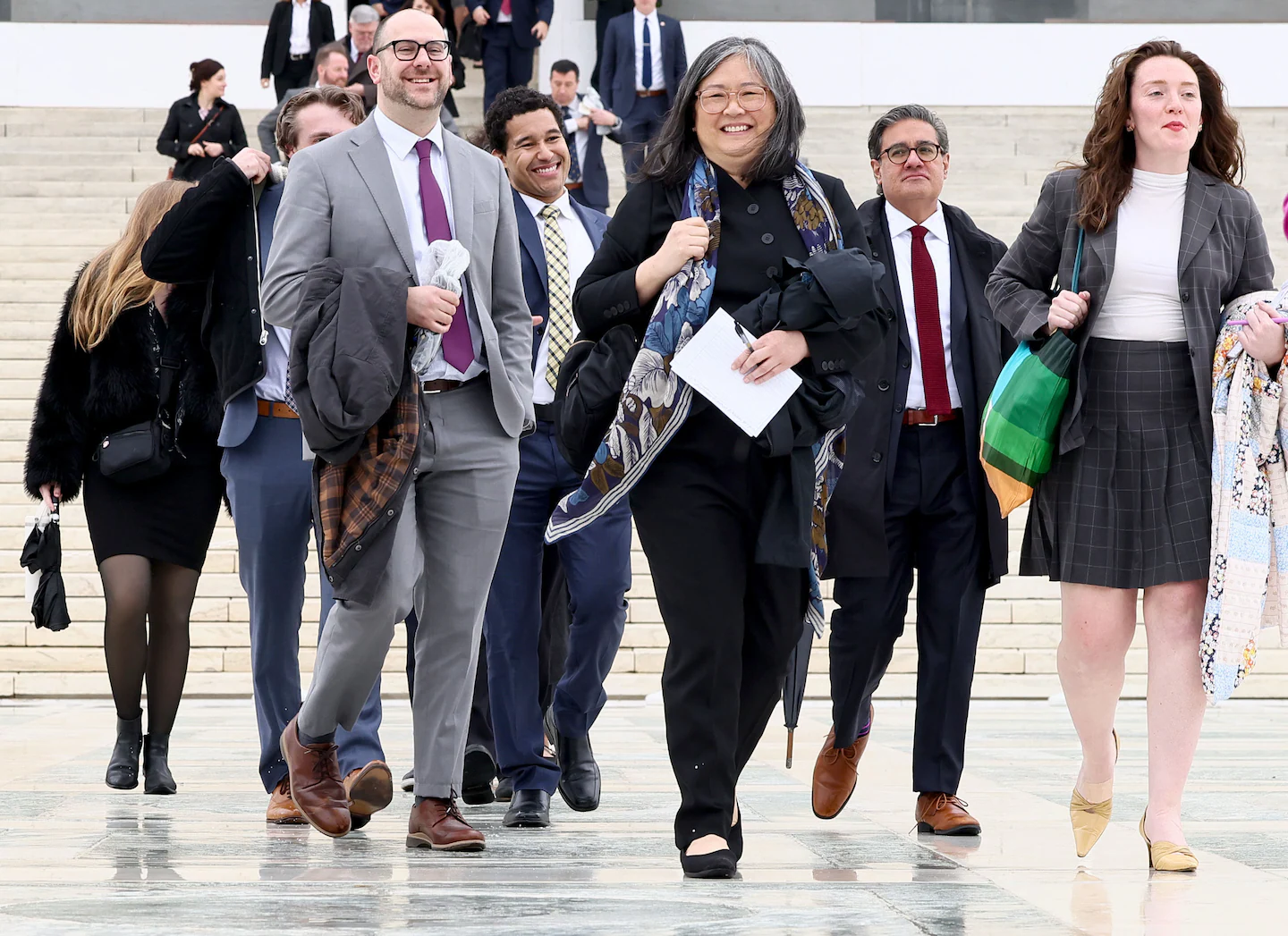
Another notable feature of the case is the range of voices supporting Wang’s side. Bloomberg Law reported that her clients have received backing from an unusually broad collection of amici, including the libertarian Cato Institute, the Society for the Rule of Law, whose members include former officials from the Reagan, George W. Bush, and Trump administrations, and Yale professor Akhil Reed Amar.
That kind of coalition suggests the case is not being understood purely through standard partisan lines. For some supporters, the issue is immigrant rights. For others, it is constitutional stability, judicial restraint, or the belief that executive power should not be allowed to reshape a fundamental constitutional rule on its own. When such different constituencies line up on the same side, it usually signals that the dispute has implications broader than ordinary policy politics.
It also reinforces Wang’s own argument that this case is not simply about ideology. It is about whether constitutional meaning can be narrowed by executive action and whether a century of law and practice can be recast by a new theory of jurisdiction and national membership.
What This Case Could Mean for American Life
If the Supreme Court were to embrace the administration’s view, the consequences would be immediate and far reaching. Children born in the United States who would previously have been recognized as citizens at birth could face uncertainty over legal status, documentation, and access to rights tied to citizenship. Reuters described the dispute as one that could reshape the scope of birthright citizenship itself, which is why even incremental changes could produce enormous institutional and human consequences.
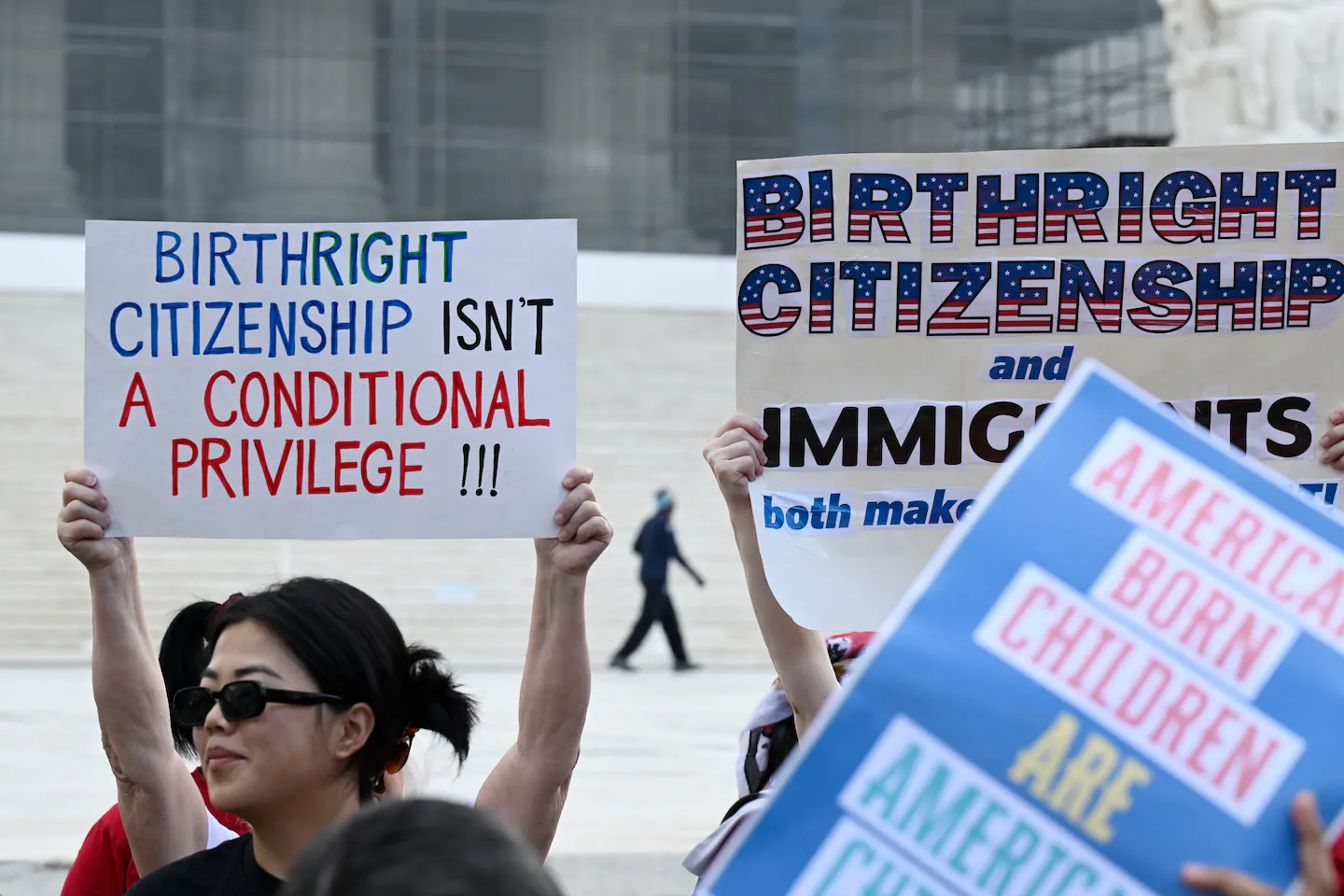
More broadly, the case asks a question that goes to the heart of American identity: is citizenship by birth a constitutional guarantee that applies broadly and automatically, or is it a more conditional status that the government may narrow based on the legal status of parents? That distinction may sound technical at first, but it reaches into some of the oldest national debates about who belongs, who is fully protected, and who gets to define the boundaries of the American political community.
For that reason, the coming argument is likely to be remembered as more than one more entry on the Supreme Court calendar. It is a test of whether a principle that has shaped the lives of generations will remain firmly anchored in constitutional law or be reopened in a way that changes the country’s civic foundation. The legal question may be framed through precedent, history, and doctrine. But the answer could define how America understands citizenship itself for decades to come.